PAGE_HEADER
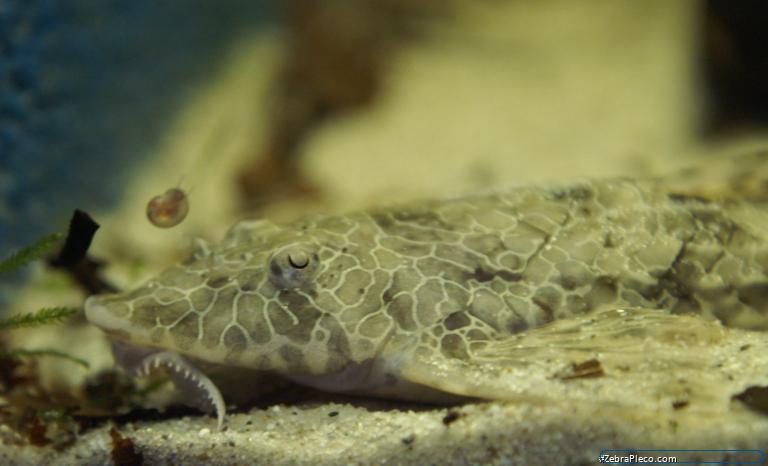
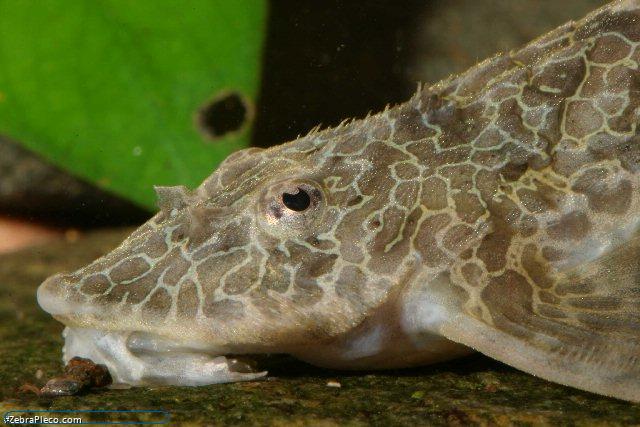
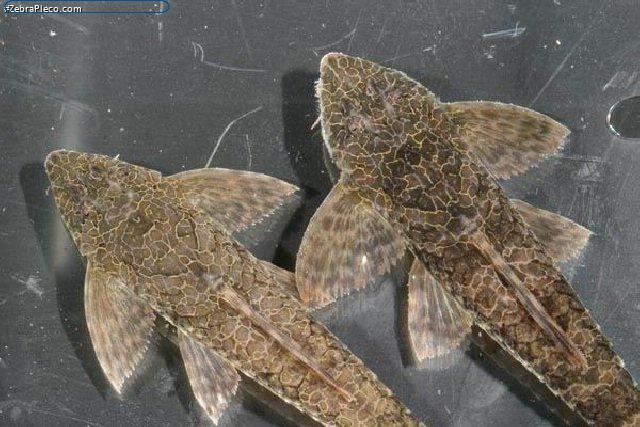
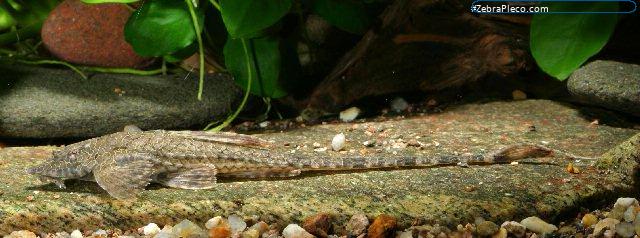
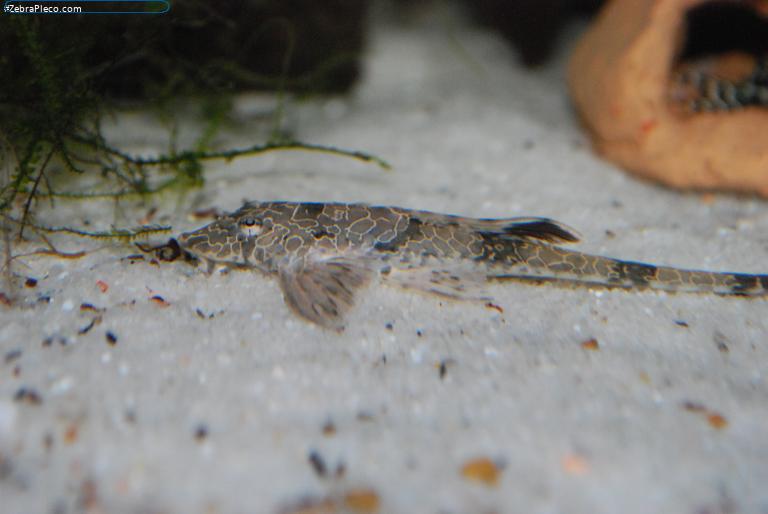
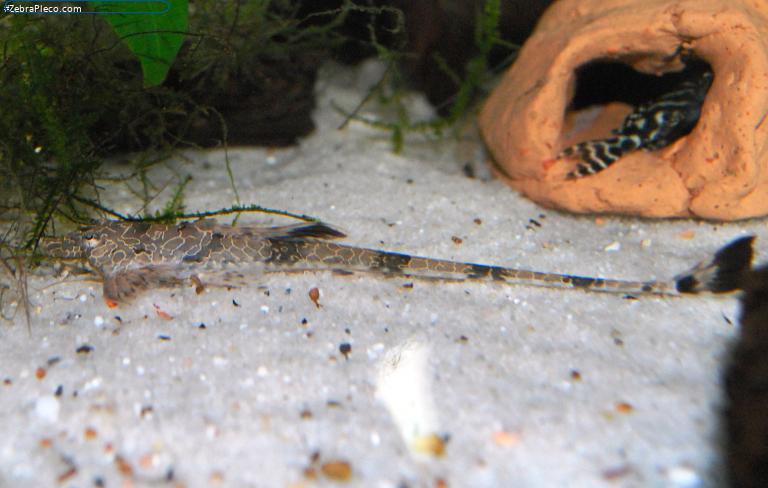
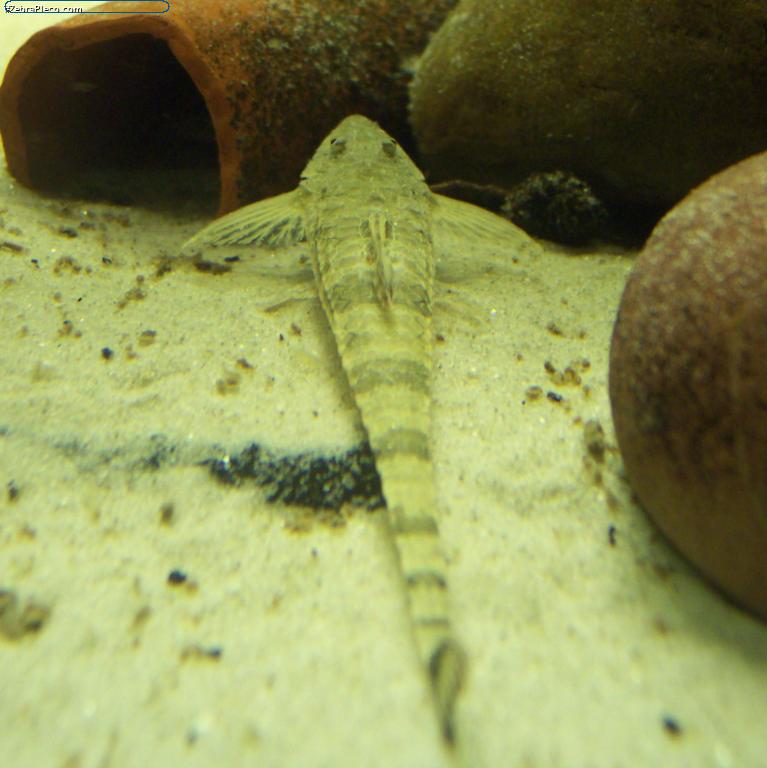
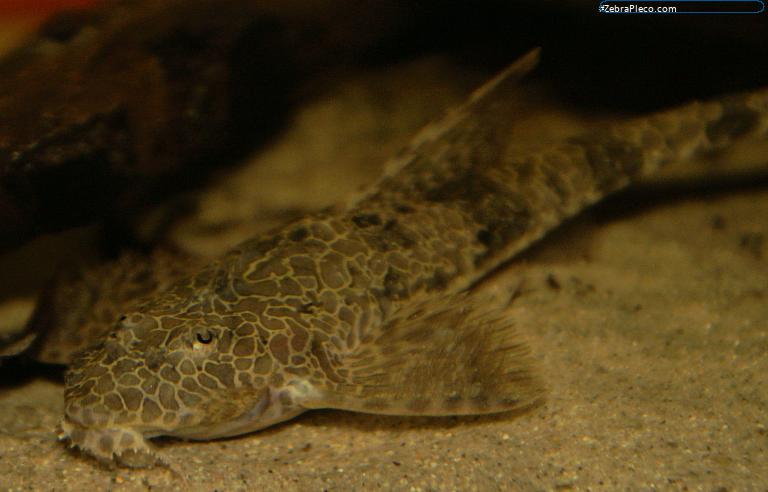
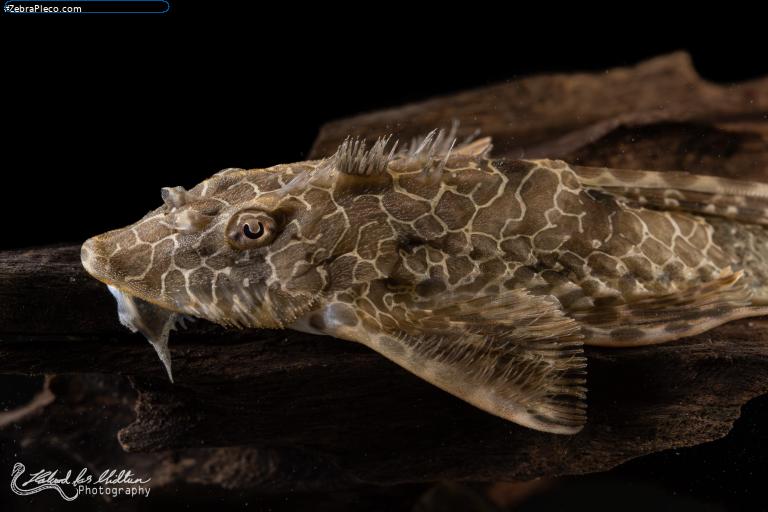
Rineloricaria teffeana (Steindachner, 1879)
Image Showcase
Photographs, diagnostic angles and morphological variants
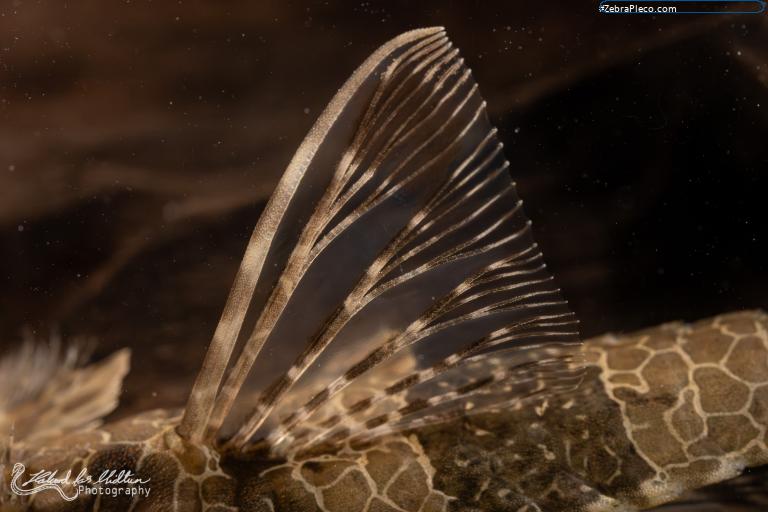
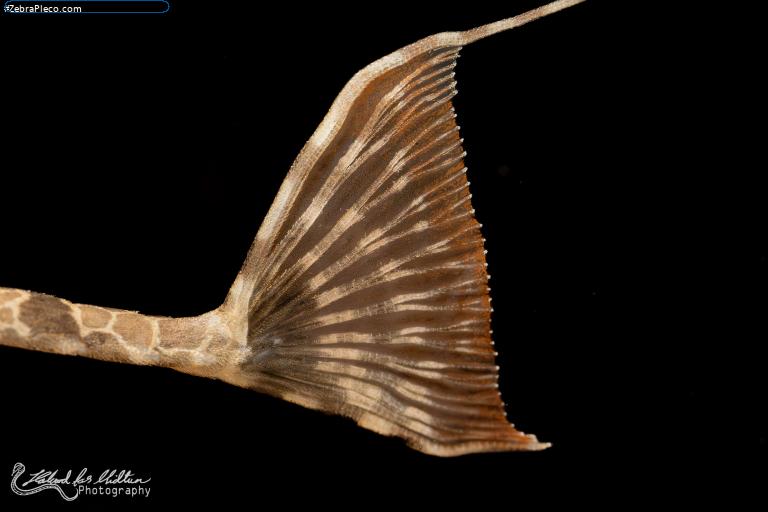
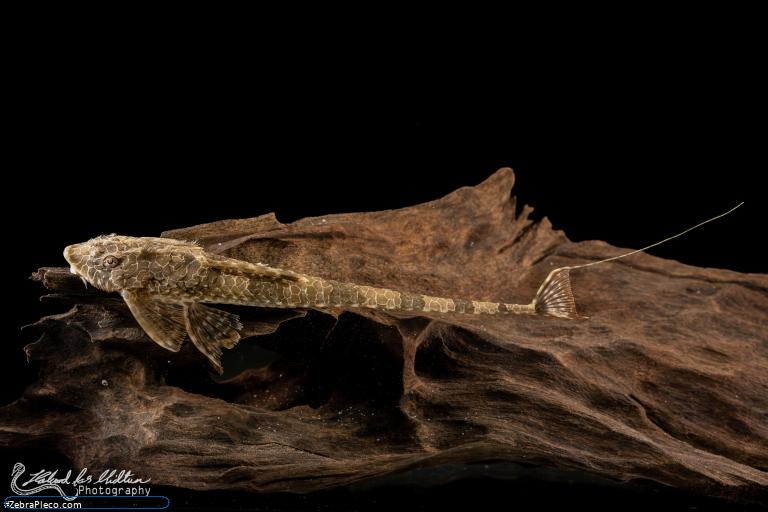
Community & Keeper Tally
Member interactions, breeding records and forum mentions
Aquarium Care & Husbandry
Dietary requirements, tank setup, compatibility and breeding
Feeding & Diet
Adaptable omnivores, these fish will eat most foods from cucumber or zucchini slices to frozen bloodworm or dry flake foods. [View Member Food Stats]
Aquarium Furniture & Decor
The fish should be provided with half-pipe type refuges which also often be used as spawning sites. Fine sand, tubes, diameter 3 - 4 cm, bamboo preferred.
Compatibility & Suggested Tankmates
Peaceful and not territorial.
Breeding Notes
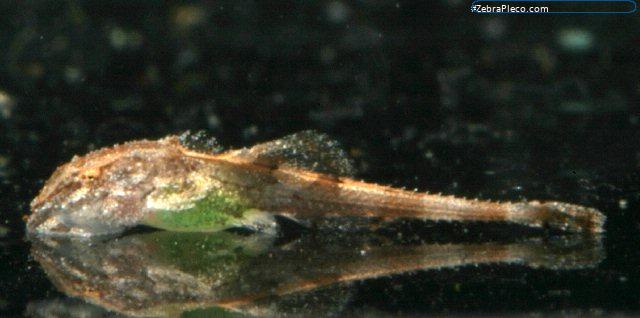
Optimal temperature 27° C and pH 6.0-6.5. If water is warmer or more acidic, almost all eggs die during 48 hours. Only one male per tank spawns with sometimes two or three females at the one time. He tends and hatches the green eggs (circa 100 per female) for six days. After hatching, yolk sac needs two days to be used up, then feed with artemia or cyclops. The fry grow fast - four centimetres in six weeks is no problem.
Habitat & Water Parameters
Natural distribution, biotope water conditions and temperature ranges
Geographic Distribution
South America: Amazon River basin.
Amazon, Middle Amazon (Solimoes), Madeira (click on these areas to find other species found there)
Amazon, Tefé (click on these areas to find other species found there)
Login to view the map.
Species Description & Identification
Morphology, diagnostic traits and sexual dimorphism
Identification
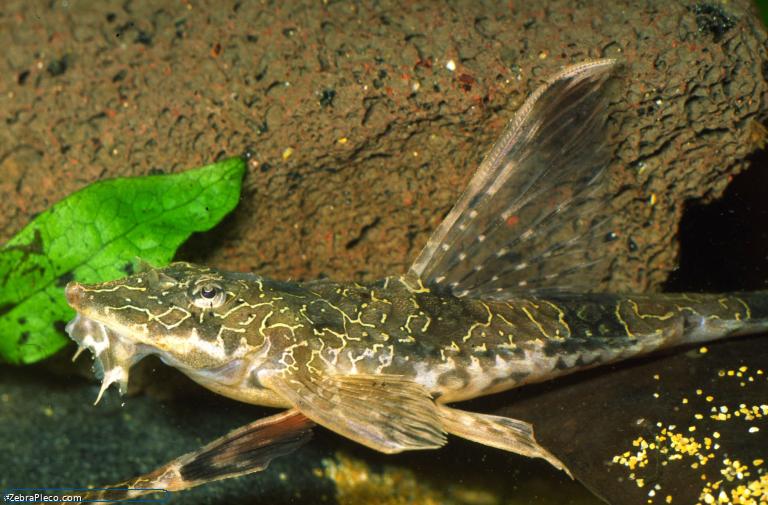
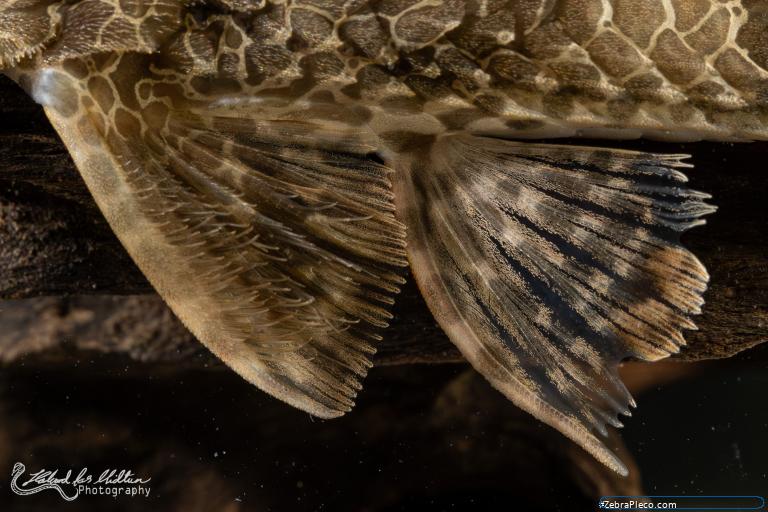
Often fish sold under this name are the black form of Loricaria simillima. Loriciaria even as young fish have feathered barblels and longer points on the pelvic fins. This misidentification is not due to the two fish looking similar but rather the perpetuation of the wrong identification in various sources. In Germany mostly misidentified as Hemiloricaria fallax!
Sexual Dimorphism (Sexing)
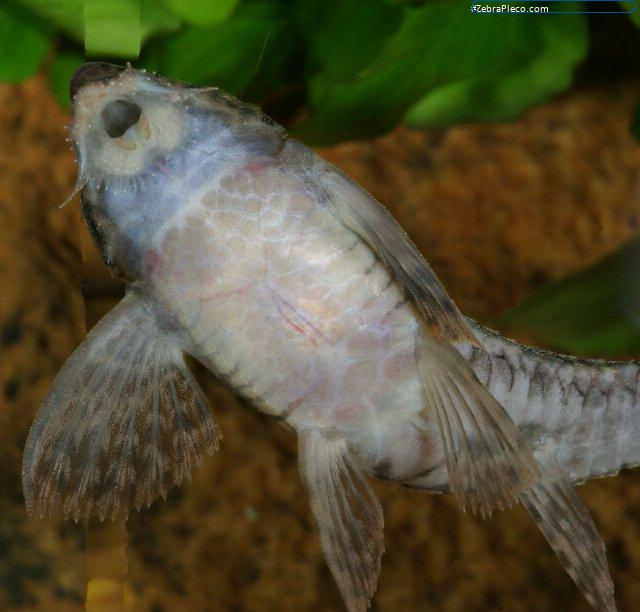
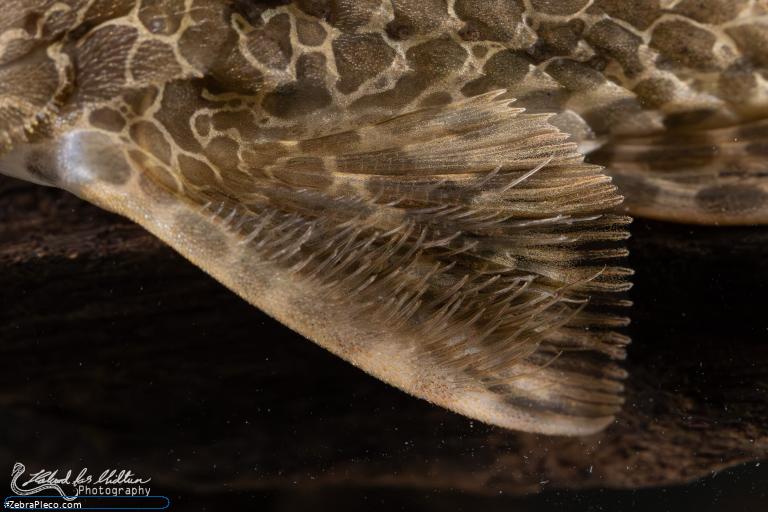
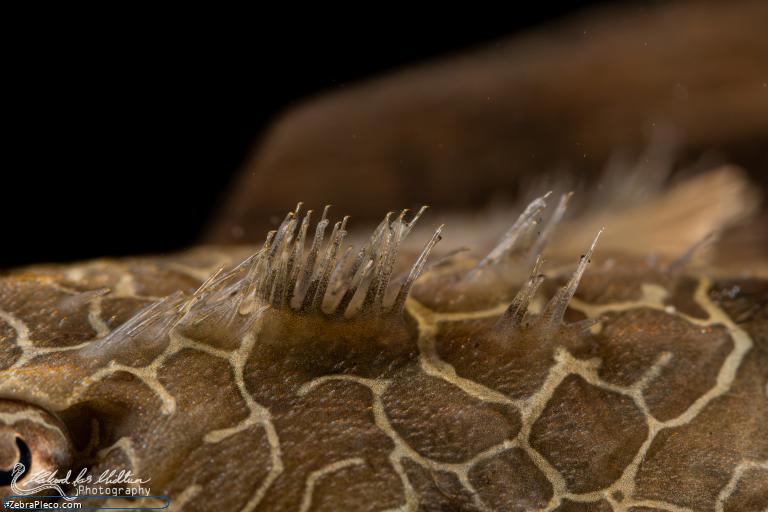
Males grow short spines in the top of their heads and pectoral fins. These odontodes (spines) on the head standi in 2 rows and only appear during the breeding season (December until May / June). Outside this time, you have to look a little closer. Males have wider heads and pectorals fin rays; the posterior margin of pectoral more concave;
Female with narrower head.
Taxonomy, Synonyms & Etymology
Classification history, linguistic derivations and variant forms
Synonyms
Hemiloricaria teffeana, Loricaria teffeana, Loricaria valenciennesii
Pronunciation
rhine lor ee kar ee ah. - TEF ee anna
Etymology
Greek, rhinos = nose + Latin, lorica, loricare = cuirass of corslet of leather. Named after Tefé, it's type locality.
Literature & Resources
Scientific publications, external links and citation tools
Literature & References
External Databases
Related Searches