PAGE_HEADER
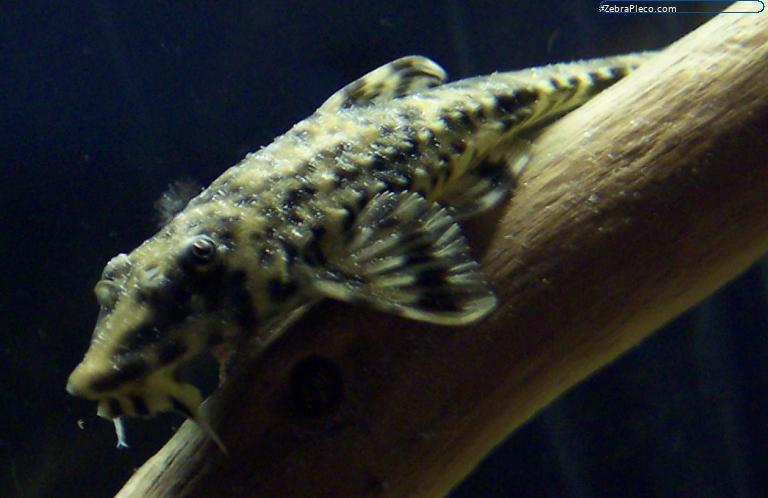
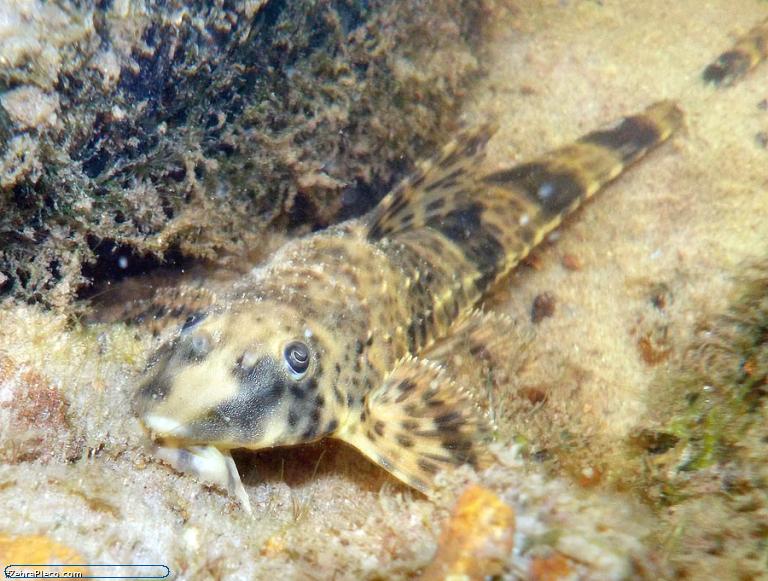
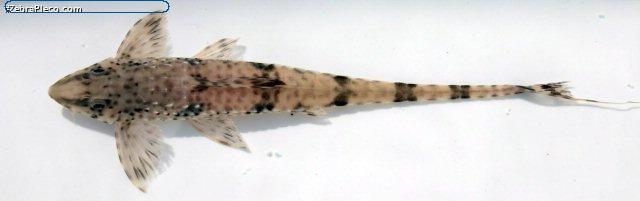
Rineloricaria platyura (Müller & Troschel, 1849)
Image Showcase
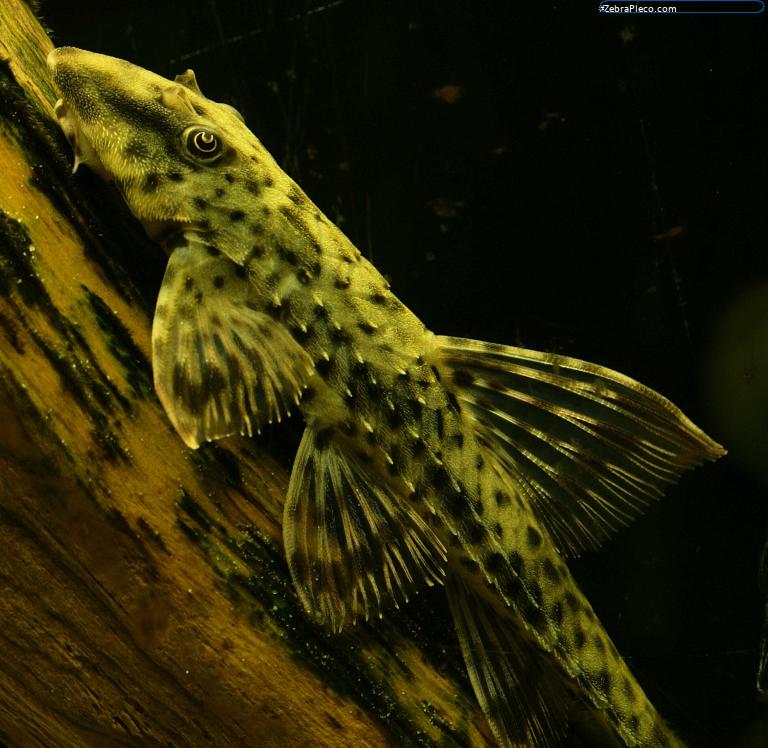
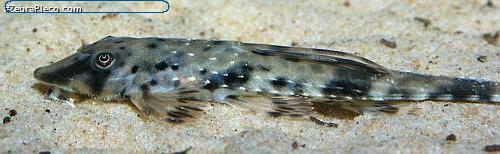
Photographs, diagnostic angles and morphological variants
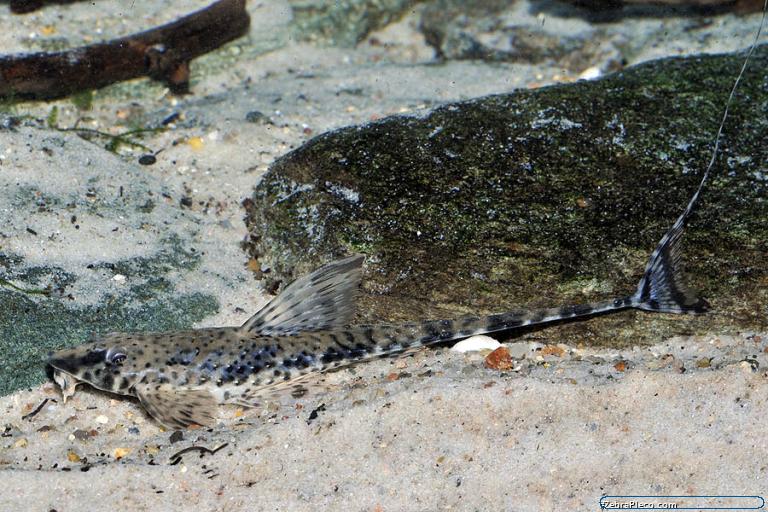
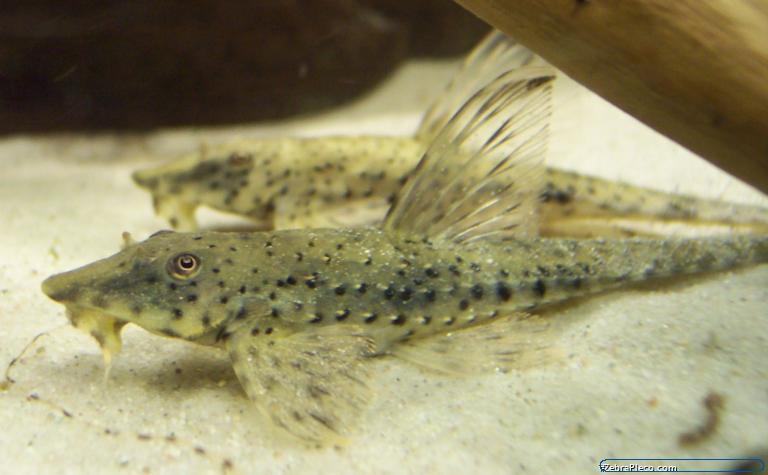
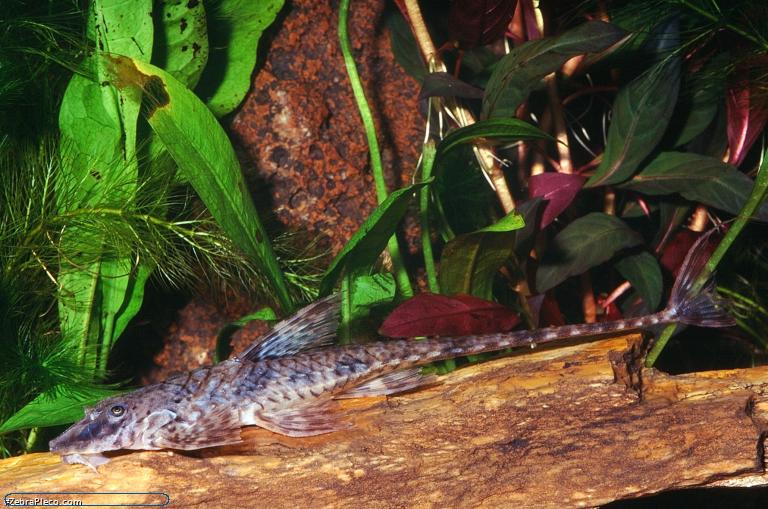
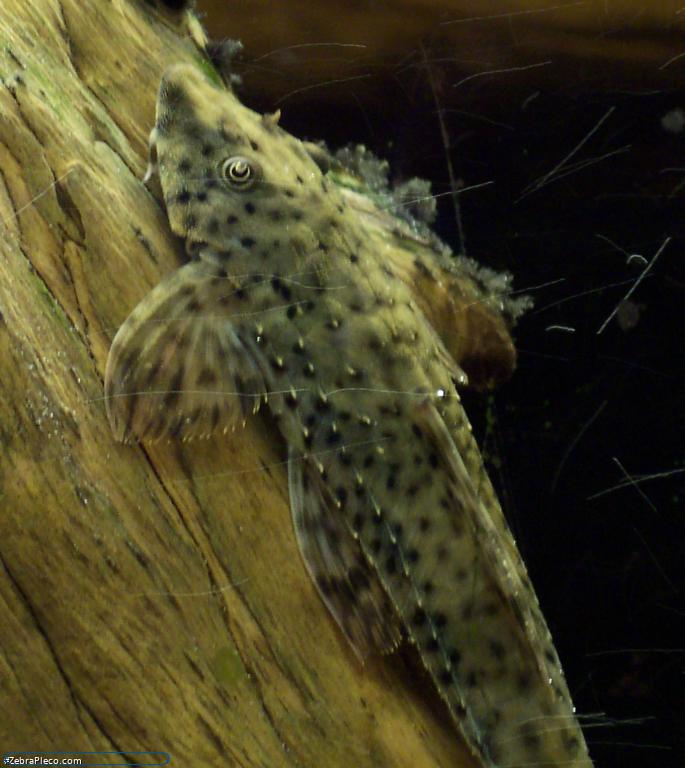
Community & Keeper Tally
Member interactions, breeding records and forum mentions
Aquarium Care & Husbandry
Dietary requirements, tank setup, compatibility and breeding
Feeding & Diet
Adaptable omnivores, these fish will eat most foods from cucumber or zucchini slices to frozen bloodworm or dry flake foods. [View Member Food Stats]
Aquarium Furniture & Decor
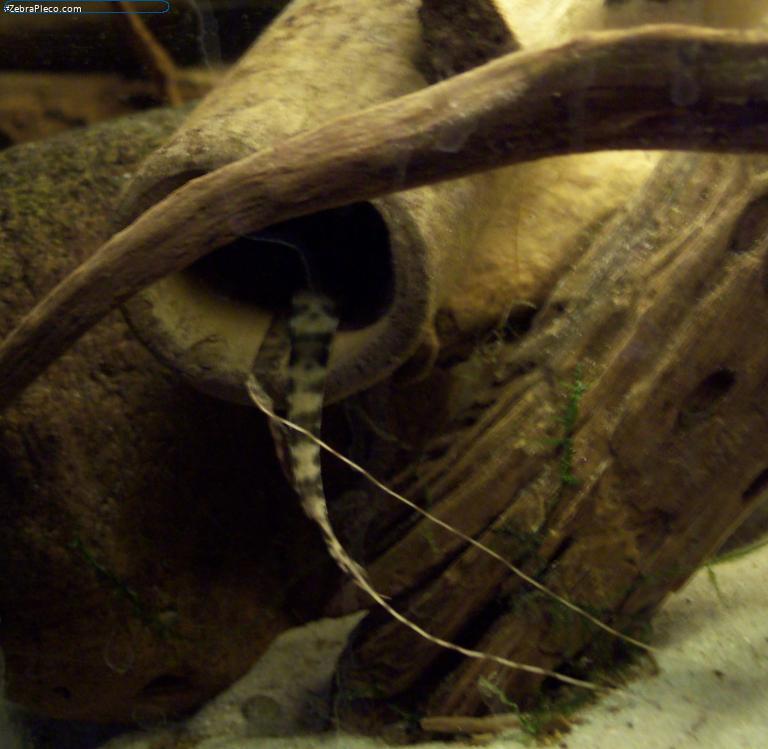
The fish should be provided with half-pipe type refuges which also often be used as spawning sites.
Compatibility & Suggested Tankmates
Peaceful and not territorial.
Breeding Notes
Like many Rineloricaria, this species spawns in open-ended tubes, although at least one report also confirmed spawning on glass (See COTM article).
Habitat & Water Parameters
Natural distribution, biotope water conditions and temperature ranges
Geographic Distribution
South America: various coastal rivers from near the Amazon mouth to the Essequibo River.
Amazon, Middle Amazon (Solimoes), Madeira, Canumã, Acari (click on these areas to find other species found there)
Guyana Waters, Coastal Rivers of Guyanas, French Guyana Coastal Rivers, Orapu, Comté (click on these areas to find other species found there)
Amazon, Lower Amazon (click on these areas to find other species found there)
Guyana Waters, Coastal Rivers of Guyanas, French Guyana Coastal Rivers, Mana (click on these areas to find other species found there)
Guyana Waters, Coastal Rivers of Guyanas, Essequibo, Rupununi (click on these areas to find other species found there)
Login to view the map.
Taxonomy, Synonyms & Etymology
Classification history, linguistic derivations and variant forms
Synonyms
Hemiloricaria platyura, Loricaria platyura, Loricaria submarginatus
Pronunciation
rhine lor ee kar ee ah.
Etymology
Greek, rhinos = nose + Latin, lorica, loricare = cuirass of corslet of leather.
Literature & Resources
Scientific publications, external links and citation tools
Description Reference
Reisen in Britisch-Guiana, pp 631.
External Databases
Related Searches