PAGE_HEADER
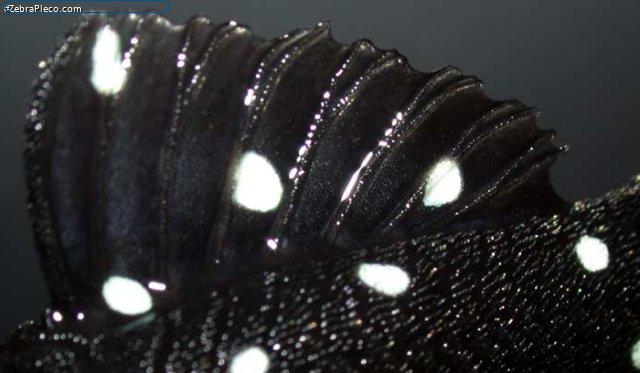
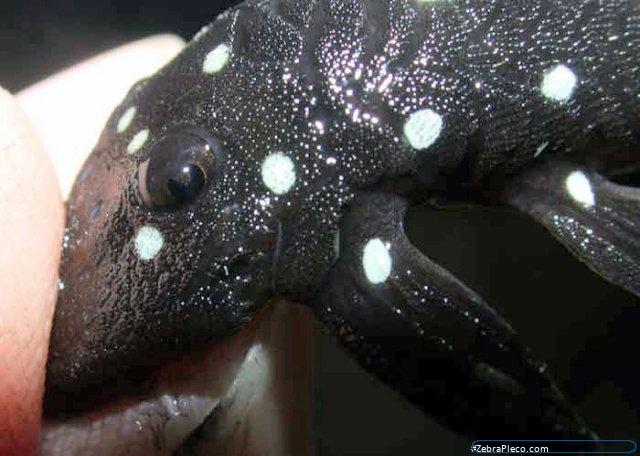
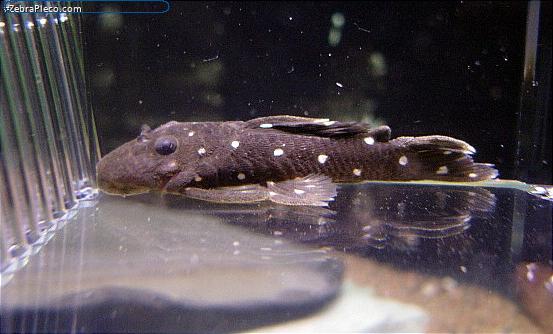
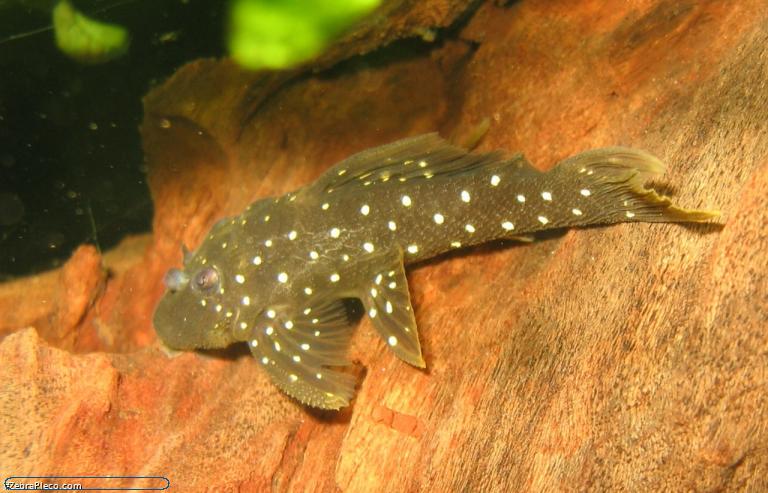
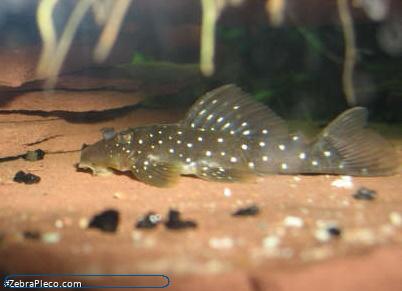
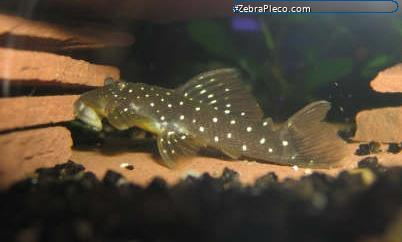
Spectracanthicus sp. (L254)
Image Showcase
Photographs, diagnostic angles and morphological variants
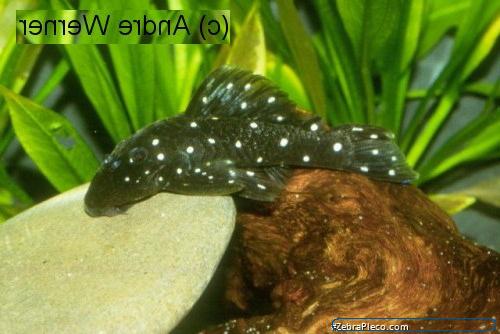
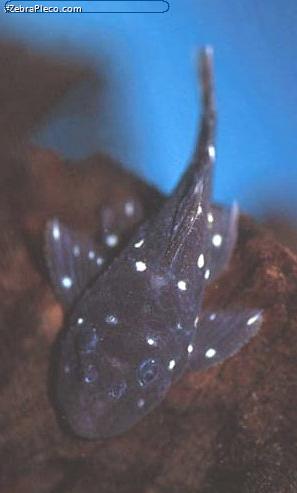
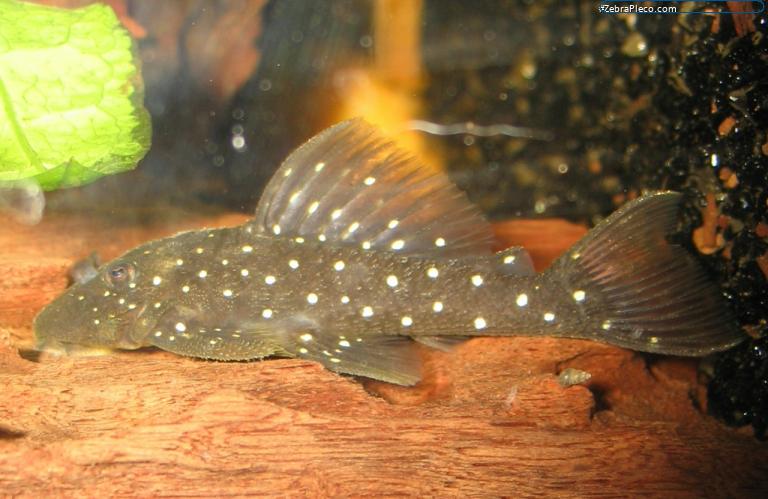
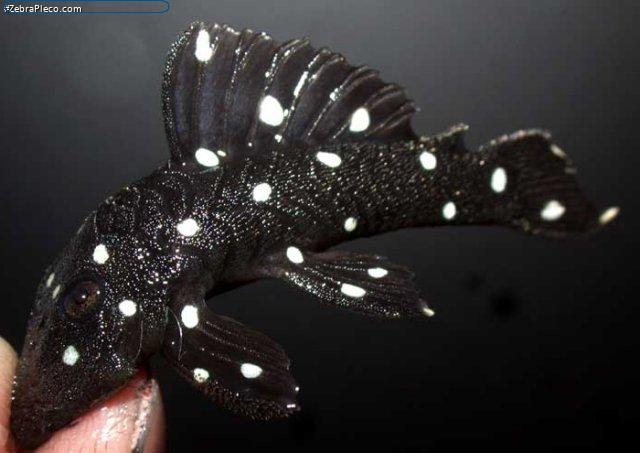
Community & Keeper Tally
Member interactions, breeding records and forum mentions
Aquarium Care & Husbandry
Dietary requirements, tank setup, compatibility and breeding
Feeding & Diet
A smaller carnivore, feed meaty or flake based tablets and pellets, frozen bloodworm or brineshrimp and chopped molluscs. [View Member Food Stats]
Aquarium Furniture & Decor
The Rio Xingú is full of rocks of many sizes with some fine sand between them. The secretive species should have plenty rocks to scuttle under, bogwood and plants are not required, the latter are however left entirely unmolested.
Compatibility & Suggested Tankmates
Territorial but not overly so, a good l-number for a general community tank of small to medium size but not a great choice for a group of l-numbers.
Tankmates: Does well with most fish
Breeding Notes
Unreported in the aquarium.
Habitat & Water Parameters
Natural distribution, biotope water conditions and temperature ranges
Geographic Distribution
Brazil, Rio Xingú (about 150 km south of Altamira).
Amazon, Lower Amazon, Xingu (click on these areas to find other species found there)
Login to view the map.
Species Description & Identification
Morphology, diagnostic traits and sexual dimorphism
Identification
Spectracanthicus can be separated from all other loricariids except some Baryancistrus, Parancistrus and an undescribed Hemiancistrus by the presence of the dorsal-fin membrane contacting the adipose-fin spine. It can be separated from Baryancistrus and the Hemiancistrus by having fewer teeth (less than 25 vs. greater than 25) and from Parancistrus by having restricted gill openings. A key to the genus can be found here.
Generally, the main difference between Oligancistrus and Spectracanthicus is the size and form of the dentition and the number of teeth in all sides of the jaws.
Spectracanthicus has considerably fewer teeth than Oligancistrus. Also the eye diameter is larger in Oligancistrus.
L254 is sometimes identified as being Oligancistrus punctatissimus - according to Steindachner's original description and drawing O. punctatissimus fits almost any Oligancistrus type with black body and white small spots, it's closest to L016 and L353.
Comparison of the Oligancistrus holotype and various species available in the aquarium trade, like L016, L020, L031, L086, L254, L315, L353,L354, L363, L373, Spectracanthicus murinus and a few other Oligancistrus species without L-Numbers from Rio Xingu / Iriri and the Rio Jari found none that matched O. punctatissimus.
So Steindachner's description is more or less useless without the holotype. Direct comparisons with that holotype suggest O. punctatissimus species has almost certainly never been exported and is only known from the holotype. It certainly isn't L254.
Sexual Dimorphism (Sexing)
Males get noticably heavier set, grow long cheek odontodes and have an overall more bristling appearance.
Taxonomy, Synonyms & Etymology
Classification history, linguistic derivations and variant forms
Etymology
Genus: Latin, spectrum = look, apparition + Greek, akantha = thorn.
Literature & Resources
Scientific publications, external links and citation tools
Description Reference
Introduced in DATZ 1/1998, pp 6-7.
Related Searches