PAGE_HEADER
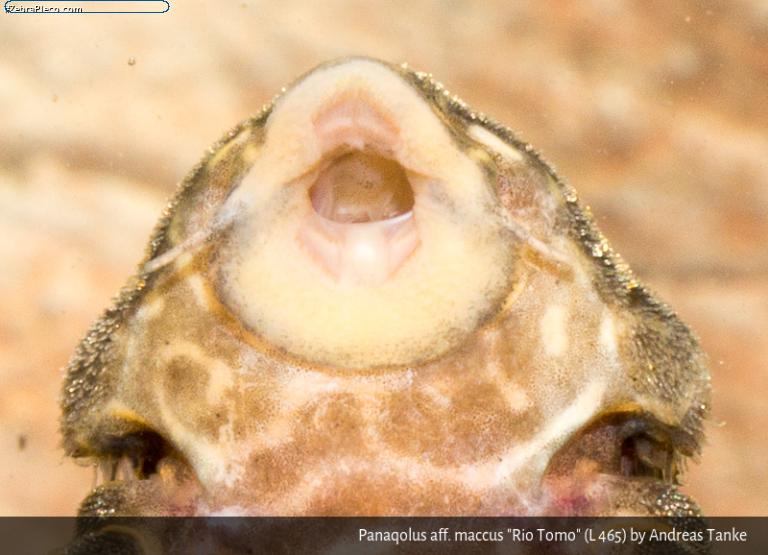
Panaqolus sp. (L465)
Image Showcase
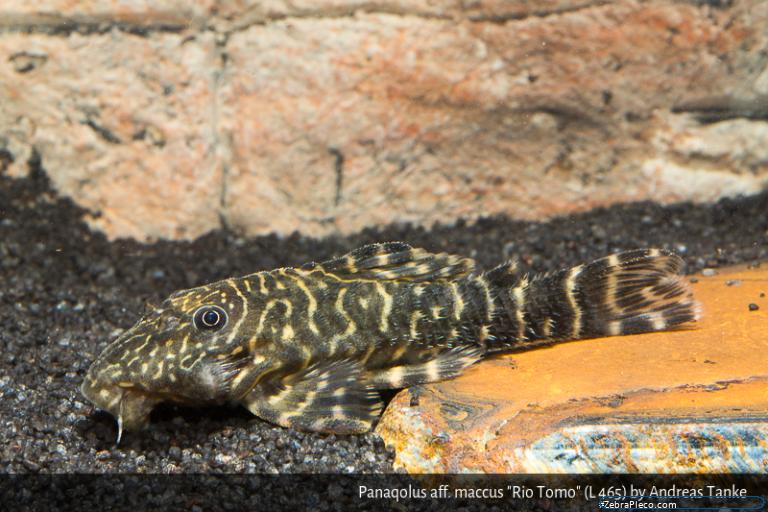
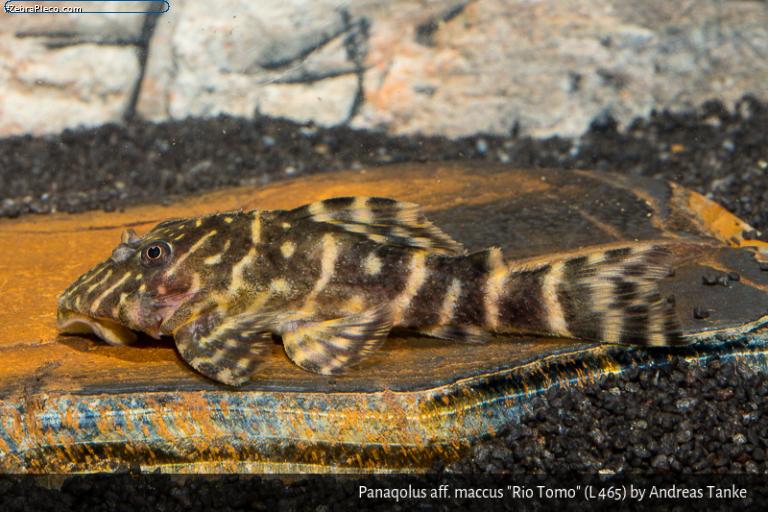
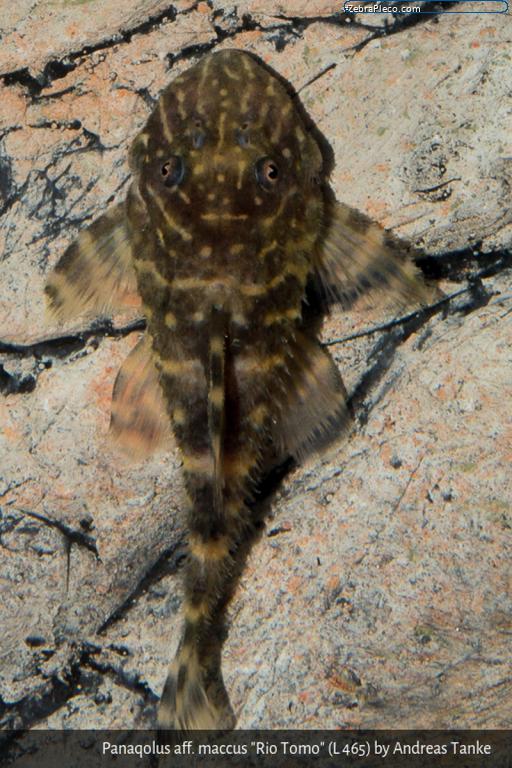
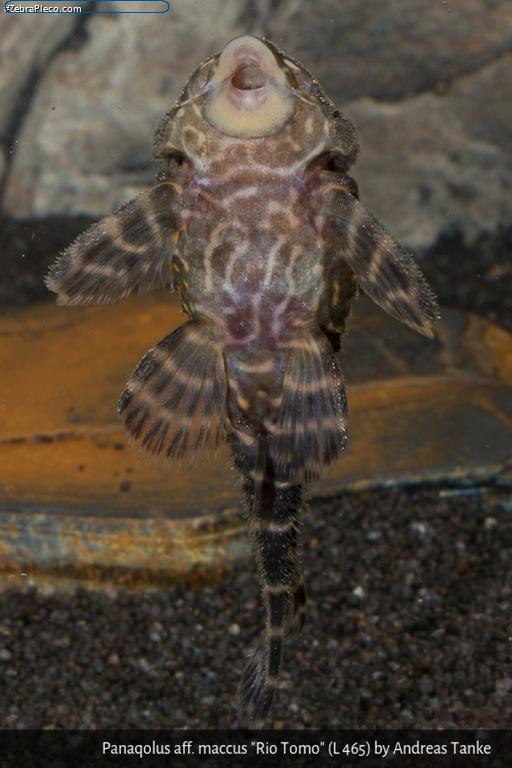
Photographs, diagnostic angles and morphological variants
Community & Keeper Tally
Member interactions, breeding records and forum mentions
Aquarium Care & Husbandry
Dietary requirements, tank setup, compatibility and breeding
Feeding & Diet
Omnivorous with a tendency towards meaty foods. Not an effective algae eater. Well fed individuals will not damage most plants. [View Member Food Stats]
Aquarium Furniture & Decor
Rock piles and wood tangles. Plants are not vital.
Compatibility & Suggested Tankmates
Peaceful if a little territorial. As a rough guide give each fish a 12 inch square area well broken up with decorations.
Tankmates: Works well with most types of peaceful community fish. Can be somewhat territorial towards conspecifics, but given enough hiding spaces, a group can be kept in a suitable size aquarium - roughly requiring a 30 x 30cm area per fish.
Breeding Notes
Cave spawner.
Habitat & Water Parameters
Natural distribution, biotope water conditions and temperature ranges
Geographic Distribution
Trib of Rio Para
Orinoco, Middle Orinoco, Tomo (click on these areas to find other species found there)
Login to view the map.
Species Description & Identification
Morphology, diagnostic traits and sexual dimorphism
Sexual Dimorphism (Sexing)
Males develop small teeth-like odontodes which adorn the leading pectoral fin rays and the back half of the fishes body. Females remain unadorned and have a wider girth across the body most evident when the area just behind the pectoral fins is viewed from above.
Taxonomy, Synonyms & Etymology
Classification history, linguistic derivations and variant forms
Pronunciation
pan ack oh luss
Etymology
Panaqolus: Inelegantly derived from the indigenous term Panaque and in a form that infers a smaller size than that genus.
Literature & Resources
Scientific publications, external links and citation tools
Related Searches