PAGE_HEADER
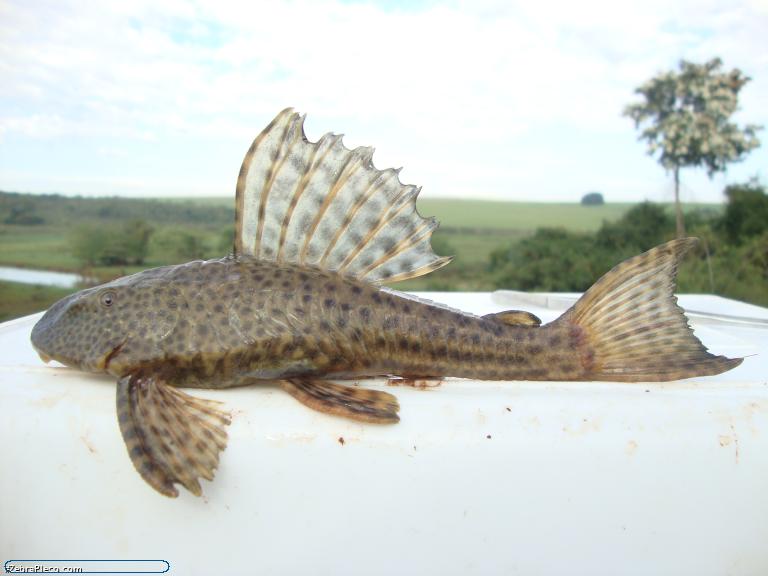
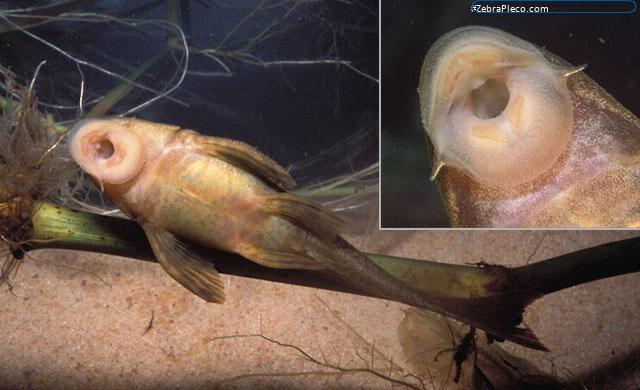
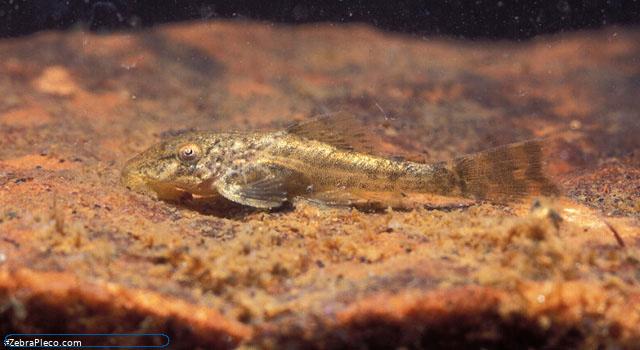
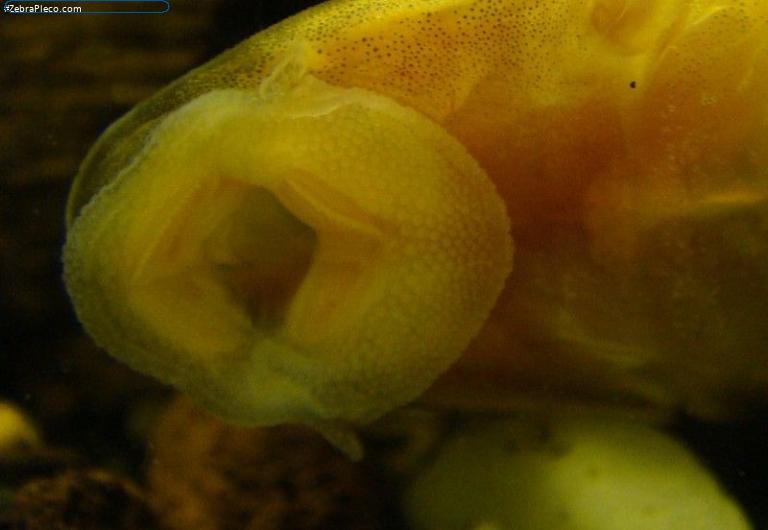
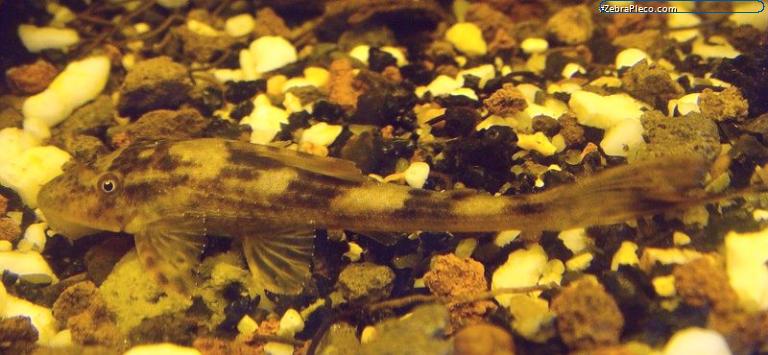
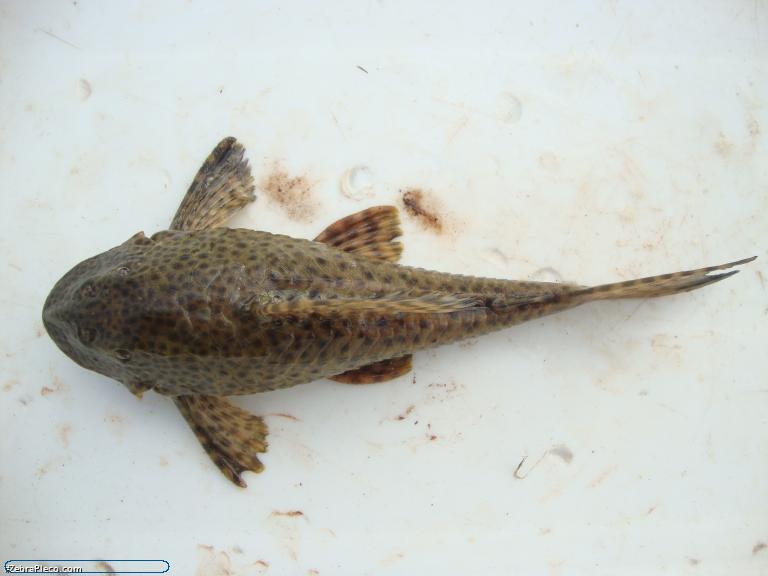
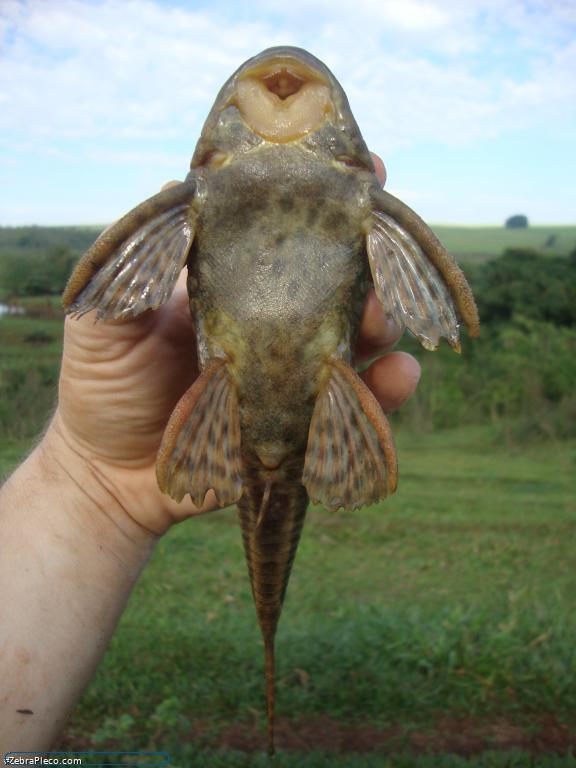
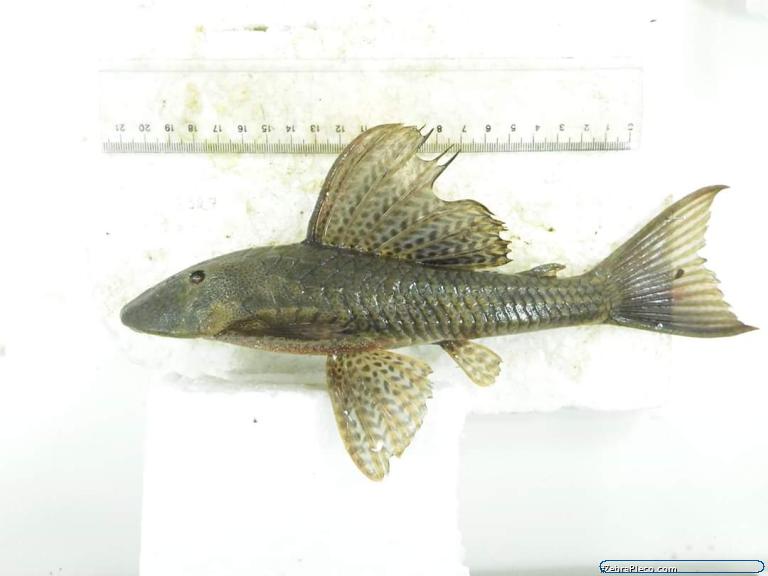
Hypostomus ancistroides (Ihering, 1911)
Image Showcase
Photographs, diagnostic angles and morphological variants
Community & Keeper Tally
Member interactions, breeding records and forum mentions
Aquarium Care & Husbandry
Dietary requirements, tank setup, compatibility and breeding
Breeding Notes
Unreported in the aquarium.
Habitat & Water Parameters
Natural distribution, biotope water conditions and temperature ranges
Geographic Distribution
South America: Tietê River basin.
La Plata, Paraná, Upper Paraná, Tietê, Piracicaba (São Paulo) (click on these areas to find other species found there)
La Plata, Paraná, Upper Paraná, Tietê (click on these areas to find other species found there)
La Plata, Paraná, Paranapanema, Upper Paranapanema (click on these areas to find other species found there)
La Plata, Paraná, Paranapanema, Tibagi, Pitangui, Verde (Pitangui) (click on these areas to find other species found there)
Sao Paulo State Rivers, Ribeira de Iguape, Betari Imported (click on these areas to find other species found there)
La Plata, Paraná, Iguatemi Imported (click on these areas to find other species found there)
La Plata, Paraná, Paranapanema Imported (click on these areas to find other species found there)
La Plata, Paraná, Upper Paraná, Tietê Imported (click on these areas to find other species found there)
Login to view the map.
Taxonomy, Synonyms & Etymology
Classification history, linguistic derivations and variant forms
Synonyms
Plecostomus ancistroides
Pronunciation
hi POSS tow muss
Etymology
Greek, hypo = under + Greek, stoma = mouth. This specific epithet refers to its Ancistrus-like (ancistroides=Ancistrus-like) appearance.
Literature & Resources
Scientific publications, external links and citation tools
Description Reference
Revista do Museo Paulista, São Paulo v. 8 (1910), pp 396.
External Databases
Related Searches