PAGE_HEADER
Hemidoras stenopeltis (Kner, 1855)
Image Showcase
Photographs, diagnostic angles and morphological variants
Community & Keeper Tally
Member interactions, breeding records and forum mentions
Aquarium Care & Husbandry
Dietary requirements, tank setup, compatibility and breeding
Feeding & Diet
Until acclimatised, the fish appears quite selective and like small foods. Crushed flake or sinking flake-based tablets best for smaller individuals although brineshrimp is taken by species around the 2'' mark. Larger, more settled fish are easier to feed and become very active during feeding. [View Member Food Stats]
Aquarium Furniture & Decor
Dense vegetation empowers this fish with a much needed sense of confidence in its surroundings. Caves or dark refuges appear less important.
Compatibility & Suggested Tankmates
Not aggressive and, as with all Doradids, sociable with its own species. Smaller fish appear to have an innate fear of larger fish and becomes very shy in their presence.
Tankmates: Shoaling tetras and Brochis are ideal. Dwarf cichlids and smaller labyrinth fish (Gouramis etc) are also suitably gentile. Larger, acclimatised fish will do well in a medium to large community set-up. At any size, best kept in shoals to ensure greater boldness and health.
Breeding Notes
No member of this genus has been bred in the aquarium.
Habitat & Water Parameters
Natural distribution, biotope water conditions and temperature ranges
Geographic Distribution
South America: Amazon River basin.
Amazon (click on these areas to find other species found there)
Login to view the map.
Species Description & Identification
Morphology, diagnostic traits and sexual dimorphism
Identification
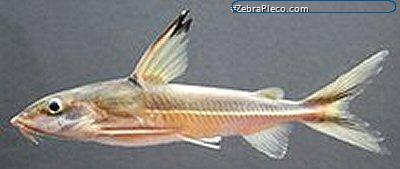
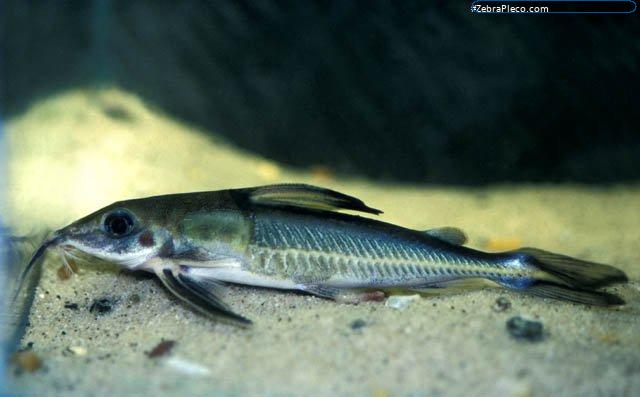
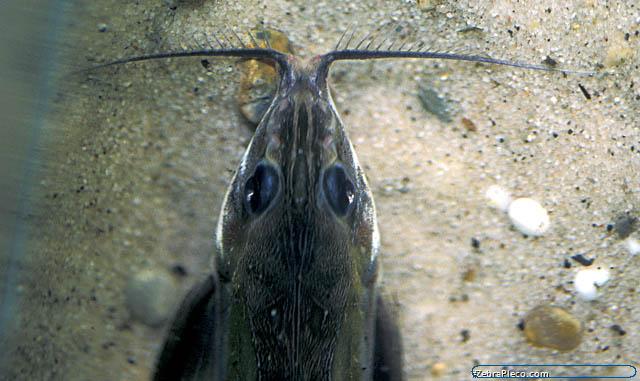
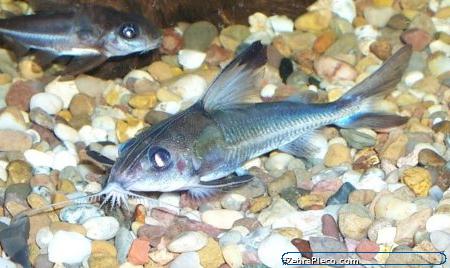
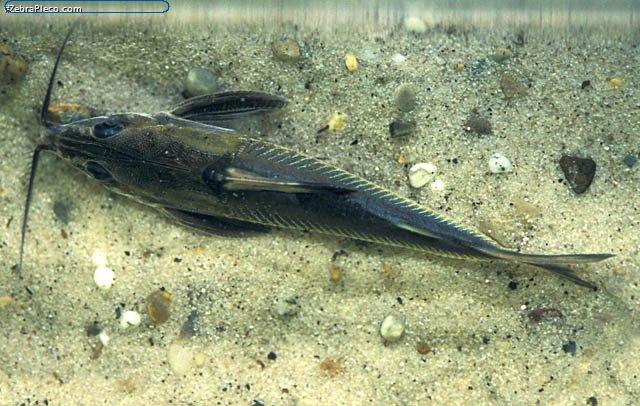
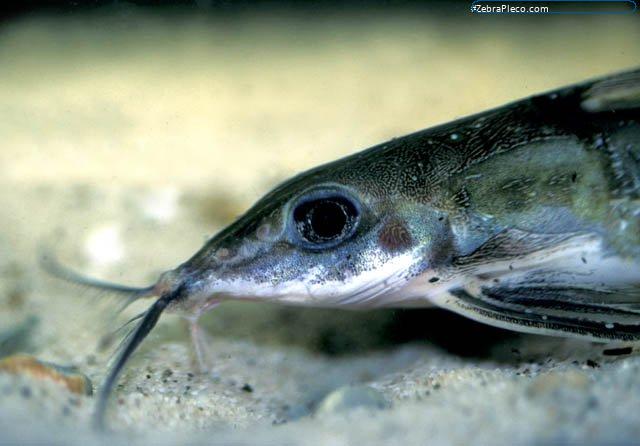
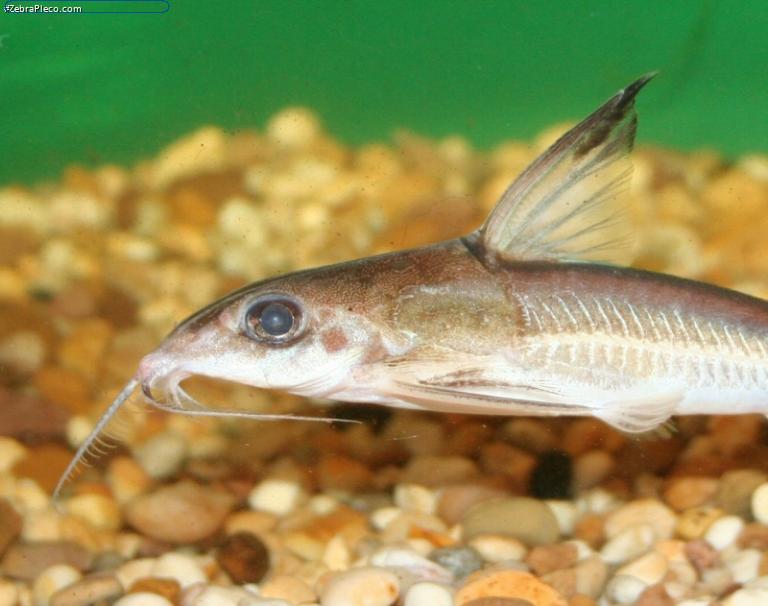
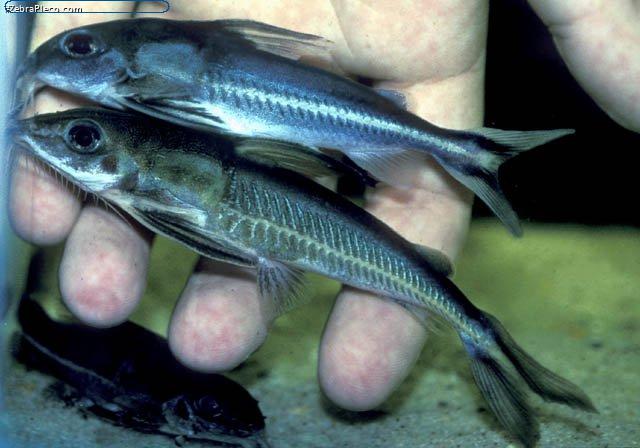
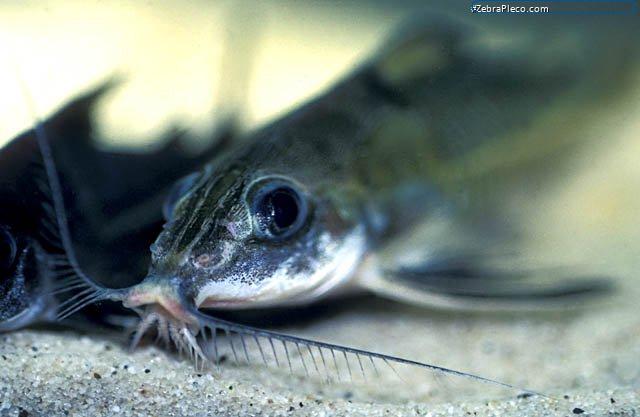
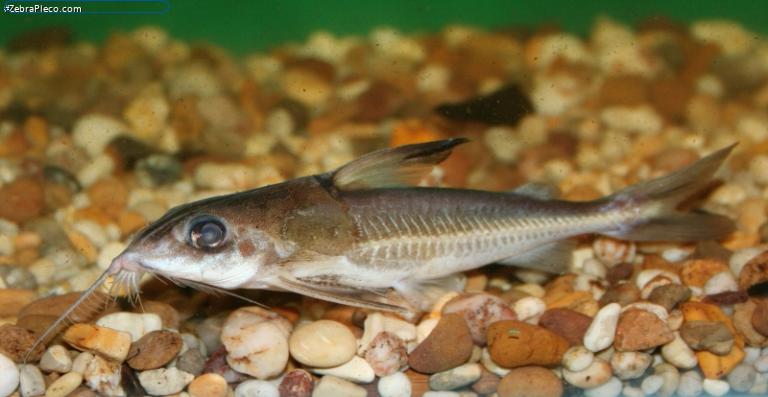
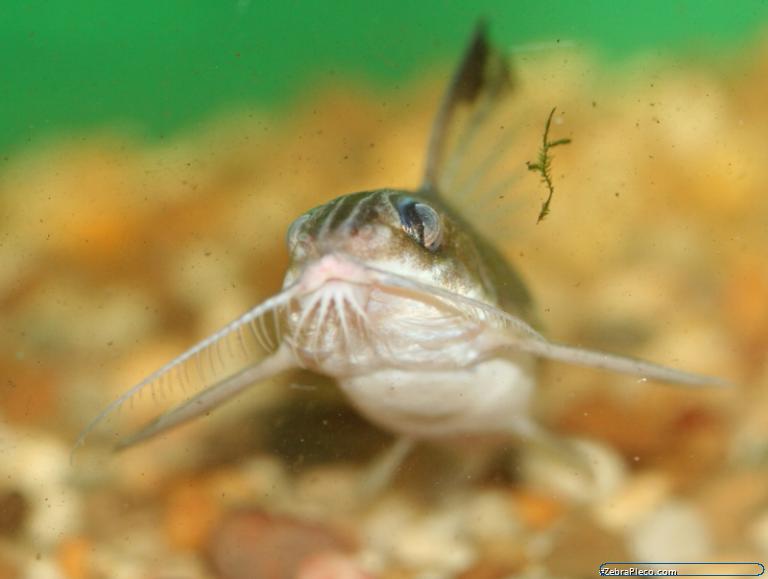
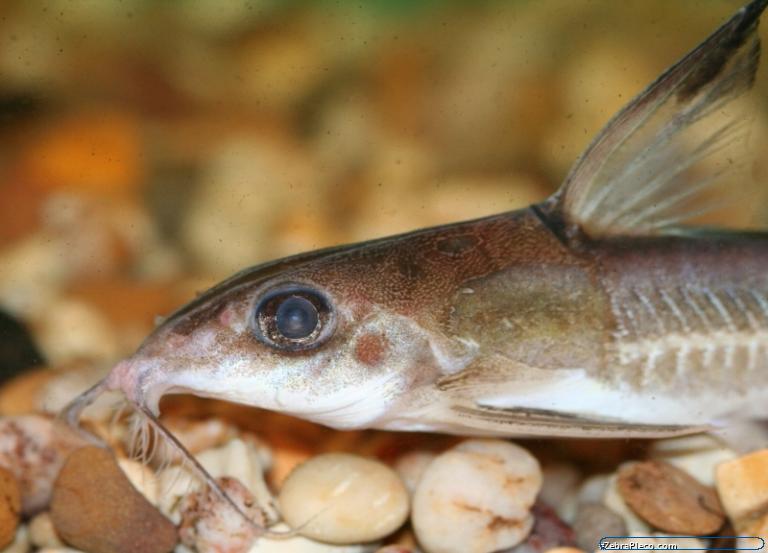
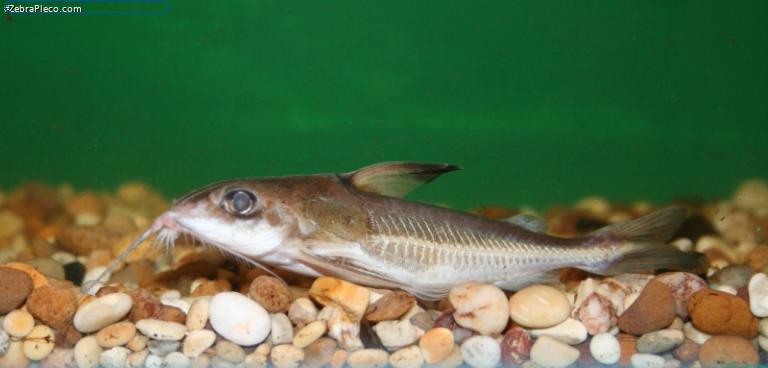
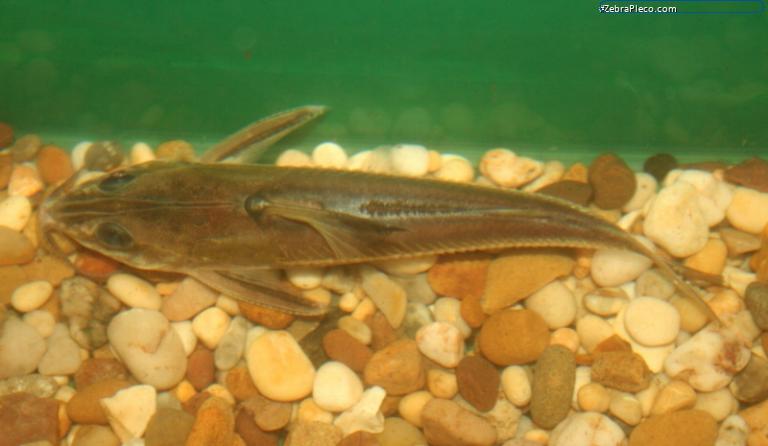
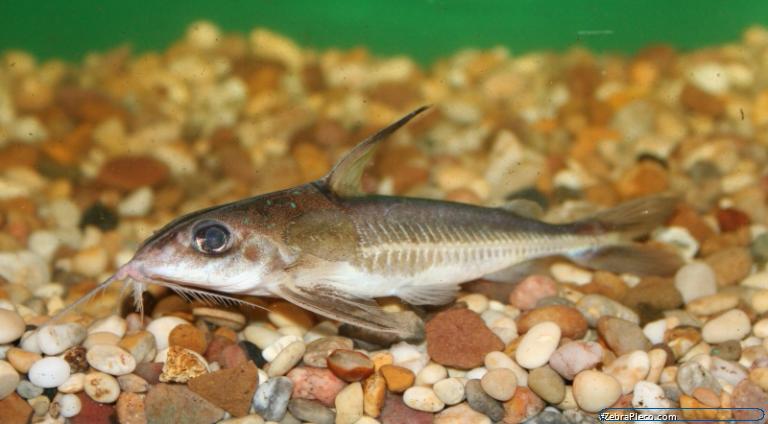
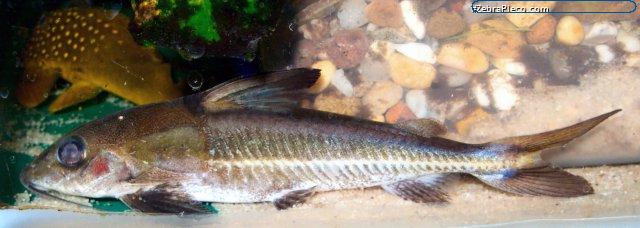
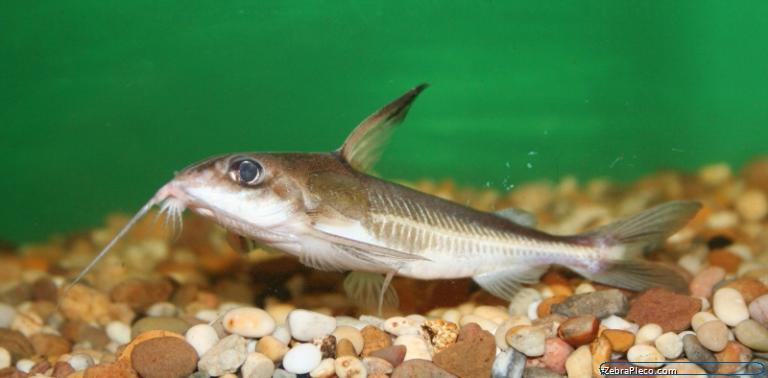
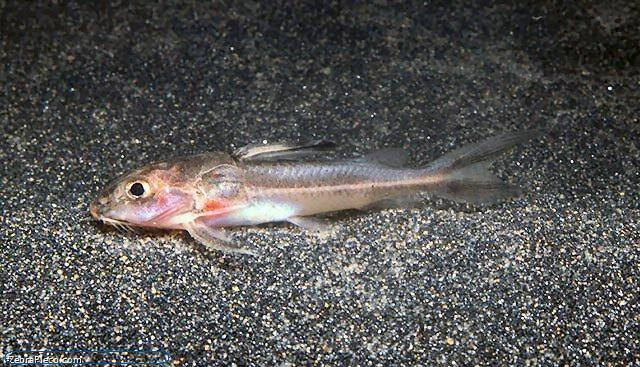
The black top mouse catfish is very similar to another mouse catfish, Nemadoras leporhinus, the main visual difference being the latter's clear dorsal fin with a black marking at its base. Aside from that N. leporhinus has longer leading fin rays. Key characters are deep plates, pointed humeral process (vs. rounded in Leptodoras), short pointed snout, plates along back (also along ventral midline before anal fin) and tip of dorsal fin dipped in black.
Sexual Dimorphism (Sexing)
Adult males have what seems to be an enlarged dorsal spine. This is however a filament (as for instance can be seen in Synodontis decora). Females lack this feature.
Taxonomy, Synonyms & Etymology
Classification history, linguistic derivations and variant forms
Synonyms
Doras stenopeltis
Etymology
Hemidoras: From the Greek hemi, meaning half, and doras, meaning skin (also a word commonly used in forming generic names for doradids); in reference to the similarity to Doras (another doradid genus).
Literature & Resources
Scientific publications, external links and citation tools
Description Reference
Sitzungsberichte der Kaiserlichen Akademie der Wissenschaften. Mathematisch-Naturwissenschaftliche Classe v. 17, pp 142 [53], Pl. 4 (fig. 7).
External Databases
Related Searches