PAGE_HEADER
Ceratoglanis scleronema (Bleeker, 1863)
Image Showcase
Photographs, diagnostic angles and morphological variants
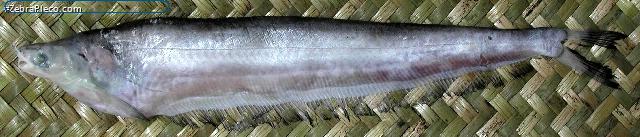
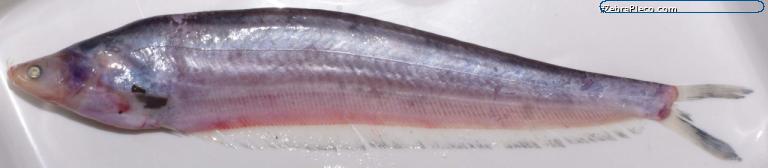
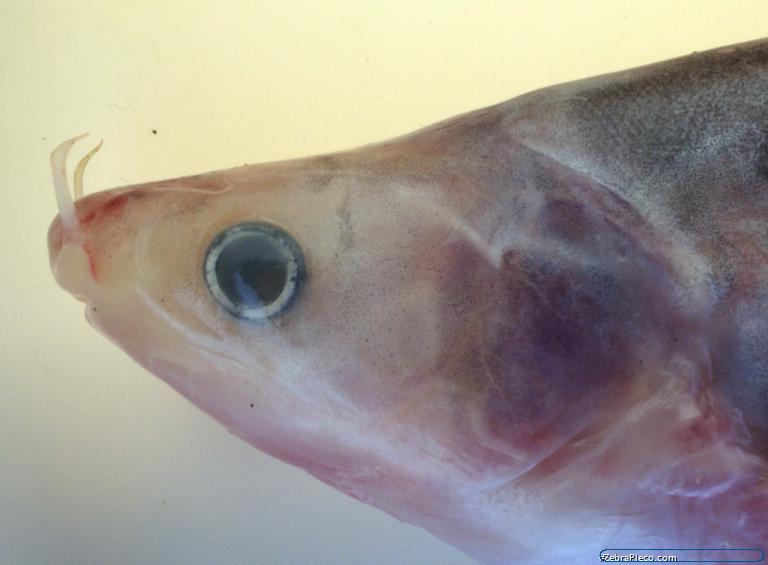
Community & Keeper Tally
Member interactions, breeding records and forum mentions
Aquarium Care & Husbandry
Dietary requirements, tank setup, compatibility and breeding
Compatibility & Suggested Tankmates
Tankmates: This is a very uncommonly seen species, there is little data on keeping them for any length of time.
Breeding Notes
Unreported in the aquarium.
Habitat & Water Parameters
Natural distribution, biotope water conditions and temperature ranges
Geographic Distribution
Asia: Citarum drainage in Java, the Batang Hari and Siak drainages in Sumatra, the Pahang drainage in Peninsular Malaysia and the Baram, Barito, Kapuas, and Rejang drainages in Borneo. Reported from the Mekong basin in Thailand.
Pacific, Greater Sunda Island Rivers, Borneo Waters, Baram (click on these areas to find other species found there)
Pacific, Greater Sunda Island Rivers, Borneo Waters, Barito (click on these areas to find other species found there)
Pacific, Greater Sunda Island Rivers, Sumatra Waters, Batang Hari (click on these areas to find other species found there)
Indonesian Waters, Citarum (click on these areas to find other species found there)
Pacific, Greater Sunda Island Rivers, Borneo Waters, Western Borneo Waters, Kapuas (click on these areas to find other species found there)
Mekong (click on these areas to find other species found there)
Pacific, Malaysia Waters, Peninsular Malaysia Waters, Pahang (click on these areas to find other species found there)
Pacific, Greater Sunda Island Rivers, Borneo Waters, Rajang (click on these areas to find other species found there)
Pacific, Greater Sunda Island Rivers, Sumatra Waters, Siak (click on these areas to find other species found there)
Login to view the map.
Species Description & Identification
Morphology, diagnostic traits and sexual dimorphism
Identification
Differ from the only other congener, C. pachynema, in having more fin-rays, smaller eye, and mature males with membranous extensions only on the front edge of the maxillary barbel.
Sexual Dimorphism (Sexing)
Males have membranous extensions to the maxillary barbels and prominent serrations on the posterior edge of the pectoral spine, which females lack.
General Remarks
This species is hard to maintain in the home aquarium. It requires vast amounts of swimming room, and experience in the field indicates that it is extremely sensitive to shock, dying very quickly after capture.
Taxonomy, Synonyms & Etymology
Classification history, linguistic derivations and variant forms
Synonyms
Hemisilurus scleronema
Etymology
From the Greek keratos, meaning horn and glanis, meaning catfish. The specific name comes from the Greek skleros, meaning hard and nema, meaning thread. Both names refer to the stiff, hooked maxillary barbels characteristic of this genus.
Literature & Resources
Scientific publications, external links and citation tools
Description Reference
Atlas ichthyologique des Indes Orientales Néêrlandaises, pp 93, Pl. 101 (Silur. Pl. 53).
External Databases
Related Searches