
PAGE_HEADER
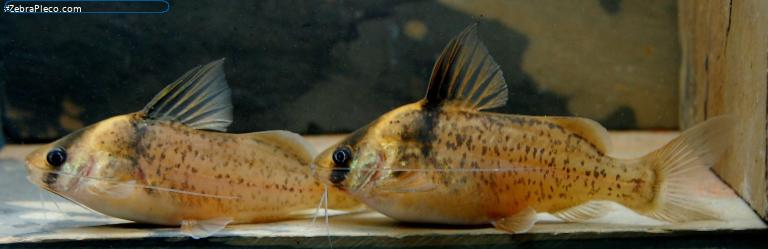
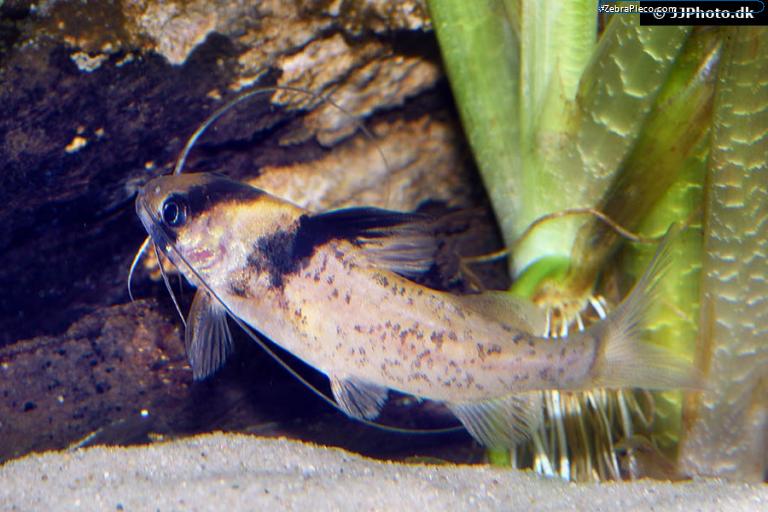
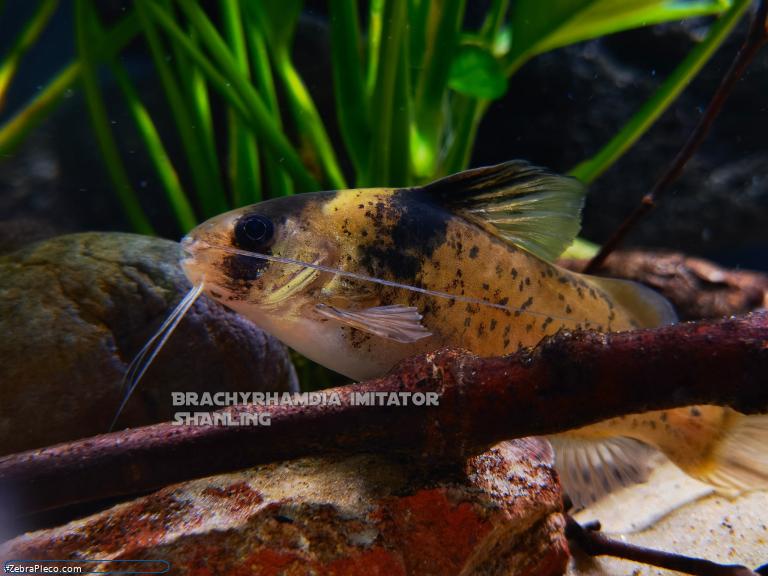
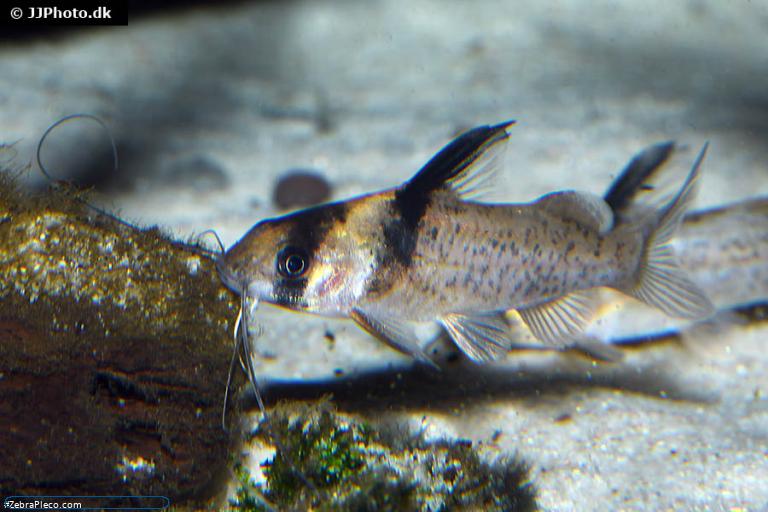
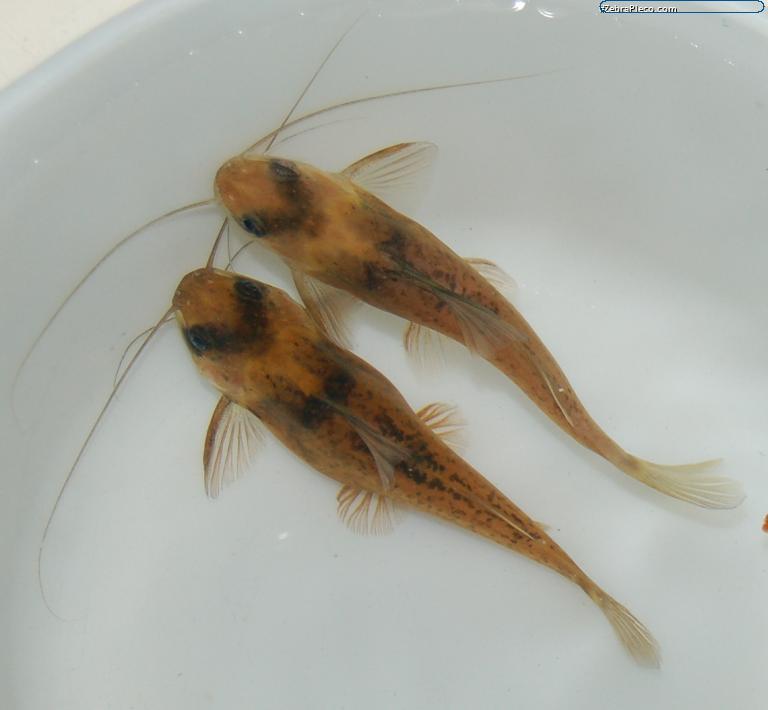
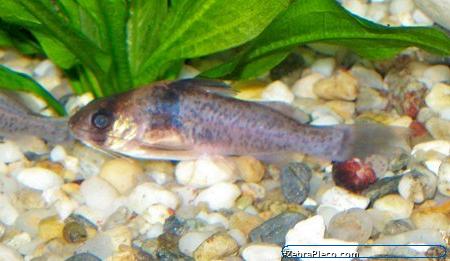
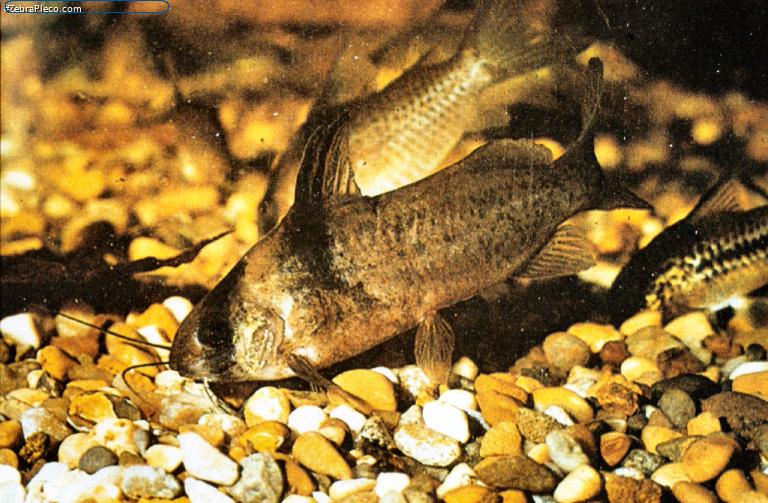
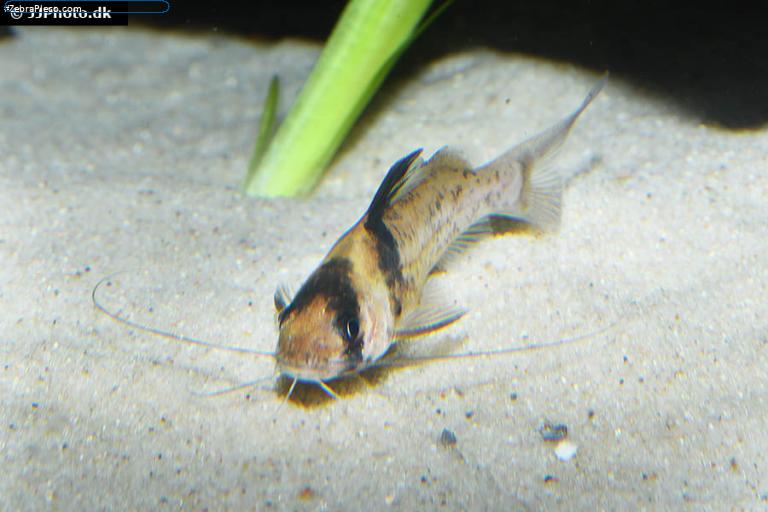
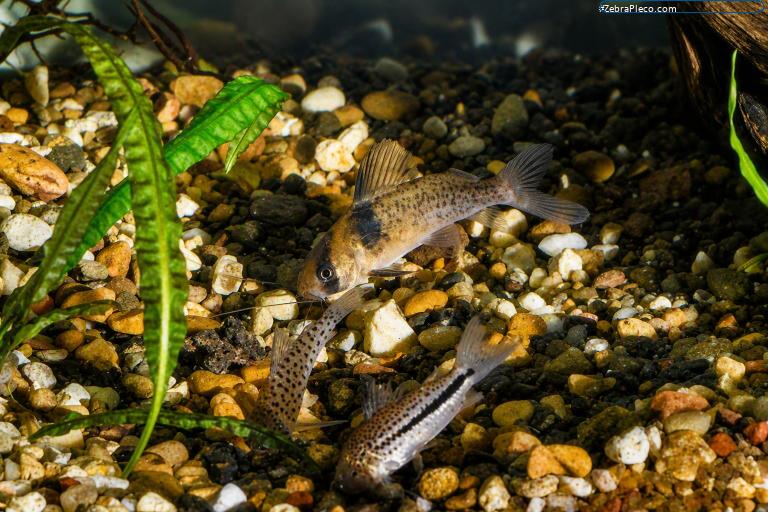
Brachyrhamdia imitator Myers, 1927
Image Showcase
Photographs, diagnostic angles and morphological variants
Community & Keeper Tally
Member interactions, breeding records and forum mentions
Aquarium Care & Husbandry
Dietary requirements, tank setup, compatibility and breeding
Feeding & Diet
Will eat most foods to the point of bursting. Care must be taken not too overfeed especially with foods that expand once inside the fish. Live foods are relished but best used for acclimatising or conditioning individuals. [View Member Food Stats]
Aquarium Furniture & Decor
An open expanse of gravel for this fish to interact with its conspecifics or Corydoras is necessary to see it at its best. Floating plants will diffuse overhead light and thus allow the fish a greater sense of security when out in the open. The swimming area should be bordered with suitable sized hiding places structured to allow this fast swimming fish both quick entry and exit.
Compatibility & Suggested Tankmates
A peaceful fish both with its own species and with Corydoras. The only drawback is that it will eat small tetras and young fish. Fish larger than 1'' are too large to eat and will not otherwise be molested.
Tankmates: Most small to medium sized community fish are ideal. Tetras, Rasboras and Rainbowfish would all do well. The mimic nature of this fish suggests that you should keep similarly marked Corydoras species with this fish. The exact purpose of this is as yet unknown and the insight of aquarists are important in unravelling this mysterious fish.
Breeding Notes
A report of a failed spawning (eggs didn't develop) for this species was published by Trevor Norris in the April 1986 journal of the Catfish Association of Great Britain (CAGB). A group of these fish started spawning when their Corydoras melanistius tankmates spawned. The corys laid eggs on the glass, whereas the B. inimtator stuck their eggs to the leaves of large Vallisneria plants. The water was soft and slightly acidic.
Habitat & Water Parameters
Natural distribution, biotope water conditions and temperature ranges
Geographic Distribution
South America: Caura River basin in Orinoco River drainage, Venezuela.
Orinoco, Lower Orinoco, Caura (click on these areas to find other species found there)
Login to view the map.
Species Description & Identification
Morphology, diagnostic traits and sexual dimorphism
Taxonomy, Synonyms & Etymology
Classification history, linguistic derivations and variant forms
Synonyms
Pimelodella imitator
Pronunciation
bra key ram dee ah - im it ate or
Etymology
Greek, brachys, -eia = shor + Brazilian vernacular name, Nhamdia/Jamdia. imitator = alluding to the fact that this species shares, identically, the patterning of Corydoras melanistus.
There are 2 other speciesBrochis(sc3) imitator
Schistura imitator with this specific name.
Literature & Resources
Scientific publications, external links and citation tools
Description Reference
Bulletin of the Museum of Comparative Zoology v. 68 (no. 3), pp 123.
External Databases
Related Searches

