PAGE_HEADER
Hoplosternum magdalenae Eigenmann, 1913
Image Showcase
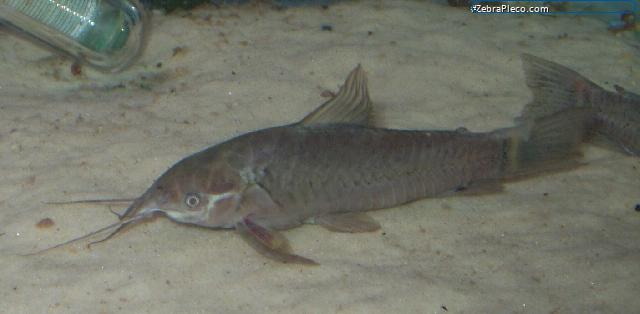
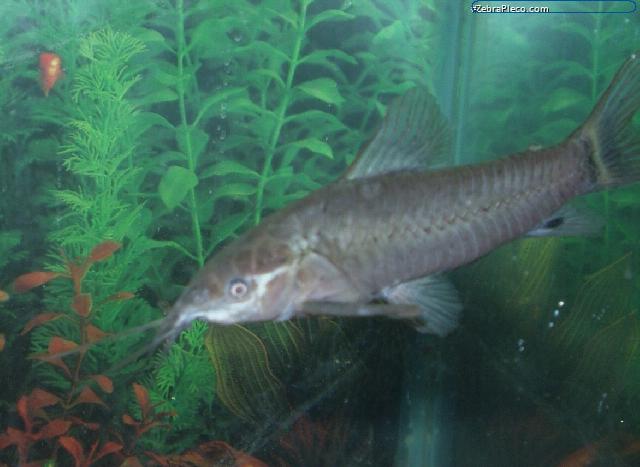
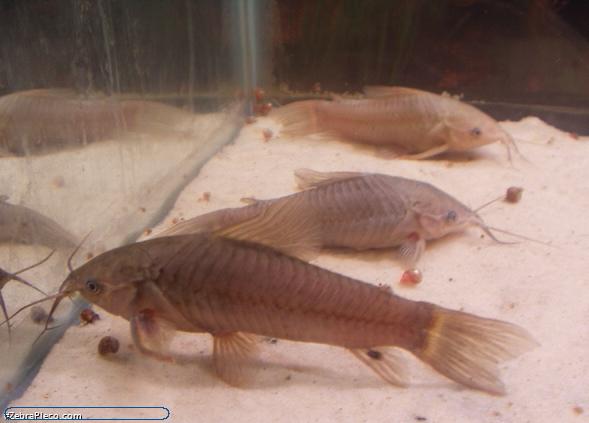
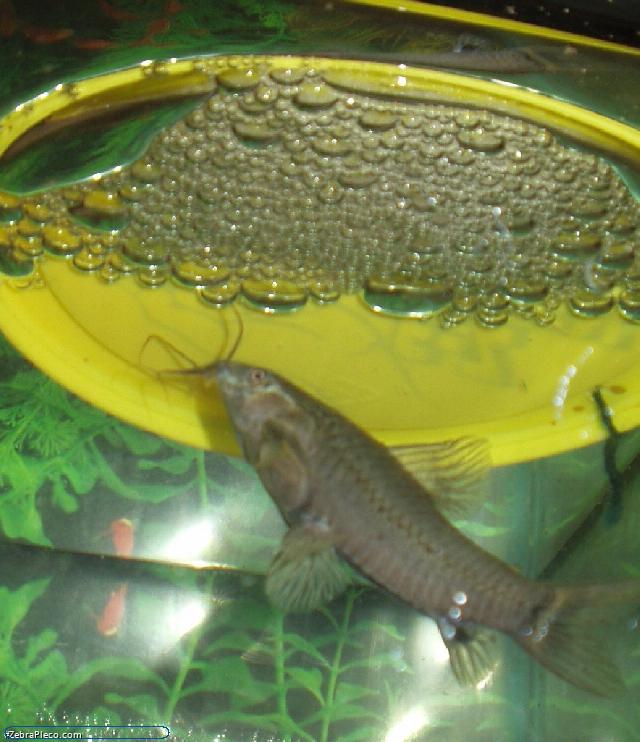
Photographs, diagnostic angles and morphological variants
Community & Keeper Tally
Member interactions, breeding records and forum mentions
Aquarium Care & Husbandry
Dietary requirements, tank setup, compatibility and breeding
Feeding & Diet
Omnivore, constantly searches the substrate for any food. [View Member Food Stats]
Breeding Notes
Bubble-nest builder. Male courts the female. The female carries eggs in a pouch created by the pectoral fin and places them in the nest with the male curved around the female. Female should be removed after spawn. Fry develops in 4-5 days. Spawn took place in a 26-28 °C tank with 5 °KH. Rear fry in a tank with algae, feeding with Artemia and prepared babyfood (such as TetraMin Babyfood).
Habitat & Water Parameters
Natural distribution, biotope water conditions and temperature ranges
Geographic Distribution
South America: Magdalena and Sinu River basins.
Colombia Caribbean Rivers, Magdalena (click on these areas to find other species found there)
Colombia Caribbean Rivers, Sinú (click on these areas to find other species found there)
Login to view the map.
Species Description & Identification
Morphology, diagnostic traits and sexual dimorphism
Sexual Dimorphism (Sexing)
In Dianema, Hoplosternum and Megalechis (but not in Callichthys), medial expansions of the coracoid bones are especially developed, covering most of the skin between the pectoral fins and sometimes overlapping in the midline in fully developed mature males (vs. not fully covering the abdominal skin and not overlapping in females). Mature males of Callichthys, Dianema, Hoplosternum, Lepthoplosternum, and Megalechis have a thick adipose body on the ventral surface of the pectoral fin. Mature females of Dianema, Hoplosternum and Megalechis have a small fold of skin on the external face of the leading pelvic-fin ray.
Taxonomy, Synonyms & Etymology
Classification history, linguistic derivations and variant forms
Pronunciation
hop low STERN um - mag dall LEN ae
Etymology
Hoplosternum: From the Greek hoplon, meaning shield and sternum, meaning breast; in reference to the prominent coracoid bones on the breast. Named after the river Magdalena which is part of its native habitat.
There are 7 other speciesCreagrutus magdalenae
Ctenobrycon magdalenae
Cynodonichthys magdalenae
Potamotrygon magdalenae
Rineloricaria magdalenae
Tristramella magdalenae
Xyliphius magdalenae with this specific name.
Literature & Resources
Scientific publications, external links and citation tools
Description Reference
Annals of the Carnegie Museum v. 8 (nos 3-4) (art. 13), pp 412.
External Databases
Related Searches