PAGE_HEADER
Lasiancistrus volcanensis Dahl, 1941
Image Showcase
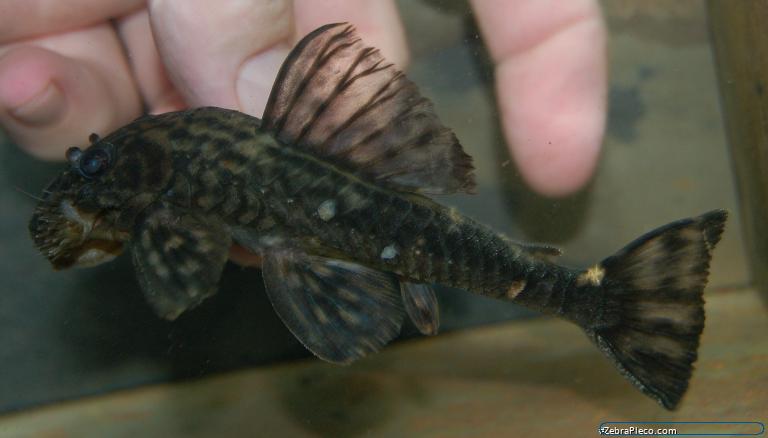
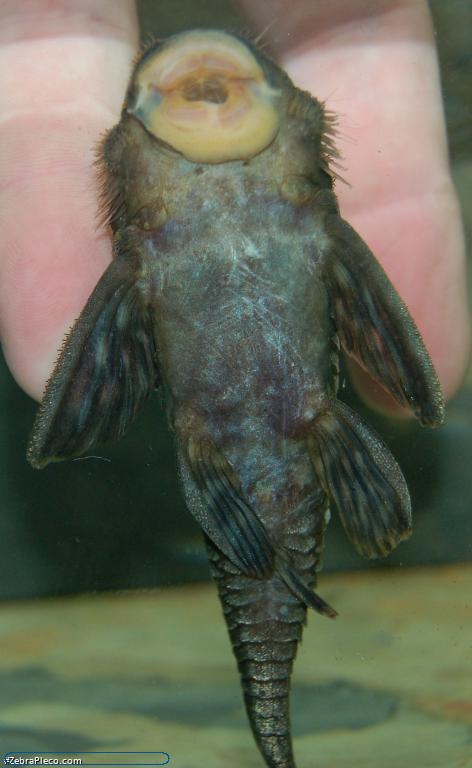
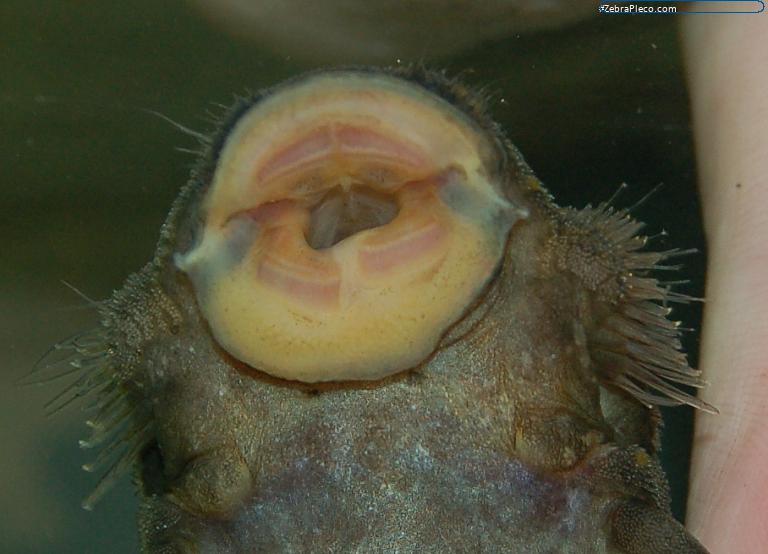
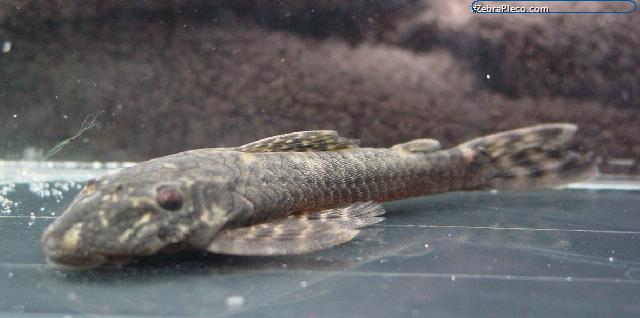
Photographs, diagnostic angles and morphological variants
Community & Keeper Tally
Member interactions, breeding records and forum mentions
Aquarium Care & Husbandry
Dietary requirements, tank setup, compatibility and breeding
Feeding & Diet
Although sometimes picky immediately after import, these fish will eventually accept fresh vegetables as well as live and frozen foods. [View Member Food Stats]
Aquarium Furniture & Decor
The tank decor should consist of various sized stones stacked to form caves over a sand/gravel substrate.
Compatibility & Suggested Tankmates
Will not bother tankmates provided it has a cave of its own.
Tankmates: An excellent specimen for the cooler ''hillstream'' community tank.
Breeding Notes
Has been bred in the aquarium.
Habitat & Water Parameters
Natural distribution, biotope water conditions and temperature ranges
Geographic Distribution
Tributaries of the upper Rio Magdalena. Complete distribution is unknown.
Colombia Caribbean Rivers, Magdalena, Cauca, Lower Cauca (click on these areas to find other species found there)
Colombia Caribbean Rivers, Magdalena, Middle Magdalena (click on these areas to find other species found there)
Colombia Caribbean Rivers, Magdalena, Upper Magdalena (click on these areas to find other species found there)
Colombia Caribbean Rivers, Magdalena, Middle Magdalena, San Bartolomé, Volcán (click on these areas to find other species found there)
Login to view the map.
Species Description & Identification
Morphology, diagnostic traits and sexual dimorphism
Identification
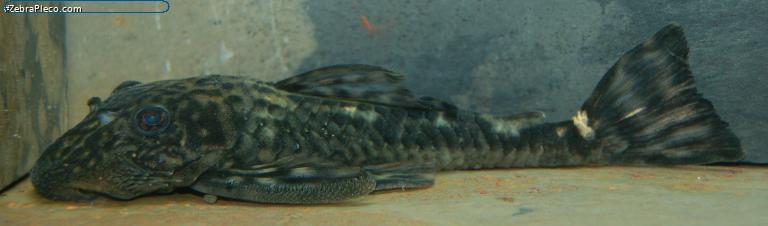
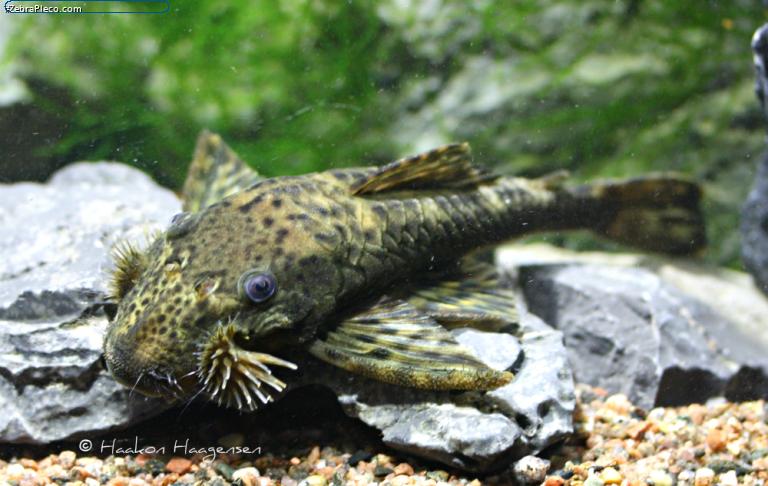
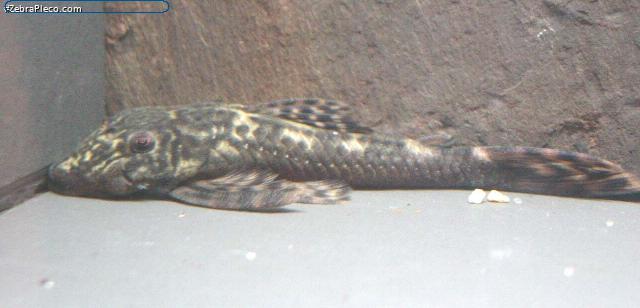
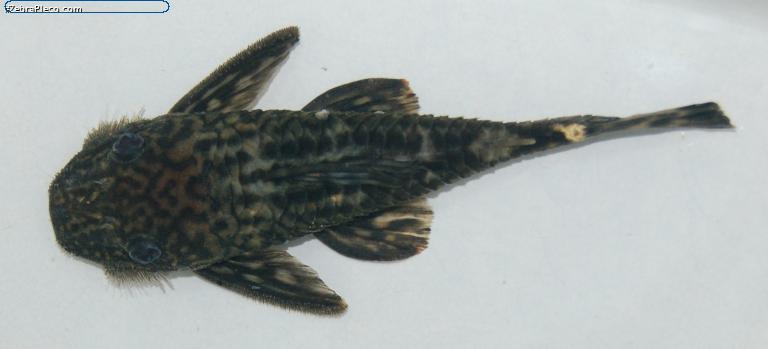
Adult Lasiancistrus can be separated from all other loricariids by the presence of whisker-like odontodes on the cheeks. In addition, they have evertible cheek odontodes; three rows of plates on the caudal peduncle; and a modified, bar-shaped opercle. The caudal fin is slightly emarginate to forked, with the lower lobe longer than upper. Nuptial males have tentacules on the pectoral-fin spines longer than their associated odontodes; and transluscent tentacules on the snout that have odontodes associated with them. Nuptial males lack hypertrophied odontodes on top of the head and lack long, bristle-like odontodes on the leading edge of the pectoral-fin spine.
This fish is collected in faster flowing tributaries of the upper Rio Magdalena, Colombia and exported through Bogota. It normally appears as bycatch in shipments of Colombian Chaetostoma. Further investigation is needed to see if this fish is identifiable with Lasiancistrus caucanus.
Sexual Dimorphism (Sexing)
Unknown
General Remarks
See also Armbruster, J.W. (2005). Neotrop. ichthyol., 3(4):549-569.
Taxonomy, Synonyms & Etymology
Classification history, linguistic derivations and variant forms
Pronunciation
LASS ee an SISS truss
Etymology
Greek, lasios, -a, -on = hairy + Greek, agkistron = hook
Literature & Resources
Scientific publications, external links and citation tools
Description Reference
Förhandlingar / Kungliga Fysiografiska Sällskapets i Lund = Proceedings of the Royal Physiographic Society at Lund v. 11 (no. 8), pp 83 [4], Figs. 3-4.
External Databases
Related Searches