PAGE_HEADER
Sturisomatichthys aureus (Steindachner, 1900)
Image Showcase
Photographs, diagnostic angles and morphological variants

Community & Keeper Tally
Member interactions, breeding records and forum mentions
Aquarium Care & Husbandry
Dietary requirements, tank setup, compatibility and breeding
Feeding & Diet
Typical of the genus. The diet should be mainly spinach, cucumber, and algae wafers with meaty food like blood worms or brine shrimp fed once per week. [View Member Food Stats]
Aquarium Furniture & Decor
Does well in a planted aquaria with driftwood.
Compatibility & Suggested Tankmates
Peaceful community fish. Do not place with more robust loricariids as it is not a strong competitor for food.
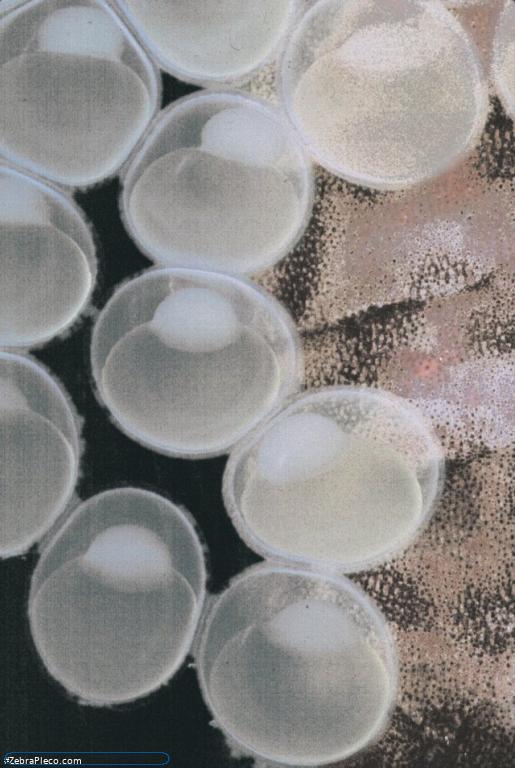
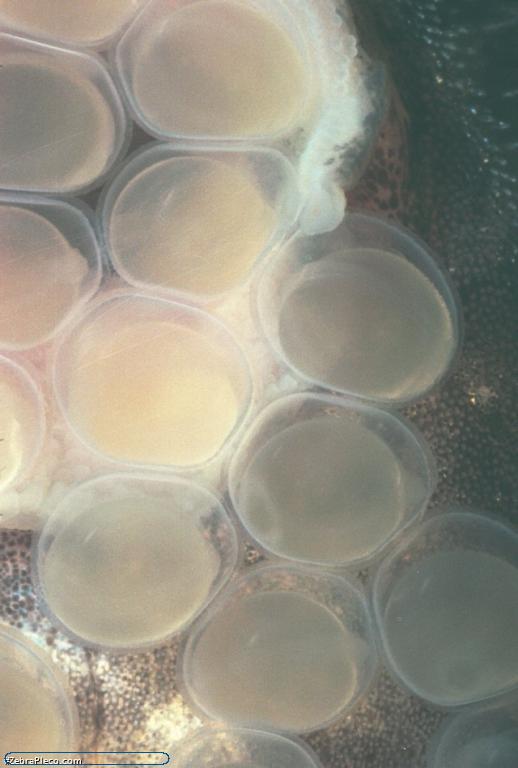
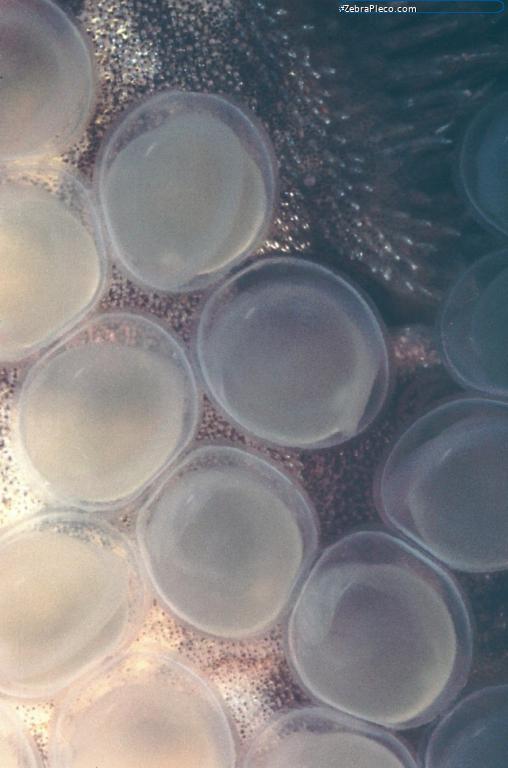
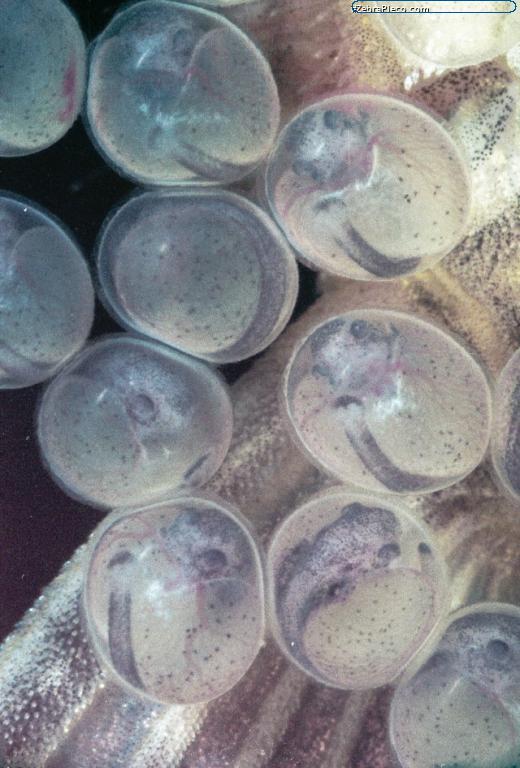
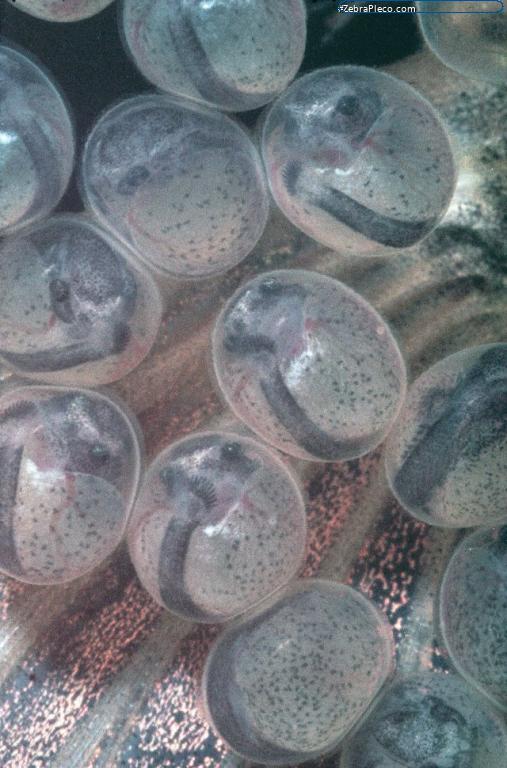
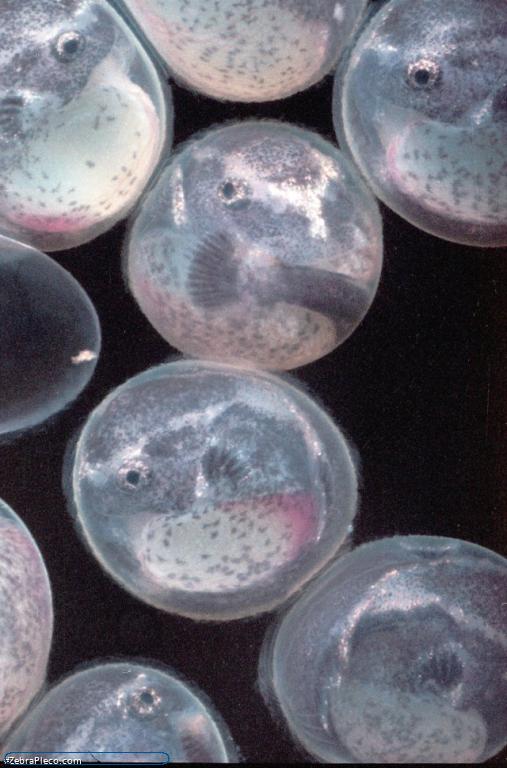
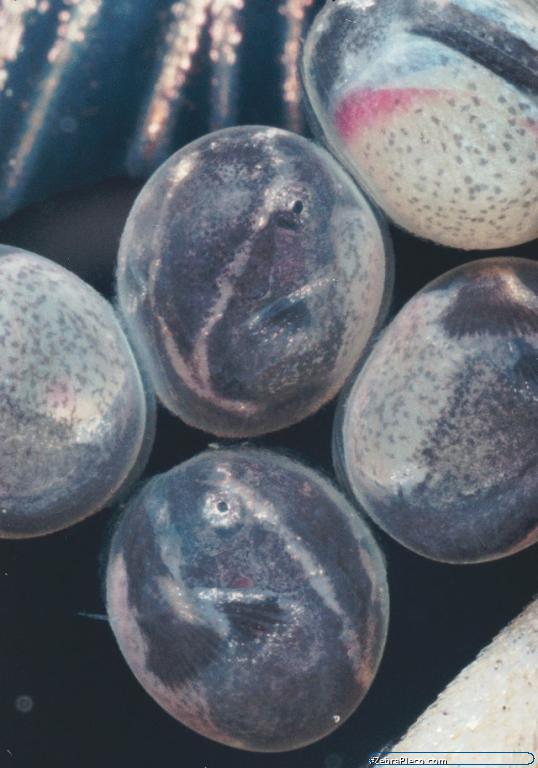
Breeding Notes
Habitat & Water Parameters
Natural distribution, biotope water conditions and temperature ranges
Geographic Distribution
Magdalena, San Jorge and Cesar River basins, Colombia.
Found in the Rio Magdalena and its tributaries, upstream of Honda. It appears to be the species common in the upper Magdalena and is replaced downriver by another, similar species.
Colombia Caribbean Rivers, Magdalena (click on these areas to find other species found there)
Login to view the map.
Species Description & Identification
Morphology, diagnostic traits and sexual dimorphism
Identification
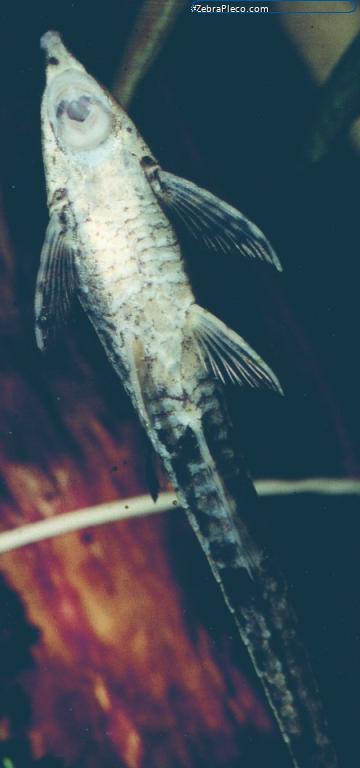
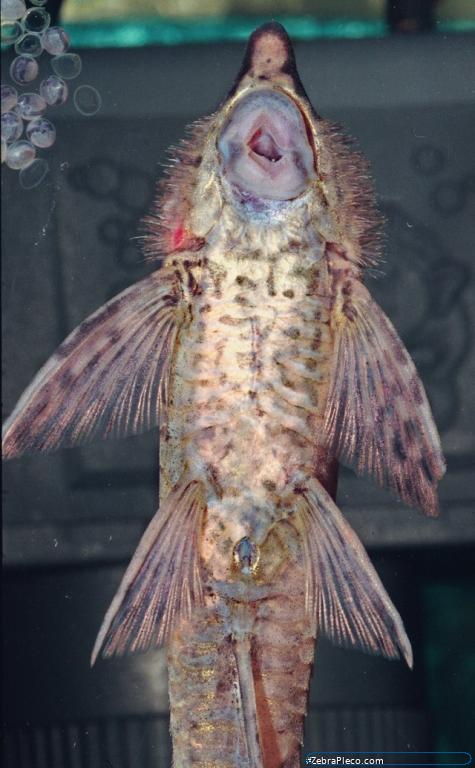
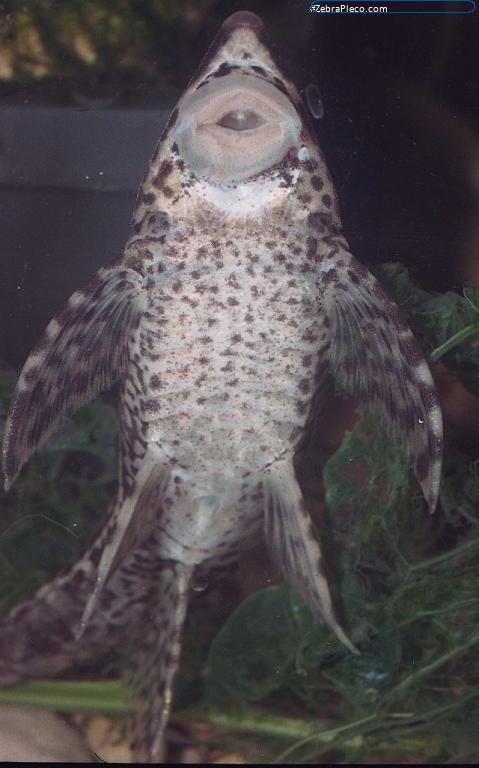
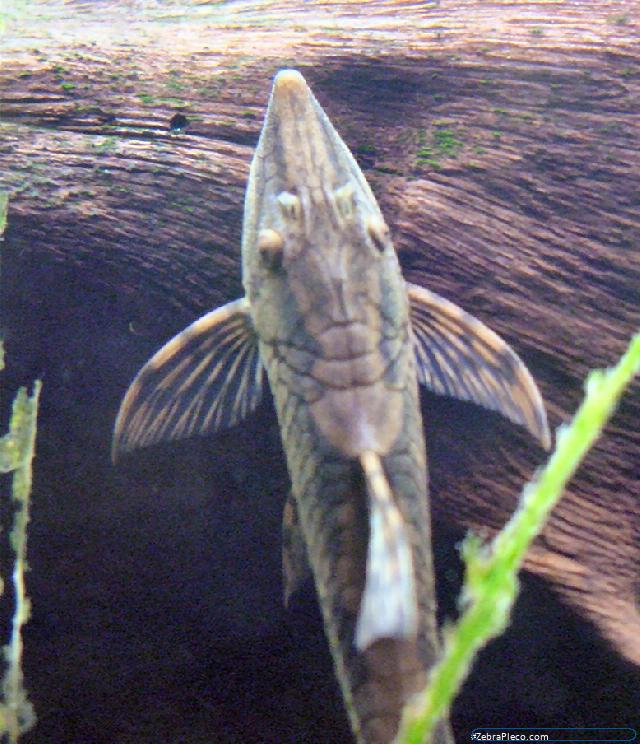
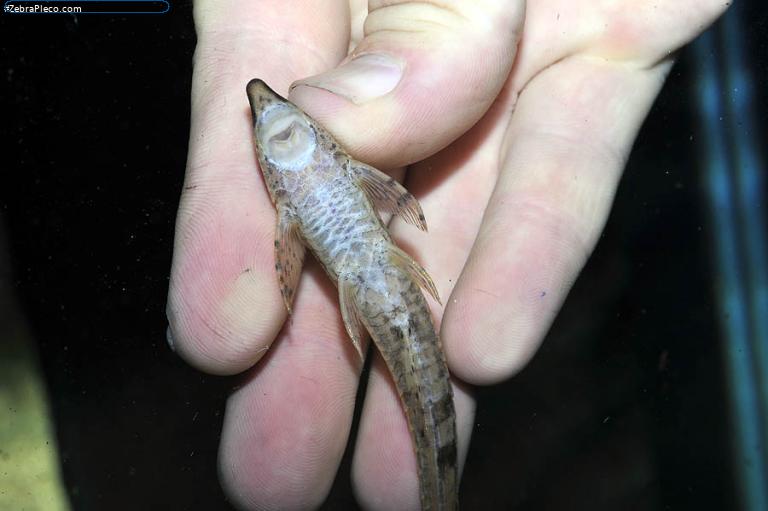
Sturisoma and Sturisomatichthys can be difficult to tell apart. Older descriptions of the genera emphasized the length of the snout (elongated in Sturisoma), but this trait is not reliable across species. Recent analyses allow discrimination based on the abdominal plates, fin colors and lateral plates: Sturisoma has its central abdominal plates arranged in three clearly-defined longitudinal series; all fins (except sometimes pectoral fins) lack dark spots; and 20–21 lateral plates in median series. Sturisomatichthys has its central abdominal plates less organized, not arranged in clearly-defined longitudinal series; dark spots usually present on one or more of the dorsal-, pectoral-, pelvic, or anal-fins; and 15–18 lateral plates in median series. Furthermore, to date all Sturisoma are cis-Andean; most (but not all) Sturisomatichthys are trans-Andean.
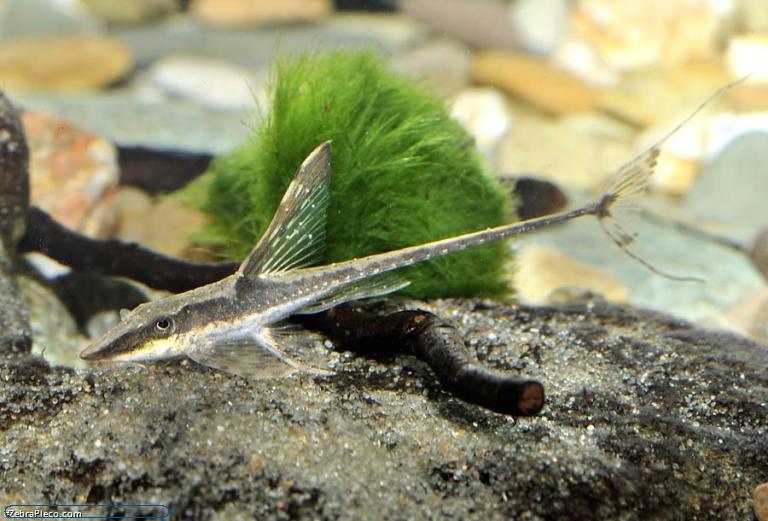
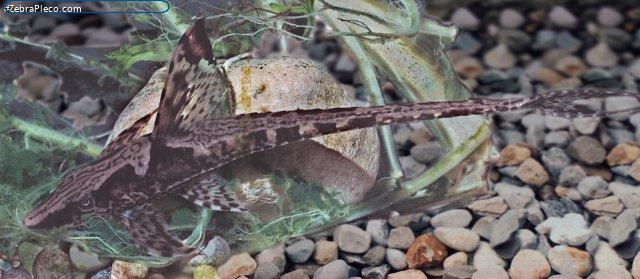
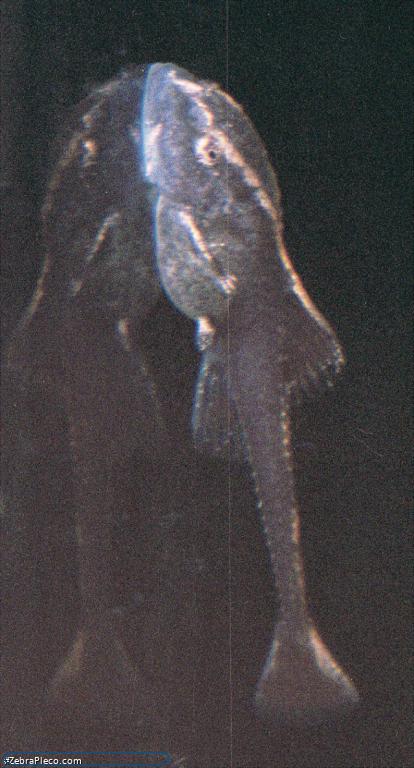
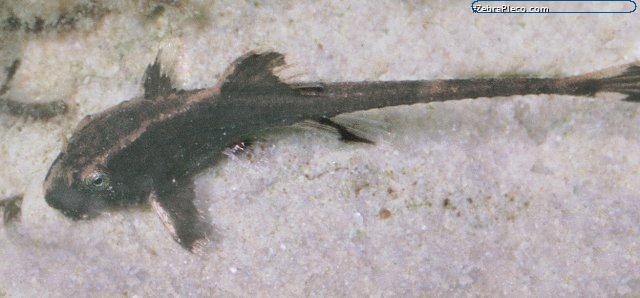
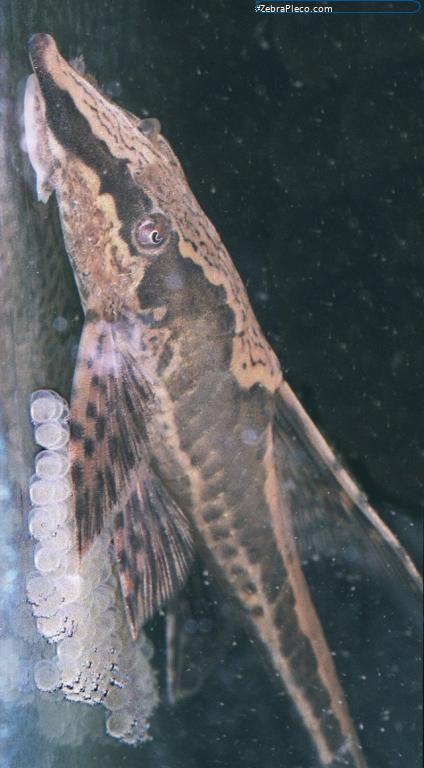
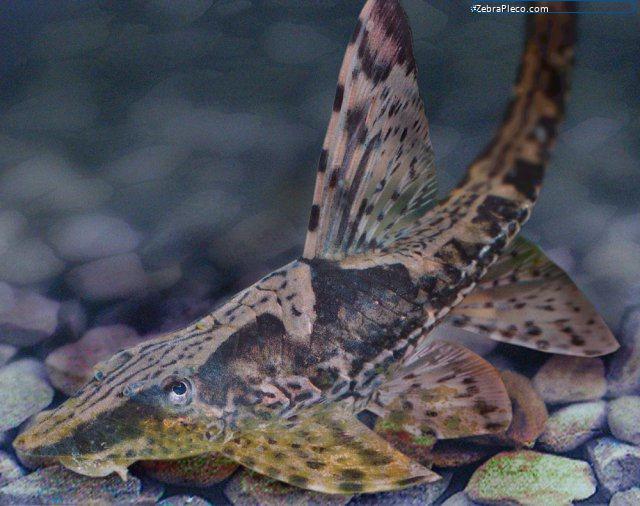
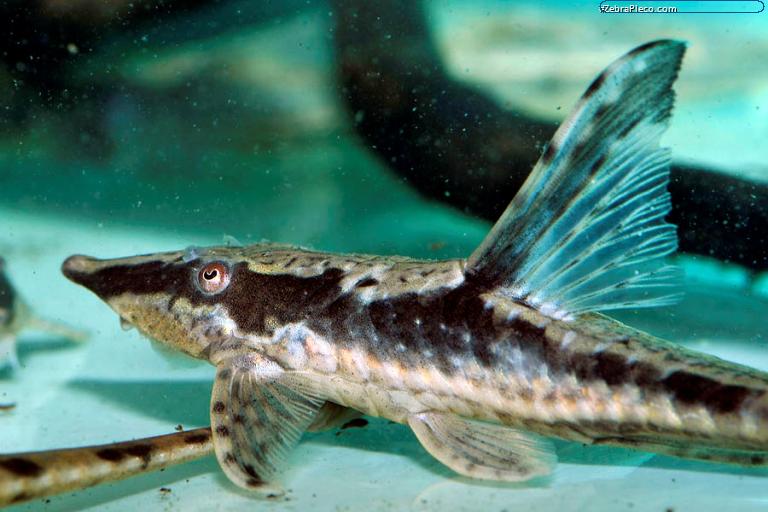
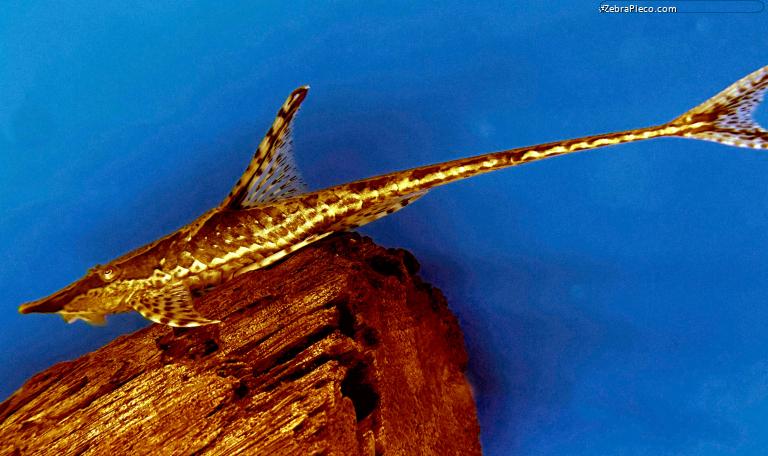
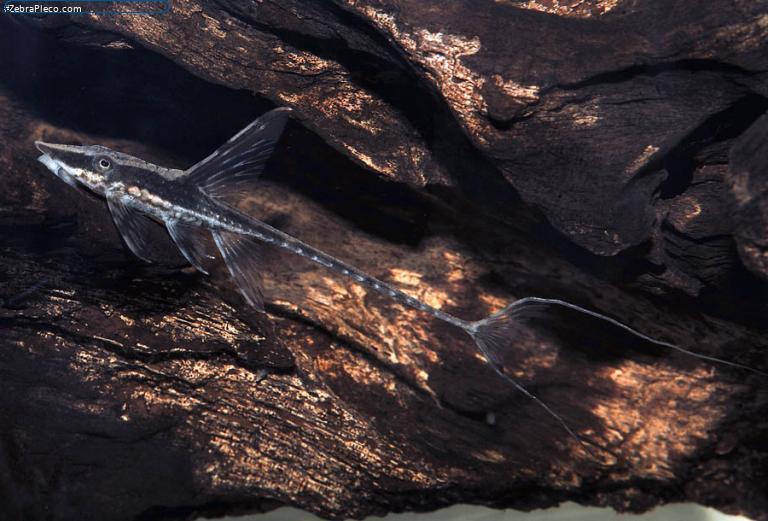
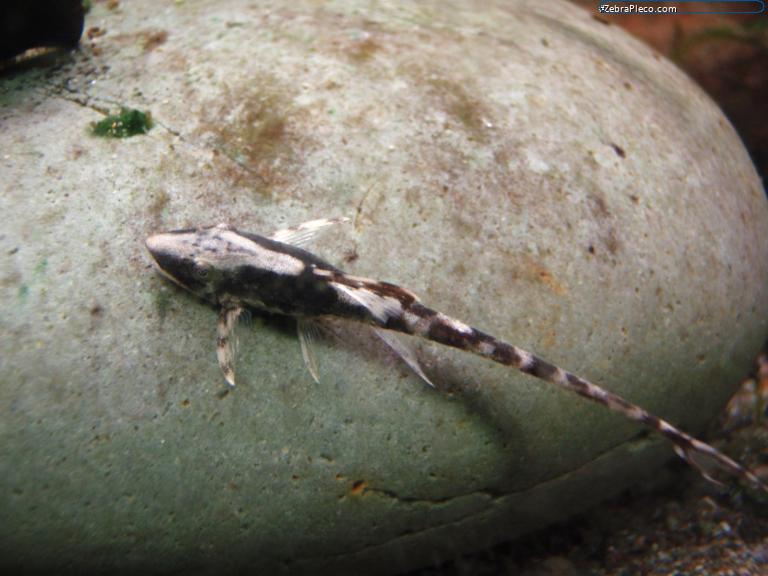
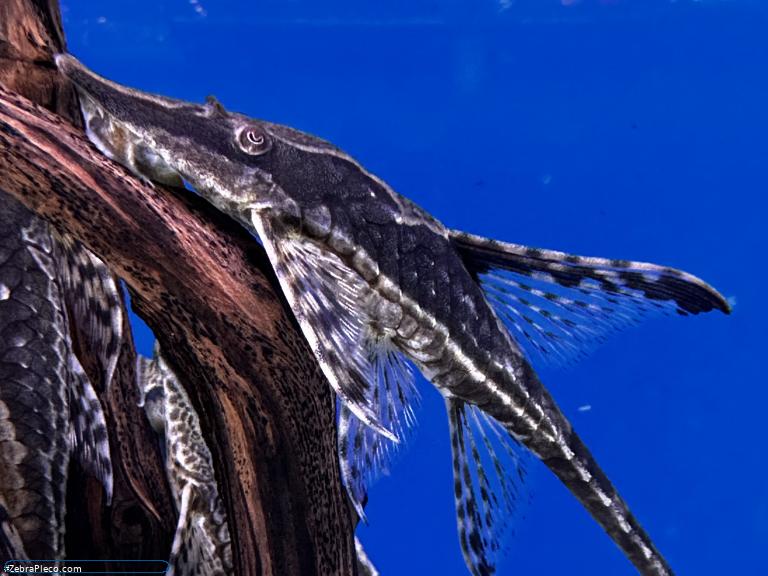
Young Sturisomatichthys of any species are difficult to distinguish. S. aureus can be distinguished from most congeners by the black horizontal markings behind the first dorsal ray, which are solid as opposed to speckled. It also appears to be the smallest member of the genus rarely reaching over six inches in length. S. aureus, when in good condition, has a long trailing fin extension from the upper caudal lobe but not other fins.
Sexual Dimorphism (Sexing)
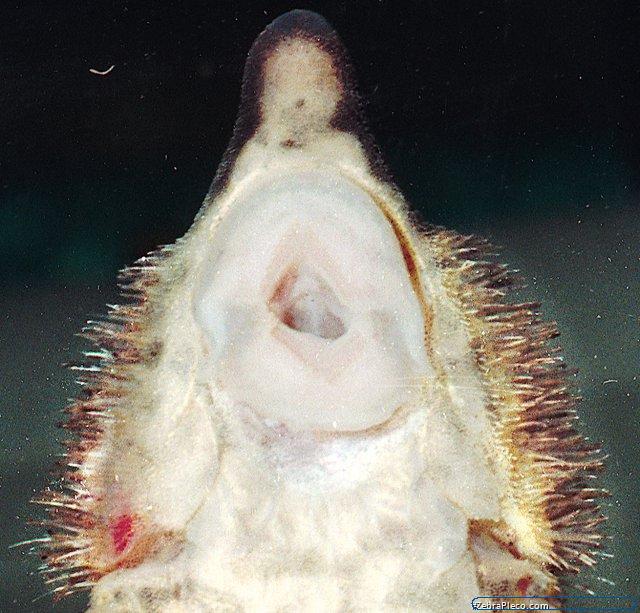
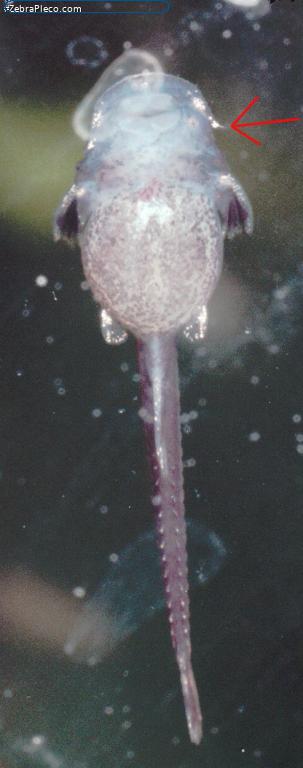
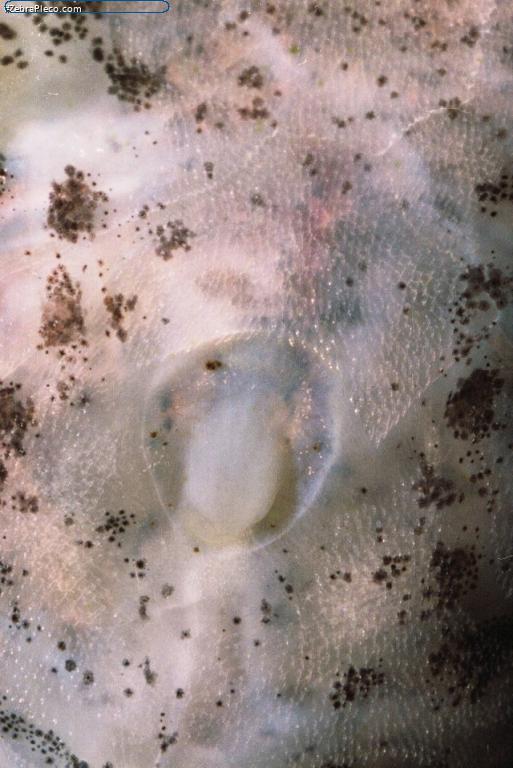
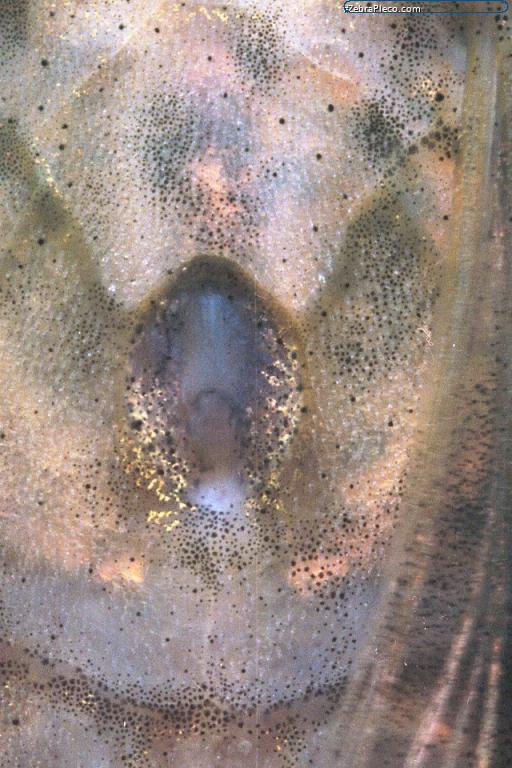
Males sport conspicuous odontodes along the sides of the head and rostrum.
General Remarks
Often, but always incorrectly, sold as S. panamensis which is not commercially exported nor captive-bred. Evers and Seidel (2002) describe this fish in earlier editions of their Wels Atlas as Sturisoma sp. "Kolumbien". This is the most common species shipped from Colombia. Sturisomatichthys leightoni are often mixed in the shipments. These shipments are also sometimes combined with shipments of a similar species that are collected further downriver this has led to hybridisation in captive populations.
Taxonomy, Synonyms & Etymology
Classification history, linguistic derivations and variant forms
Synonyms
Loricaria aurea, Sturisoma aureum
Etymology
(German)Sturio=Sturgeon + (Greek) soma=body + (Greek) -ichthys=fish. This specific epithet refers to its golden (aureum=golden) colour.
There are 3 other speciesGlossogobius aureus
Oreochromis aureus
Thorichthys aureus with this specific name.
Literature & Resources
Scientific publications, external links and citation tools
Literature & References
External Databases
Related Searches