PAGE_HEADER
Denticetopsis seducta Vari, Ferraris & de Pinna, 2005
Image Showcase
Photographs, diagnostic angles and morphological variants
Community & Keeper Tally
Member interactions, breeding records and forum mentions
Aquarium Care & Husbandry
Dietary requirements, tank setup, compatibility and breeding
Feeding & Diet
Readily feeds on live/frozen foods. Will also take other prepared foods such as pellets readily. [View Member Food Stats]
Aquarium Furniture & Decor
Provide plenty of driftwood as hiding spaces.
Compatibility & Suggested Tankmates
Fairly peaceful species suitable for a community tank. Should not be kept with very small fishes.
Breeding Notes
Unreported in the aquarium.
Habitat & Water Parameters
Natural distribution, biotope water conditions and temperature ranges
Geographic Distribution
South America: Rio Amazonas and rio Orinoco.
Amazon, Middle Amazon (Solimoes) (click on these areas to find other species found there)
Amazon, Upper Amazon (click on these areas to find other species found there)
Login to view the map.
Species Description & Identification
Morphology, diagnostic traits and sexual dimorphism
Identification
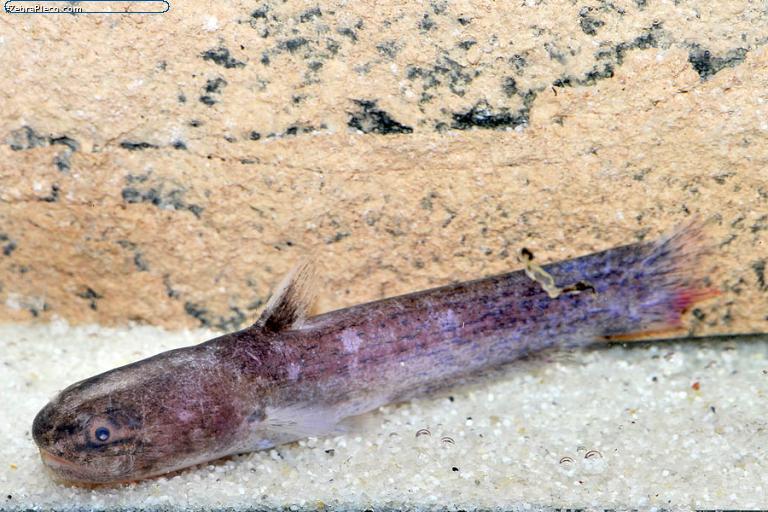
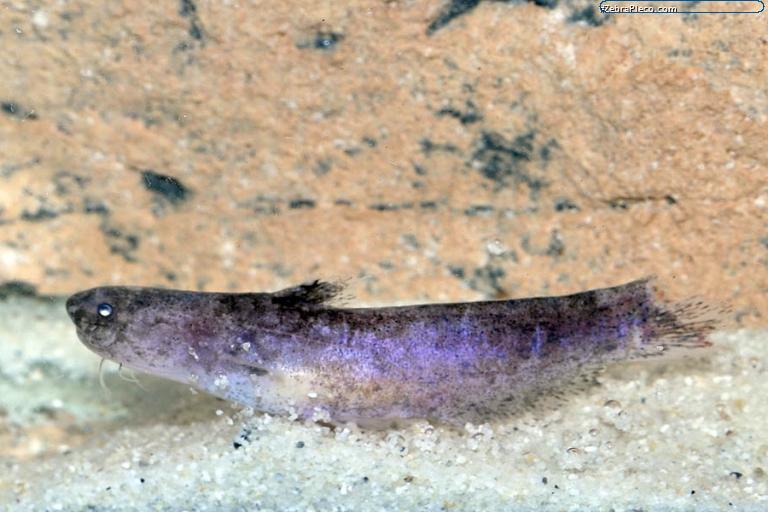
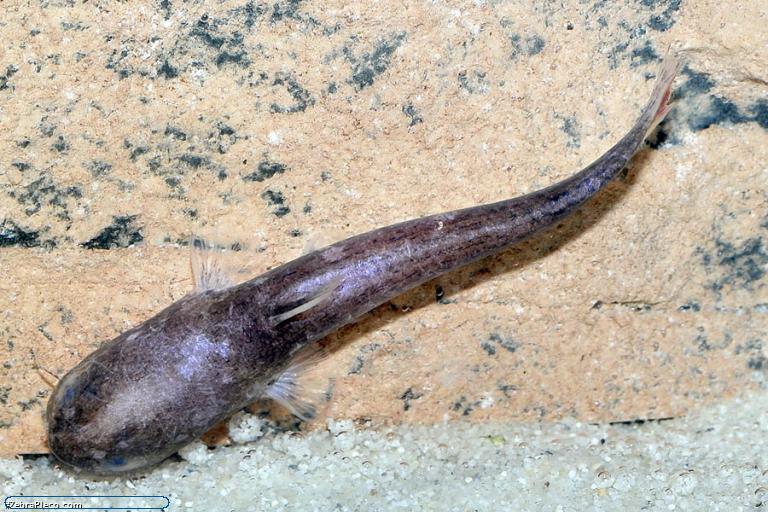
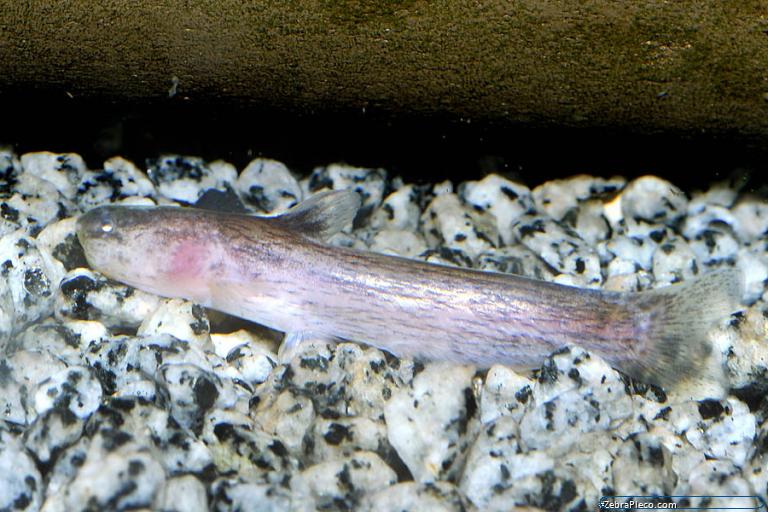
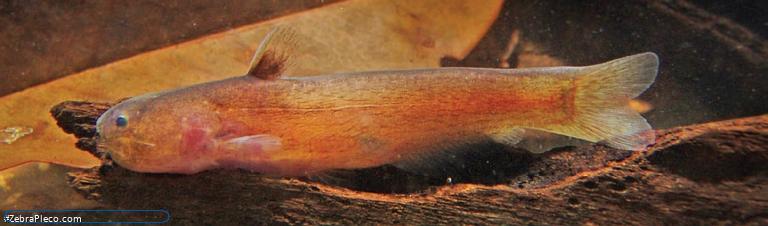
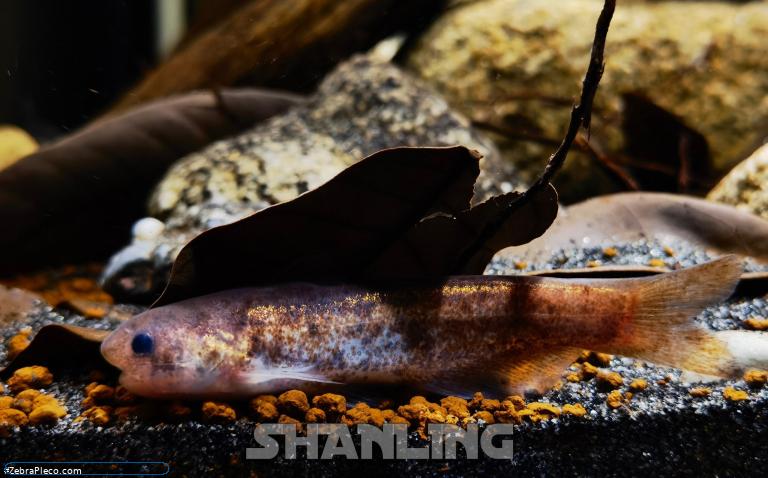
Appears most similar to D. praecox but the fish pictured here is from south eastern Peru, nowhere near the Rio Negro Basin and the locality from which the former species was described.
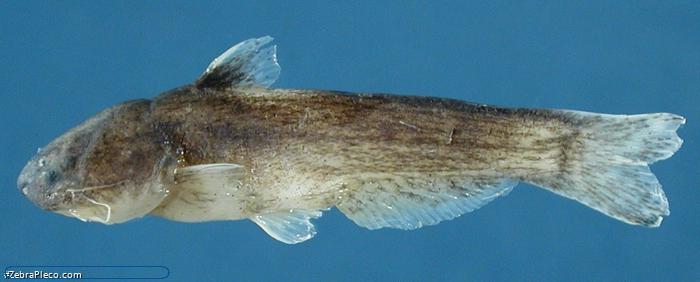
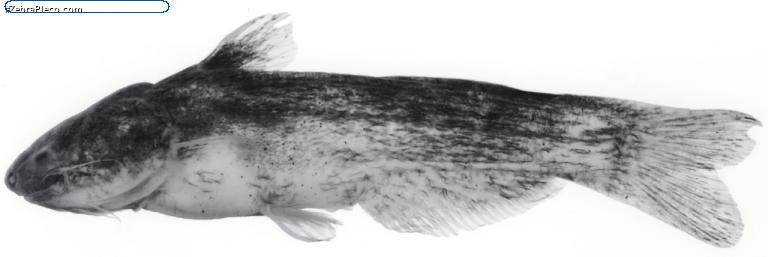
Distinguished from congeners in having a combination of the following characters: lack of elongate, symphyseal teeth on the dentary, a reduced lateral line extending posteriorly onto at least the caudal peduncle, presence of teeth on vomer, dorsal fin with 5 or 6 segmented rays and with first ray spinous basally, symmetrical, shallowly-forked caudal fin, possession of horizontally-elongate, dark, stellate chromatophores on body, origin of anal-fin anterior of vertical through middle of TL, caudal peduncle depth 1.33?1.5 times in its length, middle of orbit located at anterior 0.25-0.27 of HL, head width 0.61?0.70 times in head length, three rows of premaxillary teeth, caudal fin uniformly dark, heavily pigmented pectoral fin and 39-42 total vertebrae.
Sexual Dimorphism (Sexing)
No distinct sexual dimorphism present
Taxonomy, Synonyms & Etymology
Classification history, linguistic derivations and variant forms
Pronunciation
den tee sea top siss - sed uck tah
Etymology
The specific epithet comes from the Latin seducta, meaning remote or apart, in reference to the disjunct distribution of this species relative to congeners.
Literature & Resources
Scientific publications, external links and citation tools
Description Reference
Neotropical Ichthyology v. 3 (no. 2), pp 218, Fig. 53.
External Databases
Related Searches