PAGE_HEADER
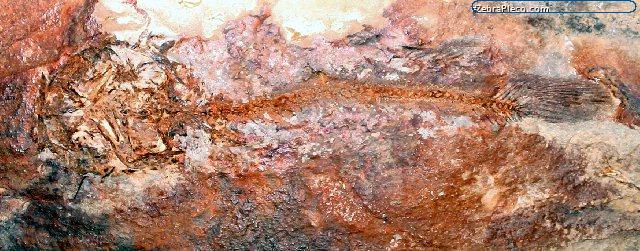
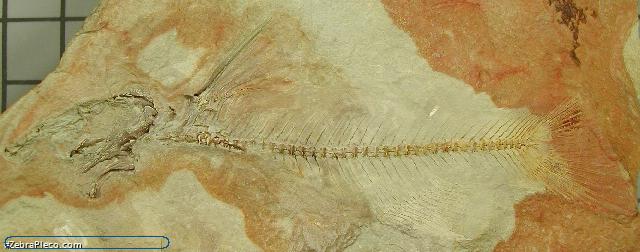
†Hypsidoris farsonensis Lundberg & Case, 1970
Image Showcase
Photographs, diagnostic angles and morphological variants
Community & Keeper Tally
Member interactions, breeding records and forum mentions
Aquarium Care & Husbandry
Dietary requirements, tank setup, compatibility and breeding
Feeding & Diet
As a fossil species it is best to allow long periods between feedings. [View Member Food Stats]
Aquarium Furniture & Decor
This is a fossil species, and it's best kept in a dry location away from abrasive materials and corrosive chemicals with the occasional dusting.
Breeding Notes
No member of this genus has been bred in the aquarium.
Habitat & Water Parameters
Natural distribution, biotope water conditions and temperature ranges
Geographic Distribution
Middle Eocene (ca. 40 million years ago) deposits of the Green River Formation, Sweetwater County, southwest Wyoming, USA.
Green River (Wyoming) (click on these areas to find other species found there)
Login to view the map.
Species Description & Identification
Morphology, diagnostic traits and sexual dimorphism
Identification
Maxilla toothed. Coronoid process of lower jaw higher than in †H. oregonensis. Intercornual concavity of mesethmoid prominent.
General Remarks
Lived in freshwater with gars (Lepisosteidae), bowfins (Amiidae), mooneyes (Hiodontidae), herrings (Clupeidae), suckers (Catostomidae) and ''primitive'' percoids. The climate was probably subtropical.
Taxonomy, Synonyms & Etymology
Classification history, linguistic derivations and variant forms
Pronunciation
Hip see door iss - far sew nen siss
Etymology
The generic name comes from the Greek hypsi, meaning high and doris, meaning dagger, in reference to the dorsal and pectoral spines. The specific name comes from the type locality (Farson, Wyoming).
Literature & Resources
Scientific publications, external links and citation tools
Description Reference
Lundberg, J.G. & G. R. Case, 1970. A new catfish from the Eocene Green River Formation, Wyoming. Journal of Paleontology 44: 451-457.
External Databases
Related Searches