PAGE_HEADER
Brochis splendens (Castelnau, 1855)
Image Showcase
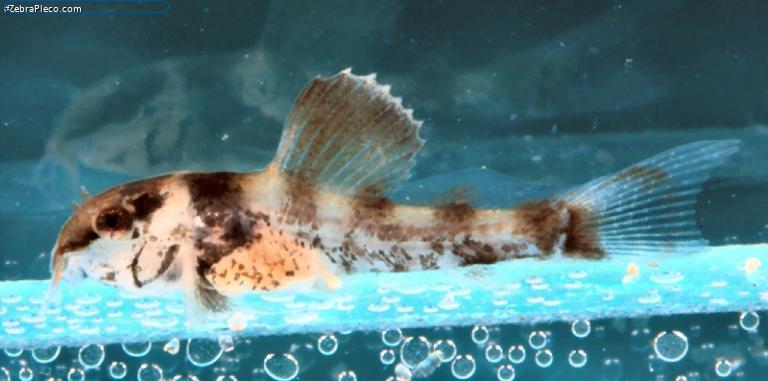
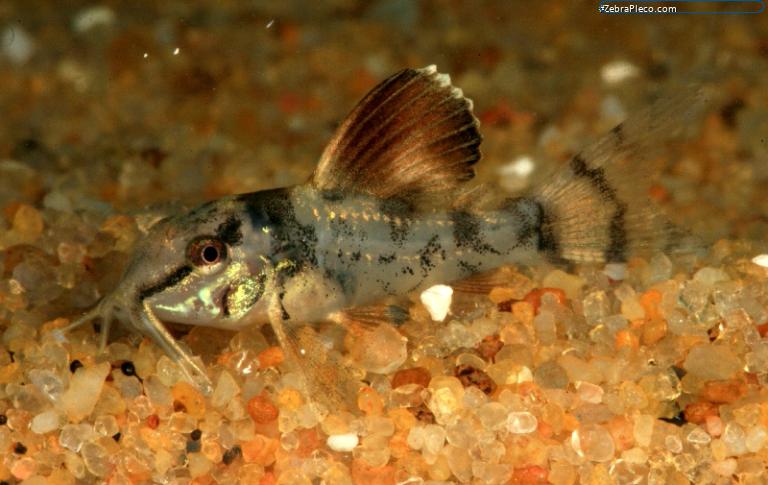
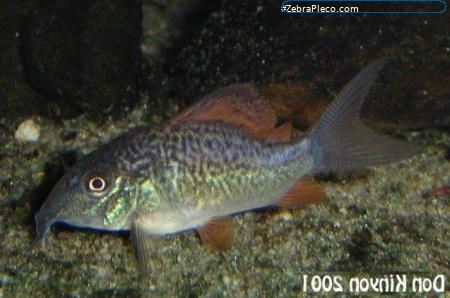
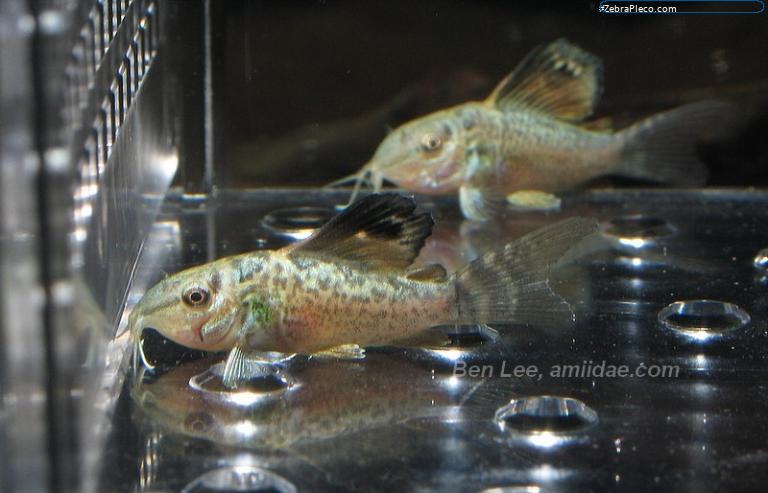
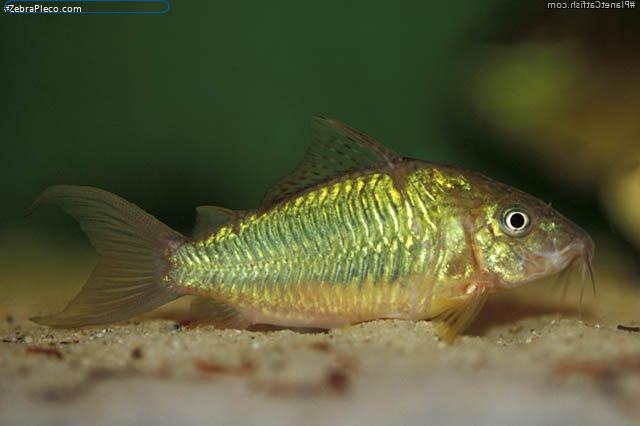
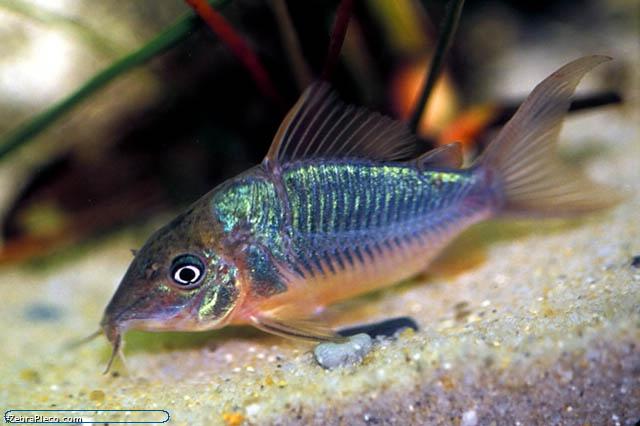
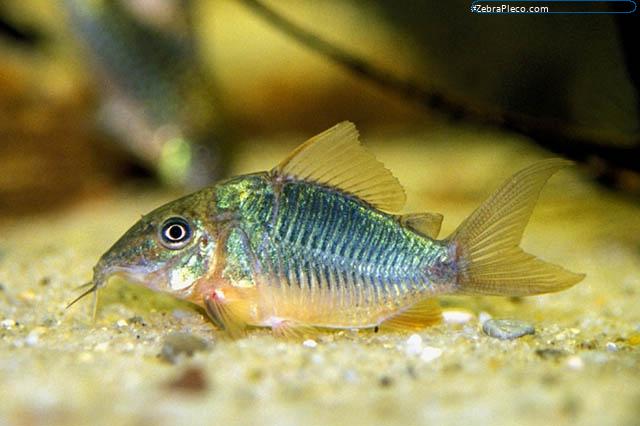
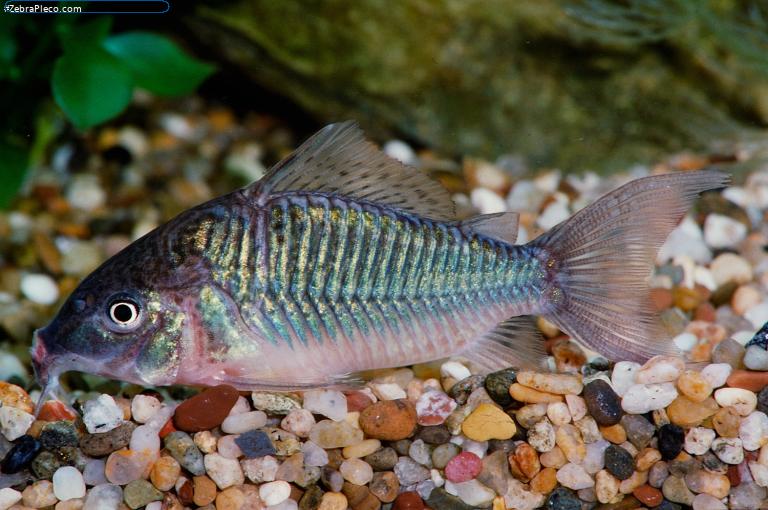
Photographs, diagnostic angles and morphological variants
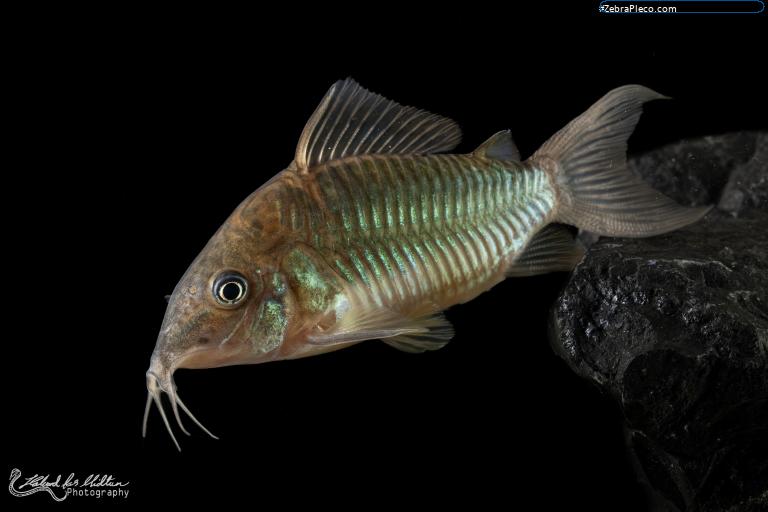
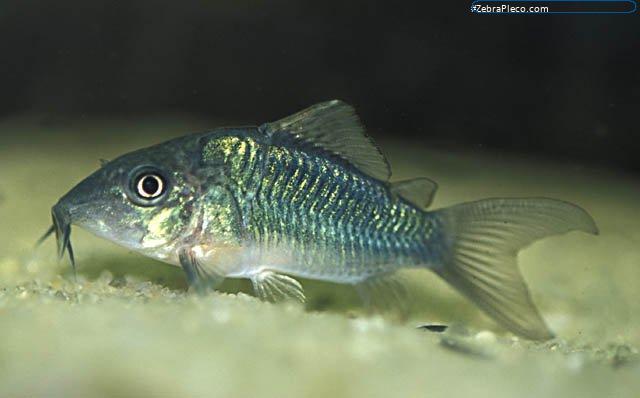
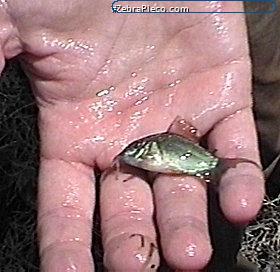
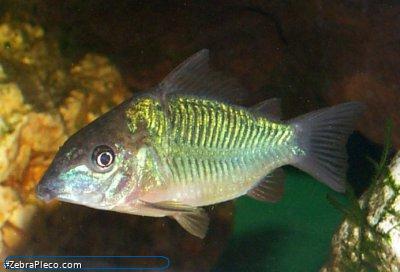
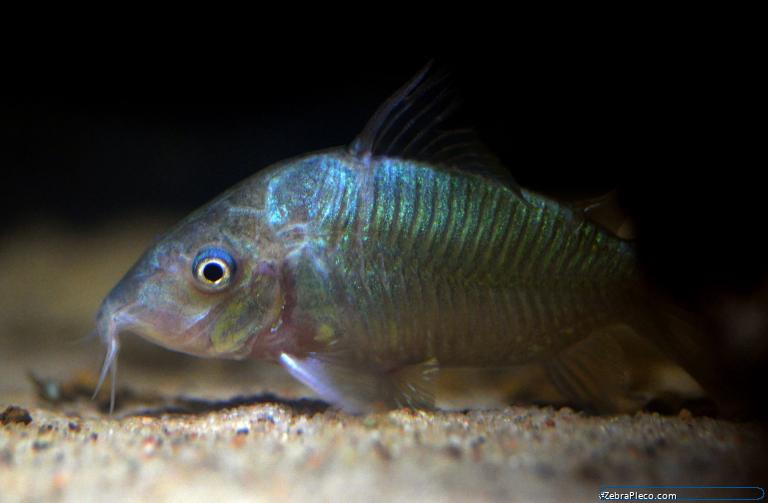
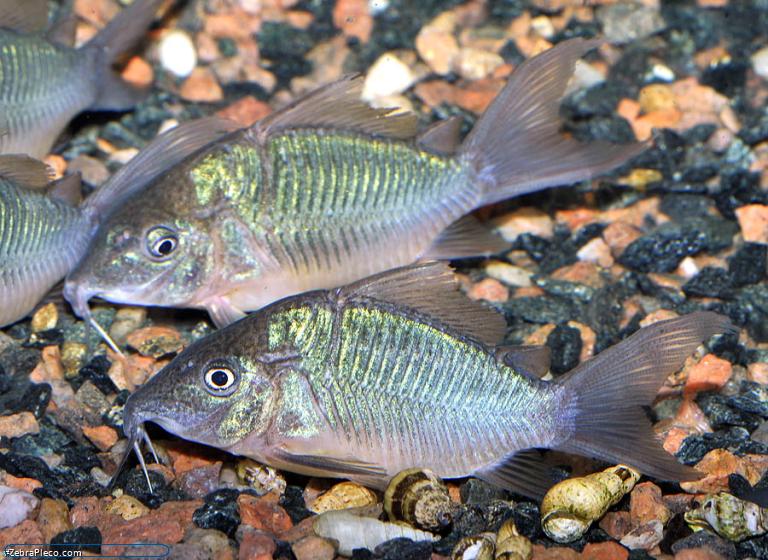
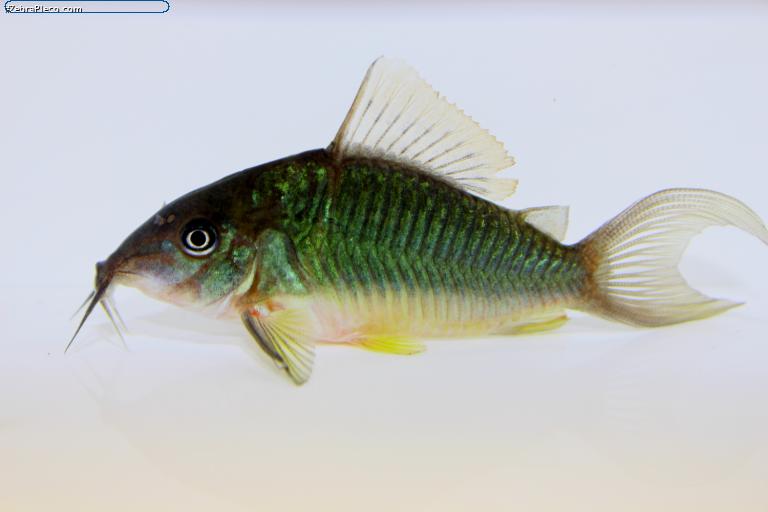
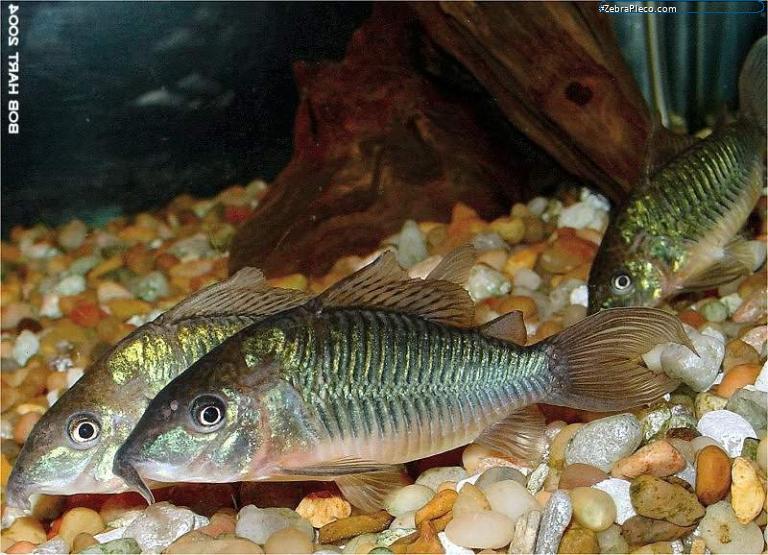
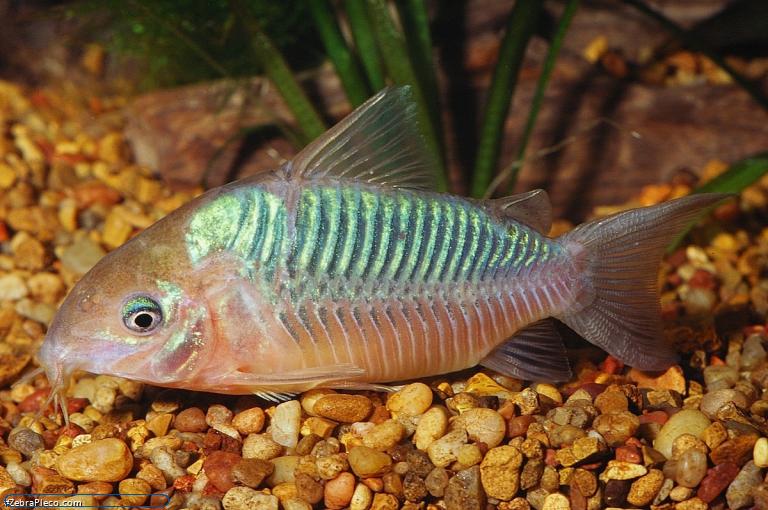
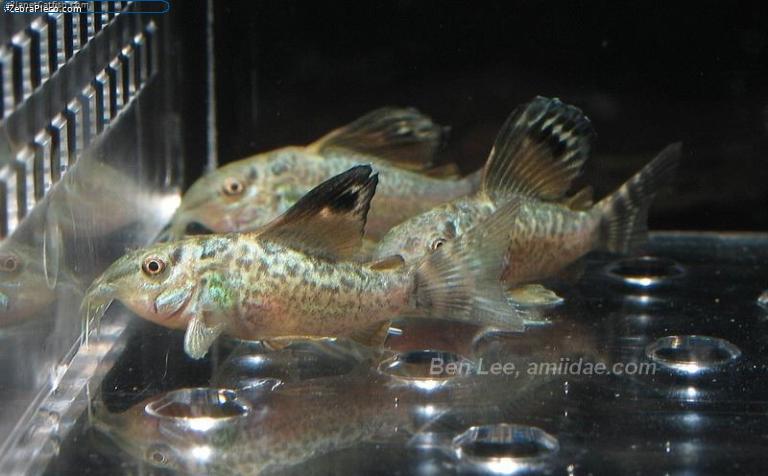
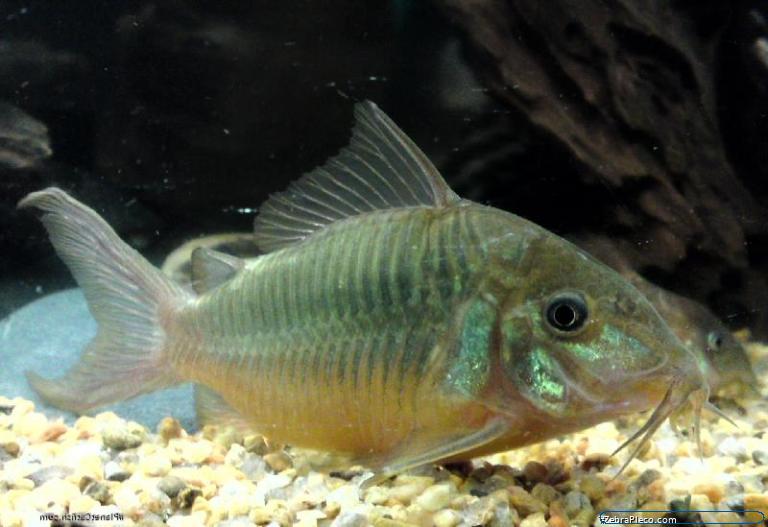
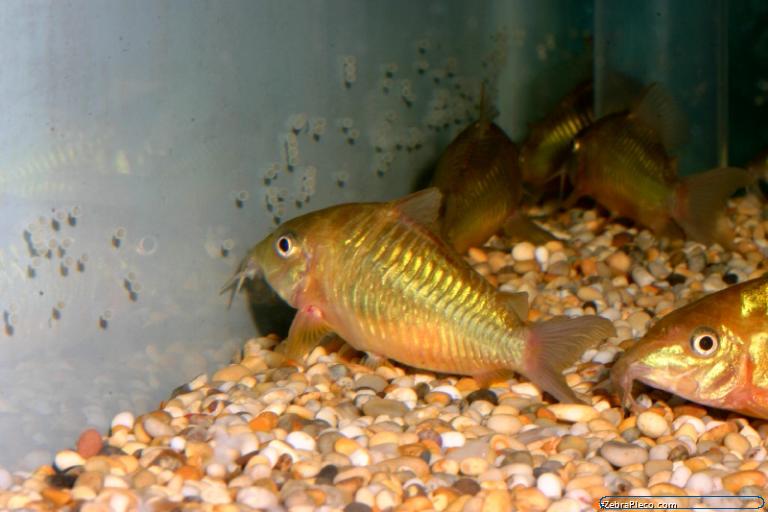
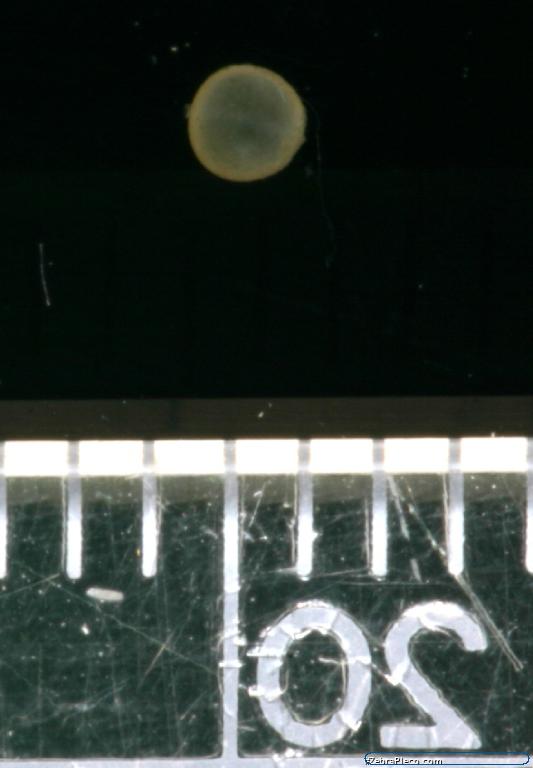
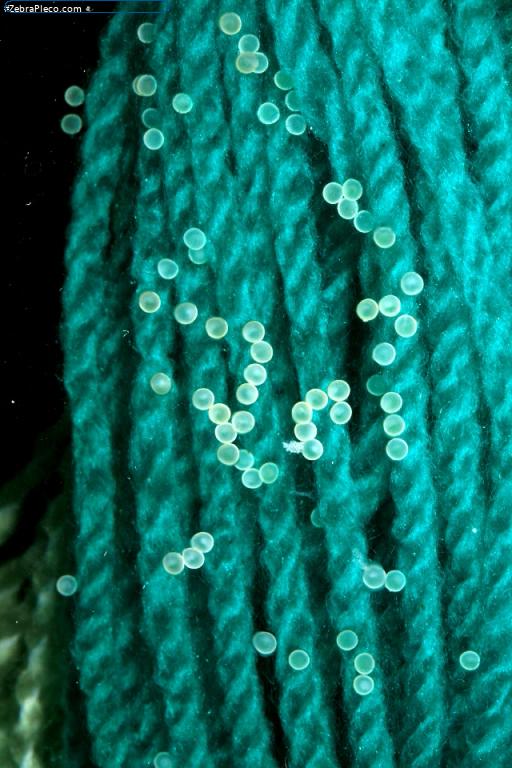
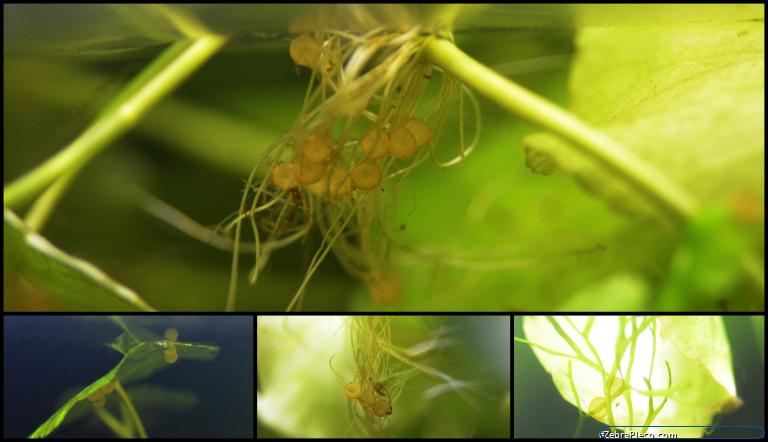
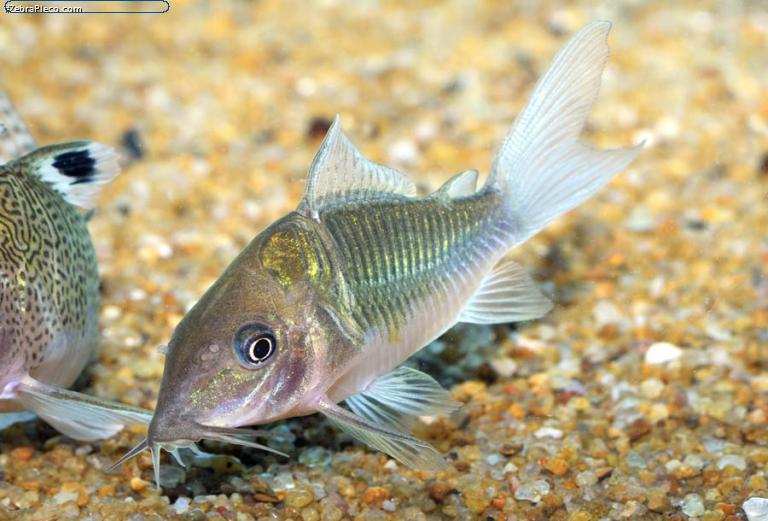
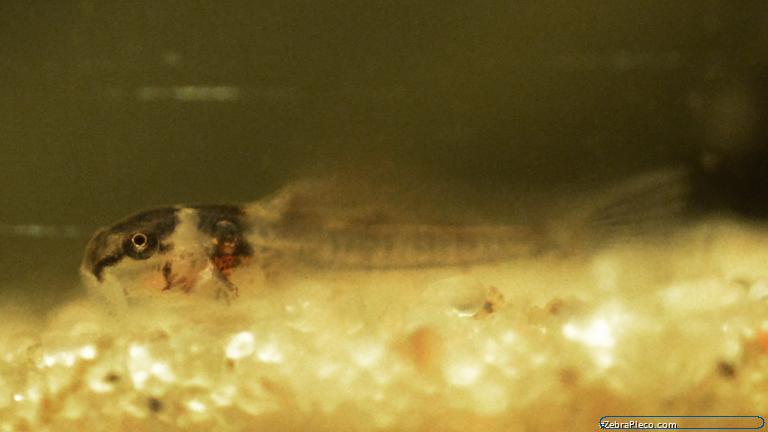
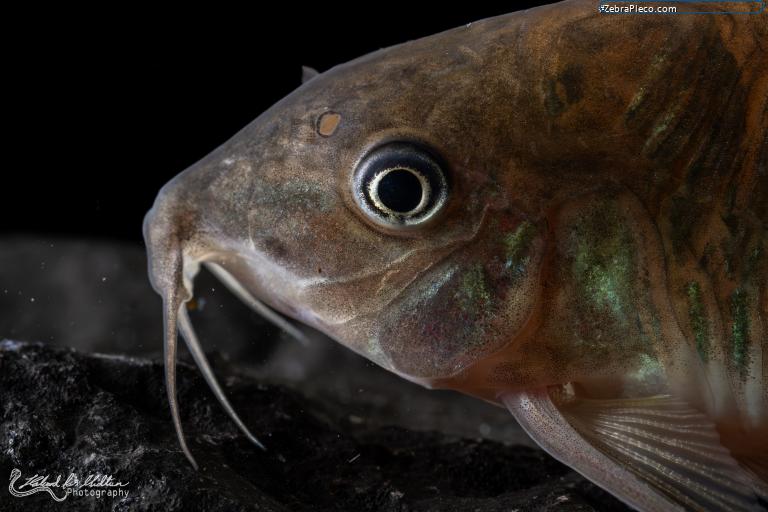
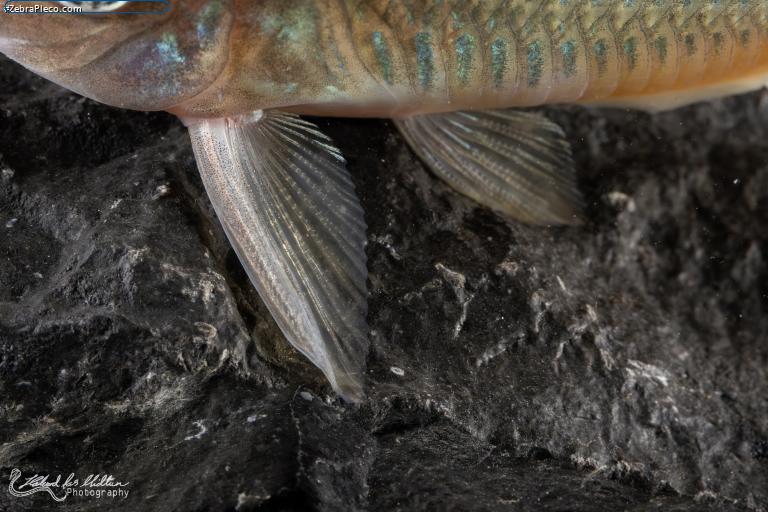
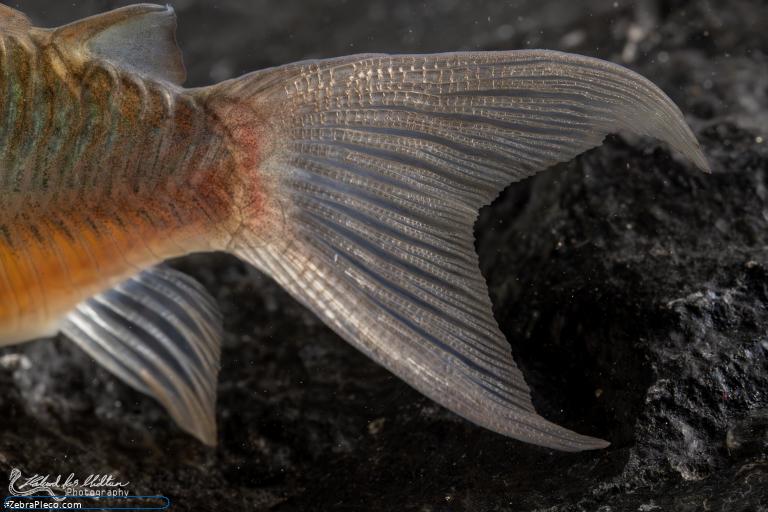
Community & Keeper Tally
Member interactions, breeding records and forum mentions
Aquarium Care & Husbandry
Dietary requirements, tank setup, compatibility and breeding
Feeding & Diet
A fish that likes to dig around for food, but will eat all prepared foods that find their way to the substrate. Live bloodworms or tubifex are especially relished - be careful with the tubifex. It can be difficult to feed carefully and if it starts living in the tank water conditions can quickly deteriorate. This can, at least in part, be controlled by offering tubifex in a shallow ceramic bowl. [View Member Food Stats]
Aquarium Furniture & Decor
Open spaces of substrate, and rock or wood refuges, slightly elevated to provide the shade these fish like to rest under, in rare moments of inactivity.
Compatibility & Suggested Tankmates
An ideal community tank resident, keep in shoals.
Tankmates: Can be kept with most fish. More suitable for keeping with loaches than Corydoras as their larger size helps them compete better for food. Boisterous enough to be kept in more dynamic aquaria. Perfect for an Amazon River biotope.
Breeding Notes
See catfish of the month link below.
Habitat & Water Parameters
Natural distribution, biotope water conditions and temperature ranges
Geographic Distribution
South America: Ecuador, Peru, Brazil
Amazon (click on these areas to find other species found there)
Login to view the map.
Species Description & Identification
Morphology, diagnostic traits and sexual dimorphism
Taxonomy, Synonyms & Etymology
Classification history, linguistic derivations and variant forms
Synonyms
Brochis coeruleus, Brochis dipterus, Callichthys splendens, Callichthys taiosh, Chaenothorax bicarinatus, Chaenothorax eigenmanni, Corydoras semiscutatus, Corydoras splendens
Pronunciation
bro kiss - SPLEN denz
Etymology
This specific epithet means "to shine" (splendes=shine).
There are 6 other speciesAmeca splendens
Betta splendens
Leptopanchax splendens
Nanochromis splendens
Neolamprologus splendens
Pareiorhaphis splendens with this specific name.
Literature & Resources
Scientific publications, external links and citation tools
Description Reference
Exped. Amer. Sud.v. 2 - pp39 - Pl. 18 (fig. 3)
External Databases
Related Searches