PAGE_HEADER
Image Showcase
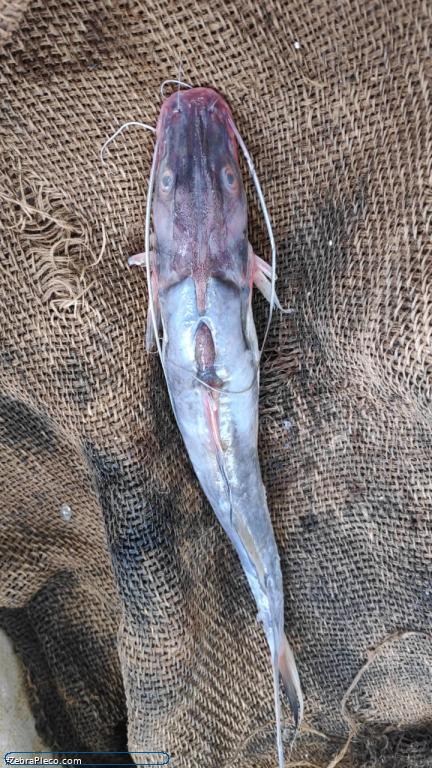
Photographs, diagnostic angles and morphological variants
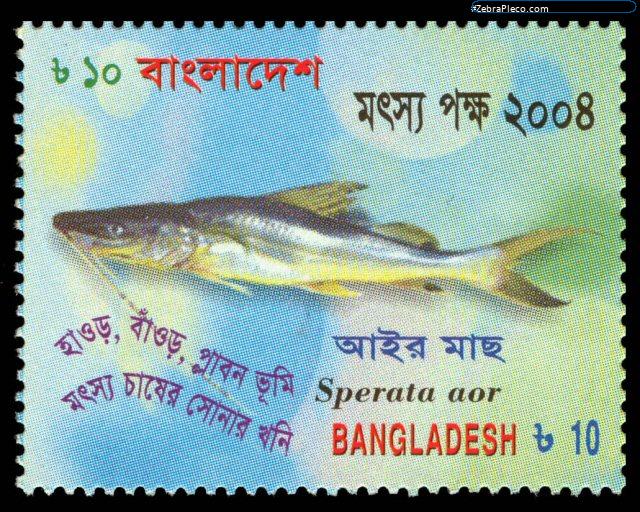
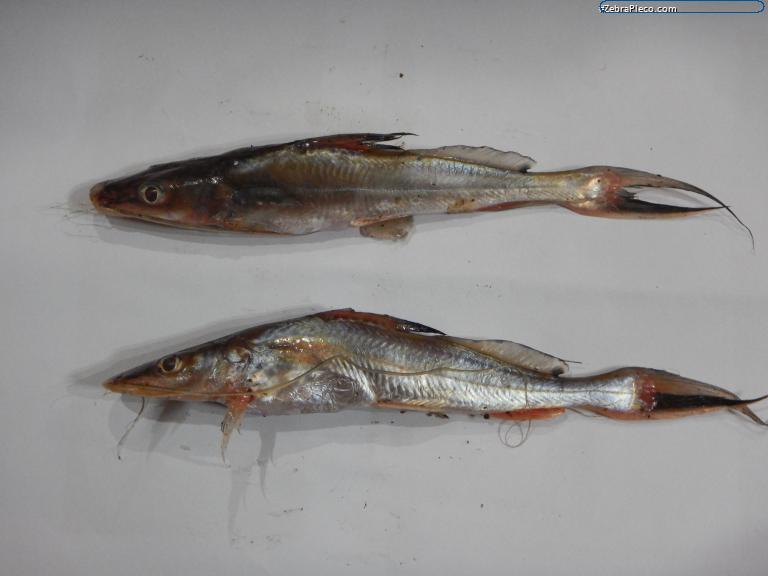
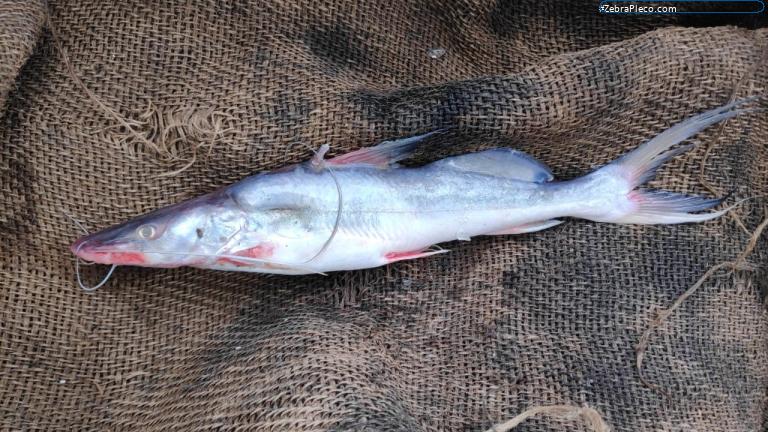
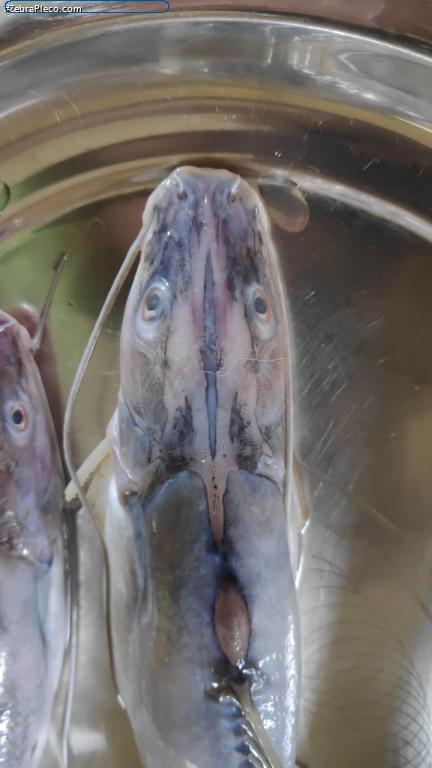
Community & Keeper Tally
Member interactions, breeding records and forum mentions
Aquarium Care & Husbandry
Dietary requirements, tank setup, compatibility and breeding
Feeding & Diet
Readily feeds on live or frozen foods, smaller fishes, shrimps, and prepared foods such as pellets. [View Member Food Stats]
Aquarium Furniture & Decor
Provide ample driftwood for shelter.
Compatibility & Suggested Tankmates
Not suitable with smaller tankmates, as it will eat them. Territorial with conspecifics, so best kept alone.
Breeding Notes
Not reported in aquaria. Spawning is said to occur before the beginning of the southwest monsoon season in India. Individuals spawn at irregular intervals throughout the reproductive season and females can produce more than 1.2 million ova. It has been suggested that the males incubate the eggs in highly vascularized, spongy skin on the ventral surface of their abdomen and then feed the newly-hatched fry with a milky-white exudate from the abdominal wall.
Habitat & Water Parameters
Natural distribution, biotope water conditions and temperature ranges
Geographic Distribution
Asia: Afghanistan, Pakistan, India, Nepal and Bangladesh.
Indian waters, North Eastern India Waters, Padma, Ganges (click on these areas to find other species found there)
Pakistan Waters, Indus (click on these areas to find other species found there)
Indian waters, Andhra Pradesh State Waters, Krishna (click on these areas to find other species found there)
Login to view the map.
Species Description & Identification
Morphology, diagnostic traits and sexual dimorphism
Identification
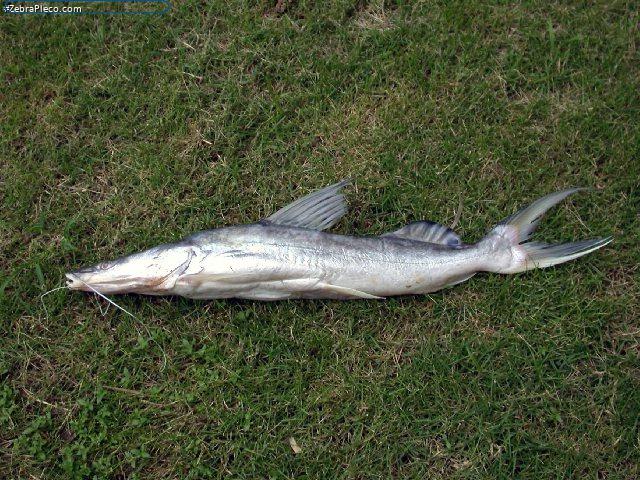
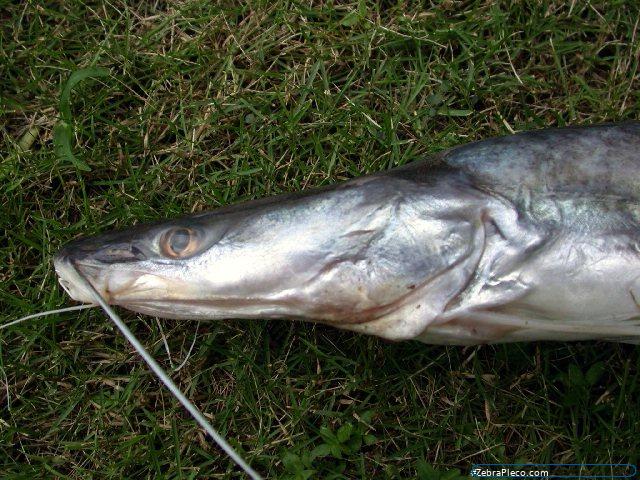
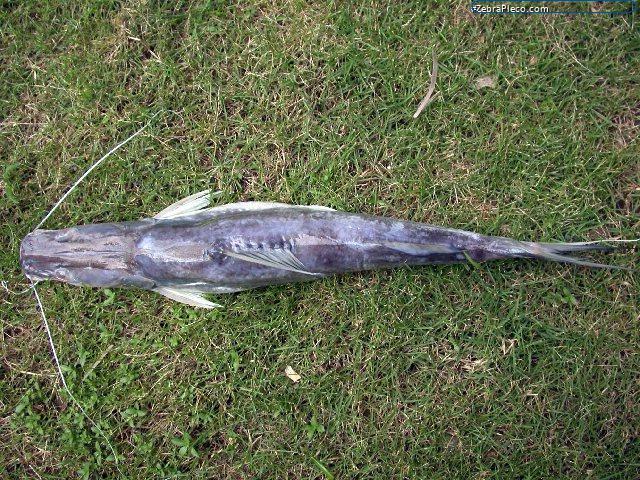
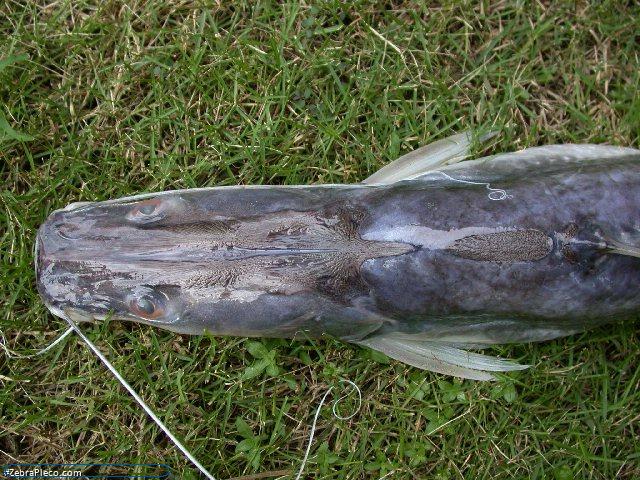
Eye situated completely in anterior half of head, more precaudal vertebrae (21-23) than congeners, length of supraoccipital spine less than interneural shield.
Sexual Dimorphism (Sexing)
Males are more slender and have an elongate genital papilla in front of the anal fin.
Taxonomy, Synonyms & Etymology
Classification history, linguistic derivations and variant forms
Synonyms
Aor seenghala, Aor seenghala, Aoria seenghala, Aorichthys aor sarwari, Aorichthys seengala, Aorichthys seenghala, Bagrus aorinus, Bagrus lamarrii, Bagrus seenghala, Macrones lamarrii, Macrones seenghala, Mystus seenghala, Mystus seenghali, Mystus seenghara, Platystoma seenghala, Platystomus seenghala, Sperata sarwari
Pronunciation
ss per AT ah - SING hah lah
Etymology
The genus is named after MA Sperat. The specific epithet comes from the Bihari (and Oriya) names of the fish (seenghala or singara).
Literature & Resources
Scientific publications, external links and citation tools
Description Reference
Proceedings of the Zoological Society of London 1838 (pt 6) (for 27 Nov. 1838), pp 164.
External Databases
Related Searches