PAGE_HEADER
Image Showcase
Photographs, diagnostic angles and morphological variants
Community & Keeper Tally
Member interactions, breeding records and forum mentions
Aquarium Care & Husbandry
Dietary requirements, tank setup, compatibility and breeding
Feeding & Diet
Broadly omnivorous with a preference for meaty (insect based) foods. [View Member Food Stats]
Aquarium Furniture & Decor
Rocks, driftwood, dead leaves with sand.
Compatibility & Suggested Tankmates
Generally peaceful but territorial towards other plecos of similar size.
Tankmates: Small tetras and other similar small fish. Also Corydoras. Care has to be taken to ensure that they get enough food, as they can be a bit shy and slow to grab food when available.
Breeding Notes
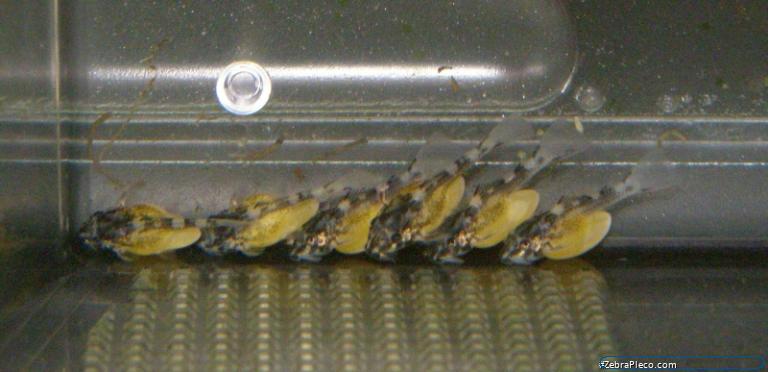
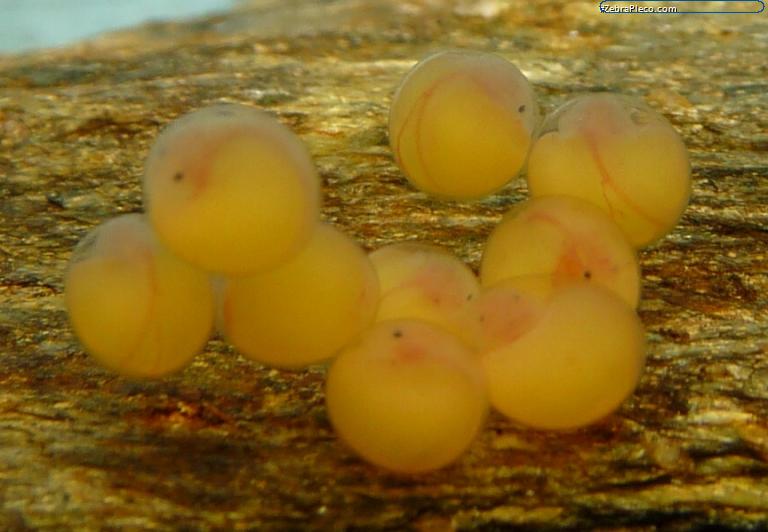
Can be bred in a large variety of water parameters, breeding isn’t hard to achieve, brood are of small size of around 10-15 eggs, male will guard the eggs and fry in the cave until they are free swimming. Female will breed one at a time like other Hypancistrus.
Habitat & Water Parameters
Natural distribution, biotope water conditions and temperature ranges
Geographic Distribution
L340 was first found in the Tomo river basin, but a wider distribution is likely.
Orinoco, Middle Orinoco, Tomo (click on these areas to find other species found there)
Login to view the map.
Species Description & Identification
Morphology, diagnostic traits and sexual dimorphism
Identification
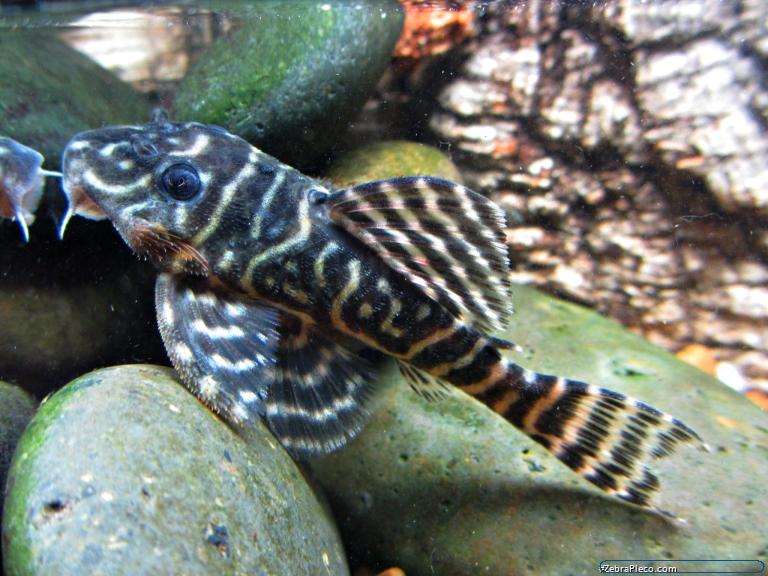
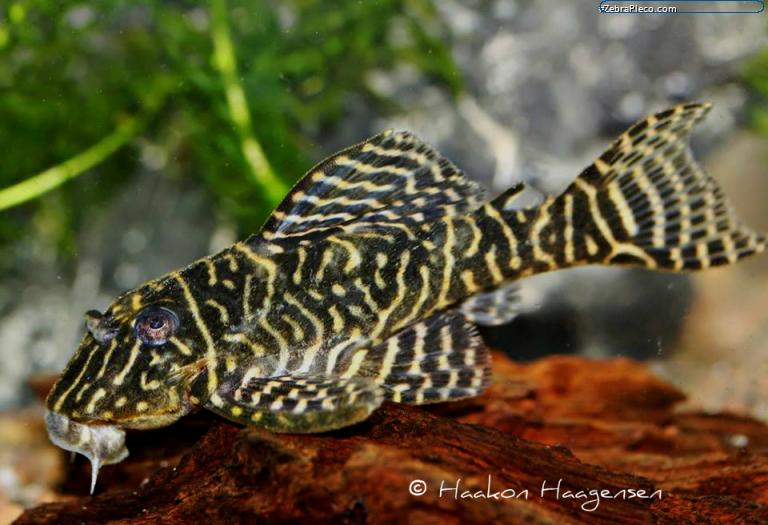
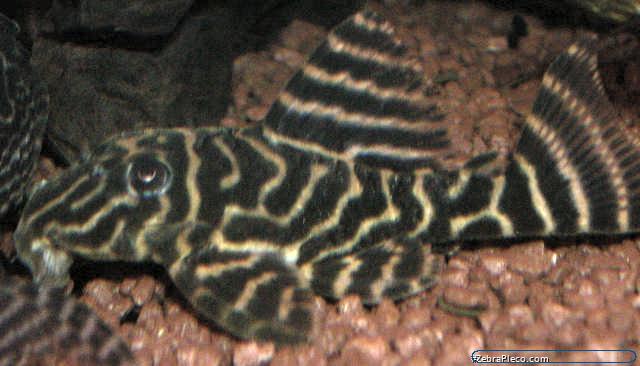
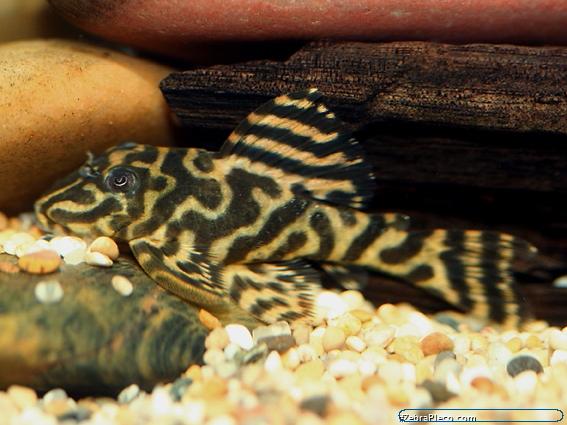
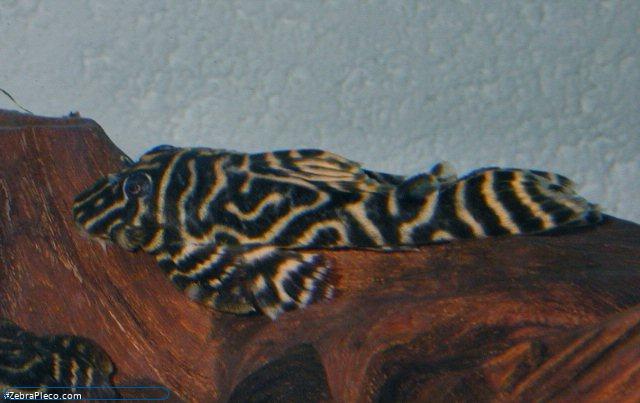
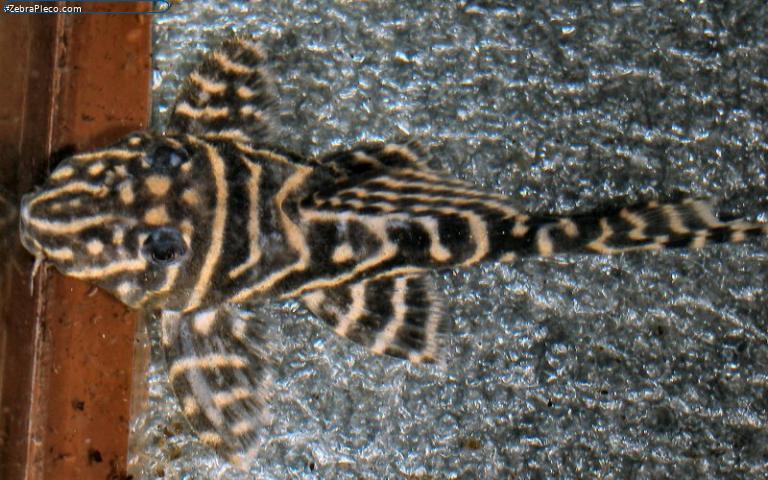
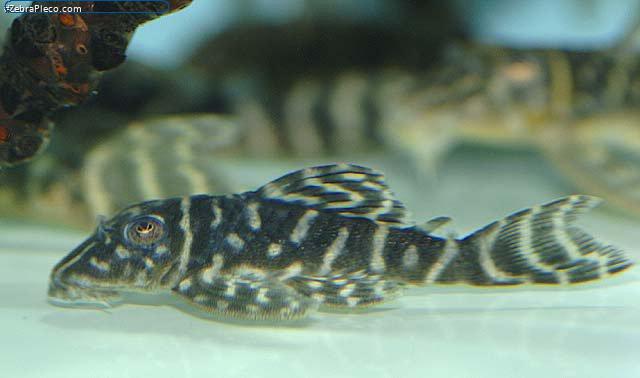
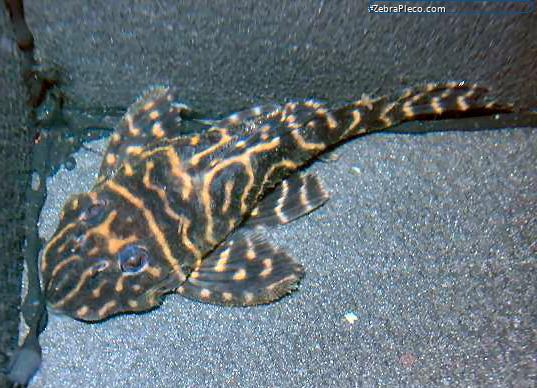
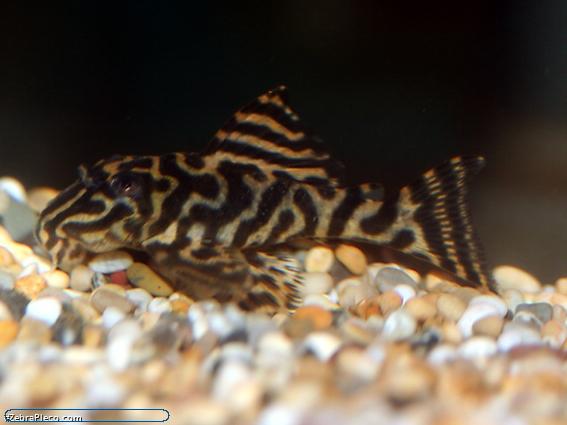
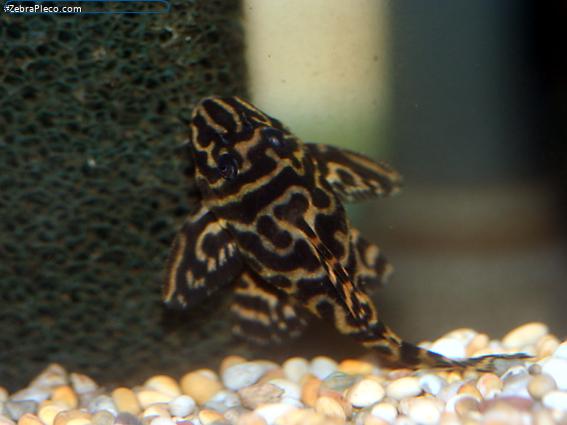
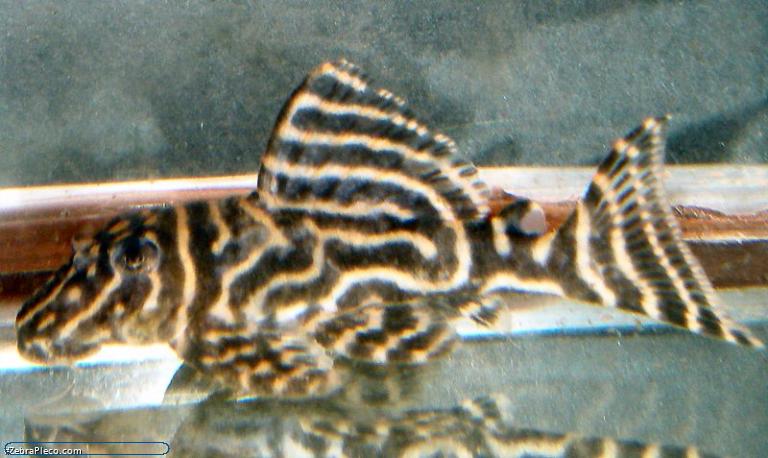
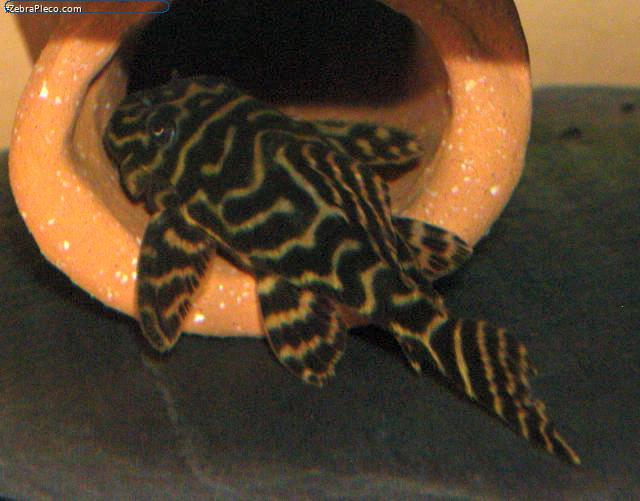
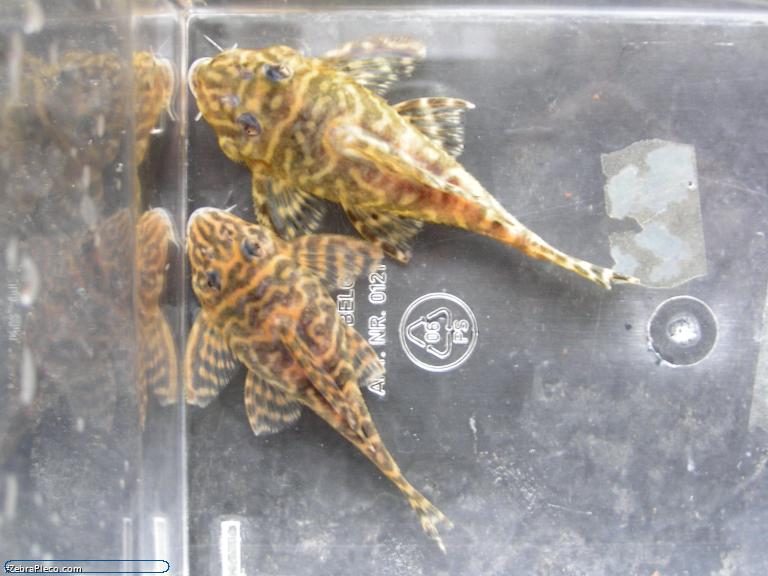
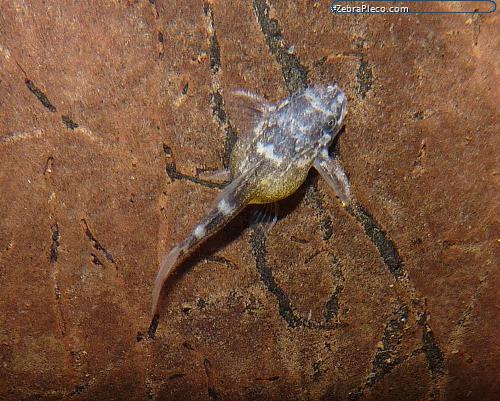
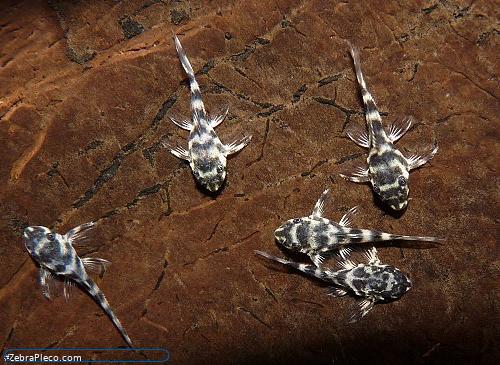
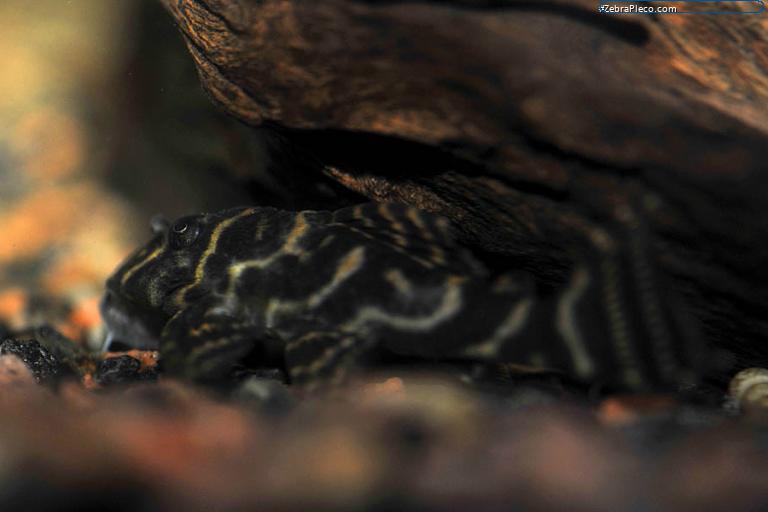
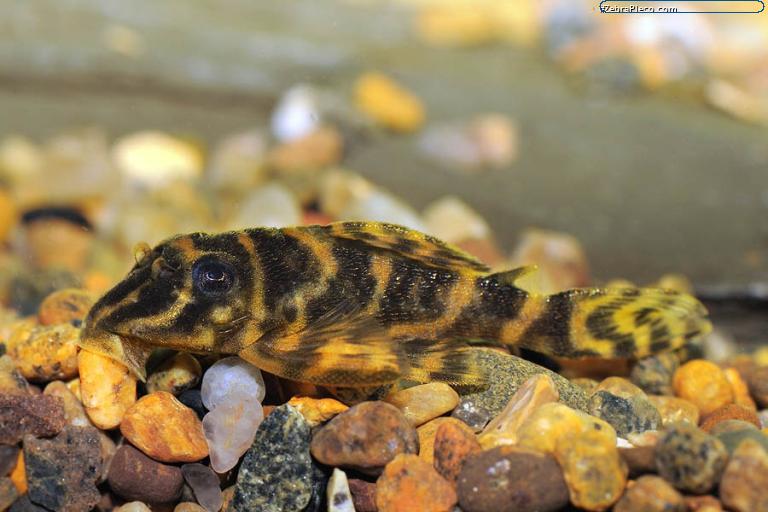
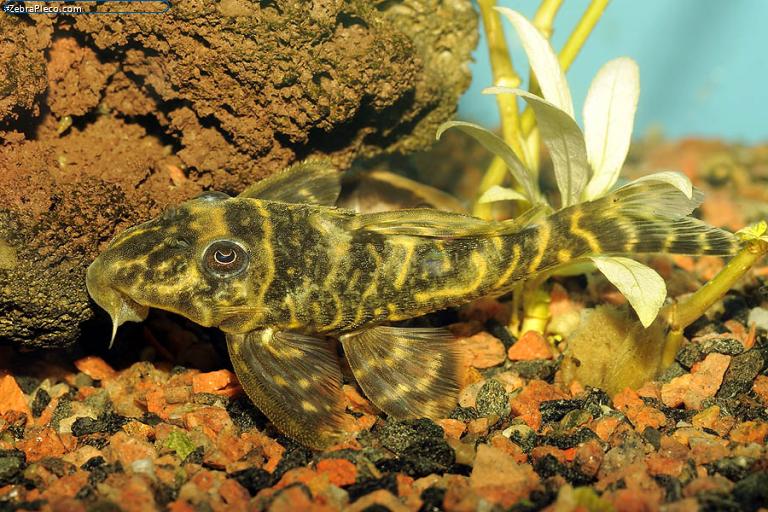
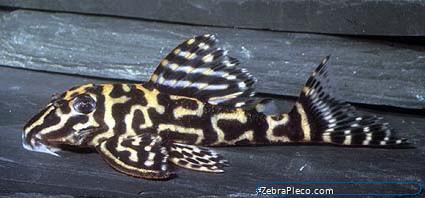
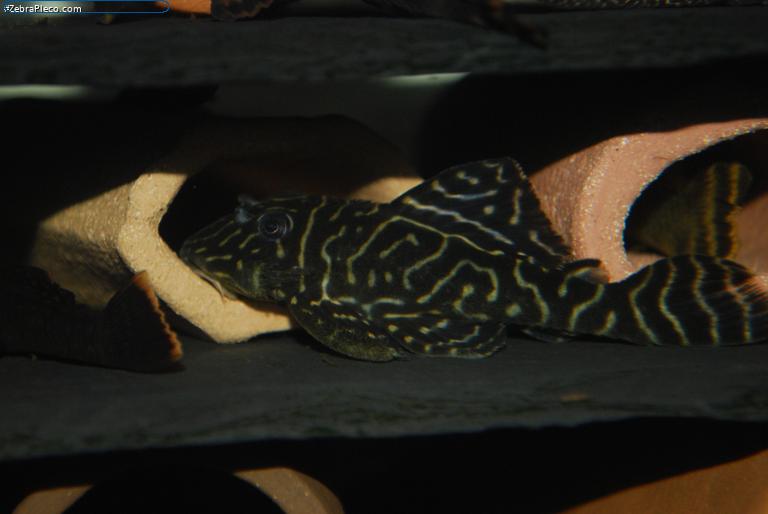
This species smaller size, the orange colour and the well marked eye junction is a good way to id this species. Can be confused with more strikingly marked Hypancistrus debiliterra.
Sexual Dimorphism (Sexing)
Mature males have thicker first pectoral ray, more pronounced odontodes on the first pectoral fin ray and odontodes on the cheeks and/or rear of the body, and typically a wider head. Mature females are wider around the middle of the body, and much less noticeable body and fin odontodes.
Taxonomy, Synonyms & Etymology
Classification history, linguistic derivations and variant forms
Pronunciation
hype an siss truss
Etymology
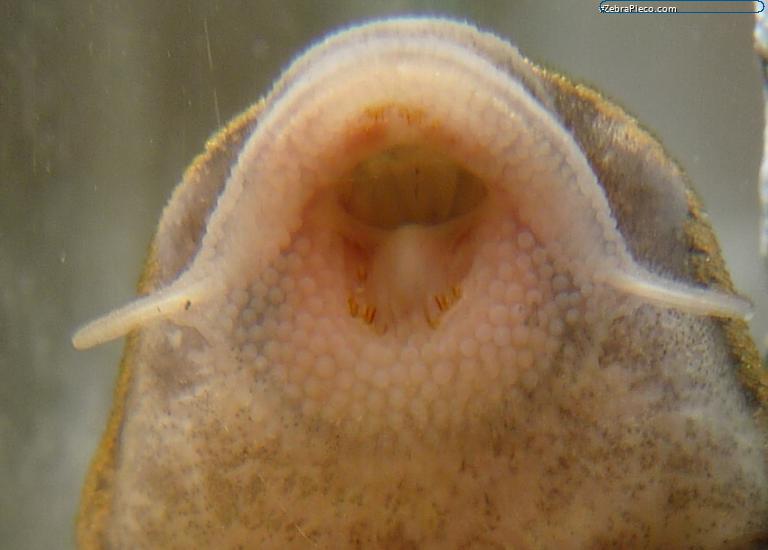
A contraction of the Greek hypo (meaning less than) and ancistrus, an allusion to the reduced number of teeth (particularly in the lower jaw) found in this genus.
Literature & Resources
Scientific publications, external links and citation tools
Related Searches