PAGE_HEADER
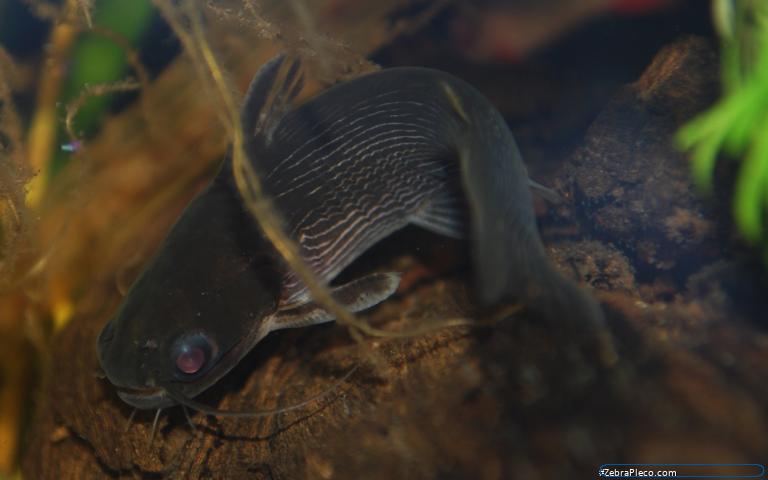
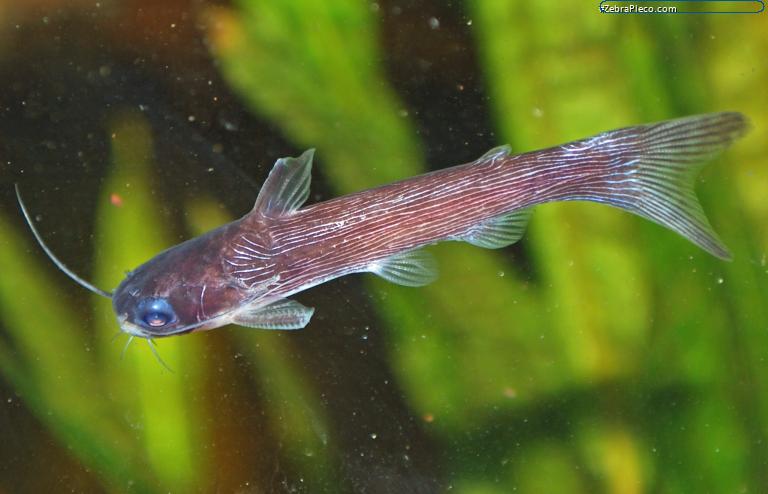
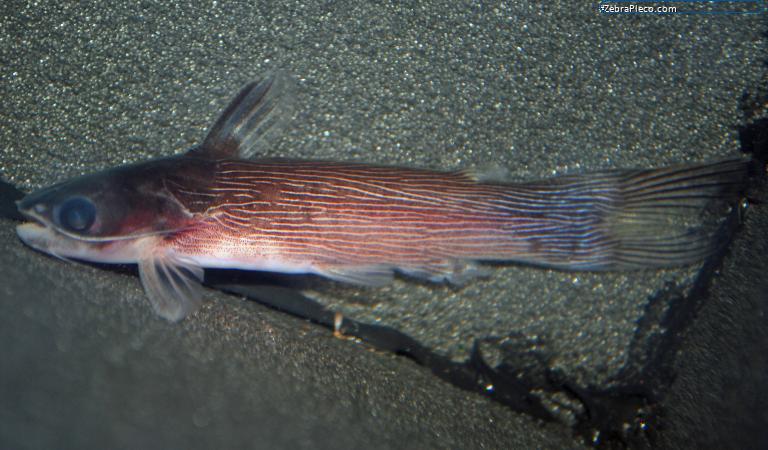
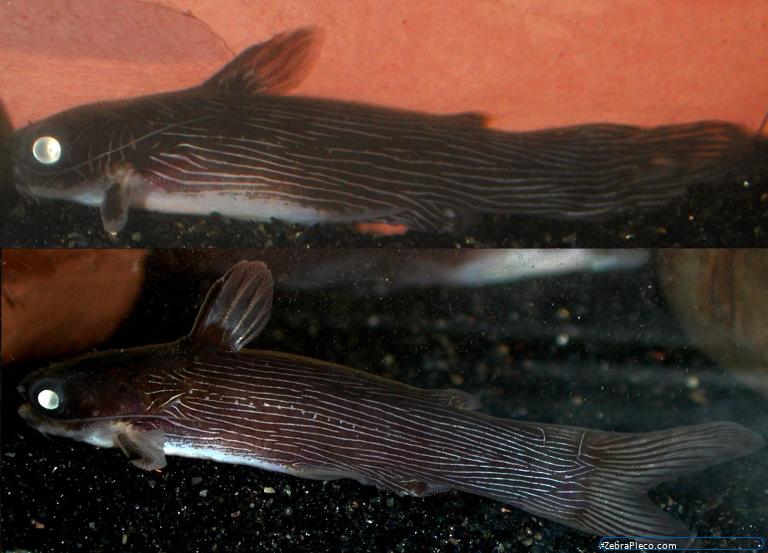
Tatia strigata Soares-Porto, 1995
Image Showcase
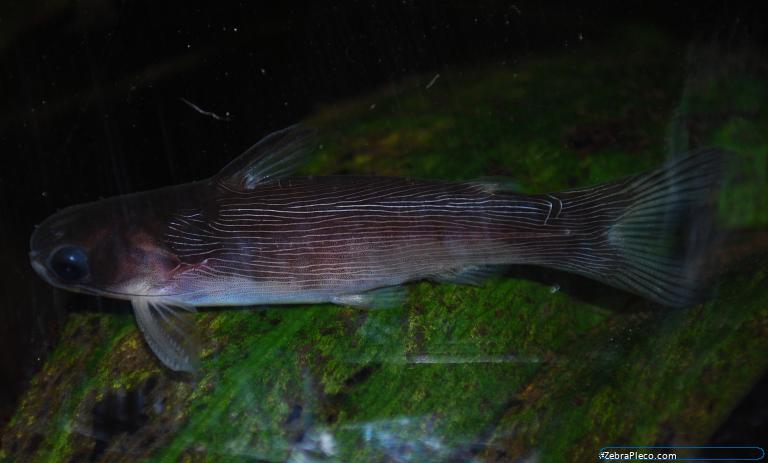
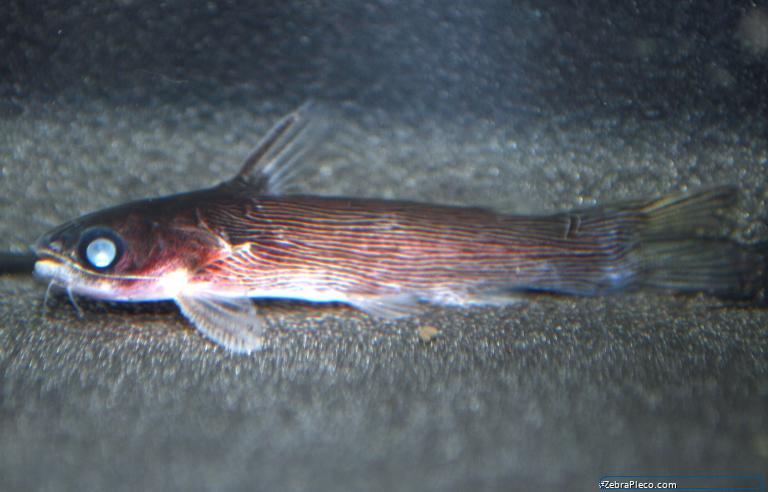
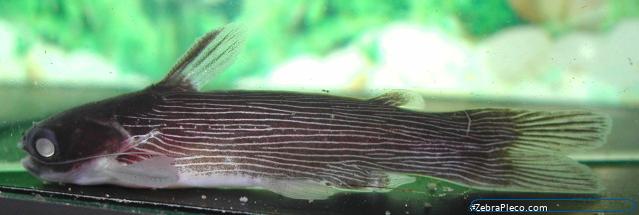
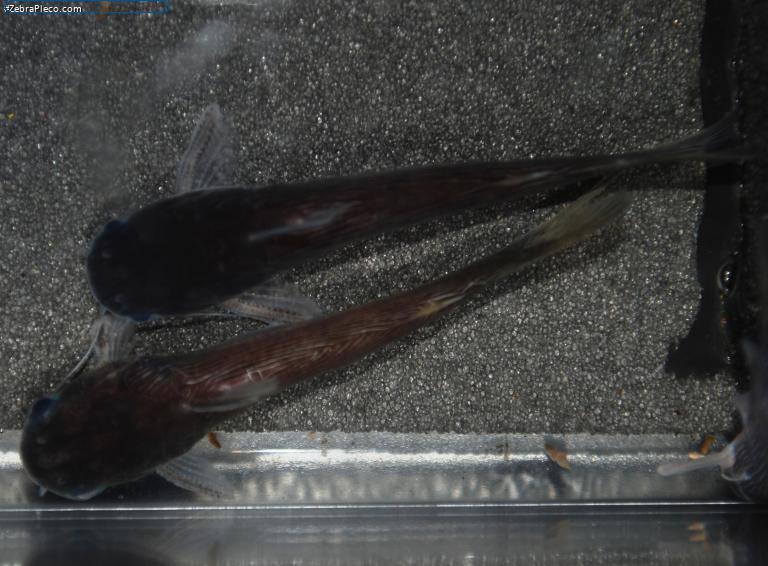
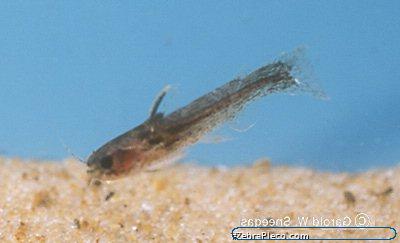
Photographs, diagnostic angles and morphological variants
Community & Keeper Tally
Member interactions, breeding records and forum mentions
Aquarium Care & Husbandry
Dietary requirements, tank setup, compatibility and breeding
Feeding & Diet
Feeds mainly on insects. [View Member Food Stats]
Aquarium Furniture & Decor
As the common name for this family, woodcat, implies, these fish like pieces of wood with crevices and gaps to squeeze into.
Breeding Notes
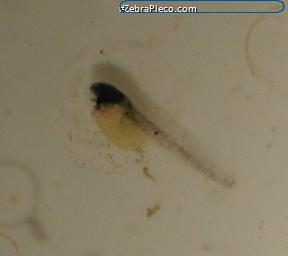
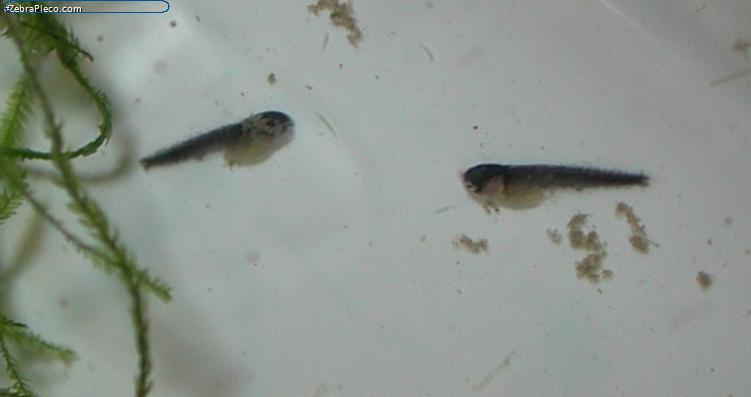
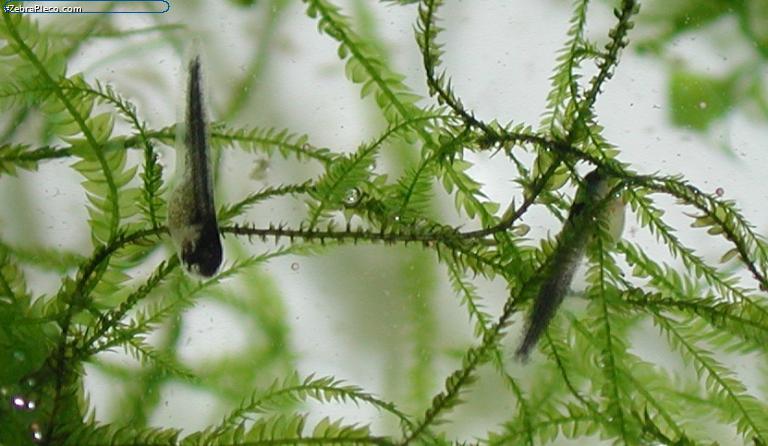
Has been bred a few times in the aquarium. Eggs are scattered individually across the tank as opposed to laid in a clump like some congeners. The species isn't difficult to spawn, however, the eggs are hard to develop and the fry are hard to raise. The eggs only develop in very soft acidic water, without this they "melt". The fry from this species are quite small, with a high mortality rate. They can only be weaned on liquid foods for the first couple of weeks, after that they are quite easy to rear.
Habitat & Water Parameters
Natural distribution, biotope water conditions and temperature ranges
Geographic Distribution
South America: Amazon River basin and upper reaches of the Orinoco, in Brazil and Venezuela.
Amazon (click on these areas to find other species found there)
Orinoco, Upper Orinoco (click on these areas to find other species found there)
Login to view the map.
Species Description & Identification
Morphology, diagnostic traits and sexual dimorphism
Sexual Dimorphism (Sexing)
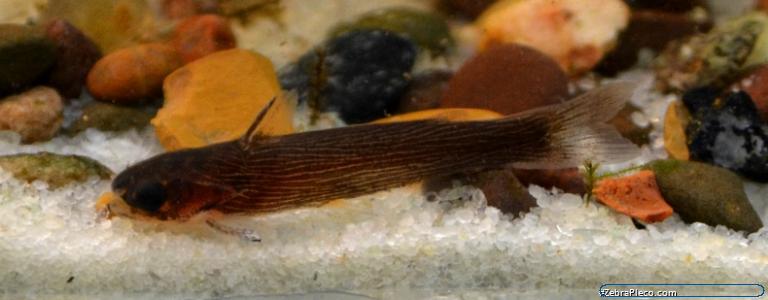
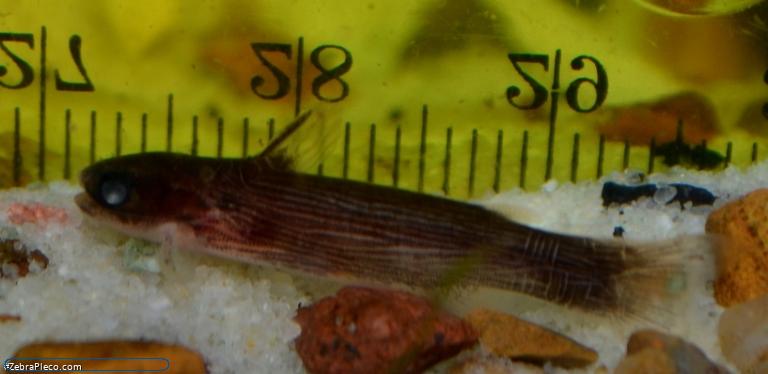
Mature males exhibit modified anal fin copulatory organ.
General Remarks
Imported and photographed for the first time in early 2011. Although the description of this species notes the maximum length of specimens treated therein as 32mm, aquarists have recorded the species up to at least the SL presented here.
Taxonomy, Synonyms & Etymology
Classification history, linguistic derivations and variant forms
Pronunciation
TA tee ah
Etymology
Tatia: Named after the ichthyologist C. Tate Regan.
There are 2 other speciesCarnegiella strigata
Lugubria strigata with this specific name.
Literature & Resources
Scientific publications, external links and citation tools
Description Reference
Ichthyological Exploration of Freshwaters v. 6 (no. 3), pp 202, Fig. 1.
External Databases
Related Searches