PAGE_HEADER
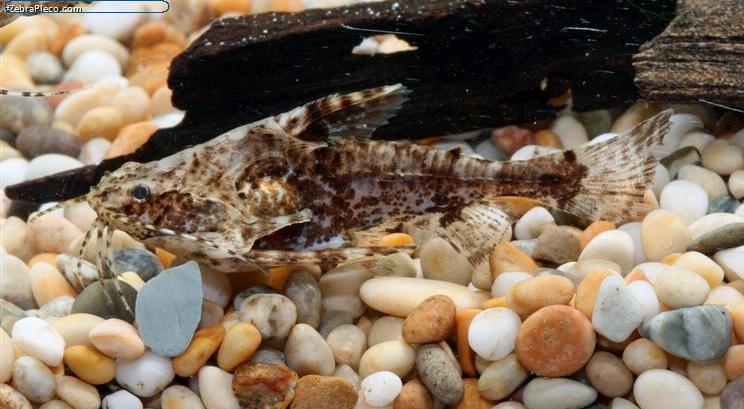
Physopyxis lyra Cope, 1872
Image Showcase
Photographs, diagnostic angles and morphological variants
Community & Keeper Tally
Member interactions, breeding records and forum mentions
Aquarium Care & Husbandry
Dietary requirements, tank setup, compatibility and breeding
Feeding & Diet
A nocturnal scavenger. The best way to ensure this fish is properly fed is to introduce sinking food into the tank after dark. Most foods would be accepted gluttonously. Individuals will gorge themselves on food to the point of appearing fit to burst. [View Member Food Stats]
Aquarium Furniture & Decor
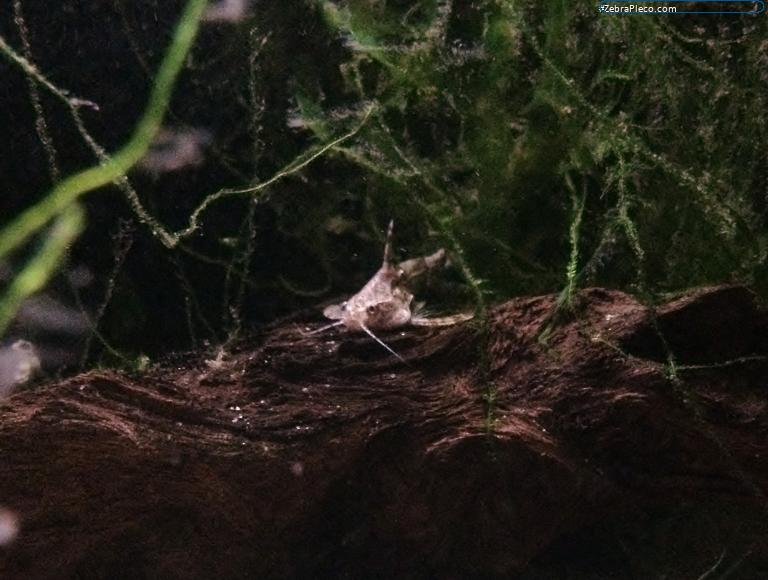
Usually found in places with accumulated organic debris, like dense meshes of roots of floating aquatic plants. Specimens also can be found among submersed leaf litter and among root mats of river bank plants. Aquarium observations indicate that P. lyra is predominantly nocturnal, and spends most of day time sheltered among submersed root mats or buried in sand.
Compatibility & Suggested Tankmates
Peaceful and small, would be perfect with anything that wouldn't consider it food.
Tankmates: Due to its diminutive size tank mates should be relatively small, Apistogramma species are found in the same habitat.
Breeding Notes
No member of this genus has been bred in the aquarium.
Habitat & Water Parameters
Natural distribution, biotope water conditions and temperature ranges
Geographic Distribution
South America: Amazon and Essequibo River basins.
Amazon (click on these areas to find other species found there)
Amazon, Upper Amazon, Ampiyacu (click on these areas to find other species found there)
Guyana Waters, Coastal Rivers of Guyanas, Essequibo (click on these areas to find other species found there)
Amazon, Upper Amazon, Nanay (click on these areas to find other species found there)
Login to view the map.
Species Description & Identification
Morphology, diagnostic traits and sexual dimorphism
Identification
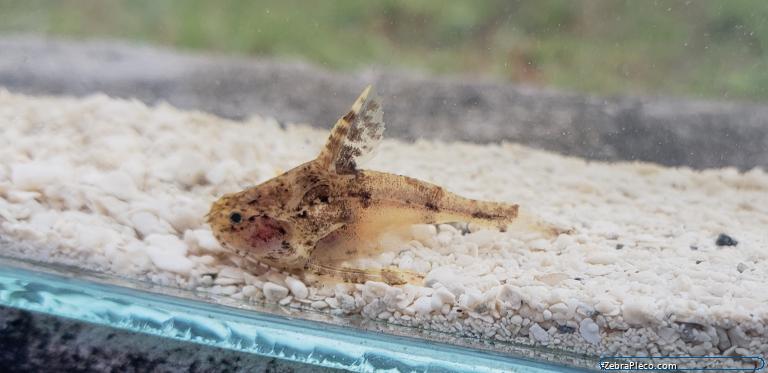
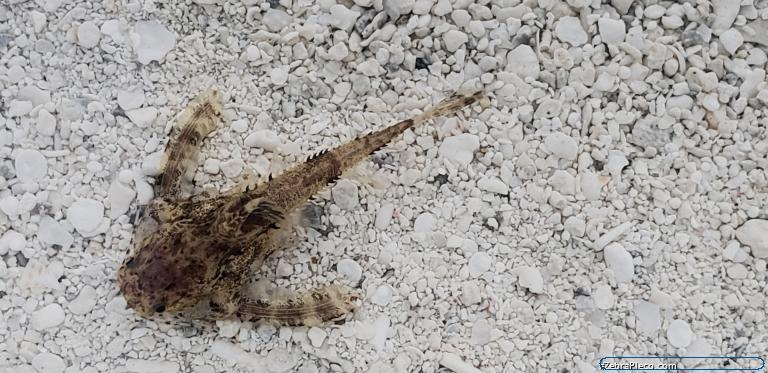
Physopyxis can be distinguished from the other Doradidae by the miniature size (adults generally less than 31 mm SL) and a unique combination of additional features: extreme development of the exposed pectoral girdle; well developed coracoid process longer than the postcleithral process; anterior plate of the nuchal shield absent; dorsal spine serrated only along the basal portion of its anterior margin; two infraorbital bones in young that become fused into a single plate in adult specimens; pectoral spine reaching to base of anal fin.
Physopyxis lyra differs from the other species of the genus by possessing a single row of spines on the lateral plates and a strong scapular girdle with long, broad coracoid processes having distal tips enlarged and divergent.
Taxonomy, Synonyms & Etymology
Classification history, linguistic derivations and variant forms
Etymology
There is 1 other speciesSturisoma lyra with this specific name.
Literature & Resources
Scientific publications, external links and citation tools
Description Reference
Proceedings of the Academy of Natural Sciences of Philadelphia v. 23, pp 273, Pl. 5 (figs. 1a-1c).
External Databases
Related Searches