PAGE_HEADER
Noturus insignis (Richardson, 1836)
Image Showcase
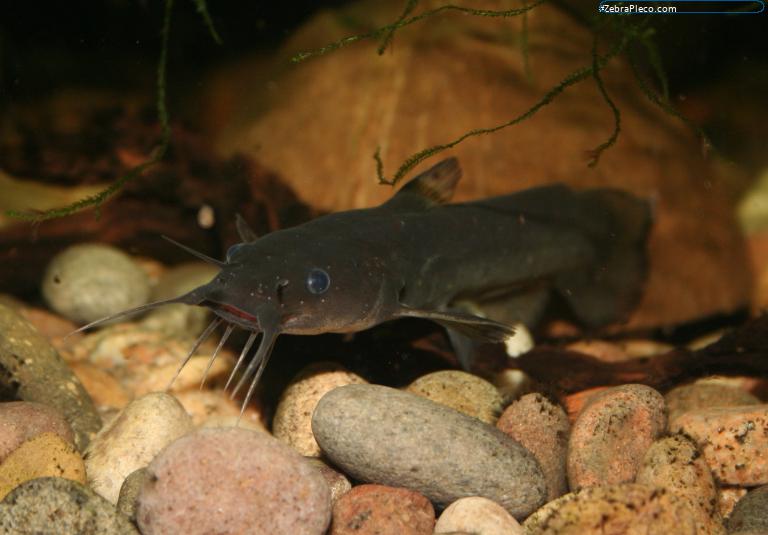
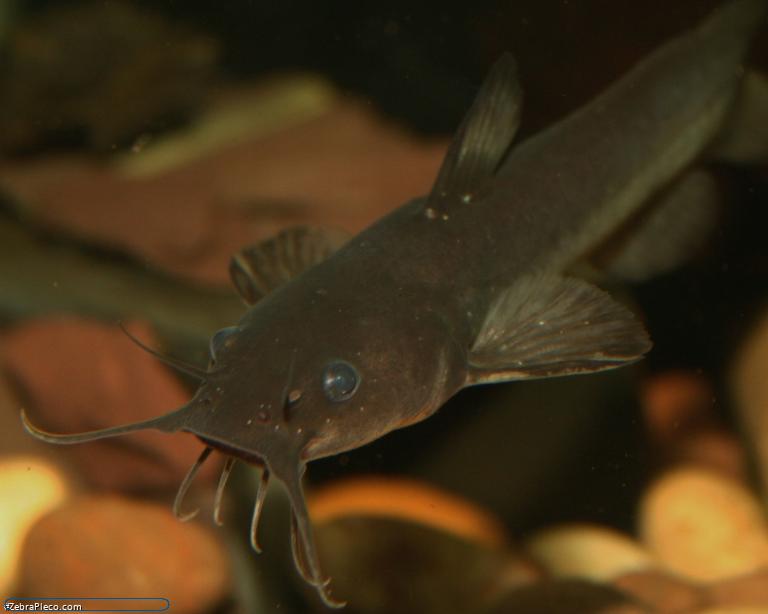
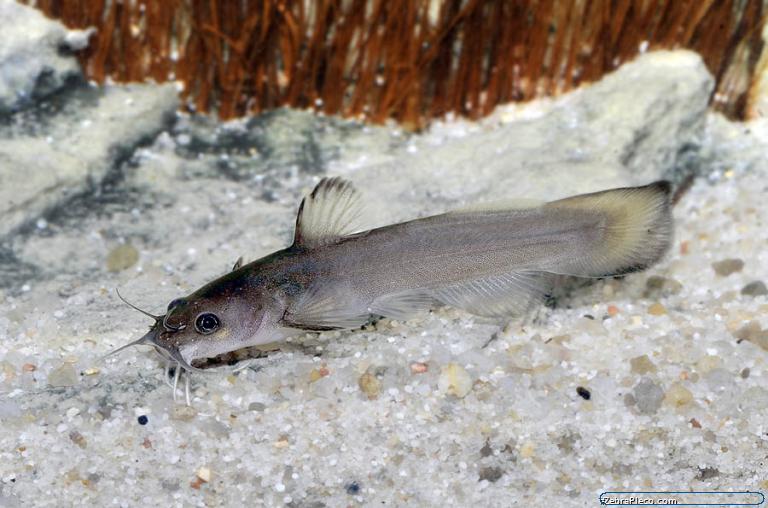
Photographs, diagnostic angles and morphological variants
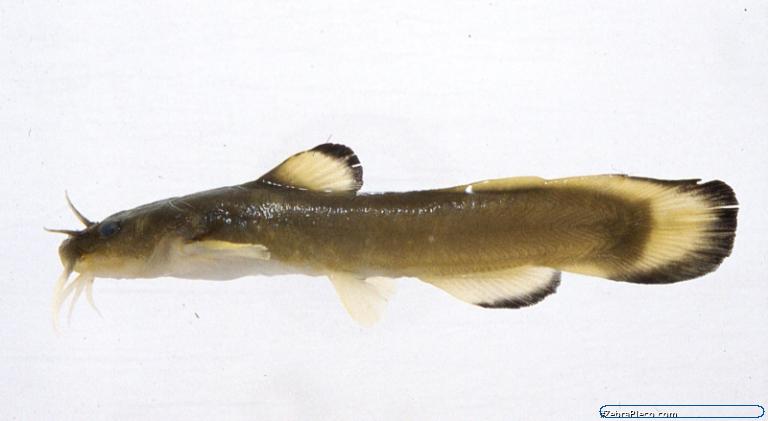
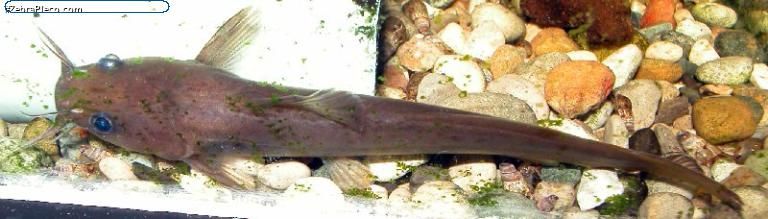
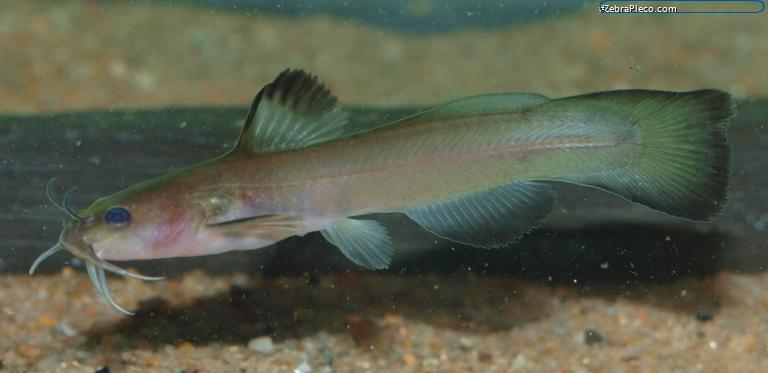
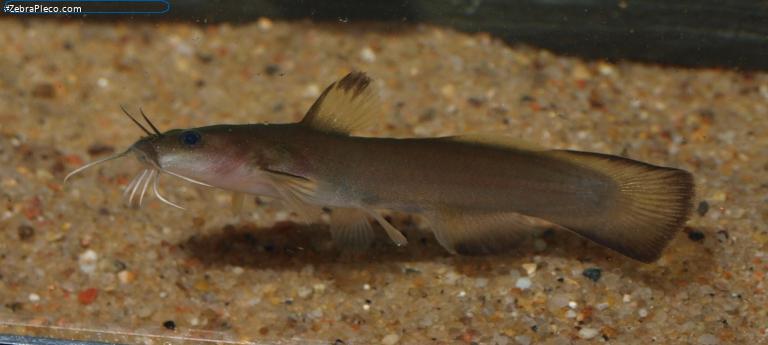
Community & Keeper Tally
Member interactions, breeding records and forum mentions
Aquarium Care & Husbandry
Dietary requirements, tank setup, compatibility and breeding
Feeding & Diet
Readily feeds on live and frozen foods. Will also adapt to flake and prepared foods for the aquarium. [View Member Food Stats]
Aquarium Furniture & Decor
Provide sand mixed with peat moss, pvc pipes, flat rocks and vegetation.
Compatibility & Suggested Tankmates
Suitable for a coldwater community tank.Ideal tank mates include small-midsized North american native fishes such as darters and shiners.
Tankmates: Ideal tankmates include small to midsized North American native fishes such as darters and shiners.
Breeding Notes
Spawning occurs in the months of May-August. It is difficult in the aquarium however it has been done when wild caught specimens are added to aquariums with warmer temperatures than the river or drainage system they are captured from. Nests are sited beneath flat rocks in gentle runs and in slow water above and below riffles. Eggs number 54-200 per clutch and are guarded by the male.
Habitat & Water Parameters
Natural distribution, biotope water conditions and temperature ranges
Geographic Distribution
North America: Atlantic Slope from St. Lawrence River and southeastern Lake Ontario drainages in New York to upper Altamaha River drainage in Georgia, USA; upper Kanawha (New) River system in Virginia and North Carolina, USA; upper Monongahela River system in the USA.
North American Atlantic Drainages (click on these areas to find other species found there)
Login to view the map.
Species Description & Identification
Morphology, diagnostic traits and sexual dimorphism
Identification
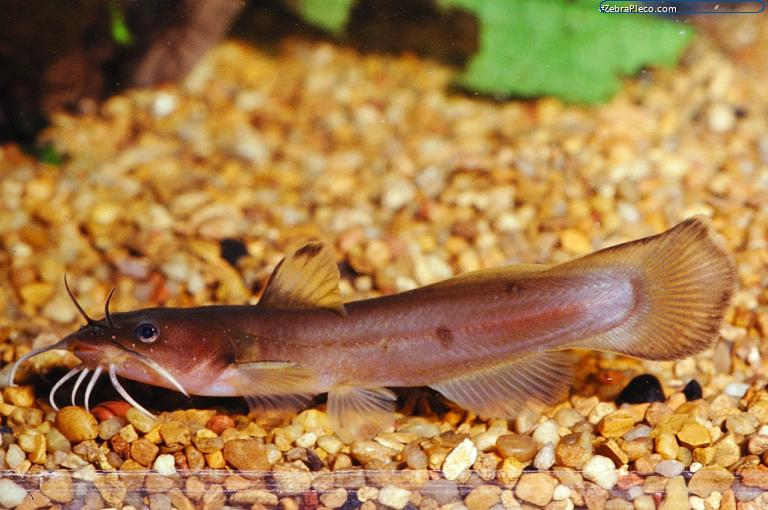
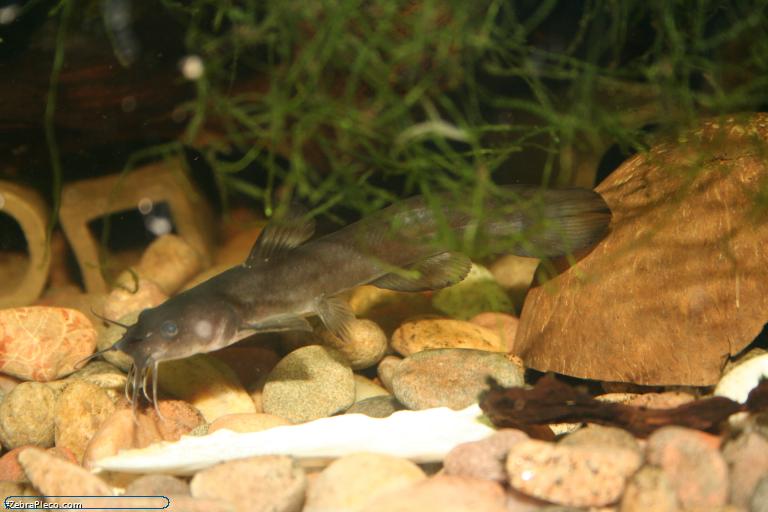
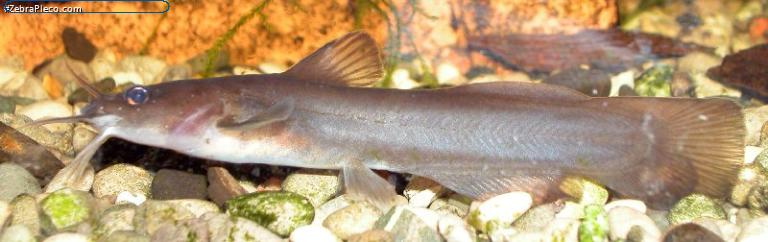
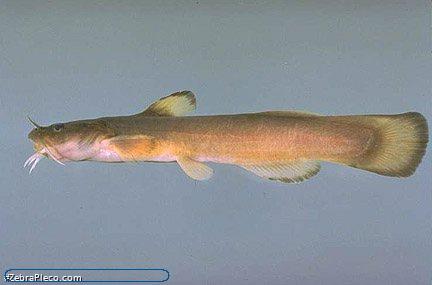
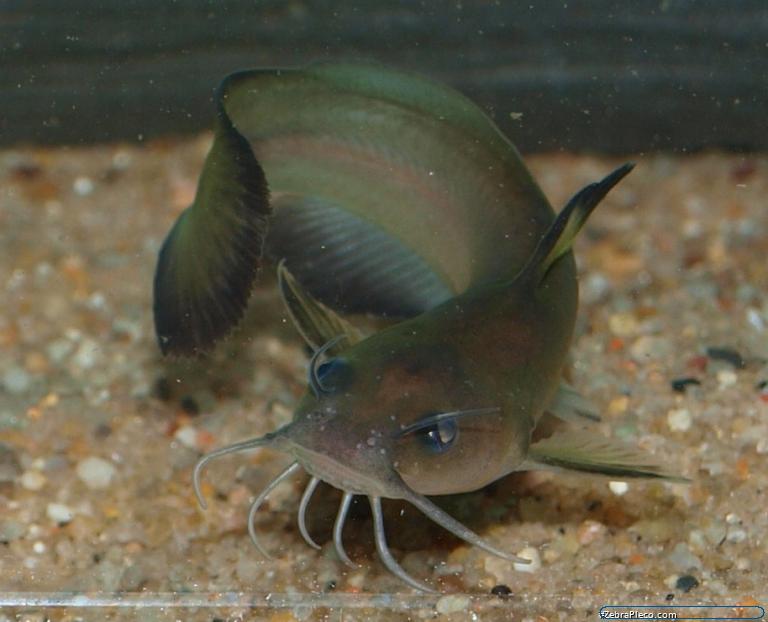
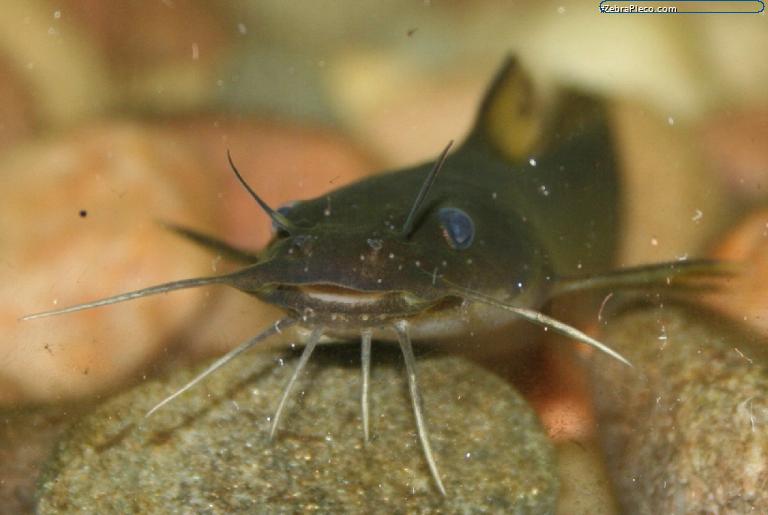
Yellow to slate grey above; white or light below; yellow or light grey fins. upper jaw projects beyond lower jaw. 15-21 anal rays.
Sexual Dimorphism (Sexing)
Breeding male with swollen lips,enlarged cephalic epaxial muscles, and large bulbous gentital papilla. Female with papilla with deep median groove ending in a small bump
General Remarks
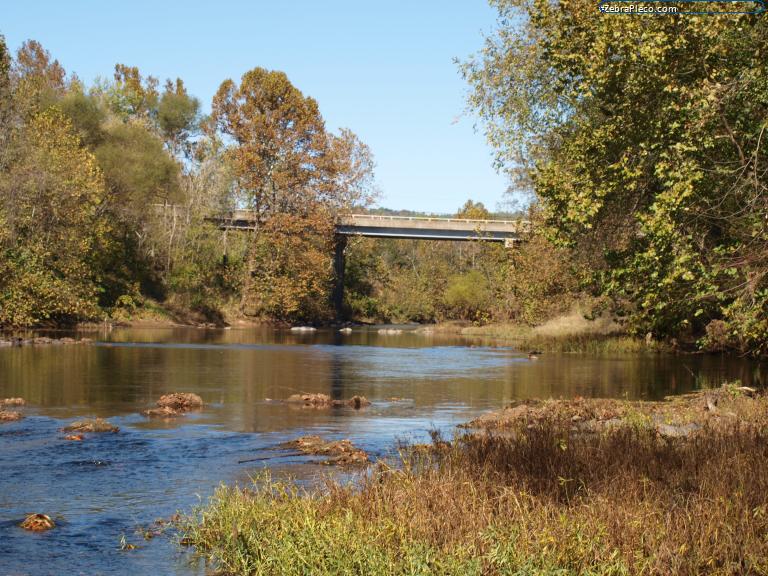
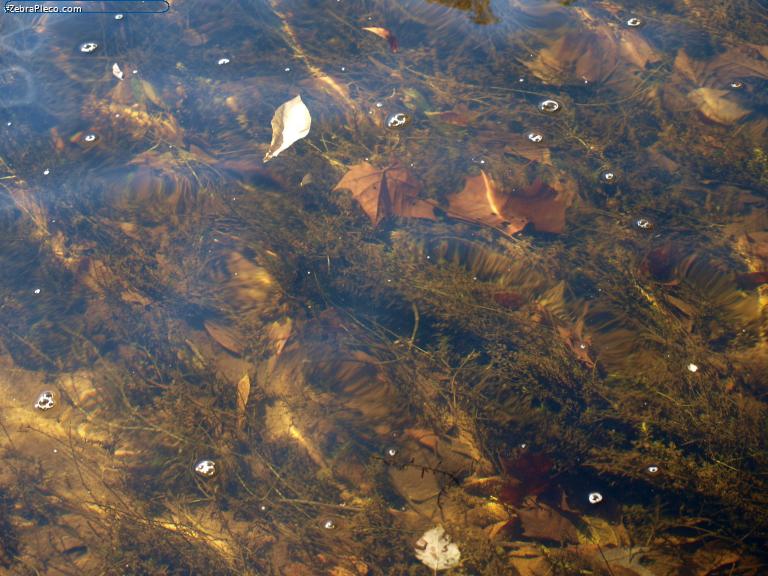
Inhabits rocky riffles and runs of clear, fast creeks and small to medium rivers.
Taxonomy, Synonyms & Etymology
Classification history, linguistic derivations and variant forms
Synonyms
Noturus marginatus, Pimelodon insignarius, Pimelodus insigne, Pimelodus lemniscatus, Schilbeodes marginatus, Schilbeodes marginatus atrorus
Pronunciation
no two russ - in SIG niss
Etymology
From the Greek notos, meaning back and oura, meaning tail. In reference to the confluent adipose and caudal fins. The specific name comes from the Latin insignis, meaning distinguished, in reference to the distinctly marked fins.
There are 6 other speciesBreitensteinia insignis
Brycon insignis
Mesonauta insignis
Oreoglanis insignis
Semaprochilodus insignis
Trachelyopterus insignis with this specific name.
Literature & Resources
Scientific publications, external links and citation tools
Literature & References
External Databases
Related Searches