PAGE_HEADER
Platystacus cotylephorus Bloch, 1794
Image Showcase
Photographs, diagnostic angles and morphological variants
Community & Keeper Tally
Member interactions, breeding records and forum mentions
Aquarium Care & Husbandry
Dietary requirements, tank setup, compatibility and breeding
Feeding & Diet
A nocturnal scavenger. Will eat most food after lights our. Can be tempted to eat frozen foods during the day. [View Member Food Stats]
Aquarium Furniture & Decor
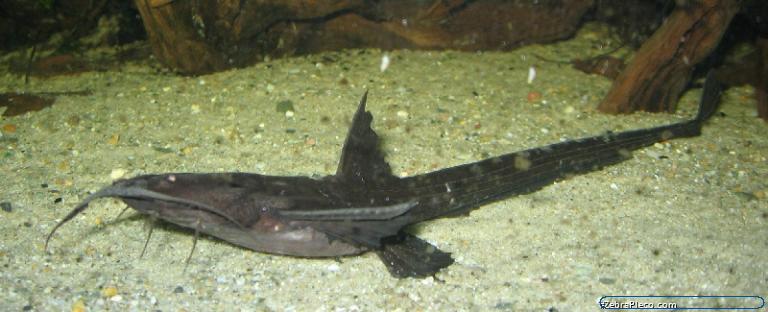
A large sandy bottom with leaf cover is ideal, fish of all ages will bury in the sand. Larger fish will bury in gravel.
Compatibility & Suggested Tankmates
Will eat small fish and shrimps but otherwise entirely docile.
Tankmates: Small to medium sized hardy, preferably Amazon, fish that do not mind the higher pH and hardness this species prefers. Care should be taken to avoid fish that will pick away at the unmoving partly buried catfish.
Breeding Notes
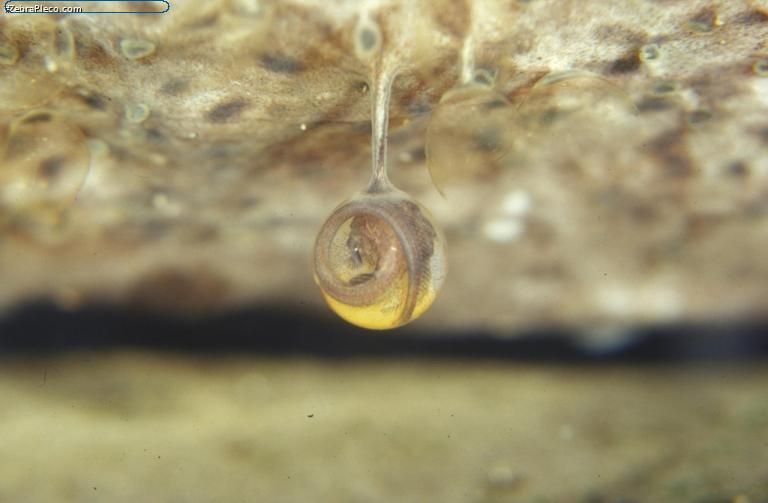
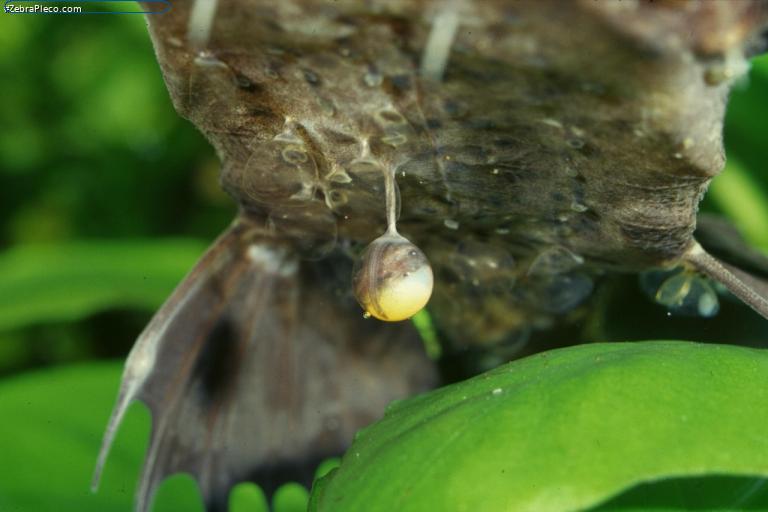
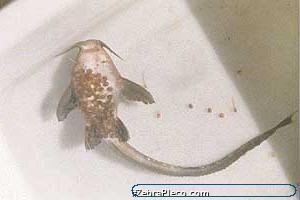
Not reported in the home aquarium, but evidence exists of the method of reproduction. See catfish of the month article.
Habitat & Water Parameters
Natural distribution, biotope water conditions and temperature ranges
Geographic Distribution
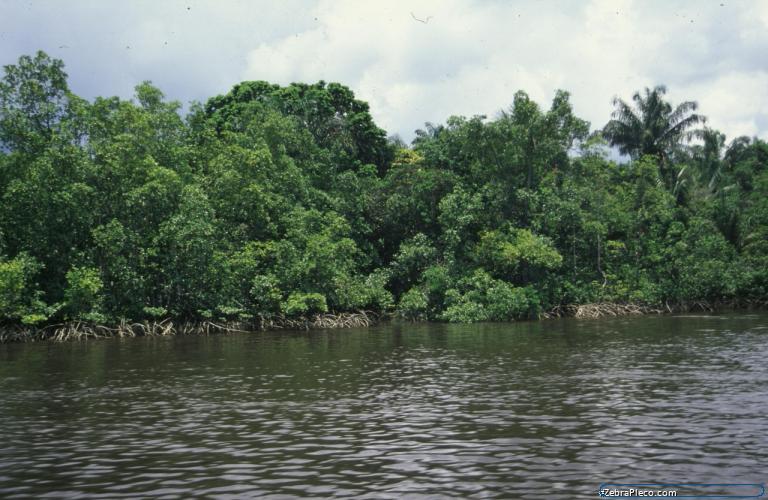
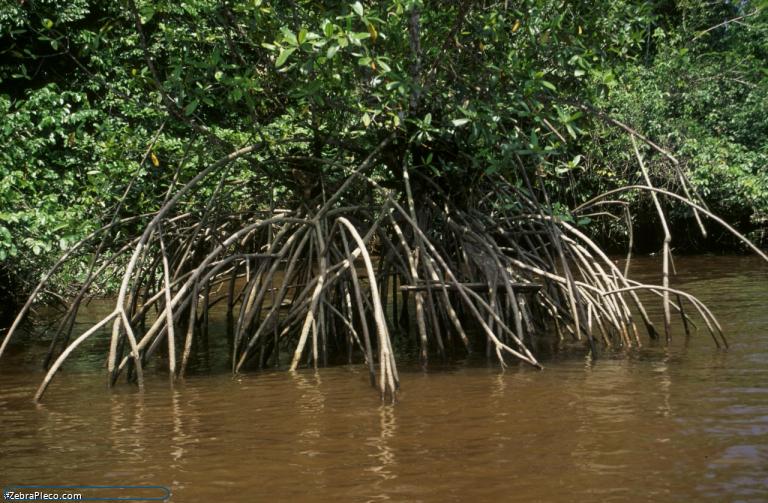
Central and South America: Venezuela to northern Brazil (including the lower portions of coastal rivers).
Amapa State Waters (click on these areas to find other species found there)
Guyana Waters, Coastal Rivers of Guyanas (click on these areas to find other species found there)
Pará State Waters (click on these areas to find other species found there)
Venezuela Caribbean Waters (click on these areas to find other species found there)
Amazon, Lower Amazon, Xingu Imported (click on these areas to find other species found there)
Login to view the map.
Species Description & Identification
Morphology, diagnostic traits and sexual dimorphism
Identification
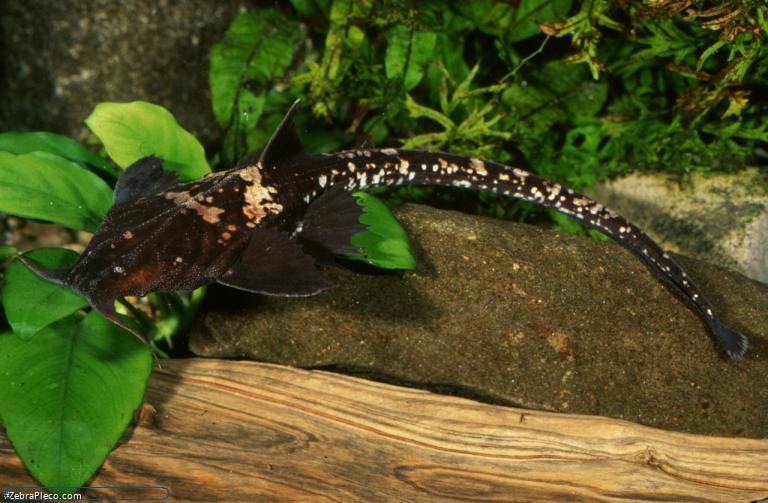
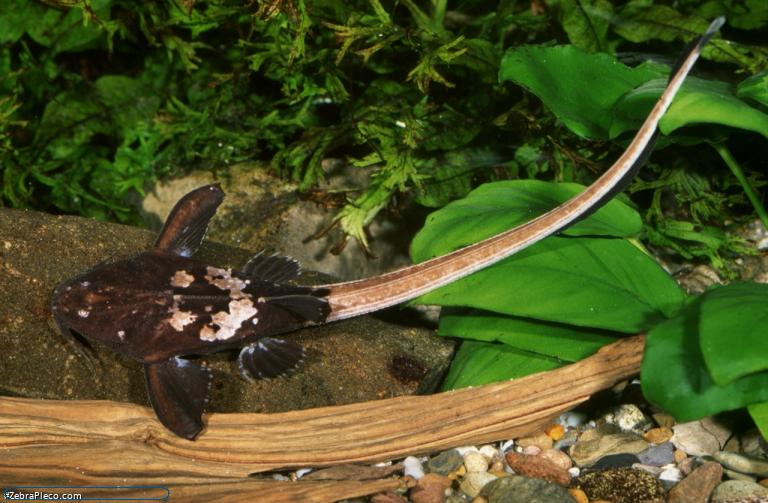
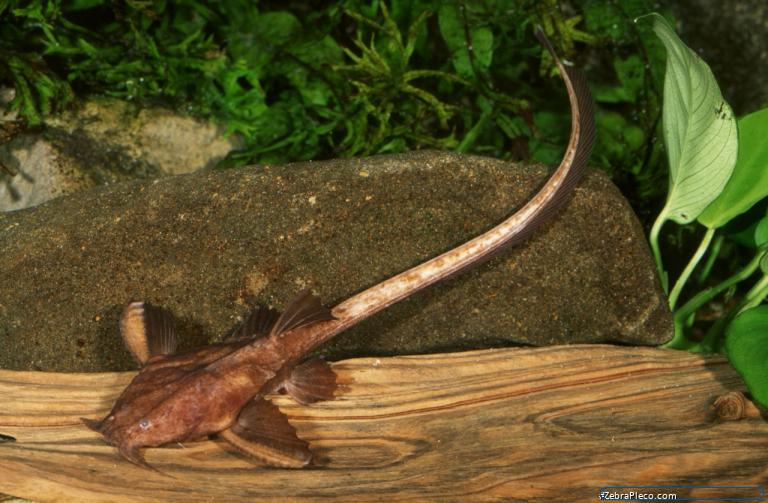
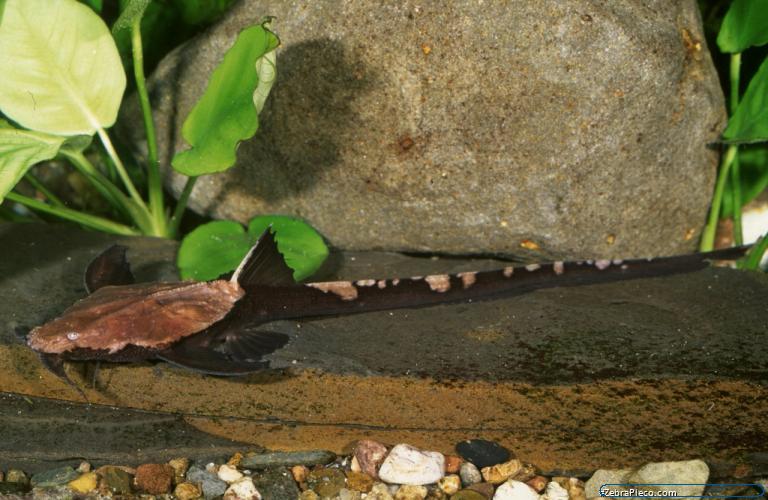
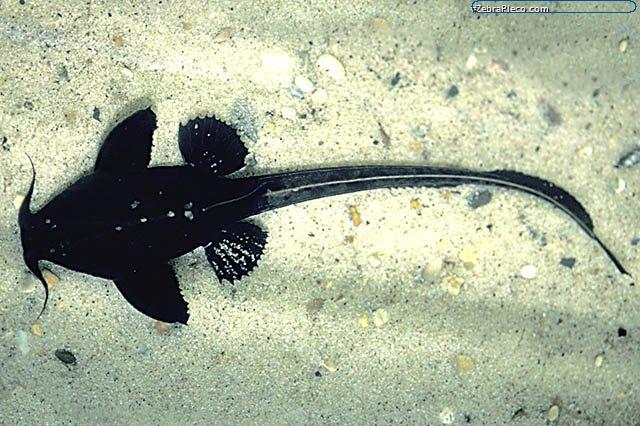
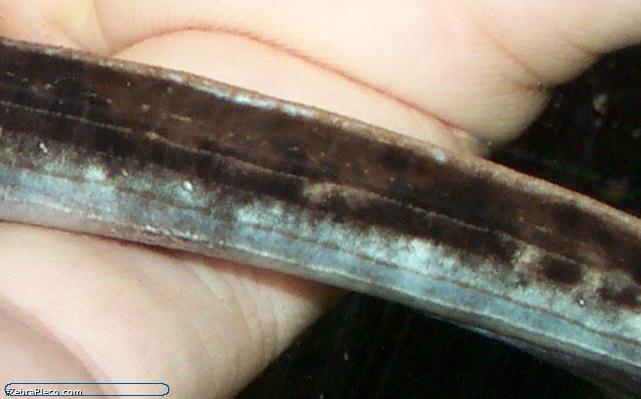
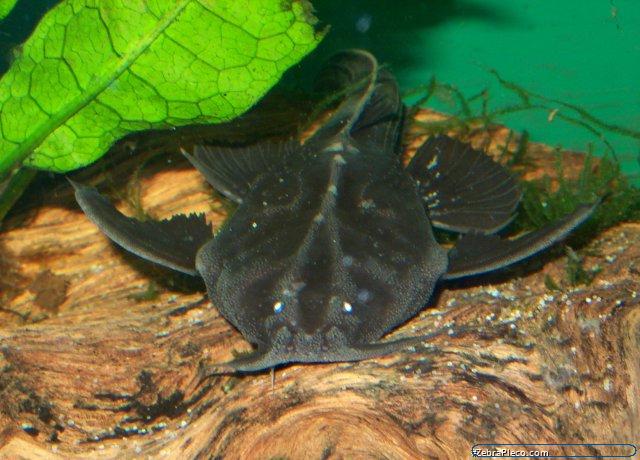
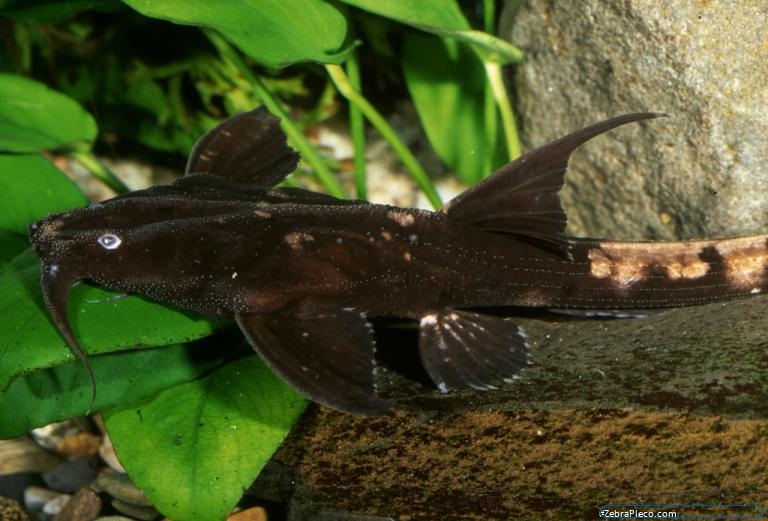
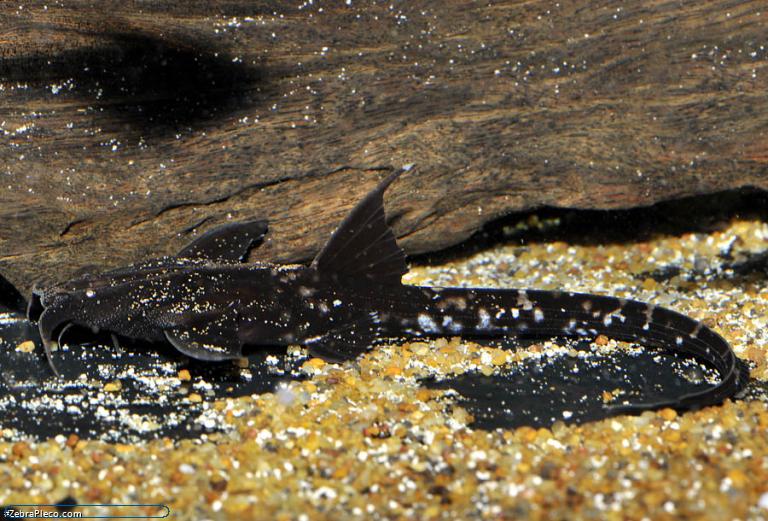
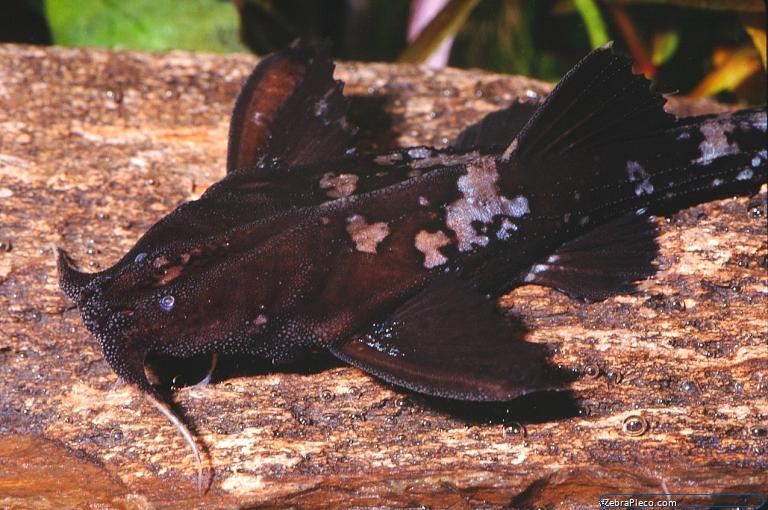
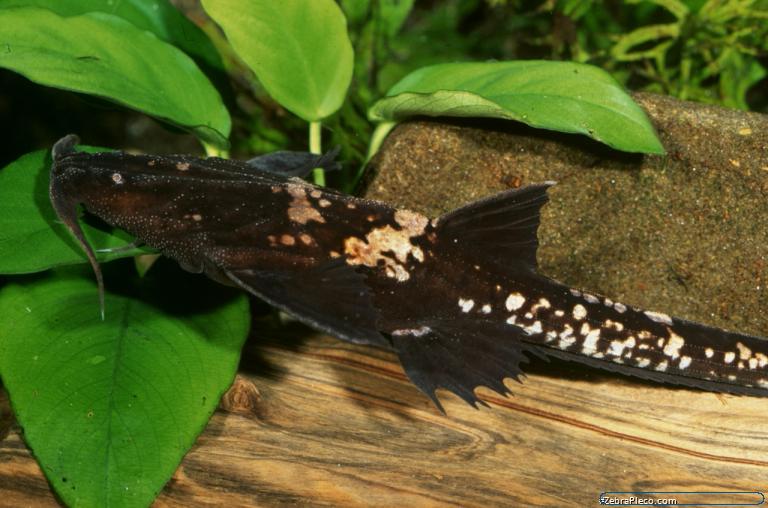
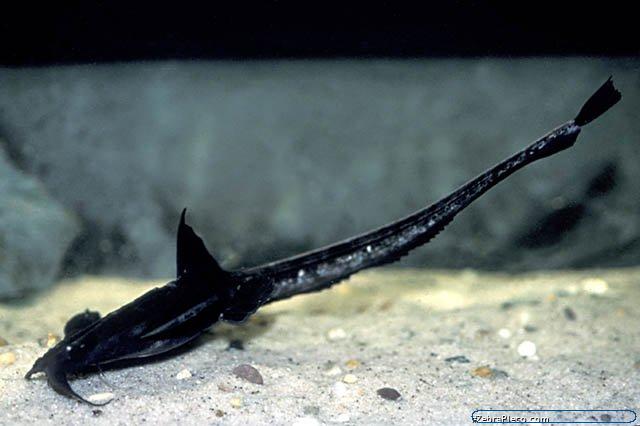
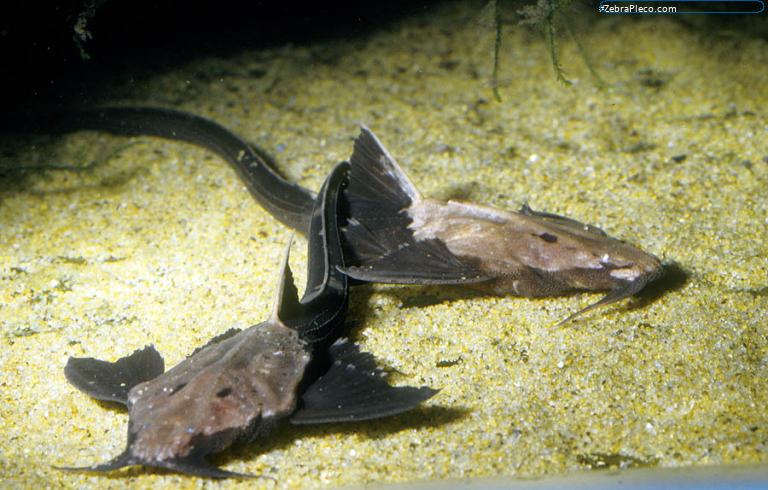
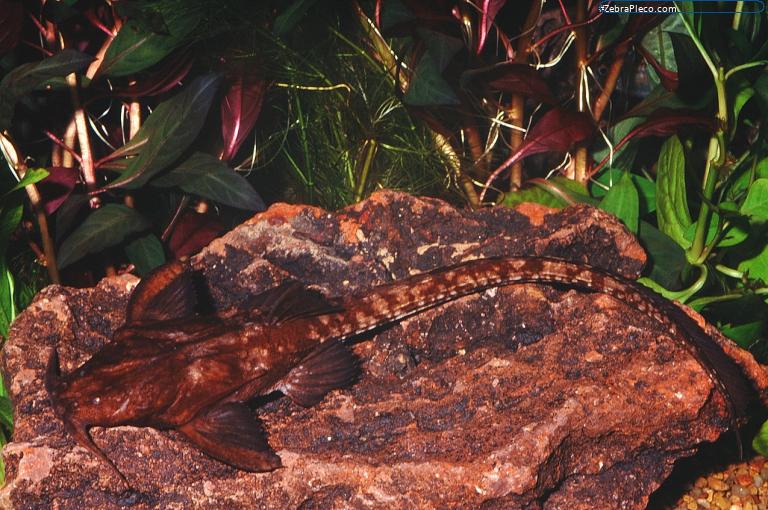
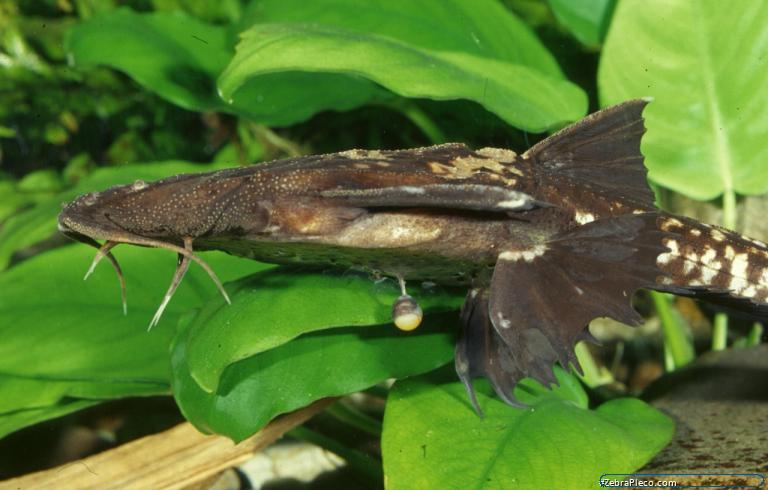
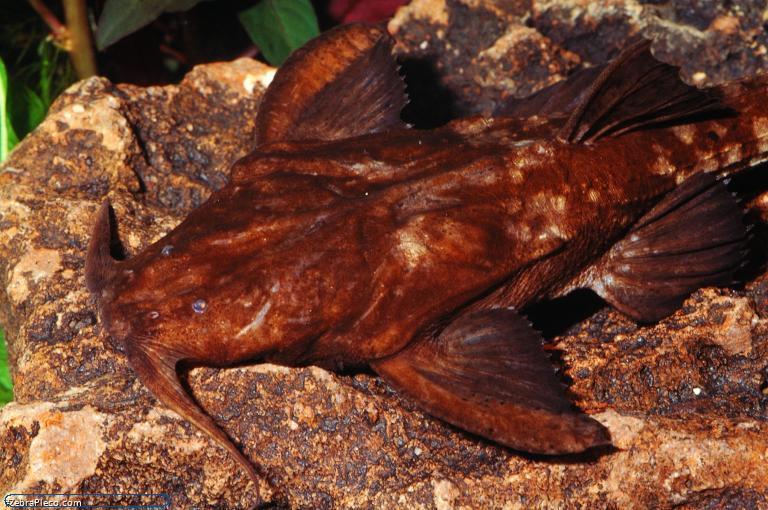
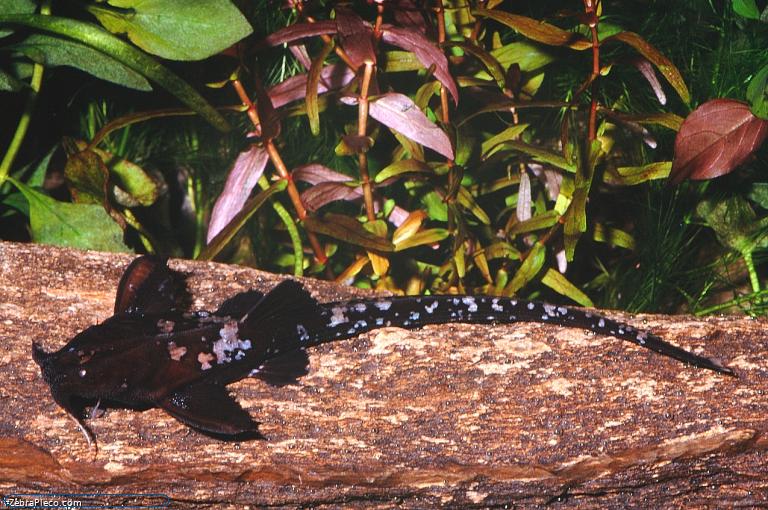
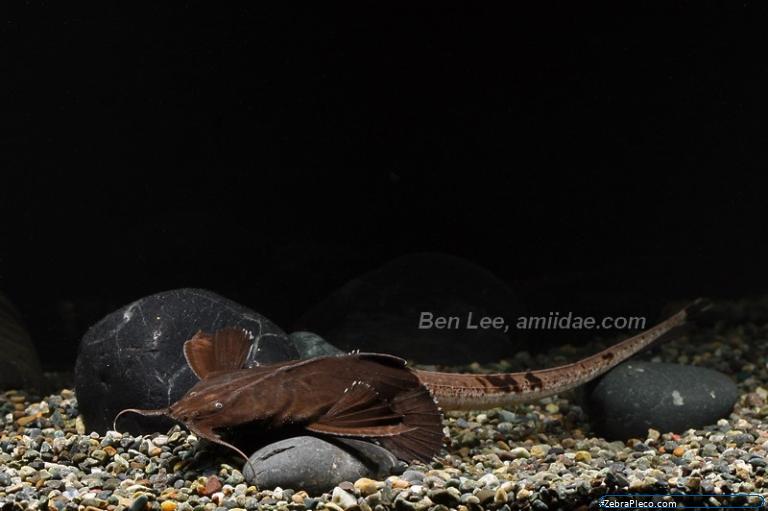
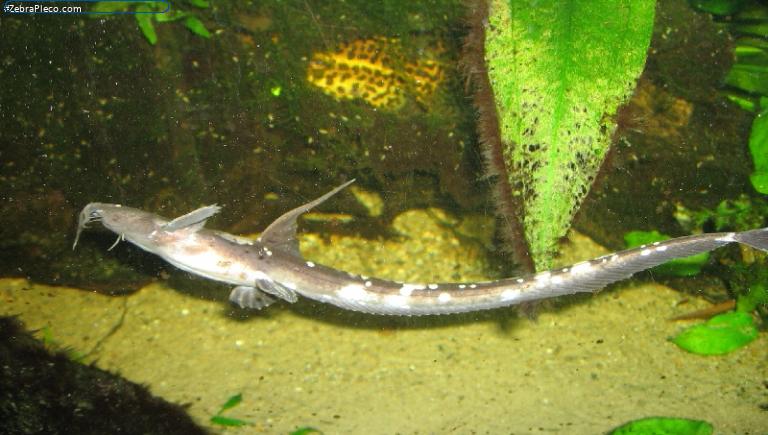
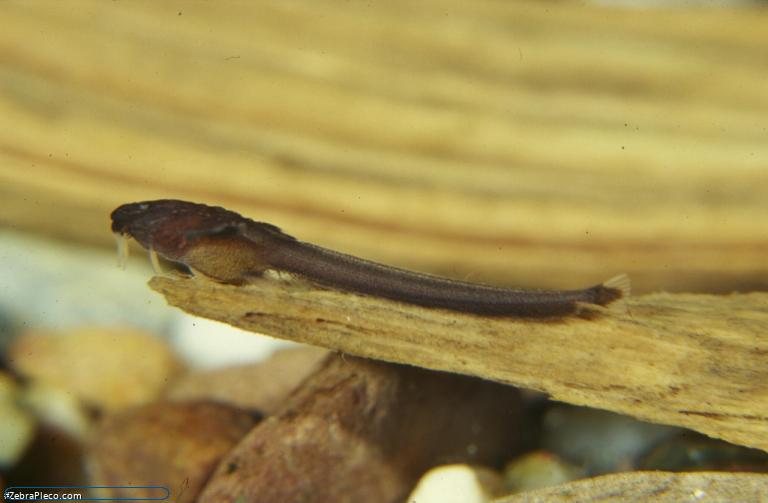
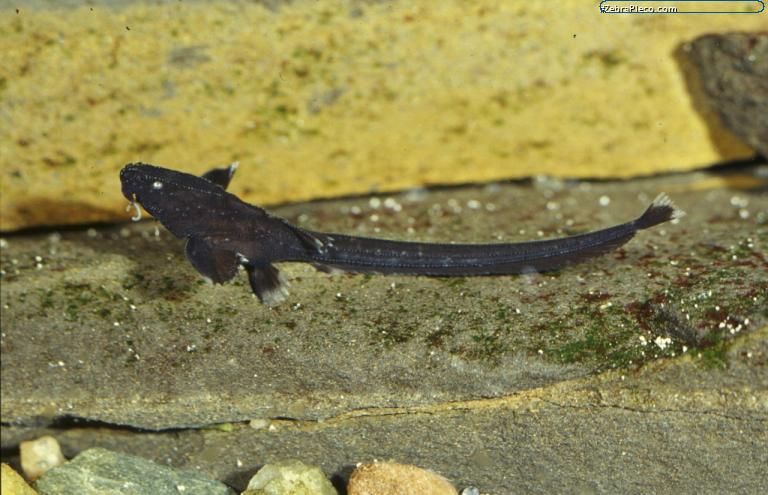
The fishes mottled colouration is very variable - almost to the point of no two individuals looking exactly the same.
Sexual Dimorphism (Sexing)
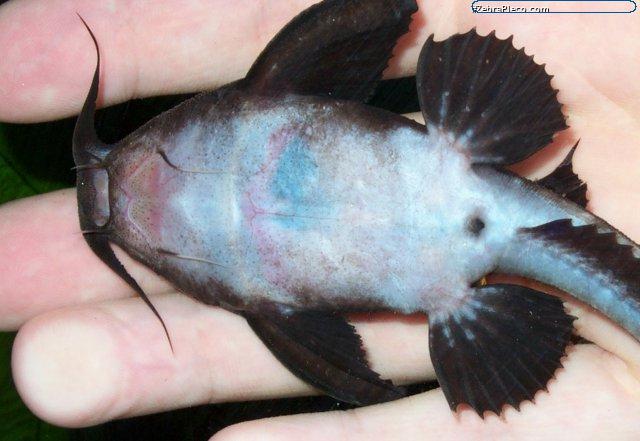
Females appear more brown than black with very little or no mottling. Males by contrast are darker and show high contrast mottling. Mature males have larger pectoral fins than equally aged females.
General Remarks
This species is able to produce bark-like sounds by quickly moving the pectorals. These sounds are probably used to locate each other during mating periods and certainly when being attacked.
Taxonomy, Synonyms & Etymology
Classification history, linguistic derivations and variant forms
Synonyms
Aspredo cotylephorus, Aspredo sexcirrhis, Aspredo spectrum, Cotylephorus blochii, Platystacus nematophorus, Silurus hexadactylus
Pronunciation
plat ee STAK uss - coat ee LEFF or uss
Etymology
Platystacus: From the Greek platys, meaning broad or flat and the Latin acus, meaning needle; in reference to the shape. Cotylephorus: meaning sites for the attachment of developing embryos, which in this case refers to the ventral area.
Literature & Resources
Scientific publications, external links and citation tools
Description Reference
Naturgeschichte der ausländischen Fische v. 8, pp 54, Pl. 372.
External Databases
Related Searches