PAGE_HEADER
Amblydoras nauticus (Cope, 1874)
Image Showcase
Photographs, diagnostic angles and morphological variants
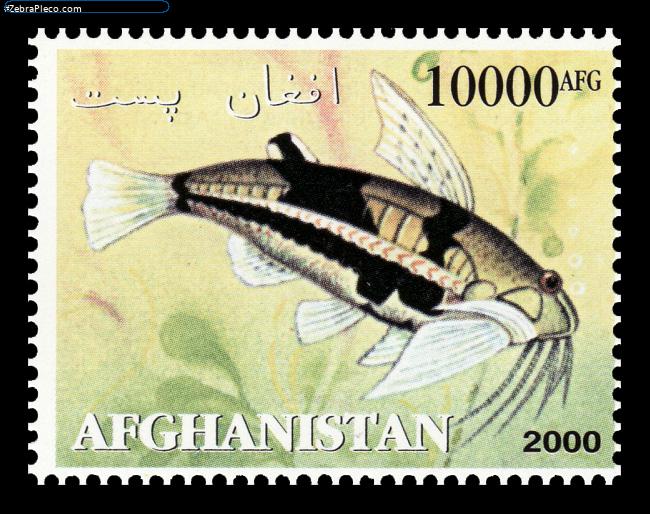
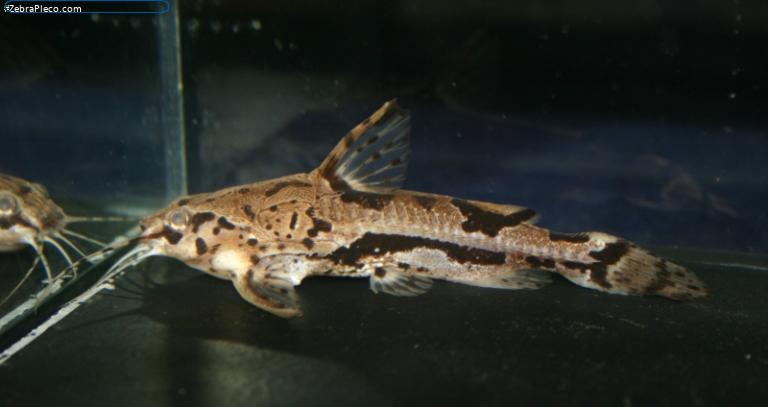
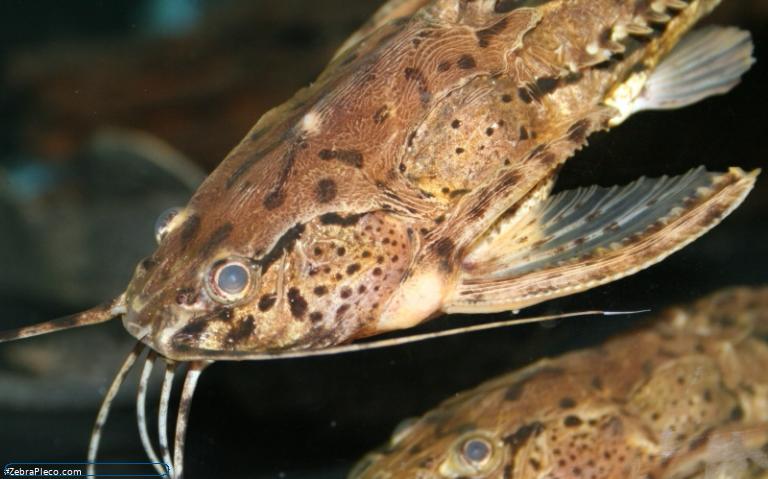
Community & Keeper Tally
Member interactions, breeding records and forum mentions
Aquarium Care & Husbandry
Dietary requirements, tank setup, compatibility and breeding
Feeding & Diet
A nocturnal scavenger. Younger fish tend to be a little more active during the day, but the best way to ensure this fish is properly fed is to introduce sinking food into the tank after dark. Most foods are accepted gluttonously. Individuals will gorge themselves on food to the point of appearing fit to burst. [View Member Food Stats]
Aquarium Furniture & Decor
Does not harm plants and all that is really required is a dark place in which the catfish can find refuge. Care must be taken that this is no where near the heater element as these fish will wedge themselves between the heater and the aquarium wall and may burn themselves.
Compatibility & Suggested Tankmates
A perfect community tank resident.
Tankmates: As all doradids, does well with its conspecifics and other members of the same family. Can be kept with anything from tetras to medium sized cichlids.
Breeding Notes
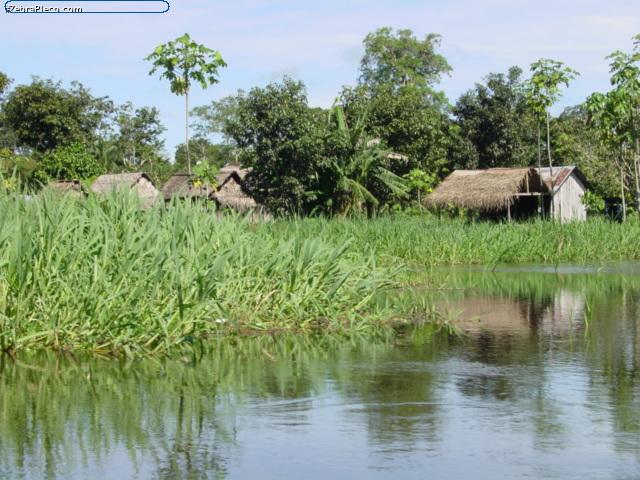
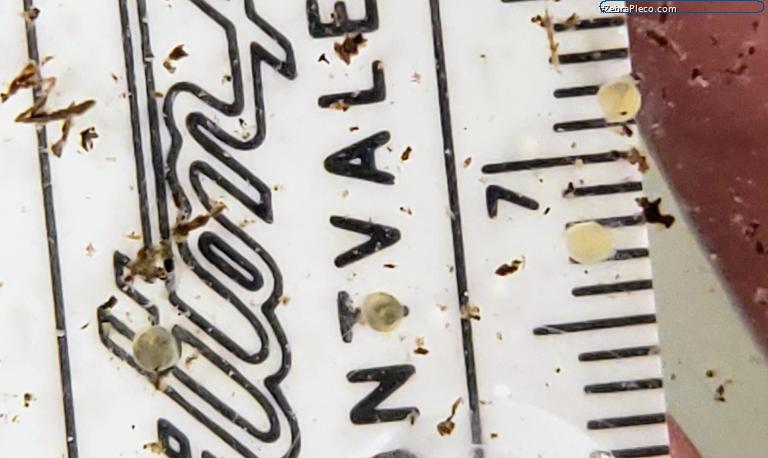
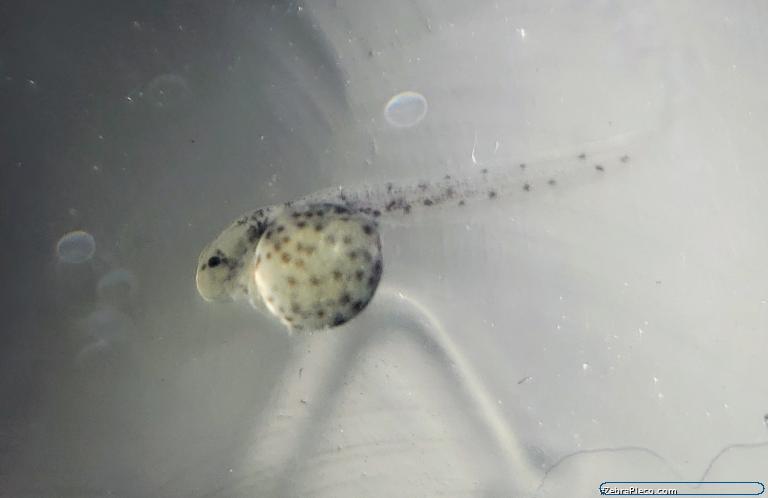
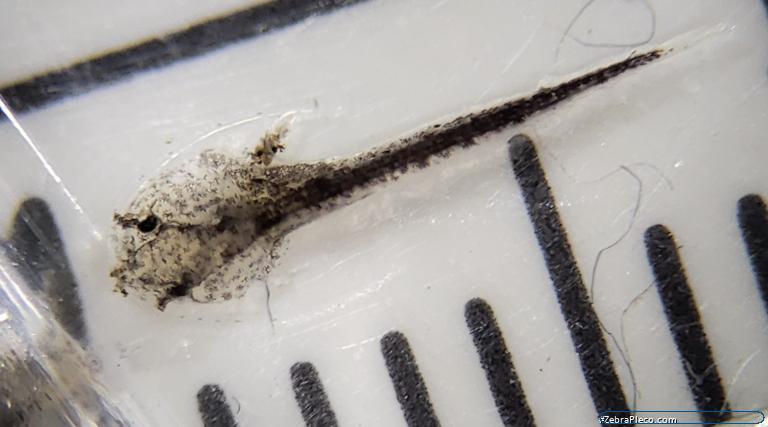
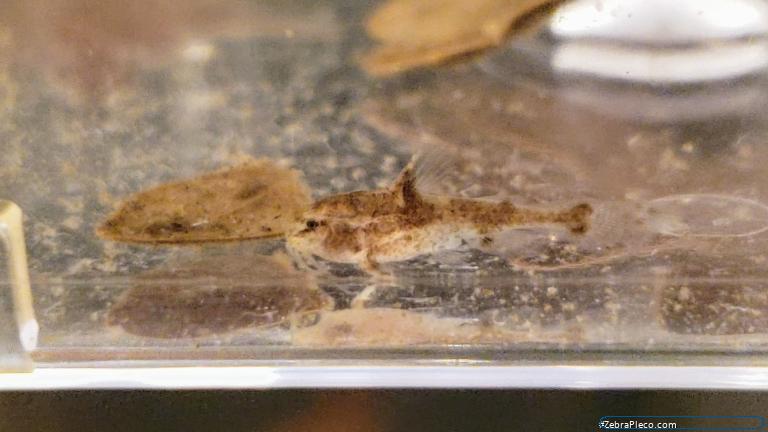
In the aquarium, this species is an egg scatterer. But reports exist of reproduction in the wild which involves a bubble nest built in plants which the male guards. The author has collected exceedingly small (< 10 mm SL) young Amblydoras in semi-aquatic reeds and partially submerged shrubs. No adults were collected in water about 45 cm deep. Youngsters were everywhere and one swipe of the net could turn up ten or more young.
Habitat & Water Parameters
Natural distribution, biotope water conditions and temperature ranges
Geographic Distribution
South America: Upper Amazon River basin.
Amazon, Upper Amazon (click on these areas to find other species found there)
Login to view the map.
Species Description & Identification
Morphology, diagnostic traits and sexual dimorphism
Identification
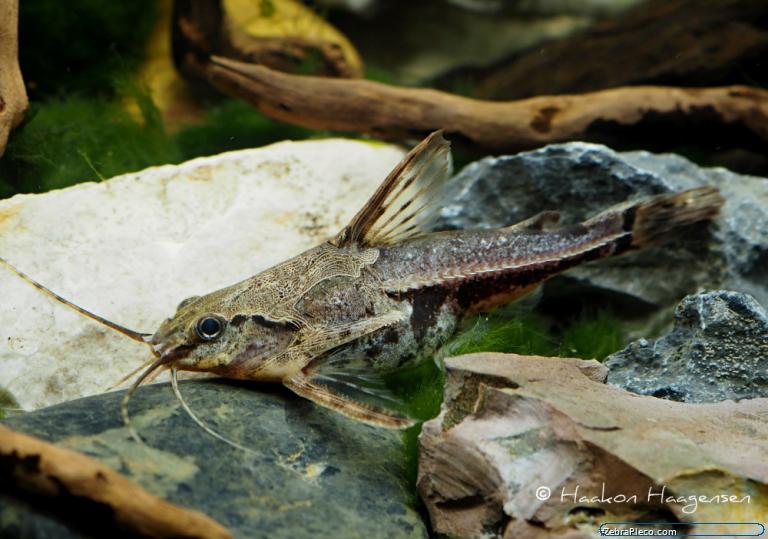
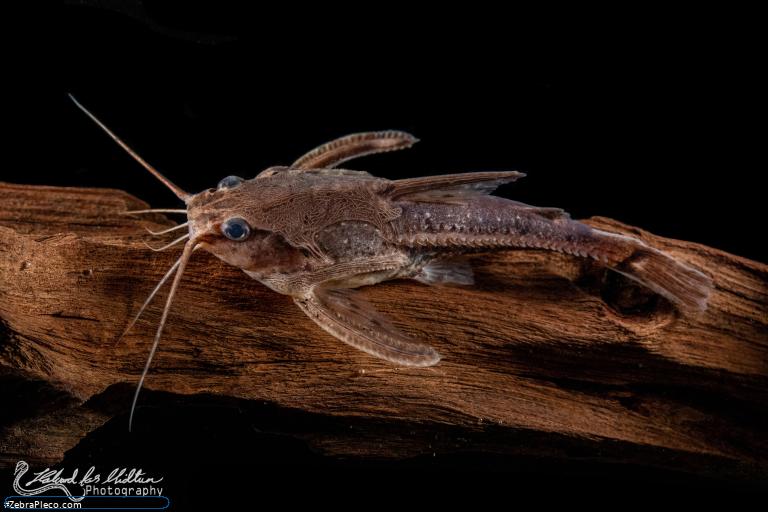
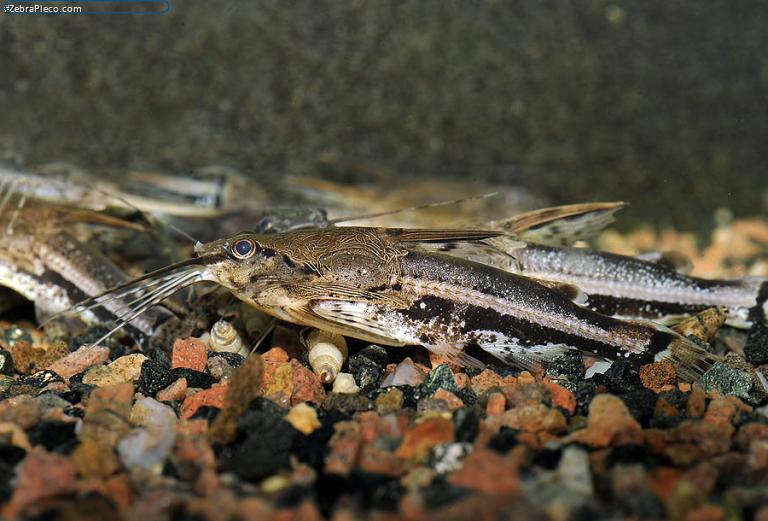
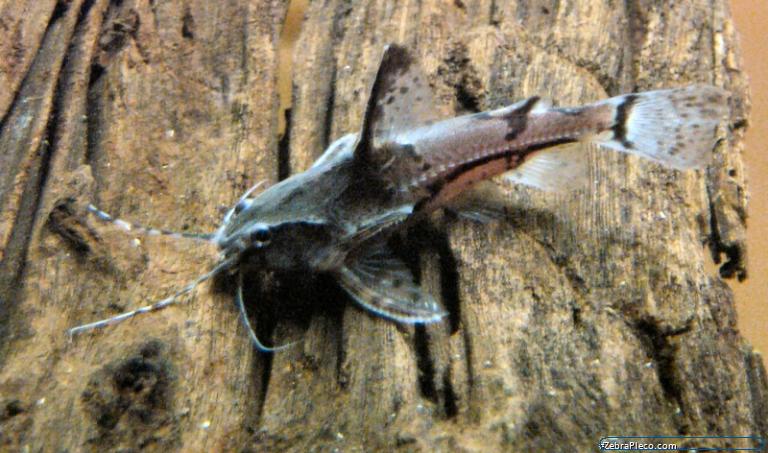
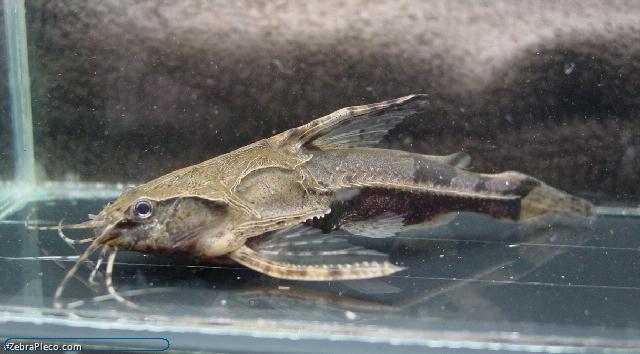
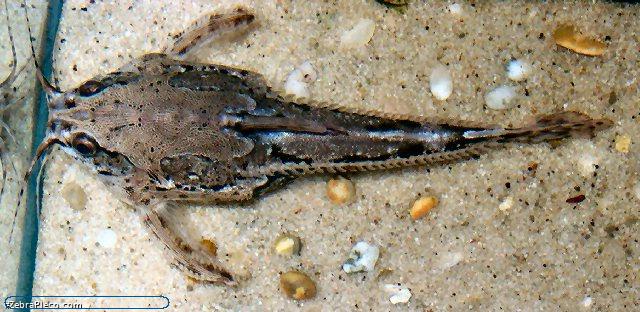
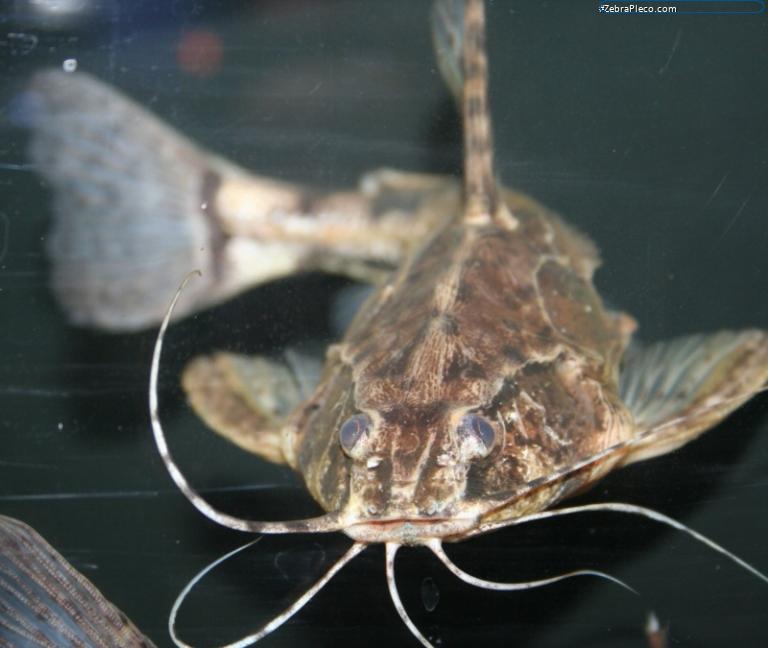
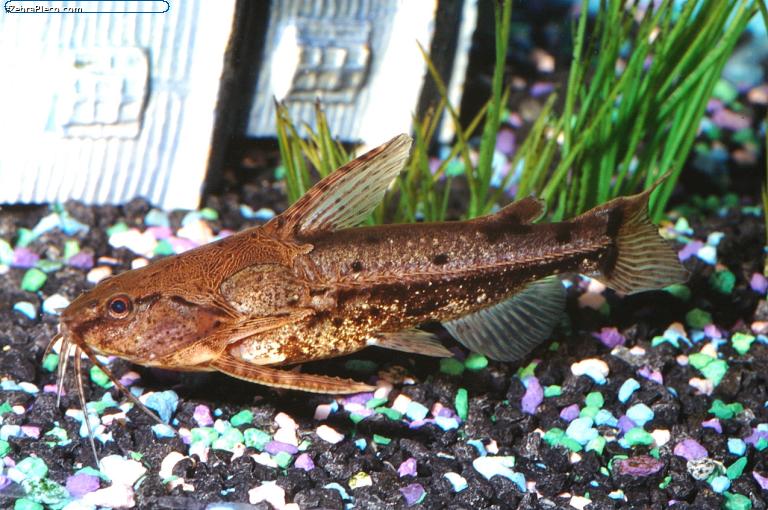
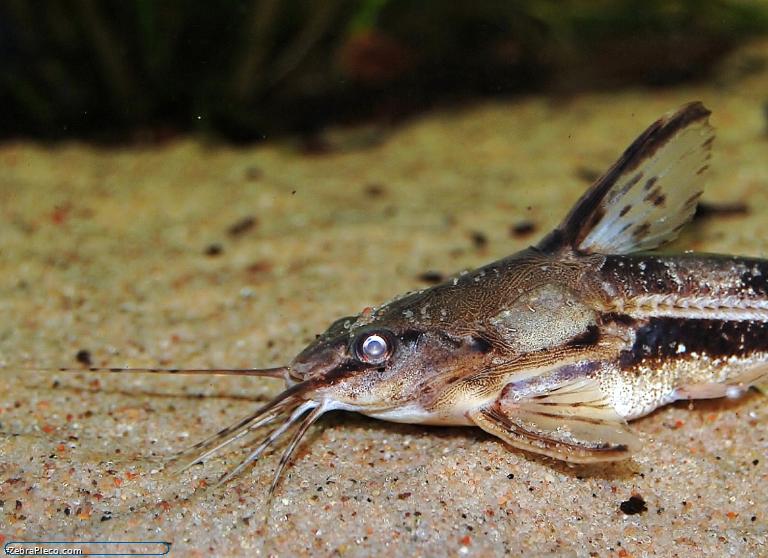
Reasonably easy to ID although young fish can look quite variable. Some degree of sexual dichromatism exists and the males bear a resemblance to the larger Anadoras grypus. Very often sold under the incorrect name of Amblydoras hancockii.
Sexual Dimorphism (Sexing)
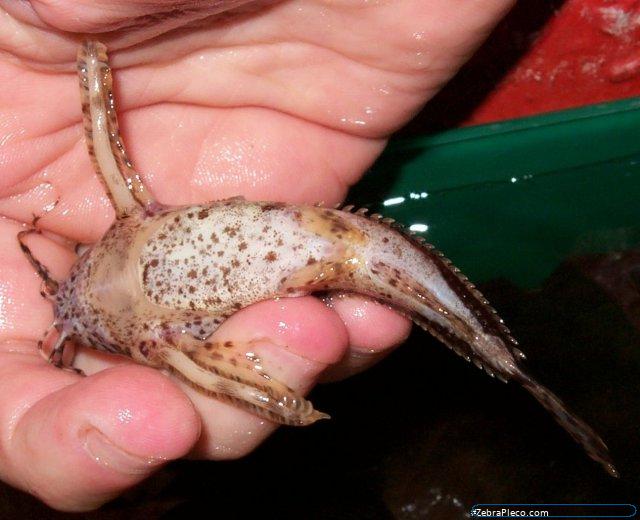
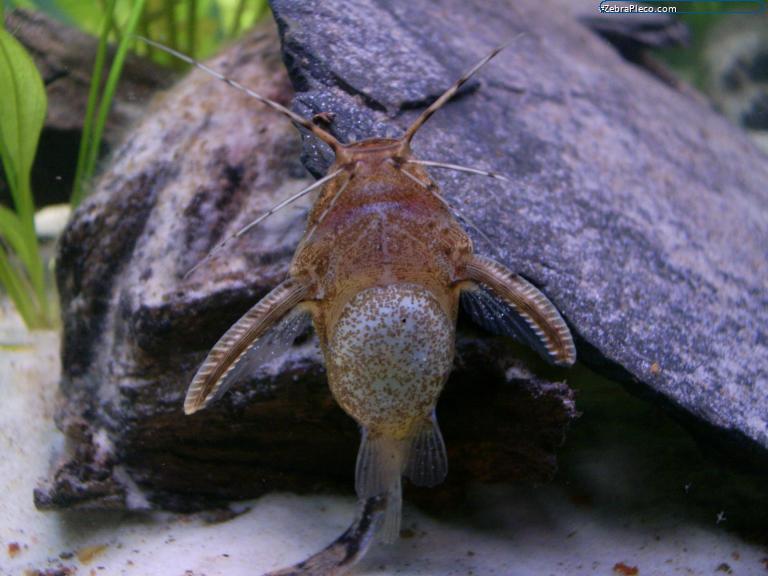
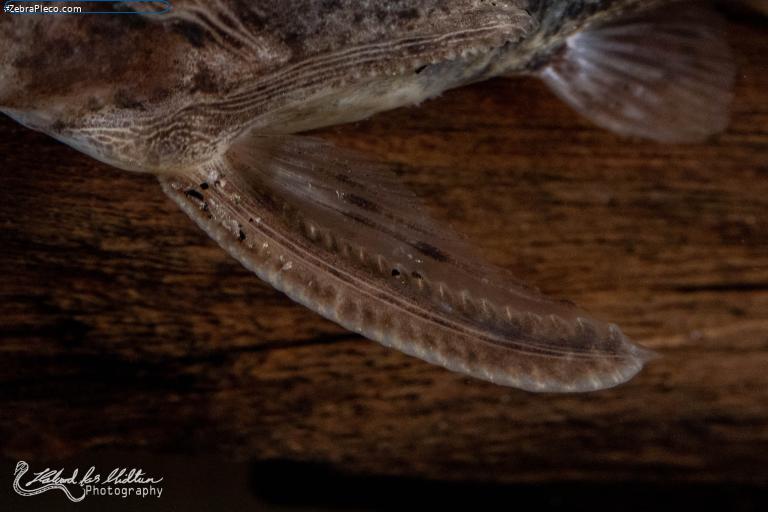
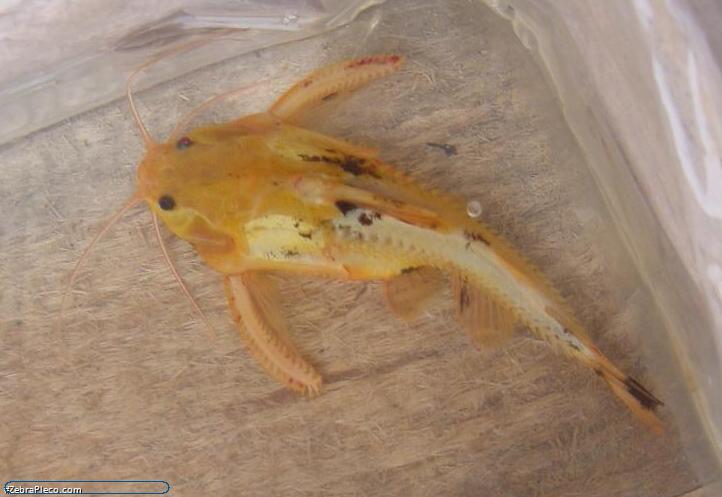
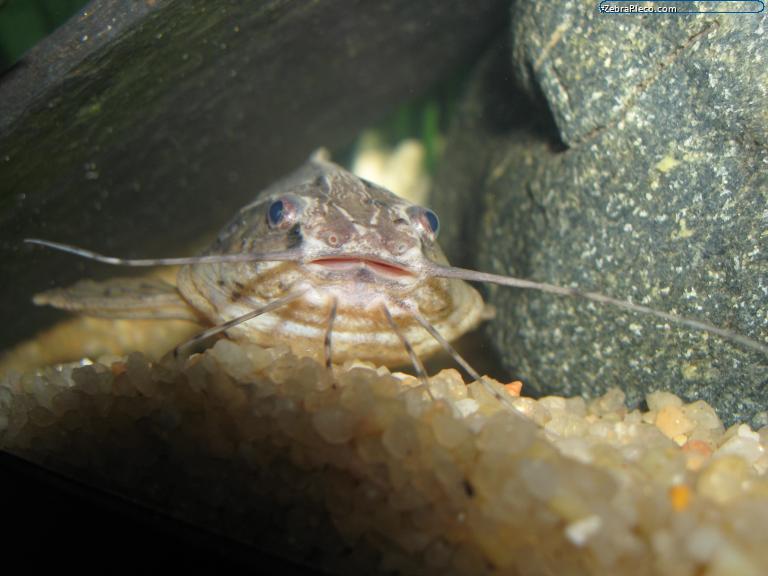
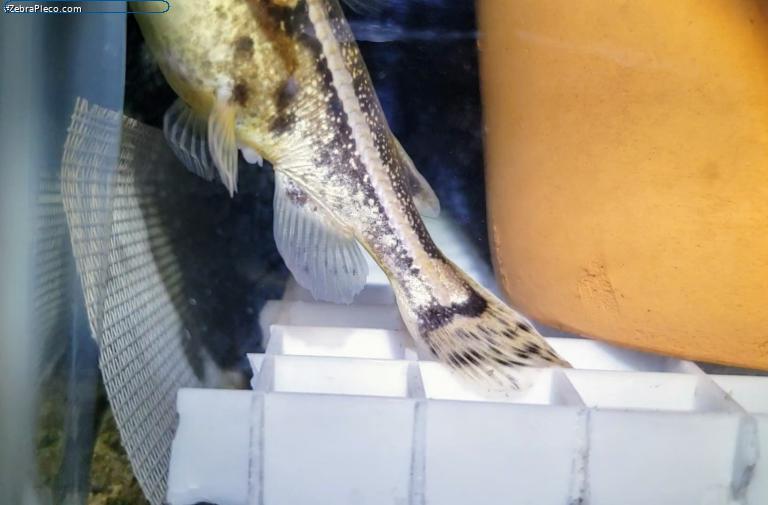
Some keepers report that the underside of female is creamy white, the male is freckled as shown below. Males are more slender than the wider (when viewed from above or below) females.
Taxonomy, Synonyms & Etymology
Classification history, linguistic derivations and variant forms
Synonyms
Anadoras nauticus, Zathorax nauticus
Pronunciation
am blee door ass - naw tik uss
Etymology
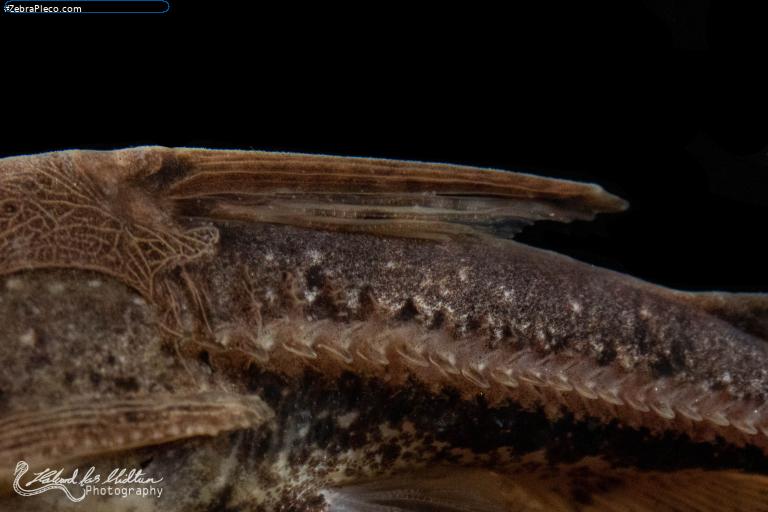
Amblydoras: From the Greek amblys, meaning blunt and doras, meaning skin (also a word commonly used in forming generic names for doradids); in reference to the non-serrated dorsal spine.
Literature & Resources
Scientific publications, external links and citation tools
Description Reference
Proceedings of the Academy of Natural Sciences of Philadelphia v. 26, pp 133.
External Databases
Related Searches