PAGE_HEADER
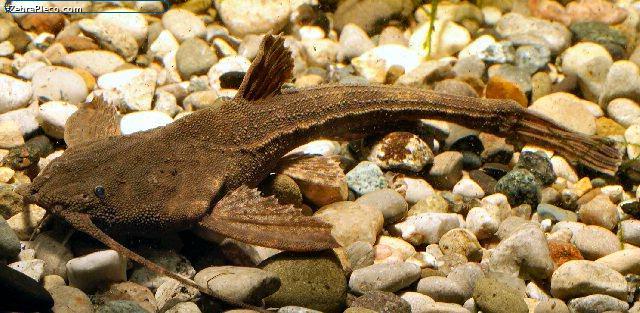
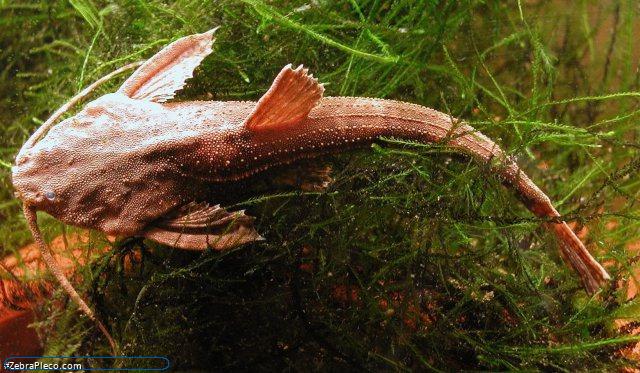
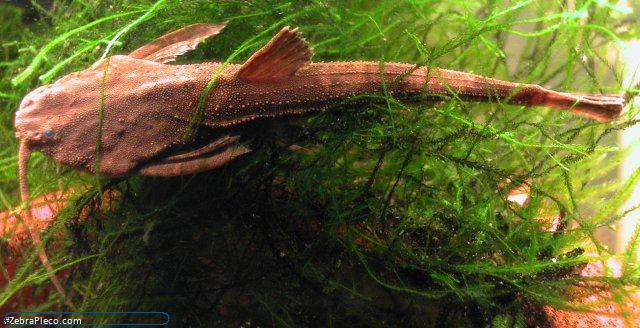
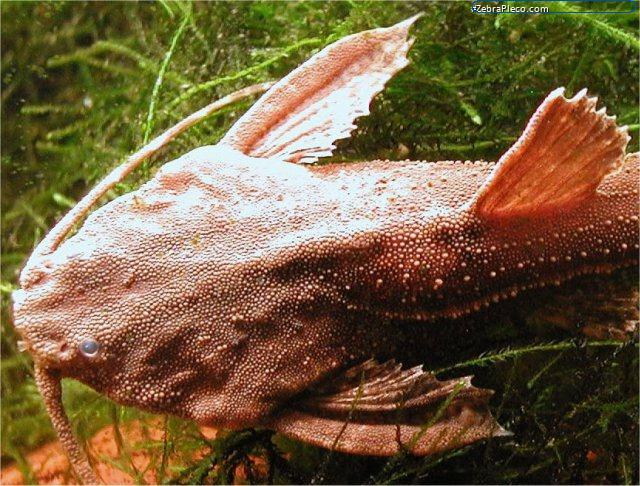
Pseudobunocephalus amazonicus (Mees, 1989)
Image Showcase
Photographs, diagnostic angles and morphological variants
Community & Keeper Tally
Member interactions, breeding records and forum mentions
Aquarium Care & Husbandry
Dietary requirements, tank setup, compatibility and breeding
Compatibility & Suggested Tankmates
Peaceful.
Tankmates: Can be kept singly or in groups given adequate refuge for each individual. Young fish like to hide vertically in bushy plants. Older fish will burrow in sand or fine, rounded gravel as well as under stones or bogwood.
Breeding Notes
Unreported in the aquarium.
Habitat & Water Parameters
Natural distribution, biotope water conditions and temperature ranges
Geographic Distribution
South America: upper and middle Amazon River basin.
Amazon, Middle Amazon (Solimoes), Madeira, Mamoré (click on these areas to find other species found there)
Amazon, Middle Amazon (Solimoes) (click on these areas to find other species found there)
Amazon, Upper Amazon (click on these areas to find other species found there)
Login to view the map.
Species Description & Identification
Morphology, diagnostic traits and sexual dimorphism
Identification
Relatively small (less than 80 mm SL) banjo catfishes distinguished from other aspredinids by having the following unique characters: the dentary teeth are restricted to broad tooth patch near symphysis of lower jaw (vs. more broadly distributed along the length of the dentary); the metapterygoid lacks a bony connection with the quadrate; the posterior end of autopalatine is distinctly forked and bears two separate terminal cartilages; the absence of the fourth pharyngobranchial; the absence of gill rakers on all branchial arches; and the lack of bifid hemal spines on vertebrae that articulate with anal-fin pterygiophores. Other characters not unique to this genus, but still useful for distinguishing it from other aspredinid genera include: the anterior limits of upper and lower jaws are approximately equal (also in Acanthobunocephalus); the lateral line is truncated at approximately the level of the dorsal-fin origin (also in Acanthobunocephalus); the dorsal- and ventral-most principal caudal rays much shorter in length than other principal caudal rays (also in Acanthobunocephalus); the dorsal- and anal-fin membranes are not adnate with body (also in Acanthobunocephalus); the interhyal is absent (also in Hoplomyzon); and the abdominal and precaudal centra lack bony horizontal lamina (also in Dupouyichthys, Ernstichthys, Hoplomyzon and Micromyzon).
Taxonomy, Synonyms & Etymology
Classification history, linguistic derivations and variant forms
Synonyms
Bunocephalus amazonicus, Dysichthys amazonicus
Pronunciation
sue doh boon oh SEFF ah luss. - ah mah zohn ick uss
Etymology
The generic name is a combination of the Greek word pseudes, meaning false or deceptive, plus the aspredinid genus Bunocephalus. It alludes to the fact that members of this genus have previously been mistaken for juveniles of various species of Bunocephalus.
There is 1 other speciesItuglanis amazonicus with this specific name.
Literature & Resources
Scientific publications, external links and citation tools
Description Reference
Proceedings of the Koninklijke Nederlandse Akademie van Wetenschappen (Series C, Biological and Medical Sciences) v. 92 (no. 2), pp 241, Fig. 21.
External Databases
Related Searches