PAGE_HEADER
Vandellia cirrhosa Valenciennes, 1846
Image Showcase
Photographs, diagnostic angles and morphological variants
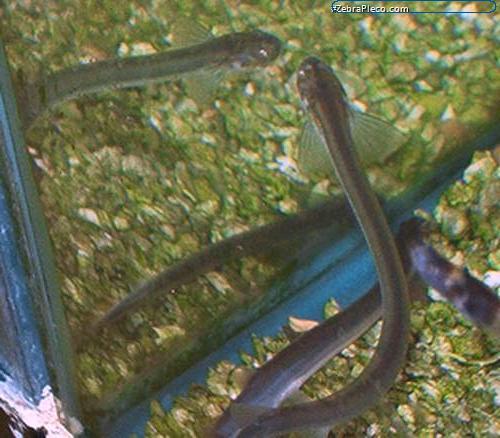
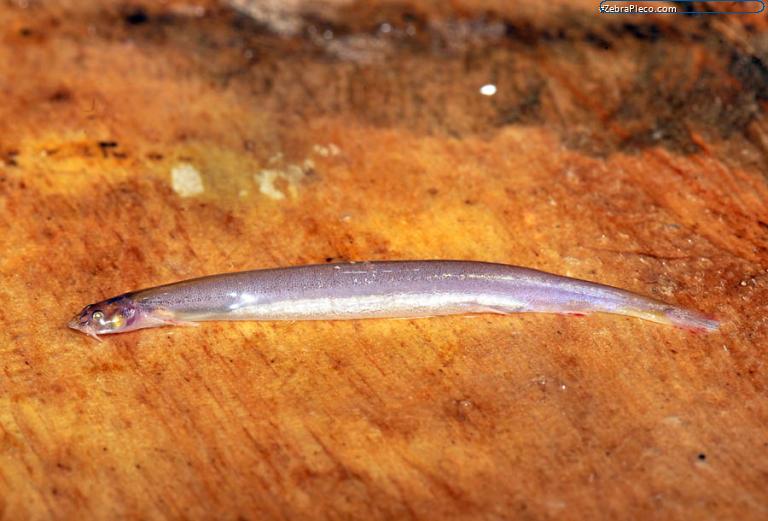
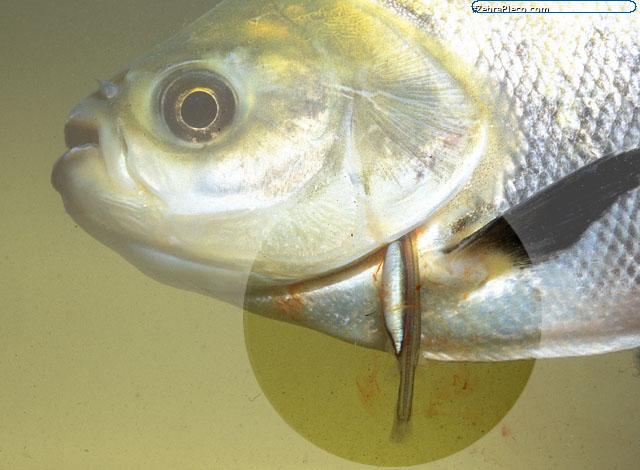
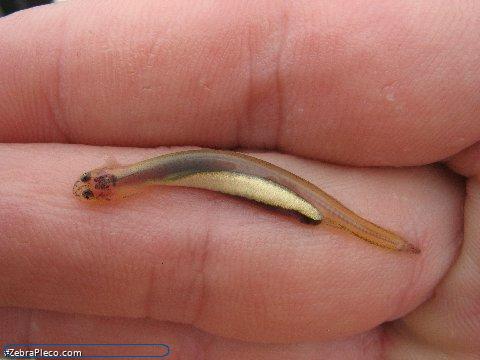
Community & Keeper Tally
Member interactions, breeding records and forum mentions
Aquarium Care & Husbandry
Dietary requirements, tank setup, compatibility and breeding
Feeding & Diet
Despite recorded attempts to feed this fish chopped fish gills, blood (via a dropper) and conventional foods, it appears this fish is specialised to the point that it can only feed from live fish. [View Member Food Stats]
Aquarium Furniture & Decor
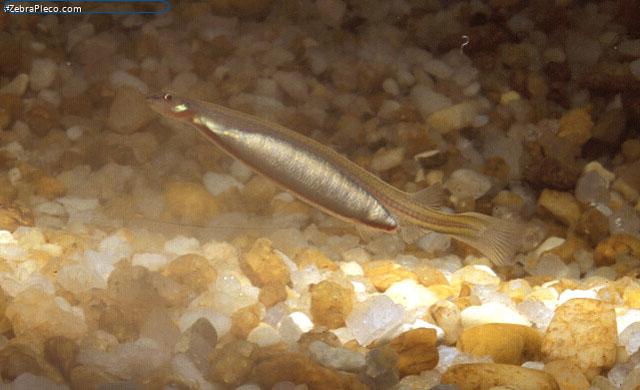
Doesn't appear to like bright conditions, so floating plants should be offered. When not actively swimming around in search of its next victim, the fish will rest on the bottom, particularly after feeding.
Compatibility & Suggested Tankmates
For obvious reasons this fish should be kept alone; smaller fish are not ignored by this fish and can be killed outright by one parasitic visitation.
Tankmates: Food and other Vandellia.
Breeding Notes
Unreported in the aquarium.
Habitat & Water Parameters
Natural distribution, biotope water conditions and temperature ranges
Geographic Distribution
South America: Amazon River basin.
Amazon (click on these areas to find other species found there)
Orinoco (click on these areas to find other species found there)
Amazon, Lower Amazon, Tocantins, Lower Tocantins, Pará, Anapu Imported (click on these areas to find other species found there)
Amazon, Middle Amazon (Solimoes), Madeira Imported (click on these areas to find other species found there)
Login to view the map.
Species Description & Identification
Morphology, diagnostic traits and sexual dimorphism
Identification
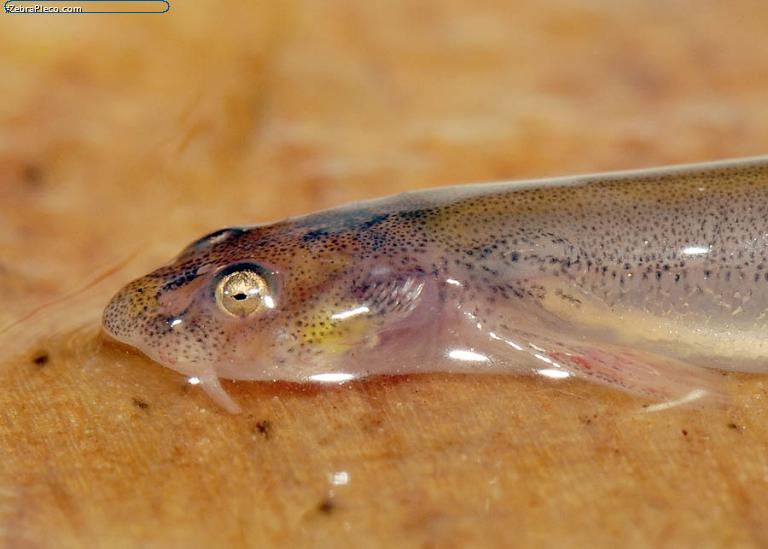
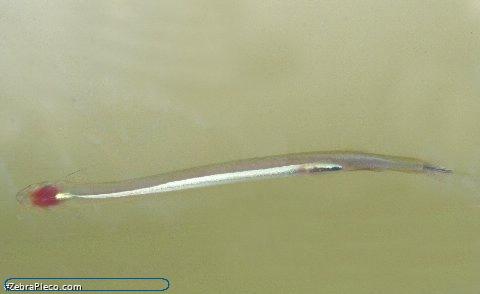
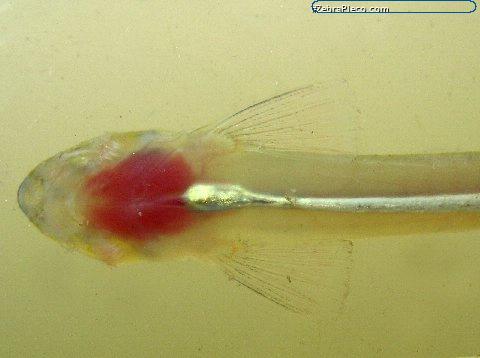
Transparent to yellowish body, fleshy dorsal fin without strong spine.
General Remarks
The fish of this genus are the true vampire-style parasites of the otherwise ill-named parasitic catfish family. In nature they sense the passing of larger fish by the dissolved waste in the water streaming out of their gills. This attracts the parasite to the gill cavity where it feeds, dropping off to lie on the substrate when sated and visibily full to bursting with blood. Legends abound and surround this fish as it can mistake the urination of partially submerged mammals (including humans) for the exhalent gills of fishes and enter the urogenital openings of the very unfortunate mammal.
A fascinating piece of trivia is that this fish is often referred to as the only vertebrate parasite of man.
Taxonomy, Synonyms & Etymology
Classification history, linguistic derivations and variant forms
Synonyms
Plectrochilus erythrurus, Urinophilus erythrurus, Vandellia balzanii, Vandellia gigantea, Vandellia plazae, Vandellia plazaii
Pronunciation
- sir hoe sah
Etymology
Vandellia: Named after M Vandelli.
Literature & Resources
Scientific publications, external links and citation tools
Literature & References
External Databases
Related Searches