PAGE_HEADER
Hypancistrus sp. (L316)
Image Showcase
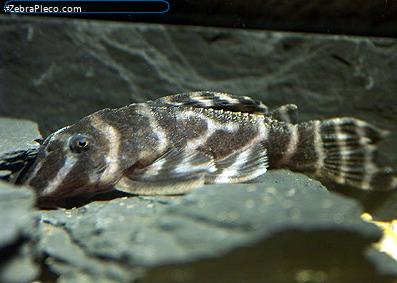
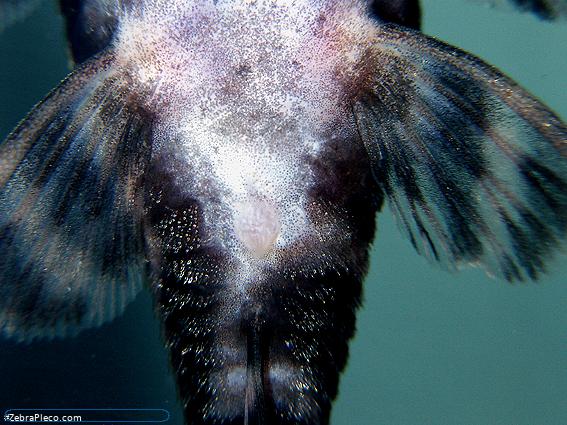
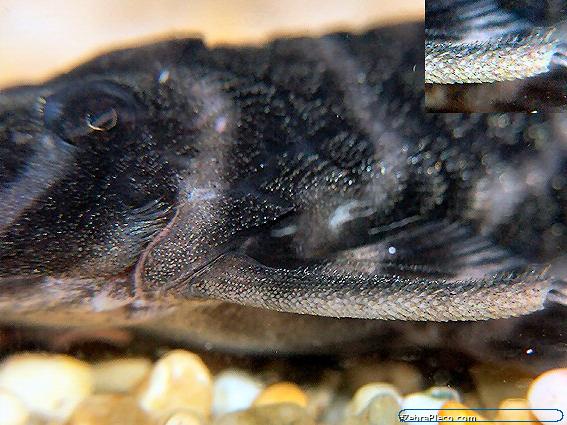
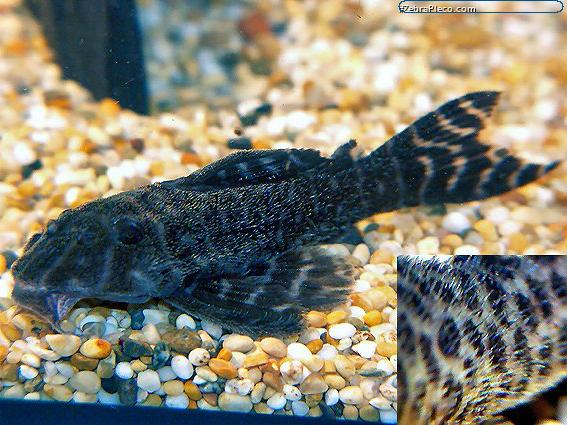
Photographs, diagnostic angles and morphological variants
Community & Keeper Tally
Member interactions, breeding records and forum mentions
Aquarium Care & Husbandry
Dietary requirements, tank setup, compatibility and breeding
Feeding & Diet
Not picky, take a wide variety of live and frozen food such as bloodworms, brine shrimps, gammarus. Tablets, especially those with high percentage of Spirulina. [View Member Food Stats]
Aquarium Furniture & Decor
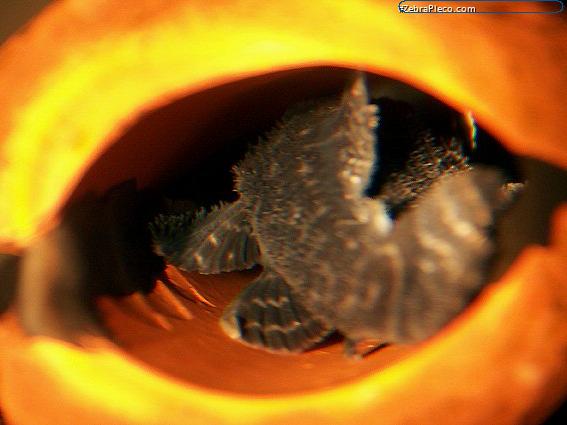
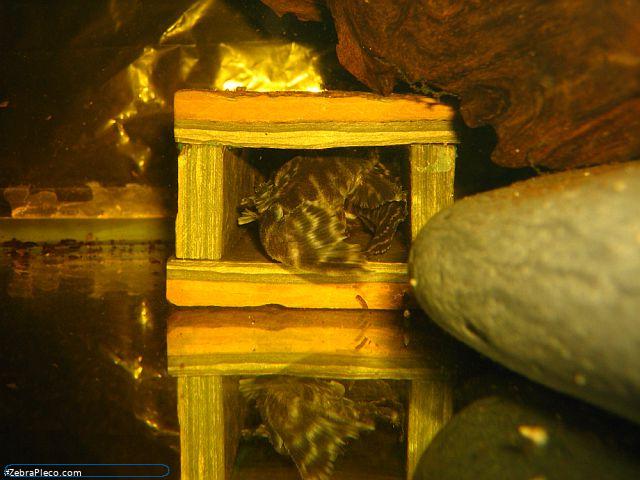
Rock caves or pipes should be provided one per male at least and driftwood is also appreciated but not mandatory. Plants are not molested but don't expect this guy to fix your algae problem.
Compatibility & Suggested Tankmates
A good community pleco, once settled (3-4 weeks) it will be seen during the day a bit more than many exotic plecos. Certainly not a territorial hell raiser, a pair or trio should be kept as reproduction isn't beyond the realms of possibility in a community tank.
Tankmates: Peaceful but choose tankmates wisely as these fish do not compete well for food with particularly fast or aggressive tankmates.
Breeding Notes
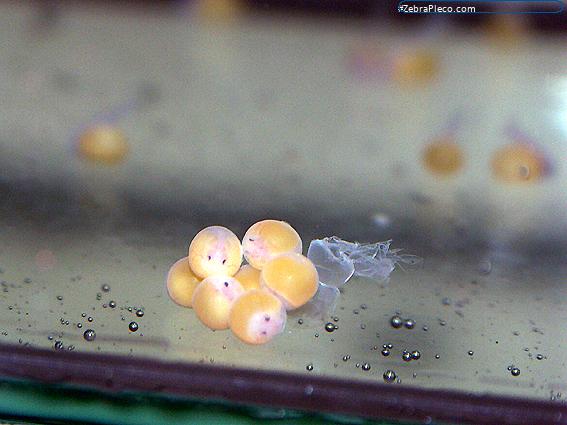
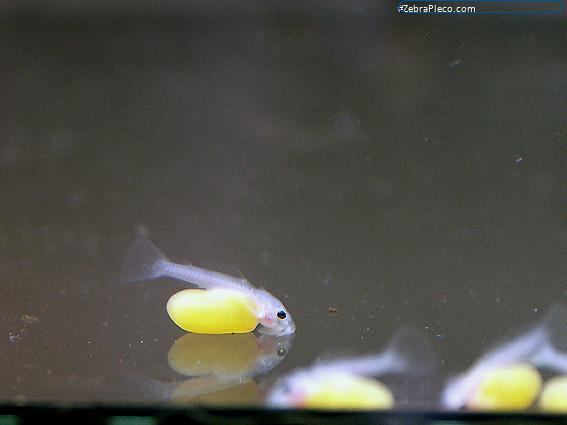
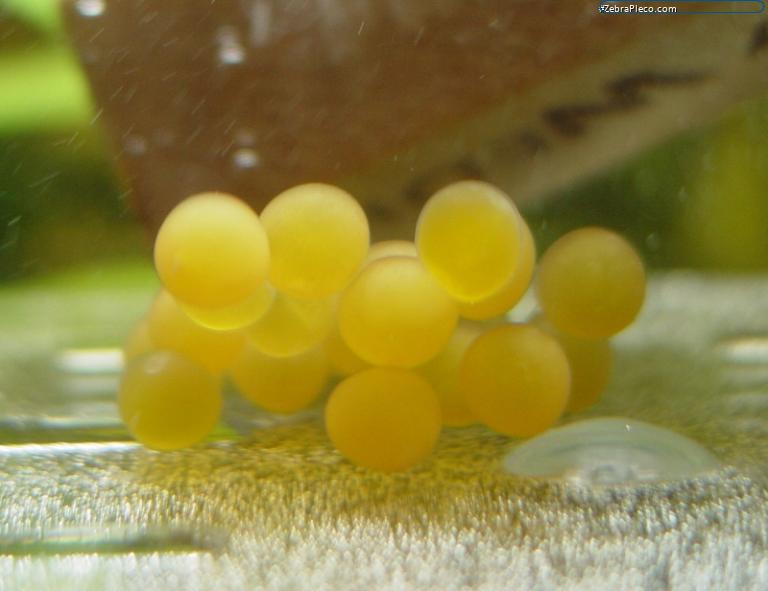
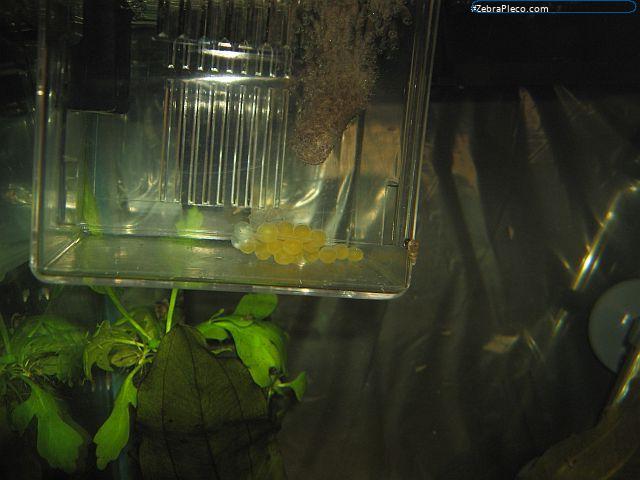
Reasonably easy to breed applying the usual small pleco cave spawning method, produces clutches of 10-25 eggs, the young require around 7-9 months to reach a saleable size.
Habitat & Water Parameters
Natural distribution, biotope water conditions and temperature ranges
Species Description & Identification
Morphology, diagnostic traits and sexual dimorphism
Identification
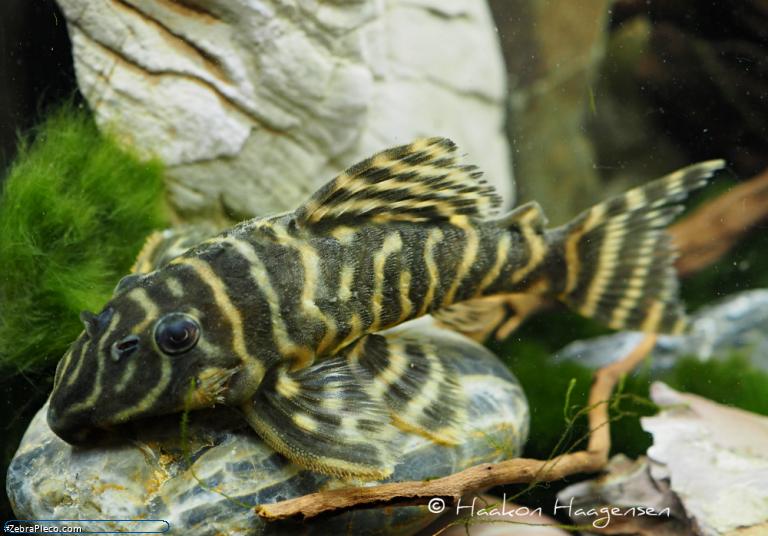
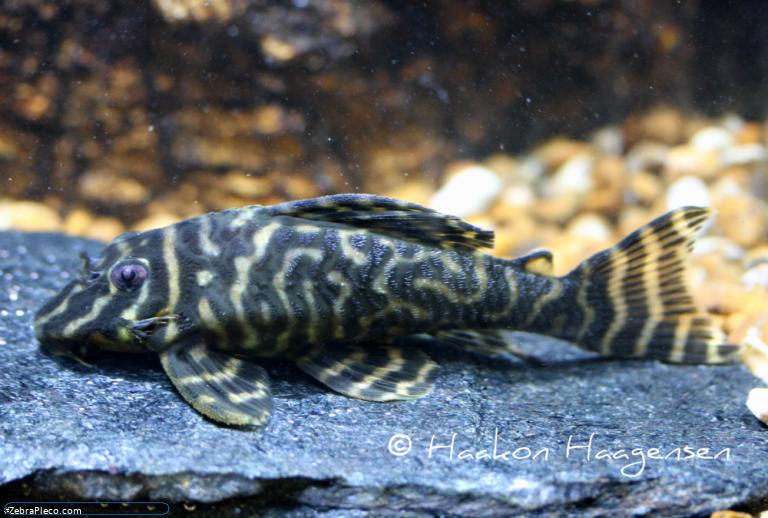
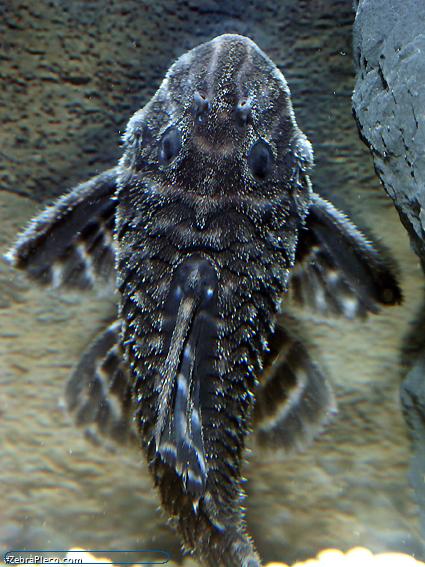
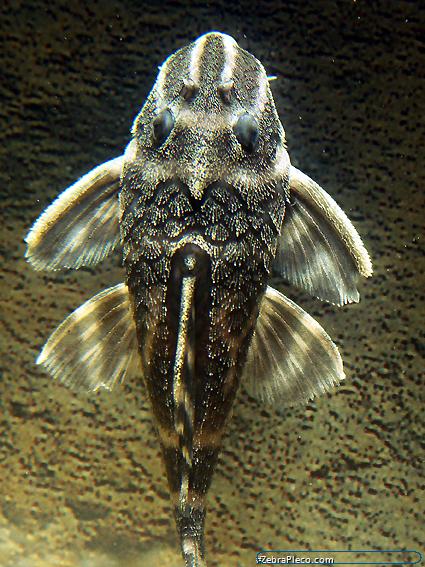
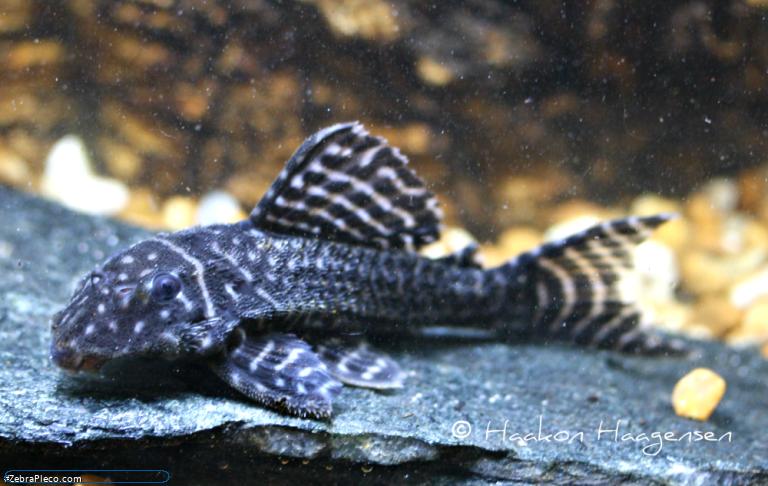
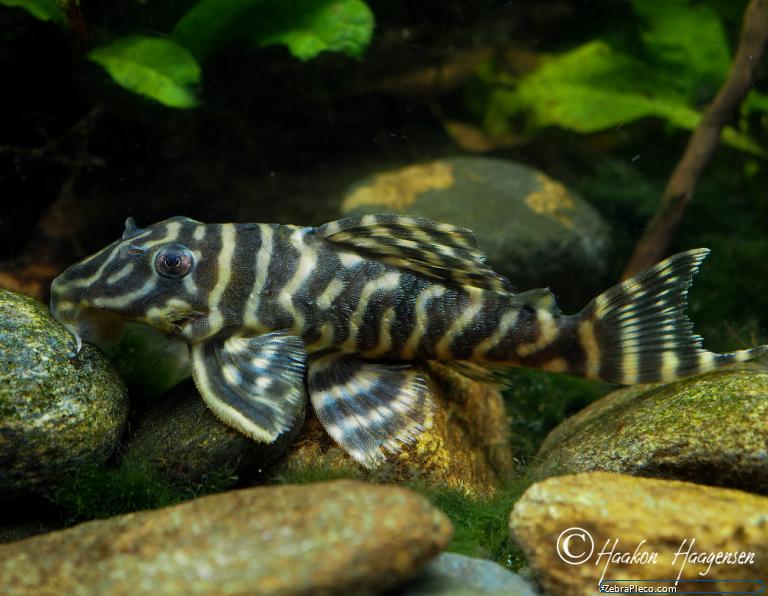
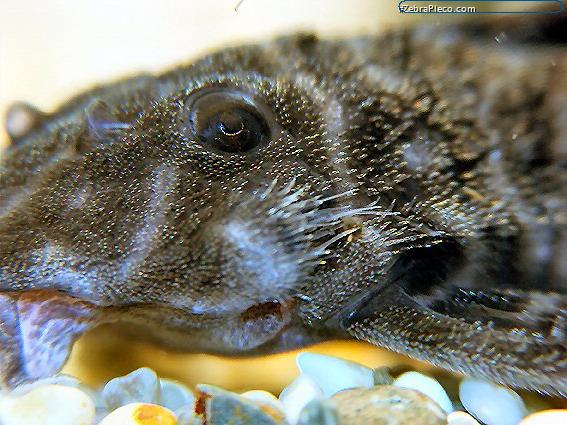
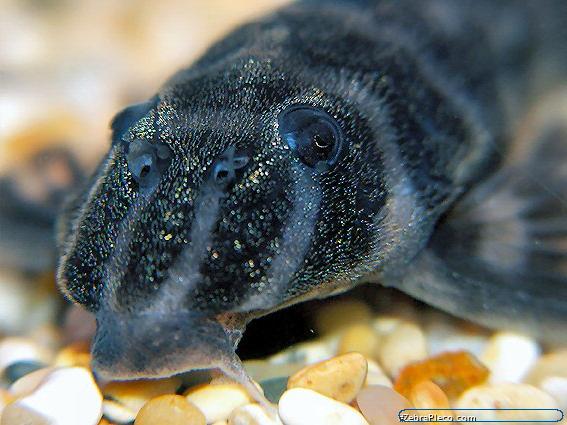
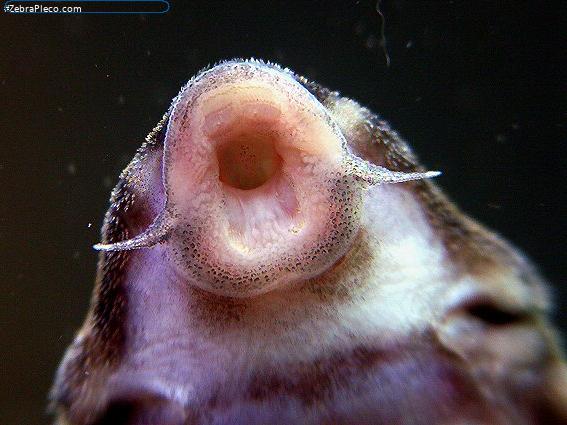
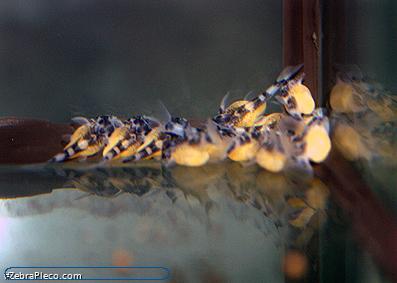
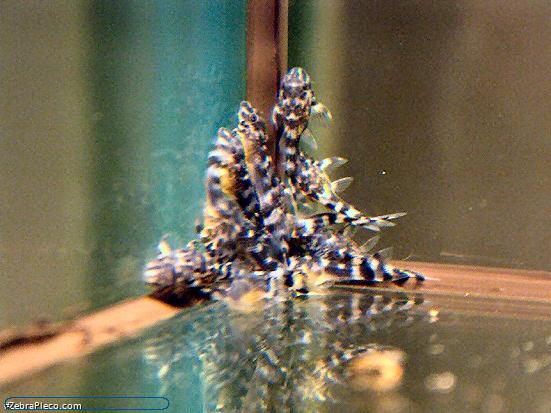
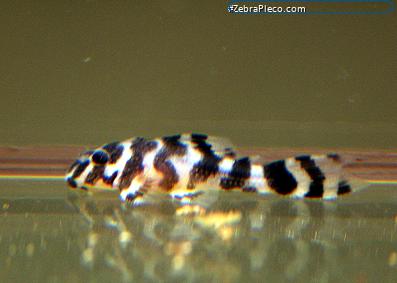
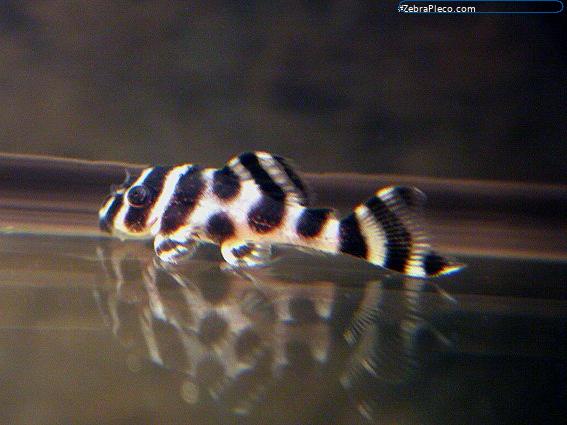
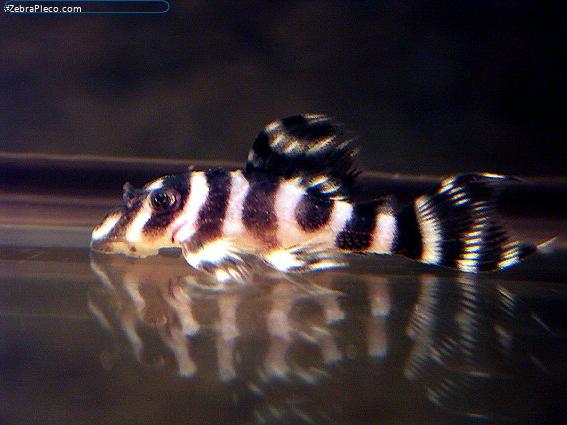
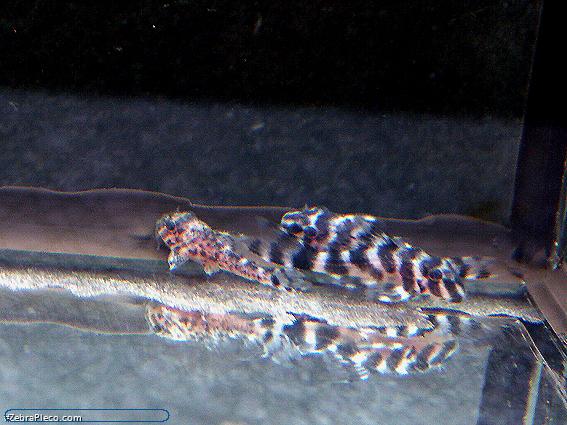
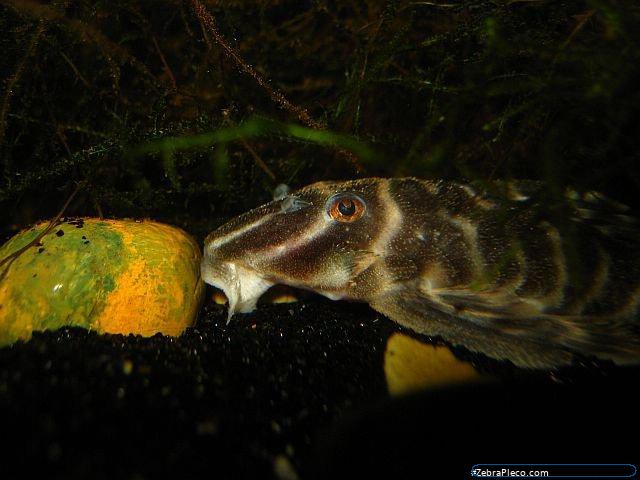
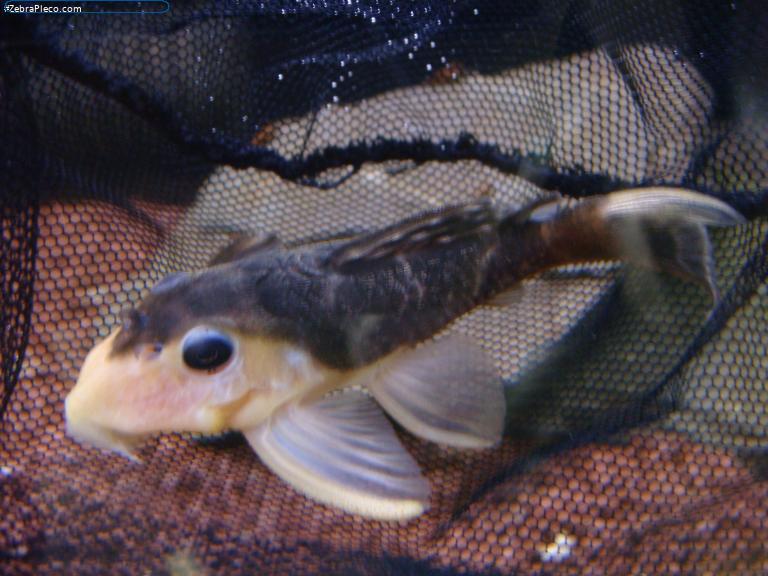
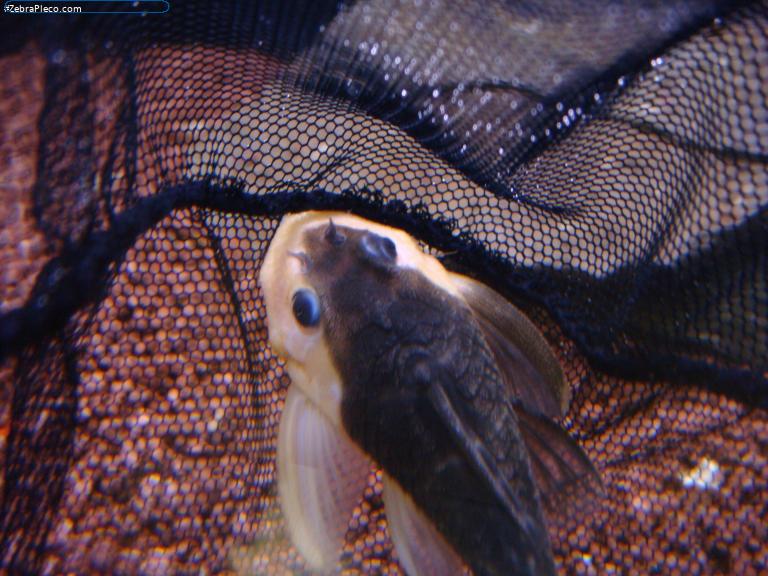
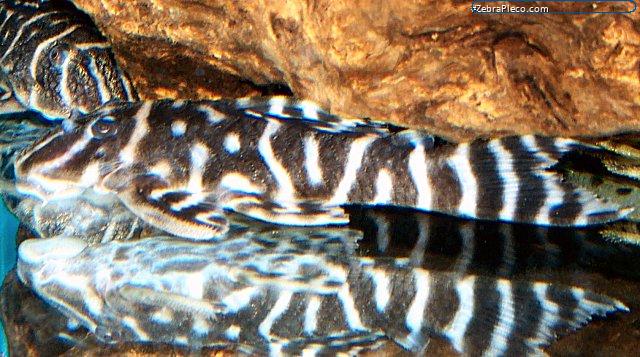
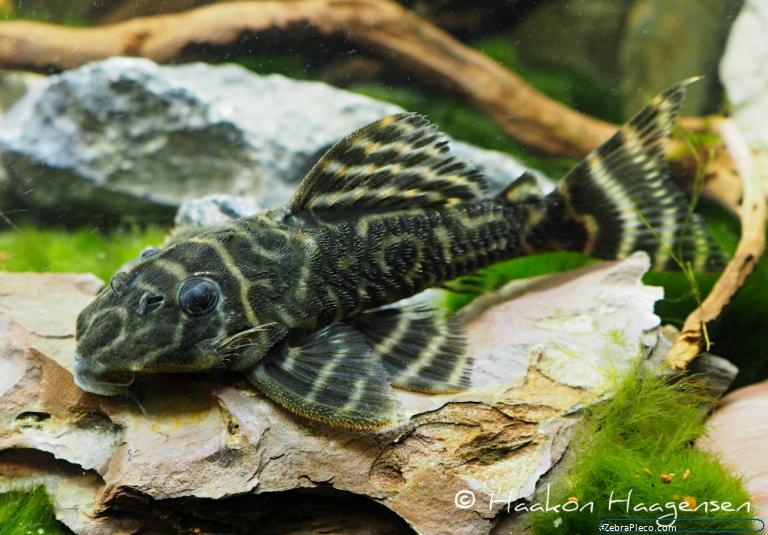
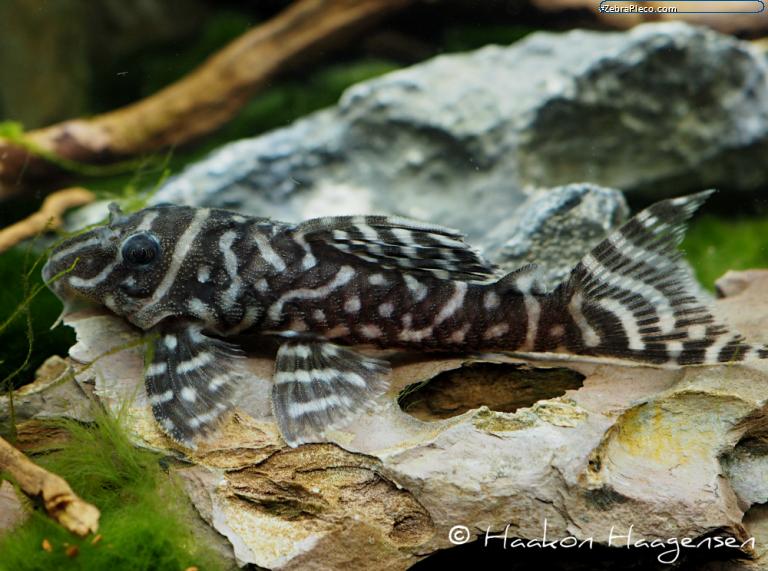
Confused with other similarly patterned species. Distinguishable from other similarly sized and coloured l-numbers by the smaller than normal eye and reduced set of teeth. Patterning on this fish is a poor identification characteristic as these fish are among the most variably patterned of all l-numbers. Young fish are very attractive rivalling the zebra pleco (H. zebra) for looks.
If you're new to l-numbers then it can look quite similar to a lot of them, but to the hard-core pleco watcher only really confused with L129 (Colombia) and L199 (Venezuela) the size of eye quickly distinguishes L316. L318 is also from the Rio Jari (the two have been jokingly titled ''BMW plecos'') may prove to be the same species as the only discernible difference is its lighter grey base colour. Oddly, it shares the exact same body sizes (including eyes) as L174, but is only similar visually at a young (<4cm) age.
Sexual Dimorphism (Sexing)
Sexually mature at around 6cm, so you should be able to select pairs or a breeding group when purchasing. As males mature they become darker, less contrastingly patterned and grow odontodes (small hard spines) all over the body that never entirely go away but are much more prominent in breeding males.
Taxonomy, Synonyms & Etymology
Classification history, linguistic derivations and variant forms
Pronunciation
hype an siss truss
Etymology
A contraction of the Greek hypo (meaning less than) and ancistrus, an allusion to the reduced number of teeth (particularly in the lower jaw) found in this genus.
Literature & Resources
Scientific publications, external links and citation tools
Related Searches