
PAGE_HEADER
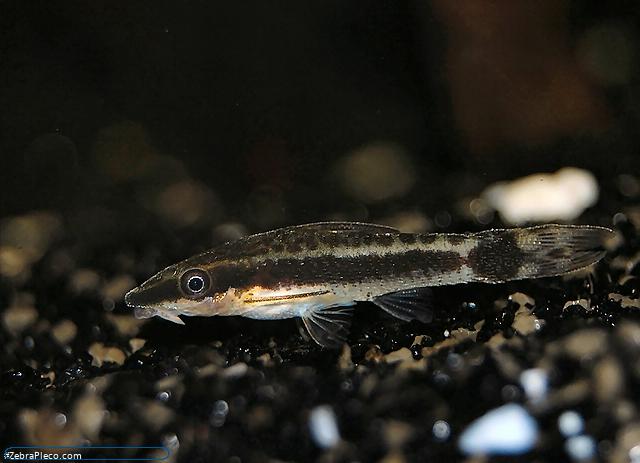
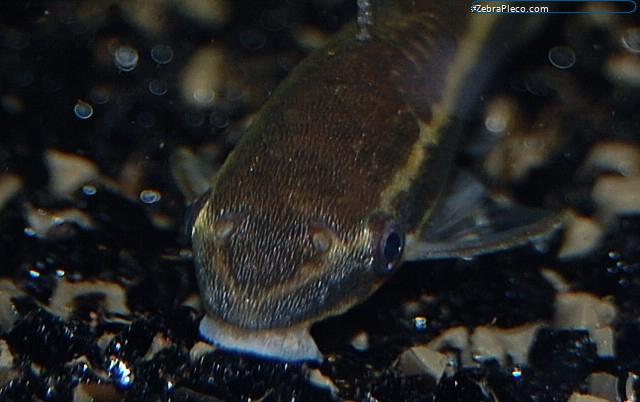
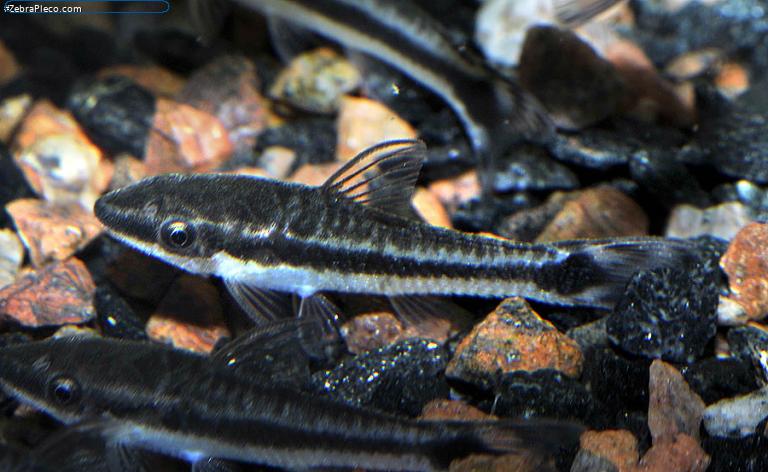
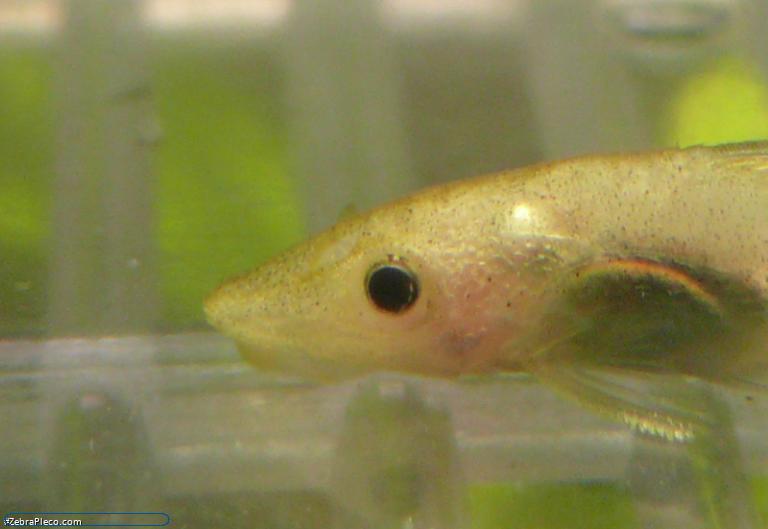
Otocinclus macrospilus Eigenmann & Allen, 1942
Image Showcase
Photographs, diagnostic angles and morphological variants
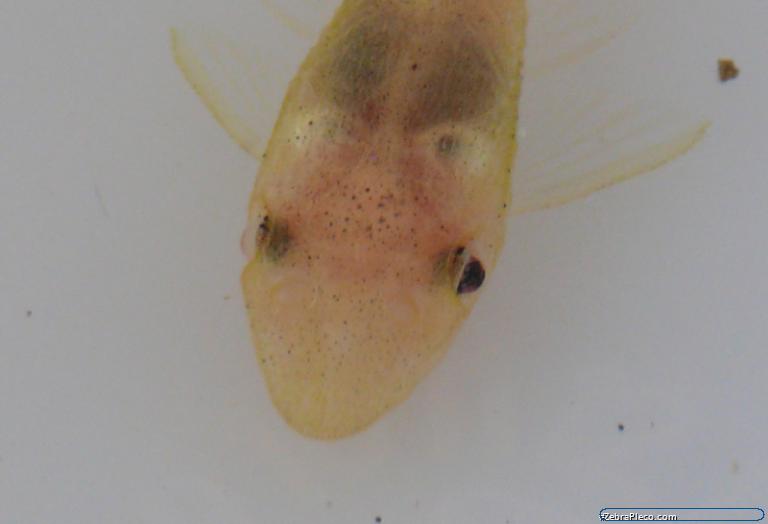
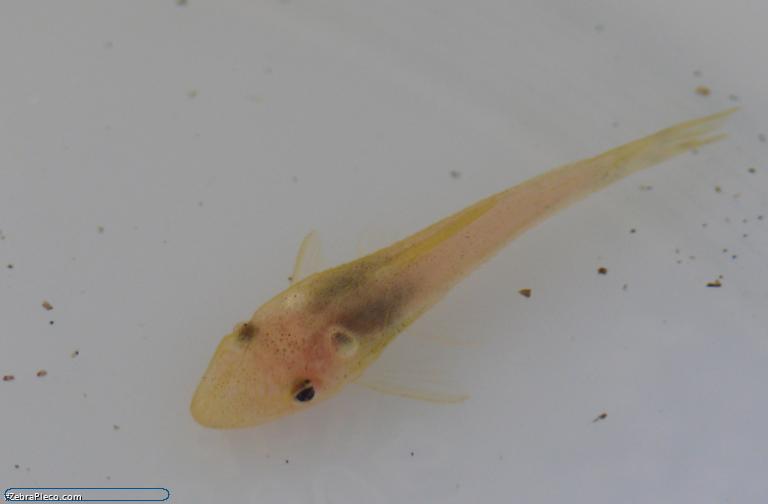
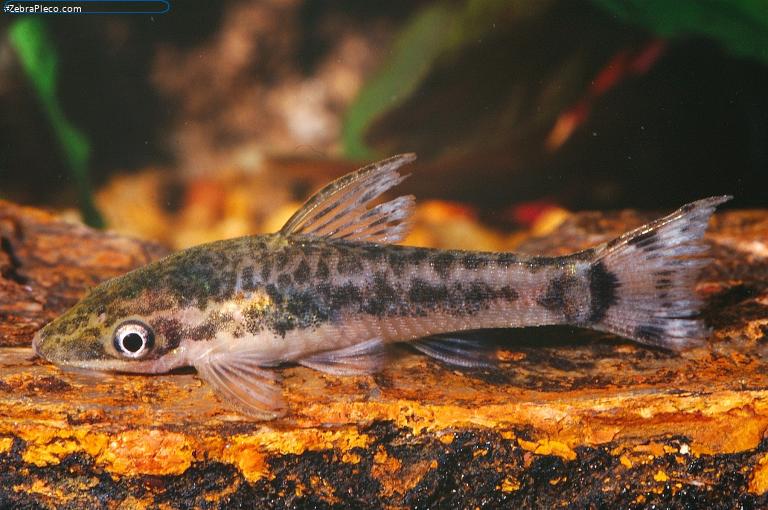
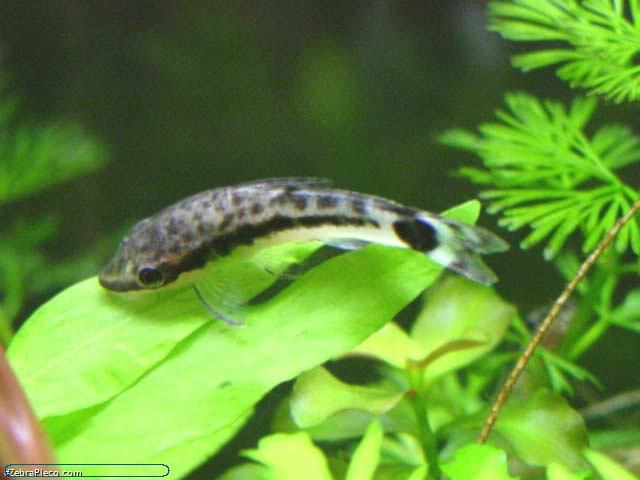
Community & Keeper Tally
Member interactions, breeding records and forum mentions
Aquarium Care & Husbandry
Dietary requirements, tank setup, compatibility and breeding
Feeding & Diet
Initially algae, add a shoal to an ''algaefied'' tank and then supplement diet with sinking tablets and the usual cucumbers / lettuce or courgette (zucchini). [View Member Food Stats]
Aquarium Furniture & Decor
Large leafed plants and vertical flat rock surfaces (especially slate). Not essential, but likes bogwood and a large rounded substrate. Live plants seem essential to the long term survival of this fish.
Compatibility & Suggested Tankmates
Peaceful.
Tankmates: Keep in groups (preferably at least six) with any small to mid-sized community fish.
Breeding Notes
See Shane's World Article
Habitat & Water Parameters
Natural distribution, biotope water conditions and temperature ranges
Geographic Distribution
Upper Amazon Basin of Colombia, Ecuador & Peru
Amazon, Upper Amazon (click on these areas to find other species found there)
Login to view the map.
Species Description & Identification
Morphology, diagnostic traits and sexual dimorphism
Identification
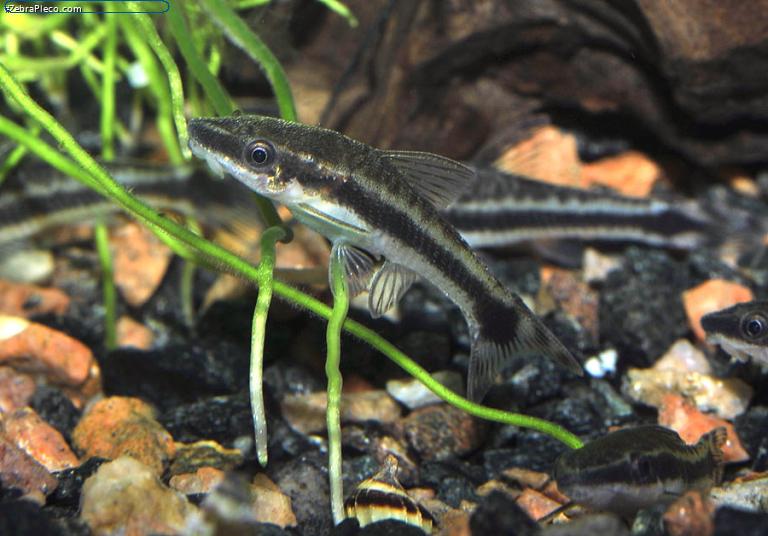
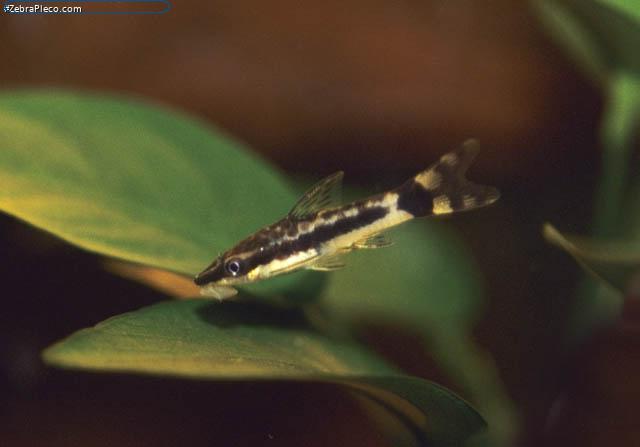
Similar in overall colouration to O. vestitus. The caudal fin marking is key to separating this species of Otocinclus from the others. In O. macrospilus the lateral black stripe stops or becomes pale before the tail blotch, which can look like a fat spindle or diamond as it crosses into the tail proper.
Sexual Dimorphism (Sexing)
Females are larger and broader especially when viewed from above.
Taxonomy, Synonyms & Etymology
Classification history, linguistic derivations and variant forms
Pronunciation
auto SINK luss - MAK ro spill us
Etymology
Greek, ous, oto = ear + Latin, cinclus = latticework; in allusion to the holes of the head in the ears.
Literature & Resources
Scientific publications, external links and citation tools
Description Reference
Fishes of western South America, pp 201, Pl. 13 (fig. 1).
External Databases
Related Searches

