PAGE_HEADER
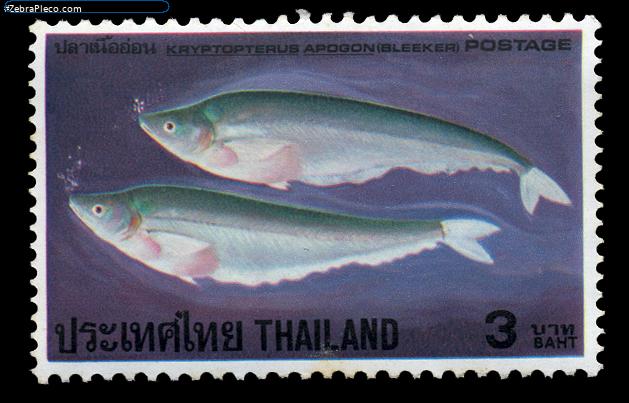
Phalacronotus apogon (Bleeker, 1851)
Image Showcase
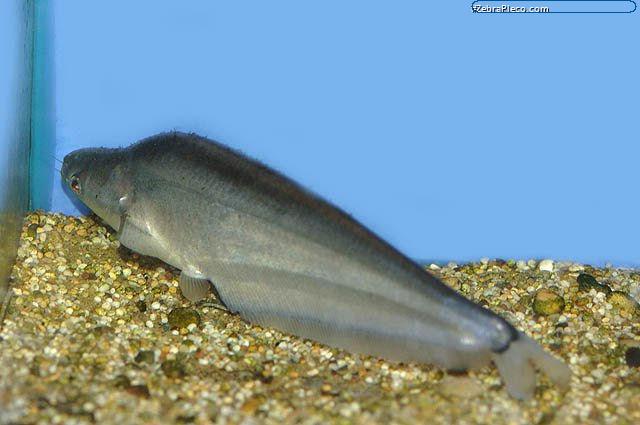
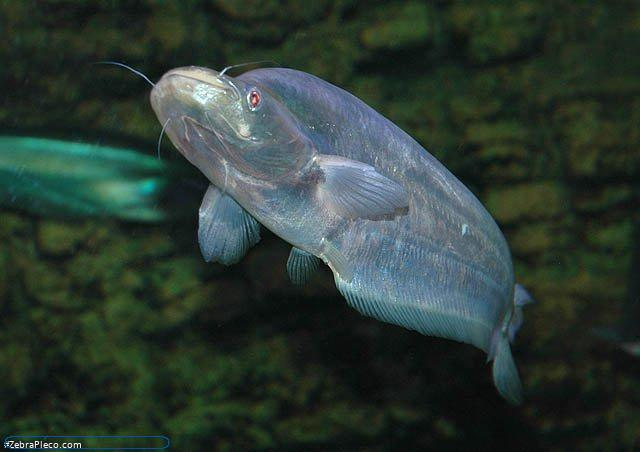
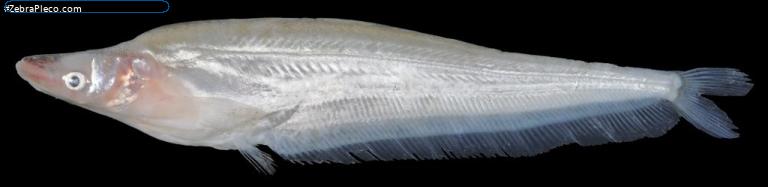
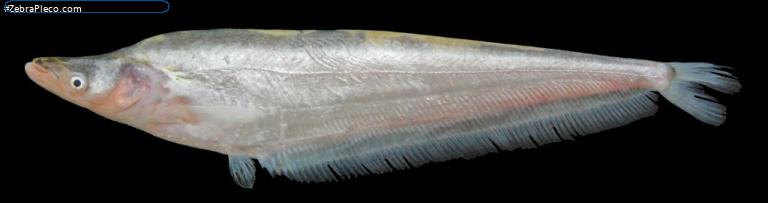
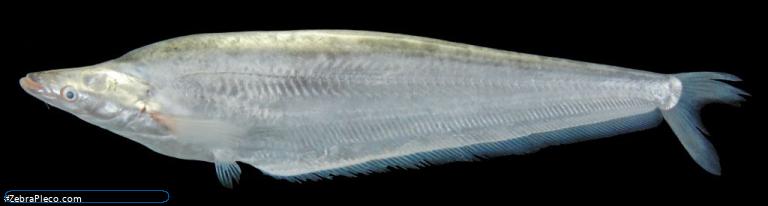
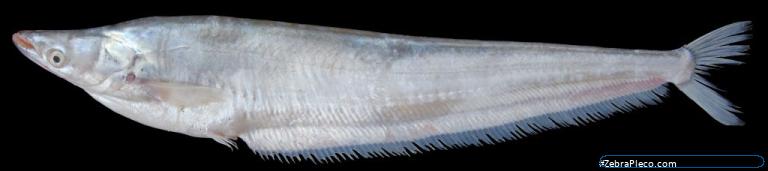
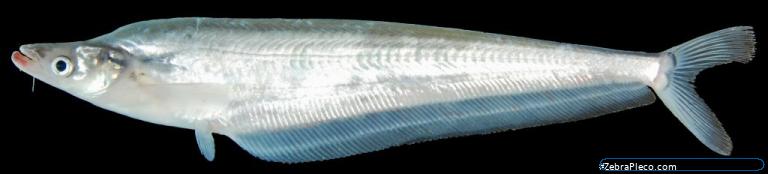
Photographs, diagnostic angles and morphological variants
Community & Keeper Tally
Member interactions, breeding records and forum mentions
Aquarium Care & Husbandry
Dietary requirements, tank setup, compatibility and breeding
Feeding & Diet
Readily feeds on live/frozen foods and other prepared foods such as pellets. Will also eat fishes/shrimps. [View Member Food Stats]
Aquarium Furniture & Decor
This fish is fairly active and needs open spaces to swim in. Provide plenty of vegetation for it to hide in during the day.
Compatibility & Suggested Tankmates
A predatory fish best kept alone.
Breeding Notes
Not reported in captivity. In mainland South-east Asia, this species spawns just prior to the rise in water levels and moves into the flooded riparian forests and probably out into the floodplains during high water levels. Young of the year are first seen in July and start to move back to the rivers in October, where they remain common until January.
Habitat & Water Parameters
Natural distribution, biotope water conditions and temperature ranges
Geographic Distribution
Asia: Mekong and Chao Phraya basins, Malay Peninsula, Sumatra and Borneo.
Pacific, Greater Sunda Island Rivers, Borneo Waters (click on these areas to find other species found there)
Thailand Waters, Chao Praya (click on these areas to find other species found there)
Mekong (click on these areas to find other species found there)
Pacific, Malaysia Waters, Peninsular Malaysia Waters (click on these areas to find other species found there)
Pacific, Greater Sunda Island Rivers, Sumatra Waters (click on these areas to find other species found there)
Login to view the map.
Species Description & Identification
Morphology, diagnostic traits and sexual dimorphism
Identification
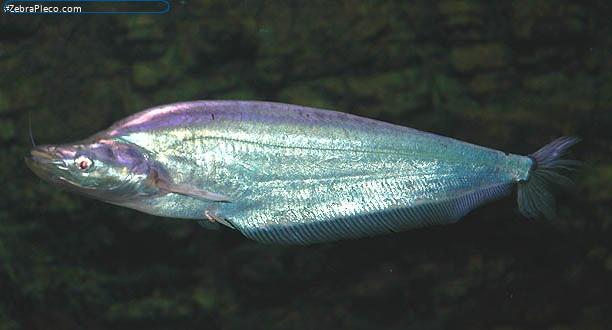
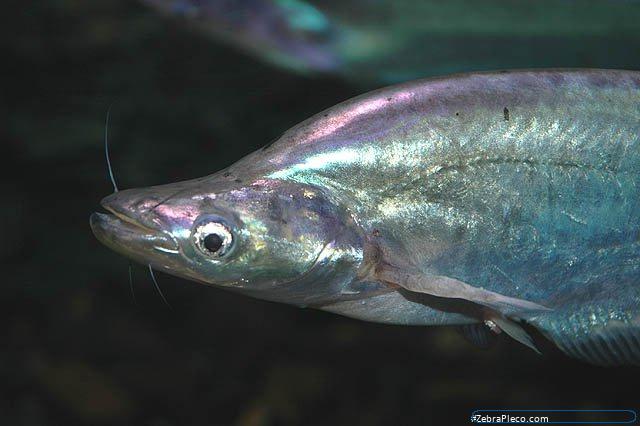
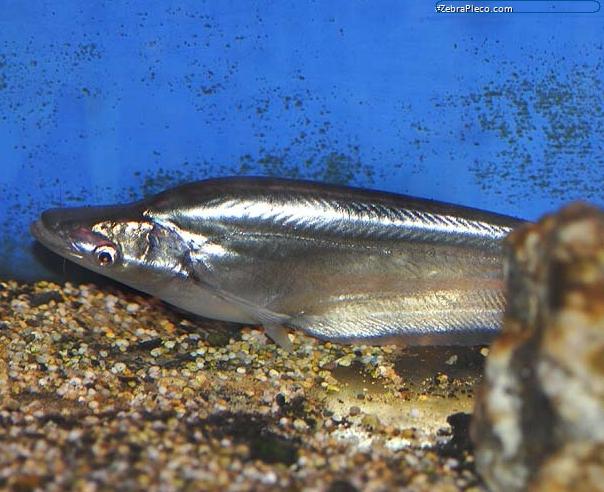
No dorsal fin; greatly reduced barbels (smaller than eye diameter or absent); body depth 5.7-7.0 times in SL; vomerine teeth in angular band; 75-91 anal-fin rays.
Sexual Dimorphism (Sexing)
Males are more slender and have strong serrations on the posterior edge of the pectoral spine (females lack these serrations).
Taxonomy, Synonyms & Etymology
Classification history, linguistic derivations and variant forms
Synonyms
Cryptopterus apogon, Cryptopterus micropogon, Kryptopterus apogon, Micronema apogon, Phalacronotus leptonema, Phalacronotus micropogon, Silurus apogon, Silurus leptonema, Silurus micropogon
Pronunciation
- air paw gone
Etymology
From the Greek a- meaning without and pogon, meaning beard. In reference to the very small barbels in this species.
There are 2 other speciesCyclocheilichthys apogon
Devario apogon with this specific name.
Literature & Resources
Scientific publications, external links and citation tools
Description Reference
Natuurkundig Tijdschrift voor Nederlandsch Indië v. 2 (no. 1), pp 67.
External Databases
Related Searches