PAGE_HEADER
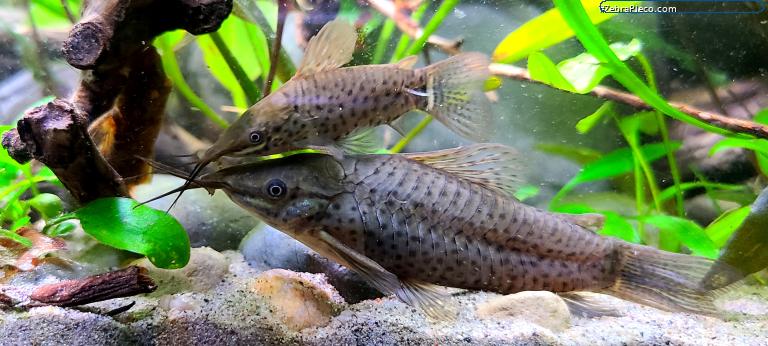
Hoplosternum punctatum Meek & Hildebrand, 1916
Image Showcase
Photographs, diagnostic angles and morphological variants
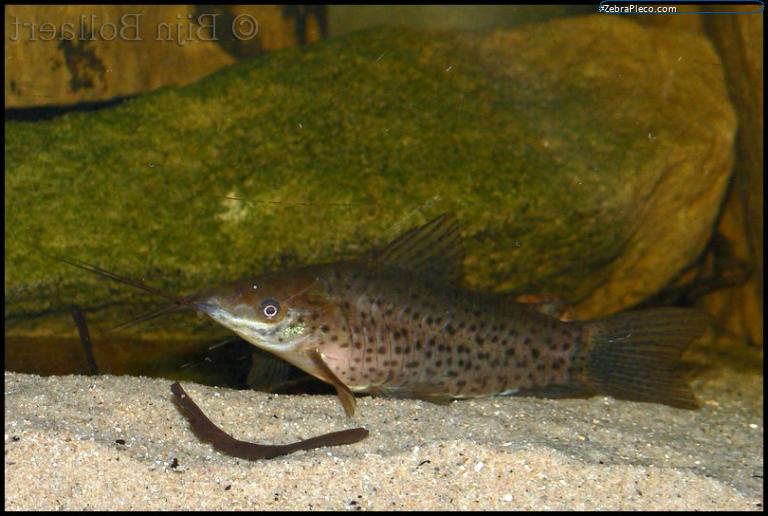
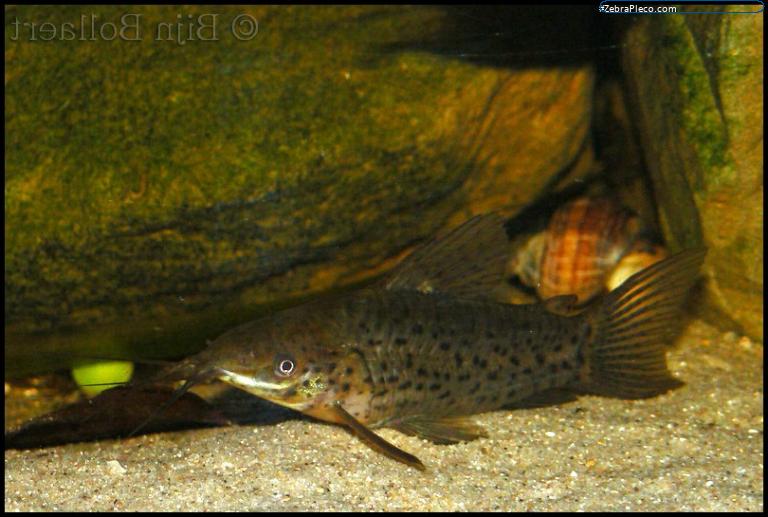
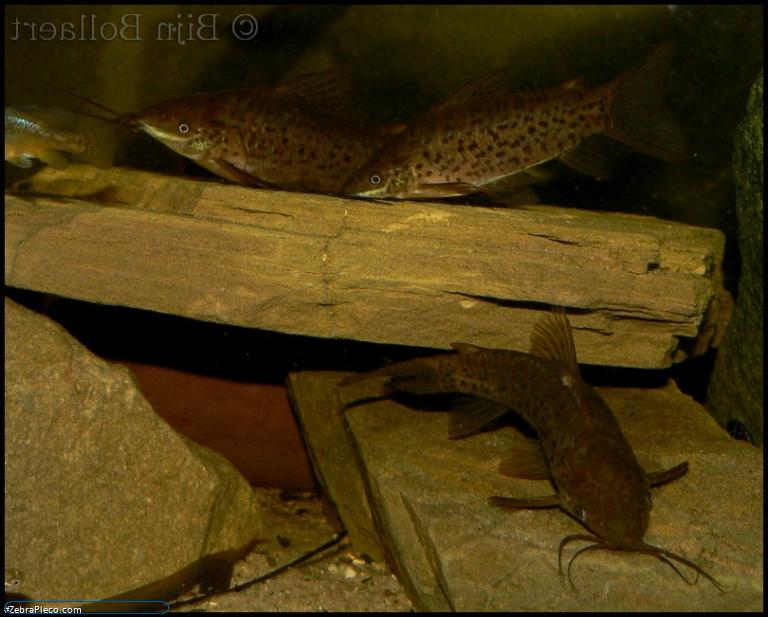
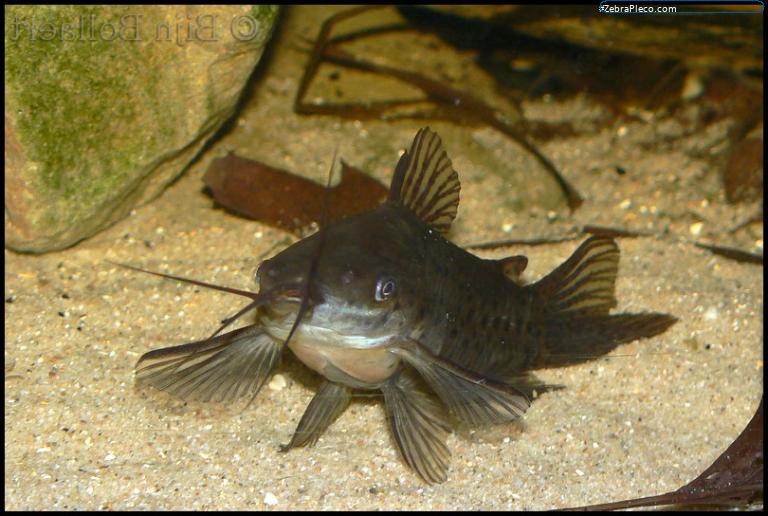
Community & Keeper Tally
Member interactions, breeding records and forum mentions
Aquarium Care & Husbandry
Dietary requirements, tank setup, compatibility and breeding
Breeding Notes
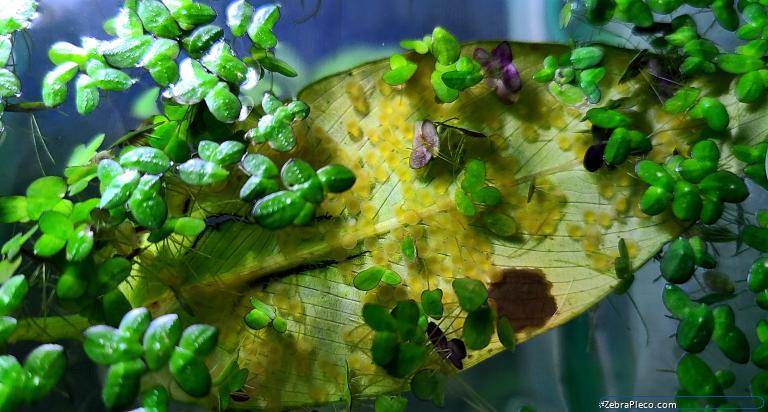
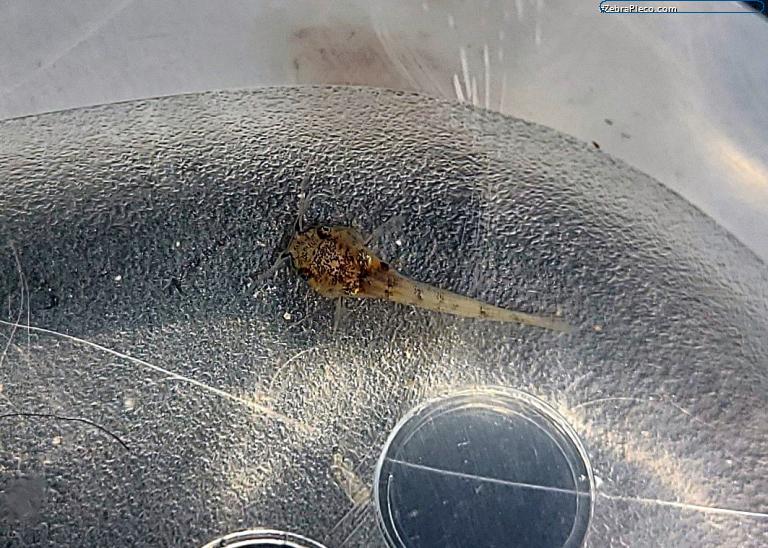
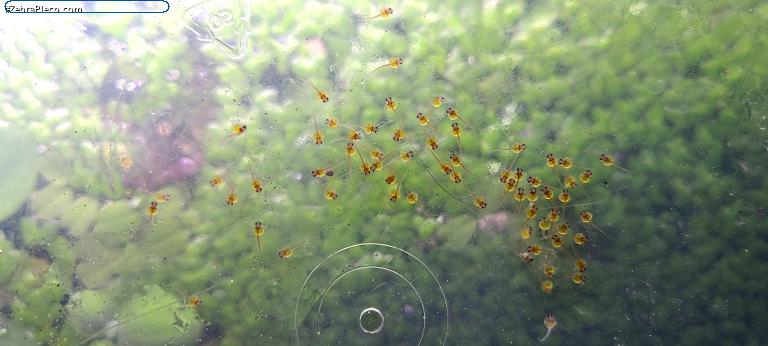
Has been bred in the aquarium.
Habitat & Water Parameters
Natural distribution, biotope water conditions and temperature ranges
Geographic Distribution
Central and South America: Pacific coastal drainages of Panama and in the Atrato River basin in Colombia.
Colombia Caribbean Rivers, Atrato (click on these areas to find other species found there)
Login to view the map.
Species Description & Identification
Morphology, diagnostic traits and sexual dimorphism
Identification
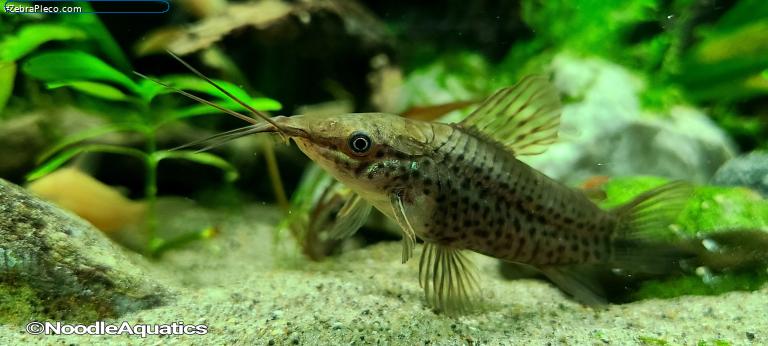
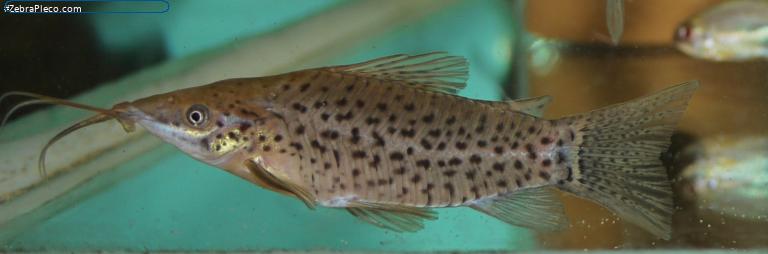
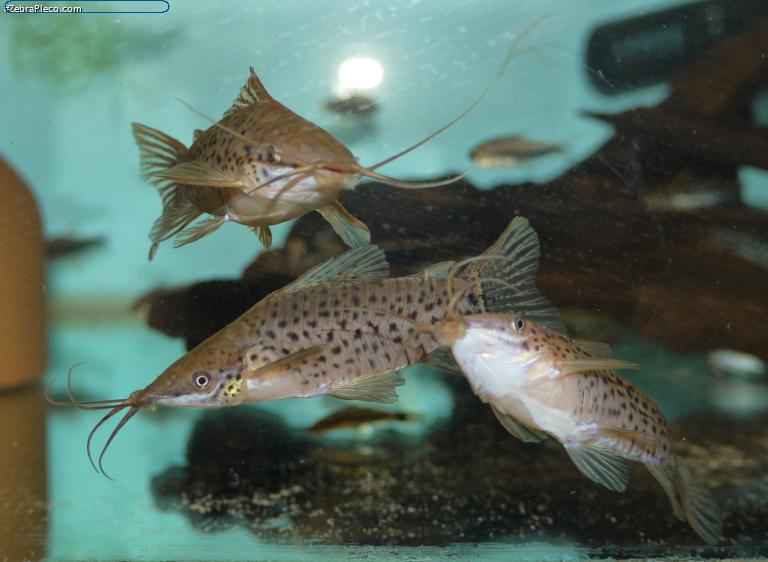
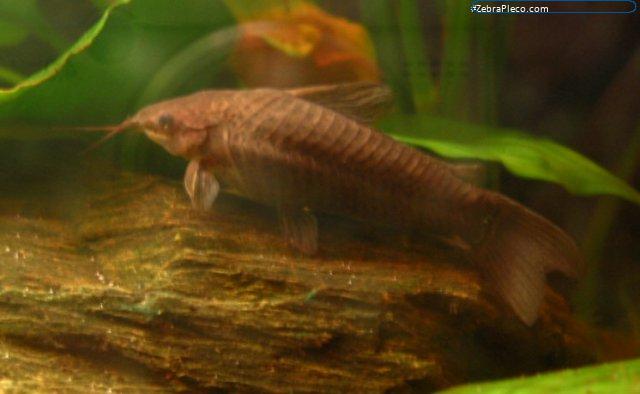
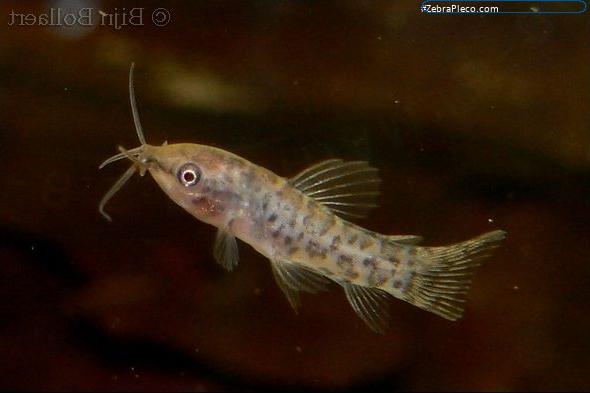
Hoplosternum punctatum and Dianema longibarbis are sometimes confused. Hoplosternum punctatum has smaller eyes. In adults the difference in bodyshape and armour is easier to spot; the pectoral shields in Hoplosternum punctatum do not touch in the centre (females) or overlap (males), but in Dianema these are closely placed together.
The simplest way to tell them apart is to look at the length of the dorsal fin spine. In Hoplosternum it is about half the length of the first soft ray. In Dianema the dorsal fin spine is about the same length as the first soft ray.
Sexual Dimorphism (Sexing)
In Dianema, Hoplosternum and Megalechis (but not in Callichthys), medial expansions of the coracoid bones are especially developed, covering most of the skin between the pectoral fins and sometimes overlapping in the midline in fully developed mature males (vs. not fully covering the abdominal skin and not overlapping in females). Mature males of Callichthys, Dianema, Hoplosternum, Lepthoplosternum, and Megalechis have a thick adipose body on the ventral surface of the pectoral fin. Mature females of Dianema, Hoplosternum and Megalechis have a small fold of skin on the external face of the leading pelvic-fin ray.
Taxonomy, Synonyms & Etymology
Classification history, linguistic derivations and variant forms
Pronunciation
hop low STERN um
Etymology
Hoplosternum: From the Greek hoplon, meaning shield and sternum, meaning breast; in reference to the prominent coracoid bones on the breast.
There are 2 other speciesHoplisoma punctatum
Steindachneridion punctatum with this specific name.
Literature & Resources
Scientific publications, external links and citation tools
Description Reference
Field Museum of Natural History, Publications, Zoölogical Series v. 10 (no. 15), pp 264, Pls. 14-15.
External Databases
Related Searches