PAGE_HEADER
Silurichthys hasseltii Bleeker, 1858
Image Showcase
Photographs, diagnostic angles and morphological variants
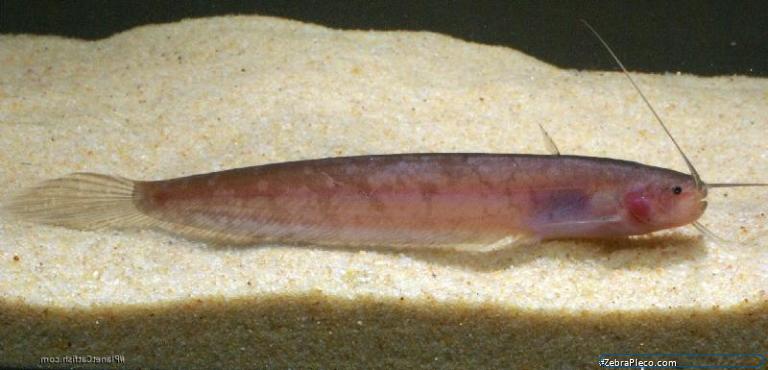
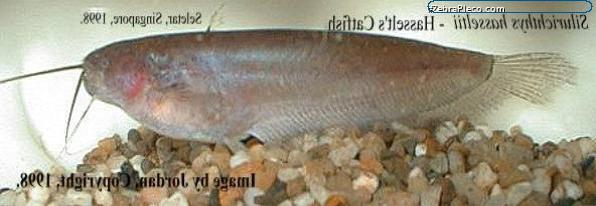
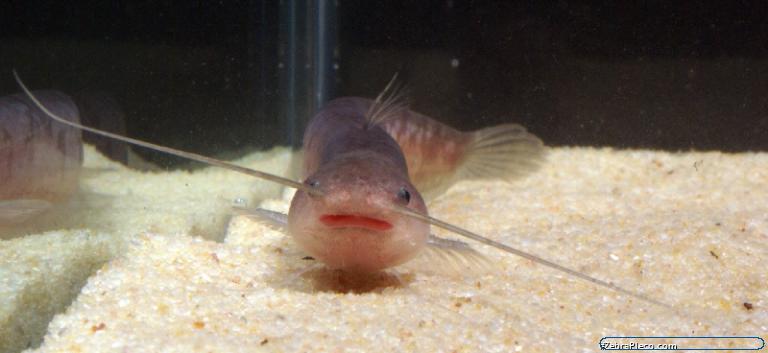
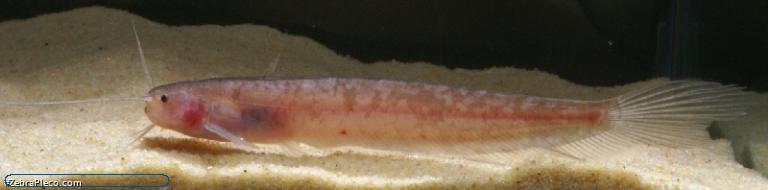
Community & Keeper Tally
Member interactions, breeding records and forum mentions
Aquarium Care & Husbandry
Dietary requirements, tank setup, compatibility and breeding
Feeding & Diet
Will eat all manner of live, frozen and prepared foods. [View Member Food Stats]
Aquarium Furniture & Decor
Provide plenty of driftwood as hiding places. They also enjoy a layer of leaf litter to burrow into.
Compatibility & Suggested Tankmates
A peaceful, shoaling species compatible with most fish.
Tankmates: Ideal tankmates are mid-sized barbs, rasboras and gouramies in an Asian forest stream biotope tank.
Breeding Notes
Unreported in the aquarium.
Habitat & Water Parameters
Natural distribution, biotope water conditions and temperature ranges
Geographic Distribution
Asia: Malaysia, Singapore and Indonesia. Known from the Mekong basin.
Pacific, Greater Sunda Island Rivers, Java Waters (click on these areas to find other species found there)
Pacific, Malaysia Waters, Peninsular Malaysia Waters (click on these areas to find other species found there)
Singapore waters (click on these areas to find other species found there)
Login to view the map.
Species Description & Identification
Morphology, diagnostic traits and sexual dimorphism
Identification
Distinguished by a shorter caudal fin, more mottled coloration, 2-4 gill rakers on first branchial arch and 46-56 anal-fin rays.
Sexual Dimorphism (Sexing)
Males are smaller and possess serrations on posterior edge of pectoral spine.
Taxonomy, Synonyms & Etymology
Classification history, linguistic derivations and variant forms
Pronunciation
Seel loo reek thees - has sell tee eye
Etymology
From Silurus and the Greek ichthyos, meaning fish; in reference to the general resemblance to members of the genus Silurus. Named after JC van Hasselt, who first discovered and illustrated the fish.
Literature & Resources
Scientific publications, external links and citation tools
Description Reference
Acta Societatis Regiae Scientiarum Indo-Neêrlandicae v. 4 (art. 2), pp 270
External Databases
Related Searches