PAGE_HEADER
Image Showcase
Photographs, diagnostic angles and morphological variants
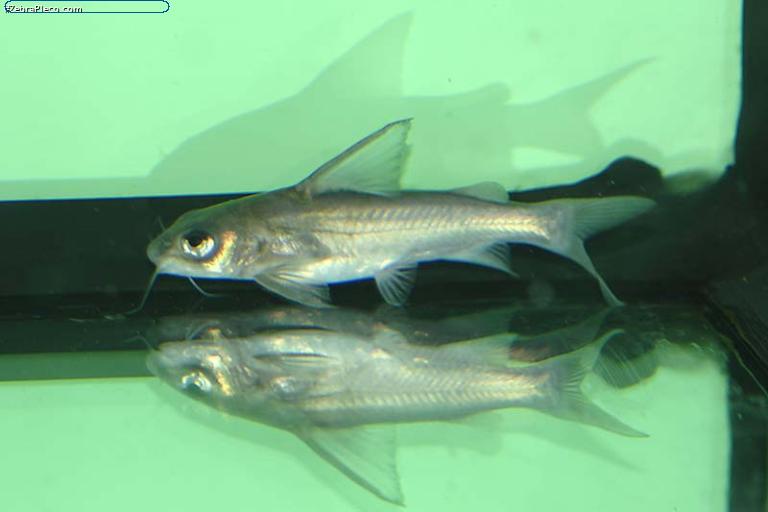
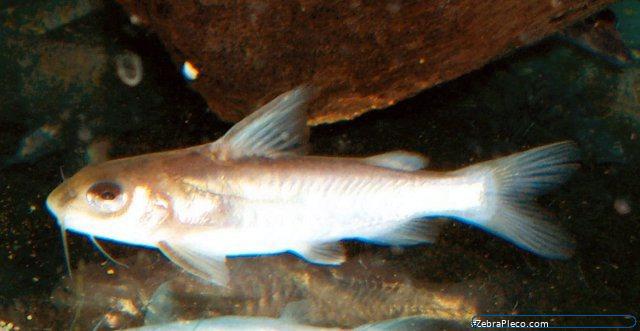
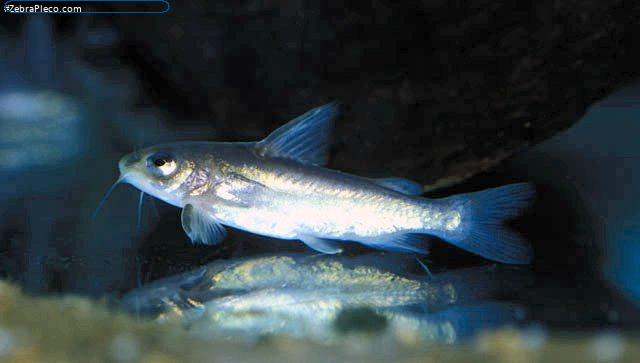
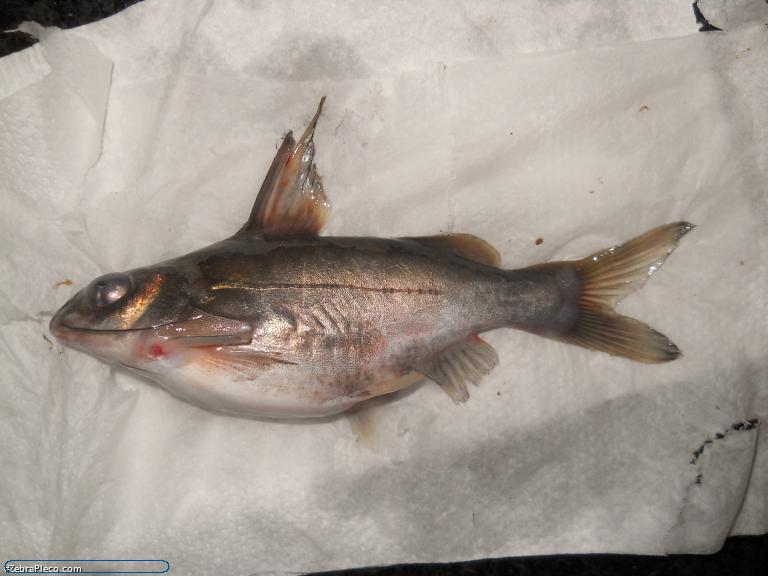
Community & Keeper Tally
Member interactions, breeding records and forum mentions
Aquarium Care & Husbandry
Dietary requirements, tank setup, compatibility and breeding
Feeding & Diet
Readily eats all manner of live and prepared foods. Will eat smaller fishes. [View Member Food Stats]
Aquarium Furniture & Decor
Provide plenty of driftwood as hiding places.
Compatibility & Suggested Tankmates
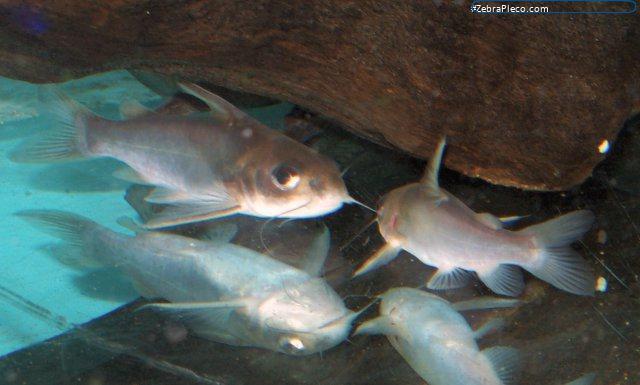
Although a fairly peaceful fish, it will eat smaller tankmates and is therefore best kept only with large, robust fishes. Larger cyprinids (e.g. Osteochilus) and larger spiny eels (Mastacembelus) are ideal tankmates.
Breeding Notes
No member of this genus has been bred in the aquarium.
Habitat & Water Parameters
Natural distribution, biotope water conditions and temperature ranges
Geographic Distribution
Asia: Peninsular India from Deccan rivers up to Krishna river system.
Indian waters, Andhra Pradesh State Waters (click on these areas to find other species found there)
Indian waters, Karnataka State Waters (click on these areas to find other species found there)
Indian waters, Kaveri (click on these areas to find other species found there)
Indian waters, Andhra Pradesh State Waters, Krishna (click on these areas to find other species found there)
Indian waters, Andhra Pradesh State Waters, Krishna, Tungabhadra (click on these areas to find other species found there)
Login to view the map.
Species Description & Identification
Morphology, diagnostic traits and sexual dimorphism
Identification
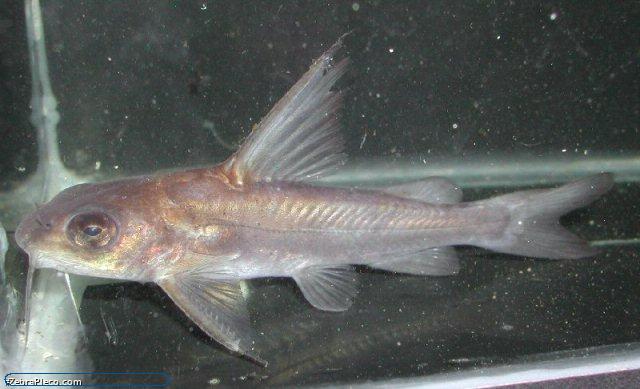
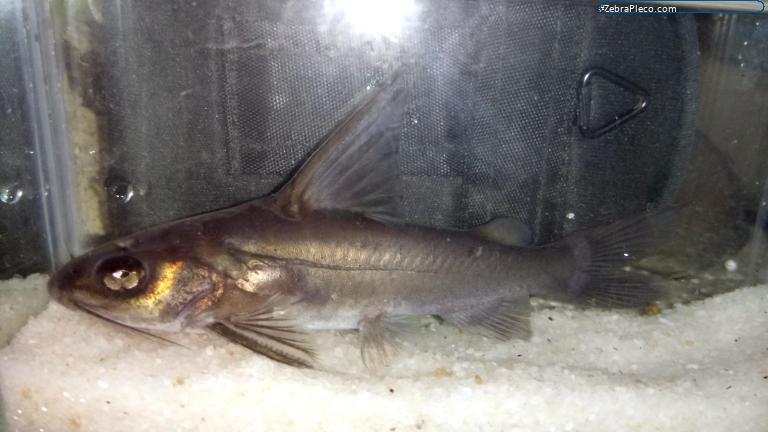
Bagrid catfishes of the genus Rita Bleeker, 1854 are found in large rivers throughout the
Indian subcontinent and Myanmar, and are capable of reaching sizes to 1500 mm TL (Talwar
and Jhingran, 1991), although mature specimens of ca. 200-300 mm SL are more commonly encountered. The genus is diagnosed by the following synapomorphies (Mo,
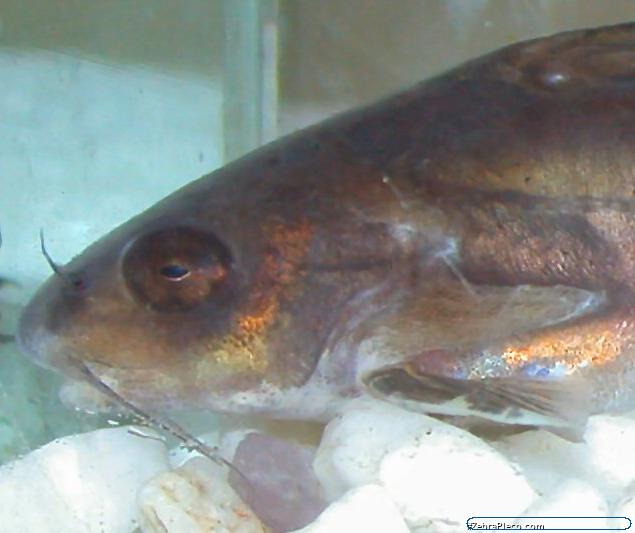
1991): single pair of mandibular barbels, elongated Weberian apparatus firmly sutured to
the basioccipital, and the sensory canal on the posttemporal enclosed within the bone.
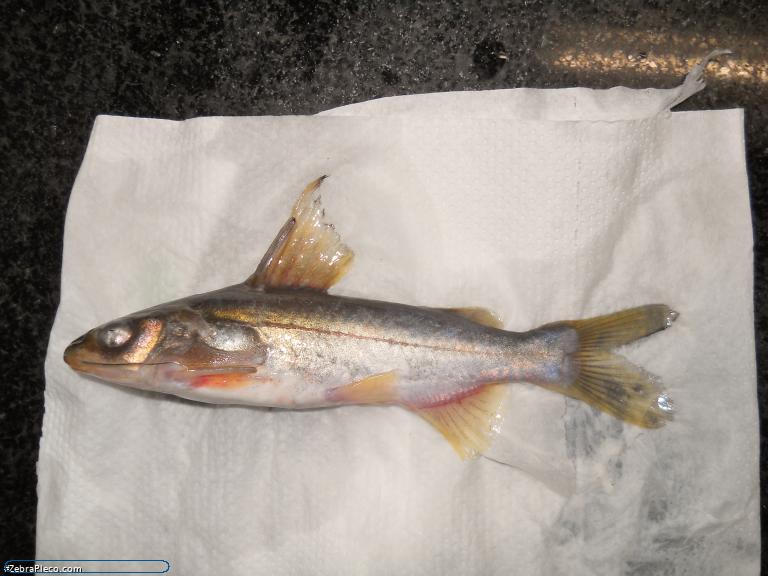
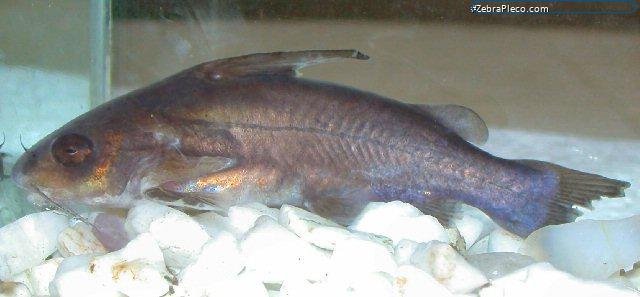
Palatal teeth in two slender crescentic bands and dorsal spine smooth anteriorly, except for a few serrations at the base.
Sexual Dimorphism (Sexing)
Males have an elongate genital papilla in front of the anal fin.
Taxonomy, Synonyms & Etymology
Classification history, linguistic derivations and variant forms
Synonyms
Arius hastatus, Arius pumilus, Phractocephalus kuturnee, Rita hastata
Pronunciation
REET ah - koo too er nee
Etymology
The name Rita is derived from the local name of the fish. The specific epithet comes from the local name of the fish, 'katarnaa'. Most of Sykes species are named after regional/local species names.
Literature & Resources
Scientific publications, external links and citation tools
Description Reference
Proceedings of the Zoological Society of London 1838 (pt 6) (for 27 Nov. 1838), pp 164.
External Databases
Related Searches