PAGE_HEADER
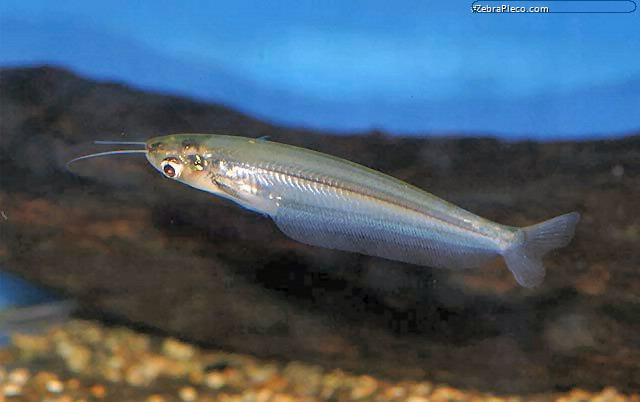
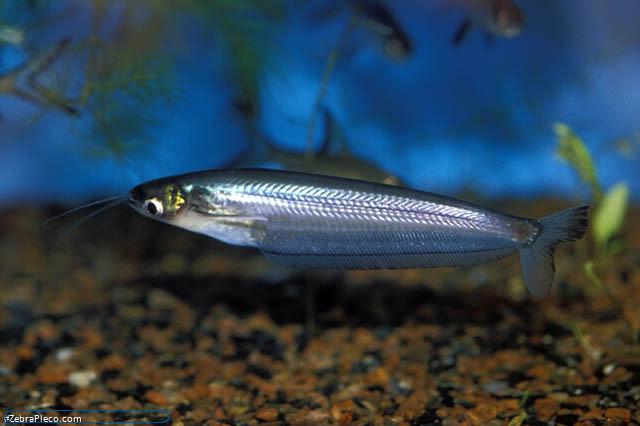
Kryptopterus cryptopterus (Bleeker, 1851)
Image Showcase
Photographs, diagnostic angles and morphological variants
Community & Keeper Tally
Member interactions, breeding records and forum mentions
Aquarium Care & Husbandry
Dietary requirements, tank setup, compatibility and breeding
Feeding & Diet
Readily feeds on live/frozen foods and other prepared foods such as pellets. [View Member Food Stats]
Aquarium Furniture & Decor
This fish is fairly active and needs open spaces to swim in. Provide plenty of vegetation for it to hide in during the day.
Compatibility & Suggested Tankmates
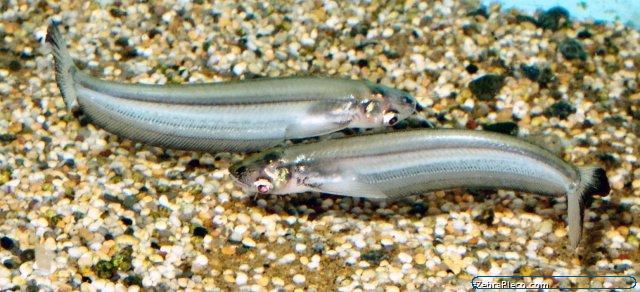
A schooling species that should be kept in groups of three or more. A relatively peaceful fish compatible with most other species. Ideal tankmates include larger barbs and rasboras, and other mid-sized bottom-dwelling Asian catfishes (e.g. Mystus).
Breeding Notes
In the Mekong, this species spawns during the early part of the rainy season (June-July). The young move toward the seasonally flooded habitats and are first seen in August.
Not reported in aquaria.
Habitat & Water Parameters
Natural distribution, biotope water conditions and temperature ranges
Geographic Distribution
Asia: Mekong and Chao Phraya basins; also from the Malay Peninsula, Sumatra and Borneo.
Pacific, Greater Sunda Island Rivers, Borneo Waters (click on these areas to find other species found there)
Thailand Waters, Chao Praya (click on these areas to find other species found there)
Mekong (click on these areas to find other species found there)
Pacific, Malaysia Waters, Peninsular Malaysia Waters (click on these areas to find other species found there)
Pacific, Greater Sunda Island Rivers, Sumatra Waters (click on these areas to find other species found there)
Login to view the map.
Species Description & Identification
Morphology, diagnostic traits and sexual dimorphism
Identification
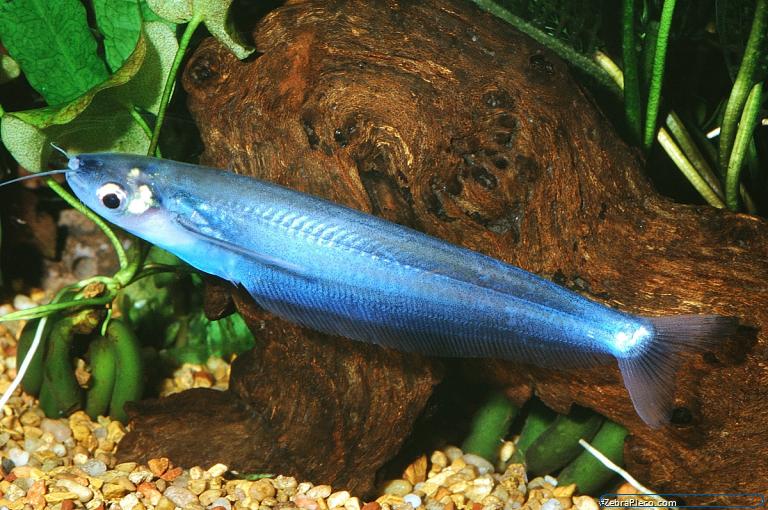
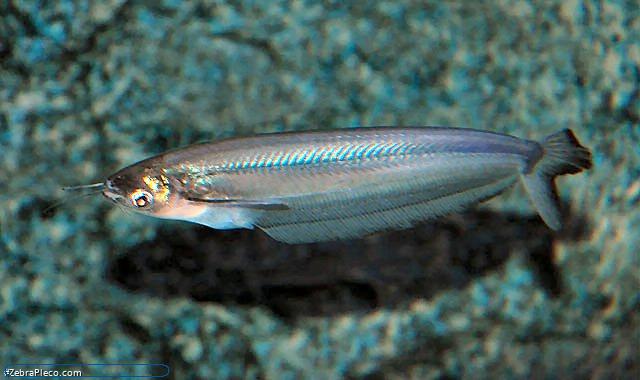
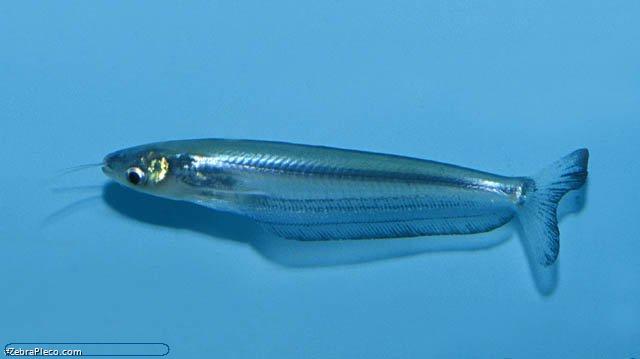
Rudimentary dorsal fin; the maxillary barbels reaching to the base of the pectoral fin; 64-78 anal rays. Nearly straight dorsal profile with no nuchal concavity; pectoral-fin length greater than head length.
Sexual Dimorphism (Sexing)
Males are more slender and have strong serrations on the posterior edge of the pectoral spine (females lack these serrations).
Taxonomy, Synonyms & Etymology
Classification history, linguistic derivations and variant forms
Synonyms
Kryptopterus micropus, Silurus cryptopterus
Pronunciation
Cry top ter russ. - kreep top ter russ
Etymology
Kryptopterus: From the Greek kryptos, meaning hidden and pteryx, meaning fin; in reference to the reduced or absent dorsal fin of this group of fishes. From the Greek cryptos, meaning hidden and pterygion, meaning fin. In reference to the rudimentary dorsal fin.
Literature & Resources
Scientific publications, external links and citation tools
Description Reference
Natuurkundig Tijdschrift voor Nederlandsch Indië v. 1 (no. 3), pp 270.
External Databases
Related Searches