PAGE_HEADER
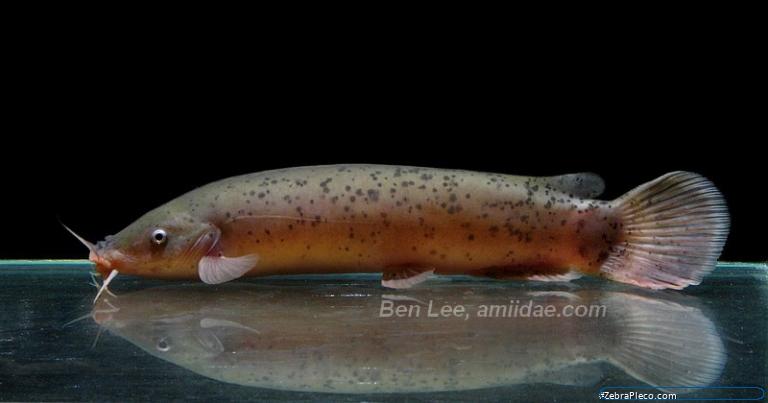
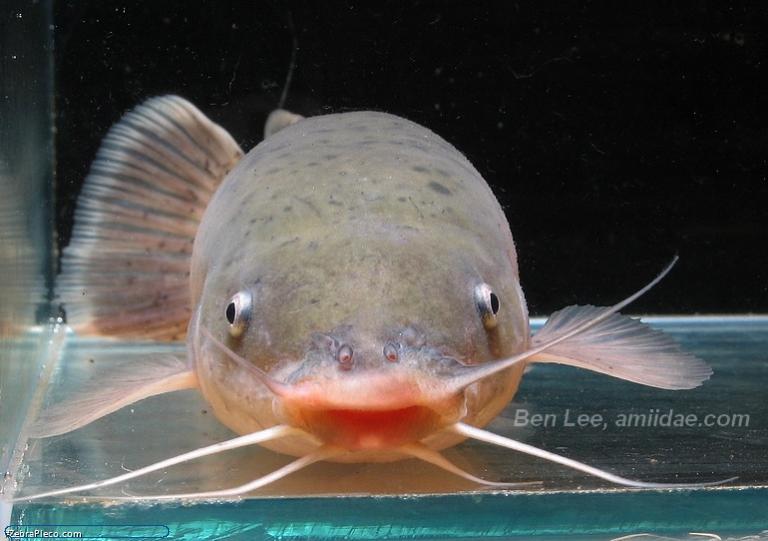
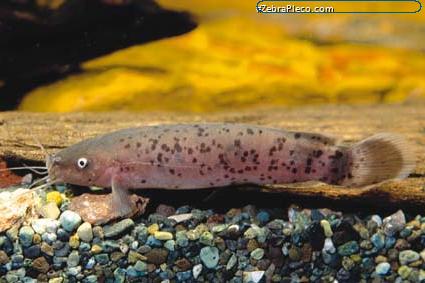
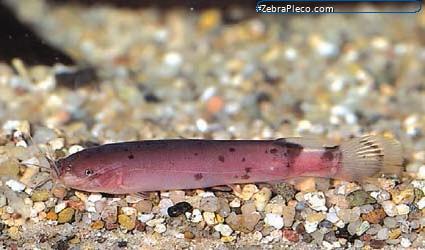
Malapterurus microstoma Poll & Gosse, 1969
Image Showcase
Photographs, diagnostic angles and morphological variants
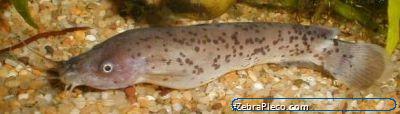
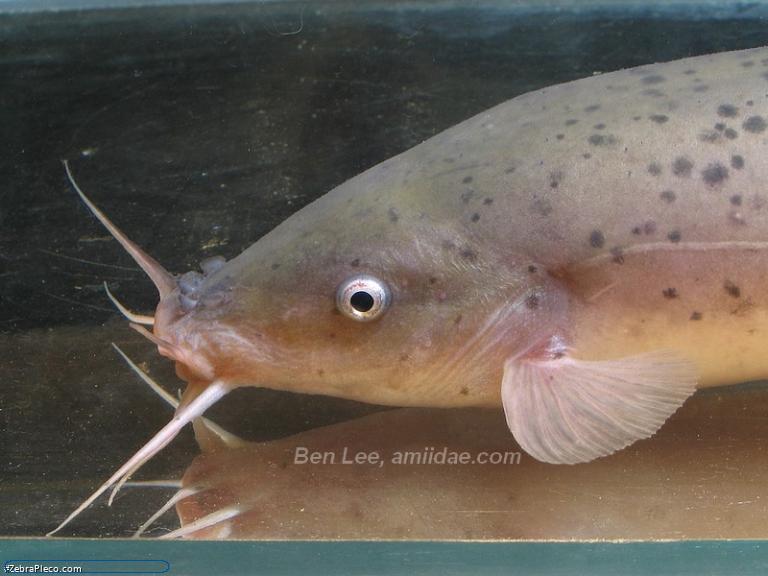
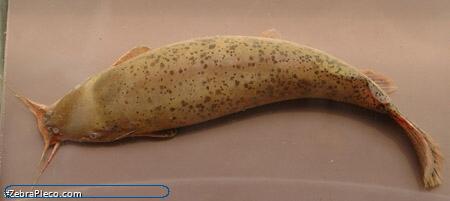
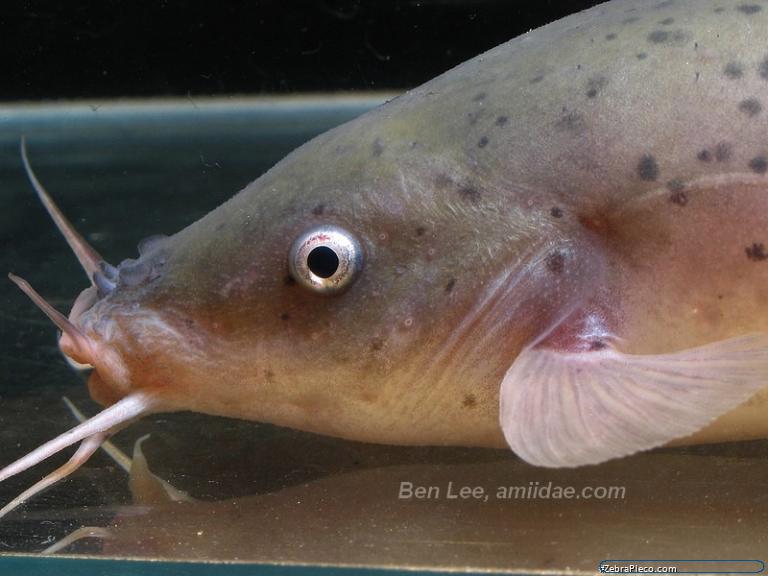
Community & Keeper Tally
Member interactions, breeding records and forum mentions
Aquarium Care & Husbandry
Dietary requirements, tank setup, compatibility and breeding
Feeding & Diet
Feeds readily on all manner of frozen and live food. Will also take meaty food such as frozen meat but will only take prepared foods if nothing else is available. [View Member Food Stats]
Aquarium Furniture & Decor
A dimly lit tank with a suitably sized retreat - appears to prefer stone over wood.
Compatibility & Suggested Tankmates
Best kept alone, given its electrogenic ability.
Breeding Notes
Possibly spawns in burrows along river banks and may exhibit brood care. Females are apparently not sexually mature until 40-50 cm SL.
Habitat & Water Parameters
Natural distribution, biotope water conditions and temperature ranges
Geographic Distribution
Africa: restricted to the Congo River system; absent from the lowland, central portion of the basin.
African Waters, Congo (click on these areas to find other species found there)
Login to view the map.
Species Description & Identification
Morphology, diagnostic traits and sexual dimorphism
Identification
Easily distinguished by its narrow snout and tooth patches, and horizontally based pectoral fins placed low on the body.
General Remarks
Gut contents contained large amounts of detritus along with animal remains, suggesting that this species is a generalist bottom forager rather than a strict piscivore.
Taxonomy, Synonyms & Etymology
Classification history, linguistic derivations and variant forms
Pronunciation
mah lah TERR oo russ - my kro stow ma
Etymology
Malapterurus: From the Greek malakos, meaning soft, pteron, meaning fin and oura, meaning tail; presumably in reference to the adipose fin, which appears all the more prominent in the absence of the rayed dorsal fin. From the Greek mikros, meaning small and stoma, meaning mouth (or opening); in reference to the small mouth of this species.
There are 4 other speciesBryconaethiops microstoma
Eigenmannia microstoma
Masticbarbus microstoma
Pimelodus microstoma with this specific name.
Literature & Resources
Scientific publications, external links and citation tools
Literature & References
External Databases
Related Searches