
PAGE_HEADER
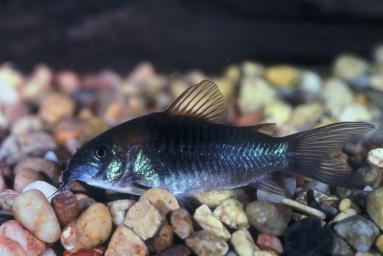
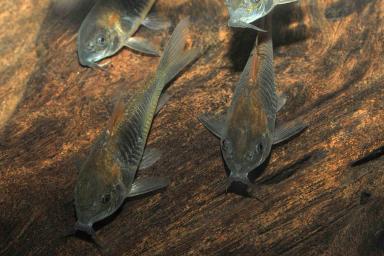
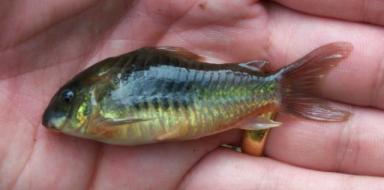 Adult, taken immediately after collection
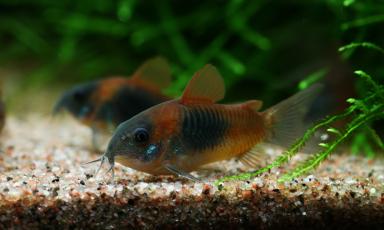 Commercialy bred form
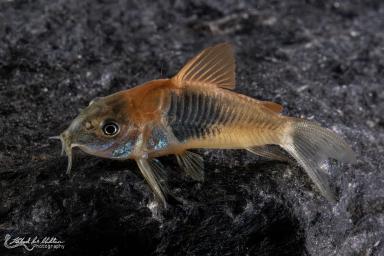
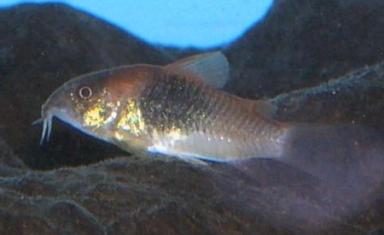
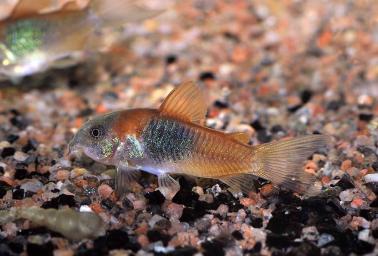 Lateral view
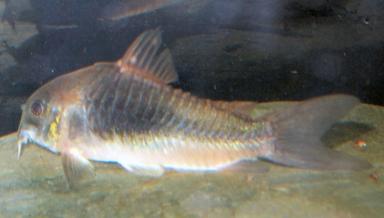 Adult
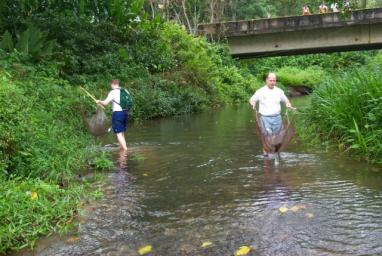 Habitat: Collecting the pictured fish
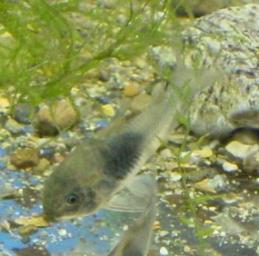
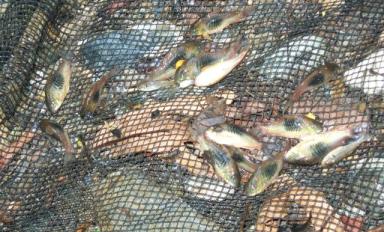 Taken immediately after collection
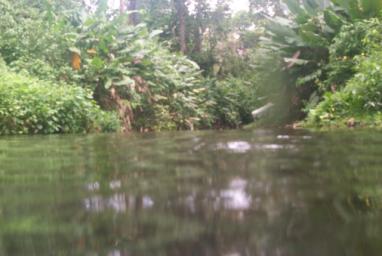 Habitat: Venezuelan Stream
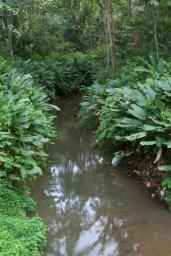 Habitat: Venezuelan Stream
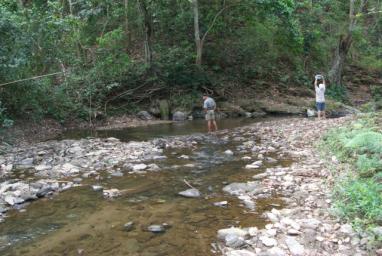 Habitat: Venezulan creek or
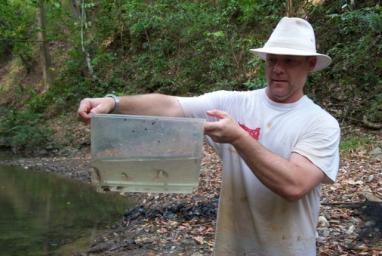 Habitat: Venezulan creek or
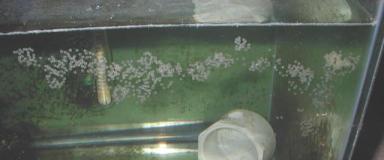 Eggs
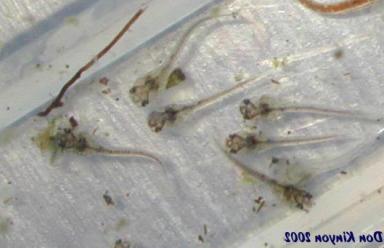 Three day old fry
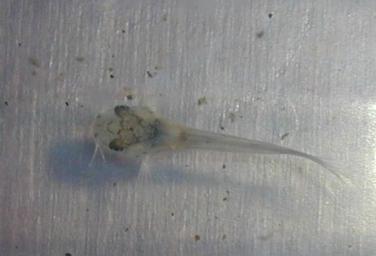 Ten day old fry
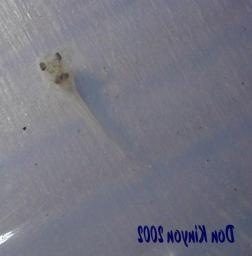 Twenty day old fry
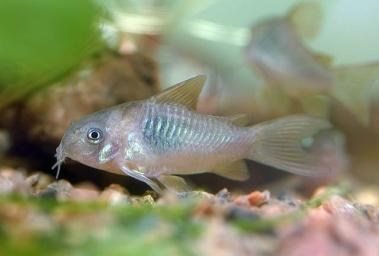
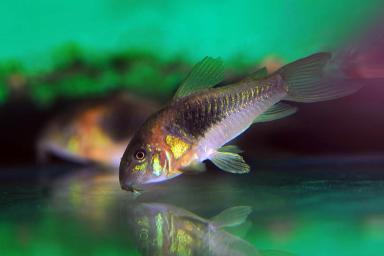
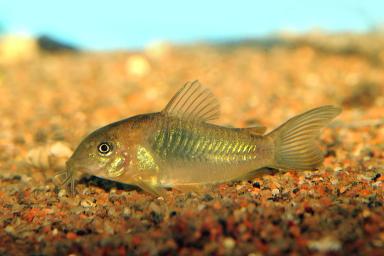
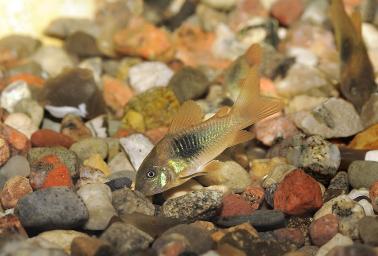
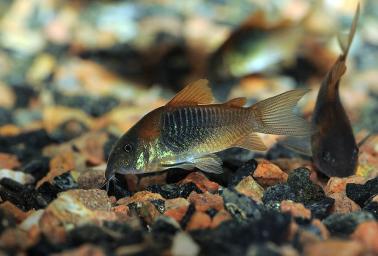
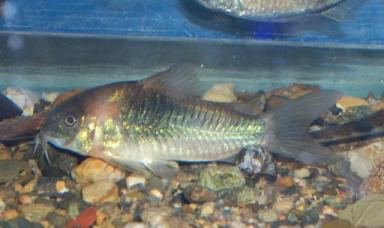
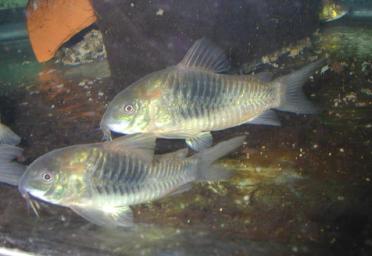 Pair - female to rear
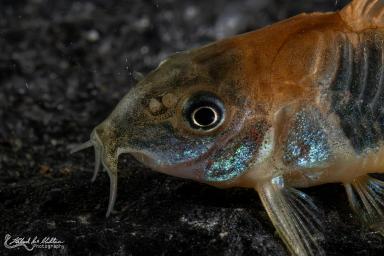 Close-up of head
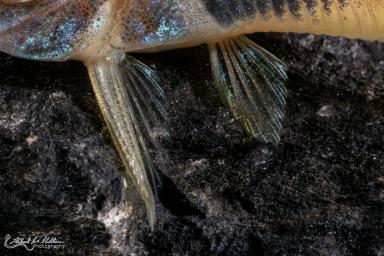 Close-up of pectoral and ventral fins
| ⇓ Zebra Pleco (Hypancistrus zebra) Data Sheet | |
|---|---|
| Scientific Name | Osteogaster venezuelanus Ihering, 1911 |
| Common Names | Venezuela's Cory Venezuela-pansermalle (Danish, Denmark) |
| Type Locality | Río Cabriales, Valencia, State of Carabobo, Venezuela. |
| Synonym(s) | |
| Pronunciation | os tee oh gas terr - venn ez wayl ann us |
| Etymology | venezuelanus, from Venezuela where the fish is found. |
| ⇓ Species Information | |
| Size | 55mm or 2.2" SL. Find near, nearer or same sized spp. |
| Identification | This species can be confused with Corydoras aeneus, and indeed C. venezuelanus is usually considered a junior synonym of that species. However, there is the opinion that C. aeneus should be restricted to the holotype form which is from the island of Trinidad. Furthermore, C. venezuelanus is a large Cory, and is restricted to a limited range in two closed drainage systems (Rio Tuy and Lake Valencia) situated north of the serrania del interior. It is the only Cory in these waters. Conversely, commercially bred specimens can be shorted bodied than their wild counterparts and balloon form variants are available. C. venezuelanus has a large oval green/black spot covering the shoulder and a distinct iridescent reddish-brown spot on the nape. This species is almost never exported from Venezuela as it is found in coastal drainages that are not collected by exporters. Because of its scientific name, it is often muddled with the confusing trade name for the captive bred black form of Corydoras schultzei. |
| Sexing | Females grow larger and are more full-bodied, this is best observed from above the fish. Males will typically have more pointed as opposed to more rounded fin tips as they mature. Females are larger, up to 50mm, and more robust than males as with most Corydoras sp. |
| ⇓ Habitat Information | |
| Distribution | This species is common throughout the lower reaches of streams and rivers in both the Rio Tuy and Lake Valencia drainages of northern Venezuela in the states of Miranda, Aragua, and Carabobo. It can also be found in nearby Orinoco drainage rivers and streams such as the Rio Chirgua. It is a piedmont species that prefers cooler waters and is never found in the llanos (plains). Tuy (click on these areas to find other species found there) Valencia (click on these areas to find other species found there) Login to view the map. |
| IUCN Red List Category | Not Evaluated , a distribution map is available on the IUCN species page. Last assessed 2026. |
| pH | 6.8 - 7.8 |
| Temperature | 19.0-25.0°C or 66.2-77°F (Show species within this range) |
| Other Parameters | Prefers clear waters with a neutral pH and moderate hardness. |
| ⇓ Husbandry Information | |
| Feeding | Will readily accepted all prepared foods that reach the bottom of the aquarium such as tablets, granules and larger flakes. Live (or frozen) foods such as bloodworm, white worm, grindal worm (Enchytraeus), Daphnia and Tubifex are readily accepted and good for conditioning groups of fishes for spawning. User data. |
| Furniture | Natural habitat is cool, clear water that rarely rises above the low to mid 70s. Currents run fast in most of these streams and the substrate is typical of high gradient streams (rounded stones and gravel). To replicate the natural habitat, place a few fist sized stones in the tank and then add a half inch deep substrate composed of one part pea gravel and three parts fine sand. The tank should be set up with a filtration device the provides a moderate current. Driftwood and a few aquatic plants would complete the set up. |
| Compatibility | A peaceful, shoaling, community fish. |
| Breeding | Typical of the genus. Ian Fuller reported that his fish spawned the day after a water change when the tank had the following water parameters; ph 7, GH 9dH, KH 2, and temp 76. These parameters are very similar to those found in their natural habitat. |
| Breeding Reports | There is no breeding report. |
| ⇓ Further Information | |
| Reference | Rev. Mus. Saão Paulov. 8 (1910) - pp383 |
| Wishlists | There is no wish to keep this species. |
| Spotters | There is no record of this fish being seen. |
| ⇓ More Resources | |
| Forum BBCode | |
| Find CLOG | 2 mentions on the forum, starting 2nd Aug 24 |
 | Look up O. venezuelanus on PlanetCatfish.com |
 | Look up O. venezuelanus on Fishbase |
 | Look up O. venezuelanus on Encyclopedia of Life |
 | Look up O. venezuelanus on Global Biodiversity Information Facility |
 | LFS label creator ARN ref:1.1.1579.716 |
| Last Update | Wed Jun 12, 2024 6:02 am (Species record created: Mon Nov 05, 2001 8:00 am) |
