
PAGE_HEADER
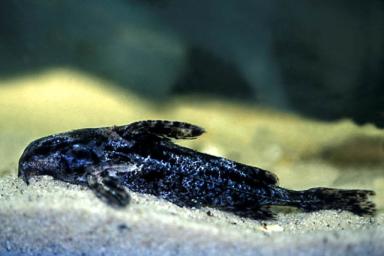
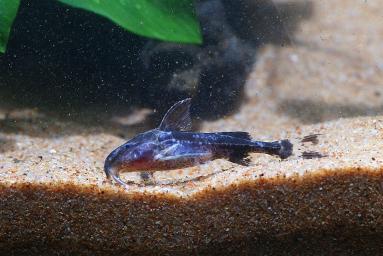
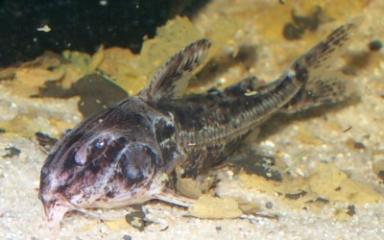
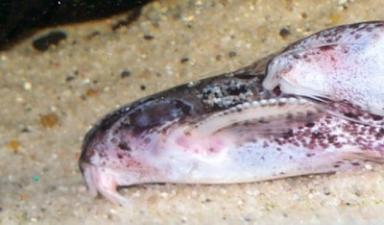
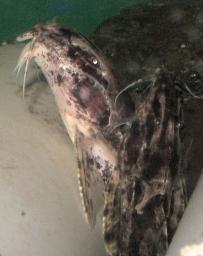
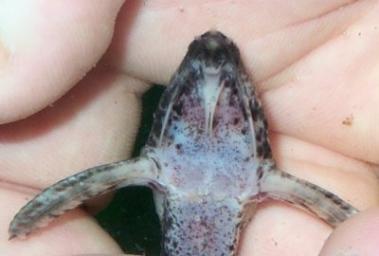
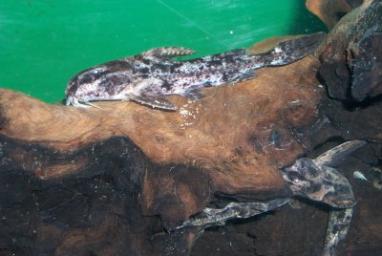
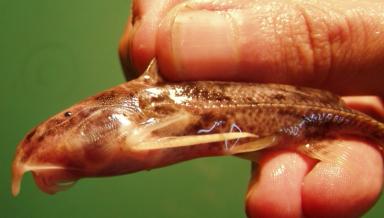
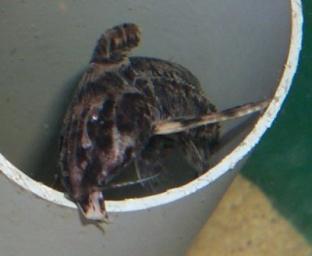
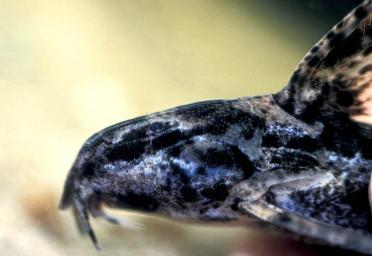
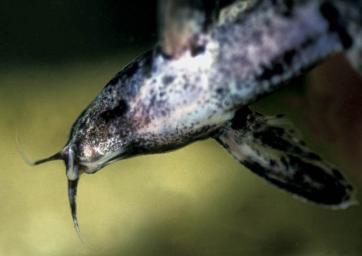
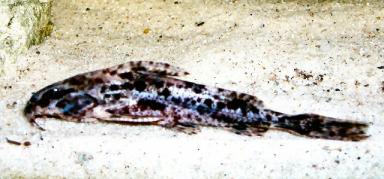
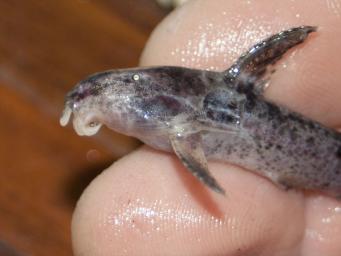
| ⇓ Zebra Pleco (Hypancistrus zebra) Data Sheet | |
|---|---|
| Scientific Name | Rhynchodoras woodsi Glodek, 1976 |
| Common Name | Parrot Doradid |
| Type Locality | Río Bobonaza at Moreta, between Sarayacu and Montalvo, western Ecuador. |
| Synonym(s) | Rhyncodoras woodsi |
| Pronunciation | rink oh door ass. - woods eye |
| Etymology | Rhynchodoras: From the Greek rhynchos, meaning nose, and doras, meaning skin (also a word commonly used in forming generic names for doradids); in refeence to the unusual snout morphology. |
| ⇓ Species Information | |
| Size | 105mm or 4.1" SL. Find near, nearer or same sized spp. |
| Identification | This species was considered extremely rare as late as 1992; at this time only 3 specimens were known from museum collections (the types of the two known species).> The ichthyological discovery of Rhynchodoras actually dates back 150 years and is attributable to the British naturalist-explorer Alfred R. Wallace. From 1850-1852 Wallace traveled up the Río Negro in search of its headwaters and those of the Río Orinoco. During this expedition Wallace took notes on and prepared detailed drawings of the fishes collected. Although his collections were lost at sea, many of his notes and illustrations survived and are currently at the British Museum of Natural History. Notes that accompany Wallace's illustration of a species of Rhinodoras (originally labeled ''Doras'' and numbered 175) include the following comments (transcribed by M. Toledo-Piza Ragazzo): ''In a small specimen very closely resembling this [illustration of Rhinodoras] in all other particulars - the head is higher towards the snout which turns down and is produced in a sort of proboscis which is received in a ___ of ___ formed by the produced lower lip - the teeth are similar but are also continued in a row round the margin of each lip - perhaps this is the male - the above [Rhinodoras] being the female.'' This description was certainly based on a specimen of Rhynchodoras, the only doradid genus in which the snout ends in a vertically-oriented bill or ''proboscis'' formed by the upper and lower jaws. |
| Sexing | Unknown |
| ⇓ Habitat Information | |
| Distribution | South America: Río Pastaza drainage, Rio Marañon basin. Amazon, Upper Amazon, Marañón, Pastaza, Bobonaza (click on these areas to find other species found there) Amazon, Upper Amazon, Marañón, Pastaza (click on these areas to find other species found there) Login to view the map. |
| IUCN Red List Category | Not Evaluated , a distribution map is available on the IUCN species page. Last assessed 2026. |
| pH | 5.8 - 7.0 |
| Temperature | 24.0-26.0°C or 75.2-78.8°F (Show species within this range) |
| Other Parameters | Appears to prefer a good but not strong water current. |
| ⇓ Husbandry Information | |
| Feeding | Will eventually recognise and accept a variety of prepared foods, even flake, but is best acclimatised using frozen brineshrimp. User data. |
| Furniture | Has a real affinity for wood. Much prefers to cram itself into dark places under bogwood than stone or plant. |
| Compatibility | A very peaceful fish, one of the most timid of the doradids. |
| Suggested Tankmates | As long as they are not too boisterous and preferably not nocturnal, this species will get on with most as it is active at night. |
| Breeding | Unreported in the aquarium. |
| Breeding Reports | There is no breeding report. |
| ⇓ Further Information | |
| Literature & References | Original Description: <b> Glodek, G. S.</b> 1976 (12 Mar.) |
| Wishlists | There is no wish to keep this species. |
| Spotters | There is no record of this fish being seen. |
| ⇓ More Resources | |
| Forum BBCode | |
| Find CLOG | 8 mentions on the forum, starting 15th Sep 08 |
 | Look up R. woodsi on PlanetCatfish.com |
 | Look up R. woodsi on Fishbase |
 | Look up R. woodsi on Encyclopedia of Life |
 | Look up R. woodsi on Global Biodiversity Information Facility |
 | LFS label creator ARN ref:1.12.157.525 |
| Last Update | Wed Jan 01, 2025 8:00 pm (Species record created: Fri May 04, 2001 7:00 am) |
