
PAGE_HEADER
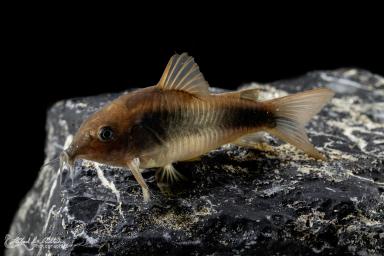
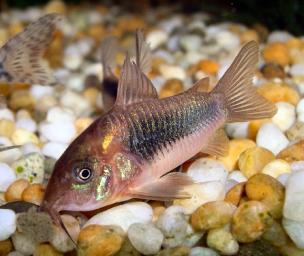
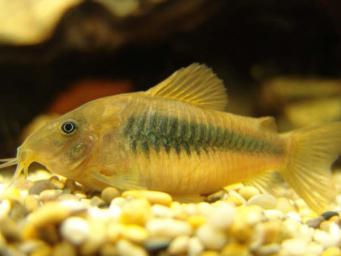
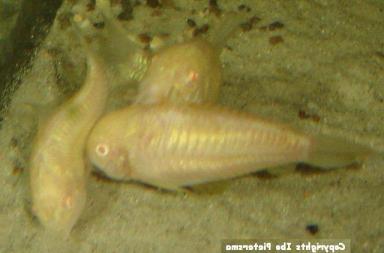
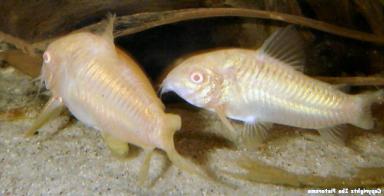
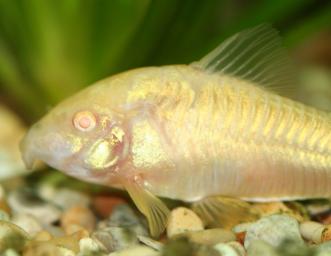
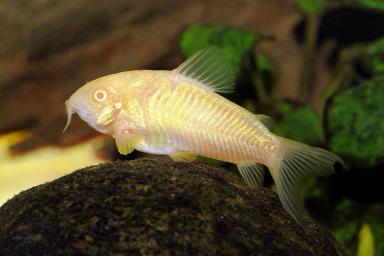 Albino
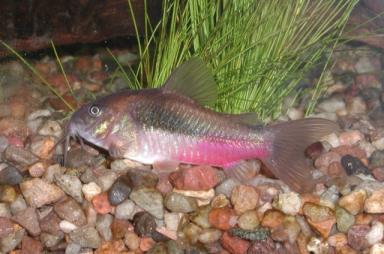 Red dye injected
do not buy!!!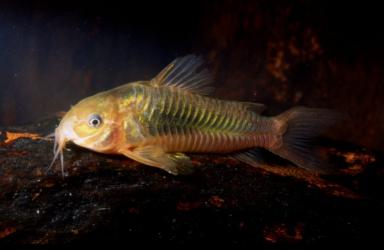 Eastern Brazil
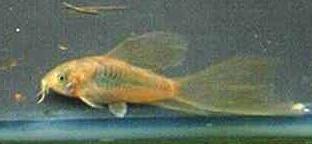 Long-fin variety
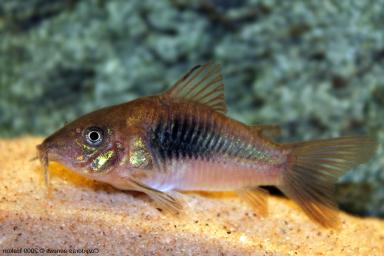
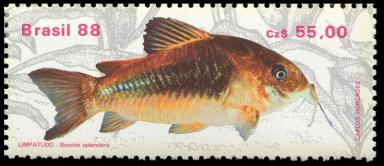 Stamp
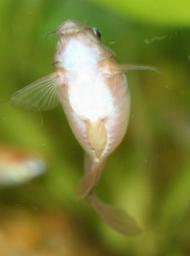
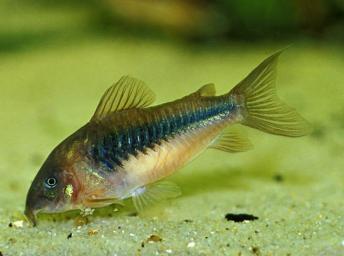 Female
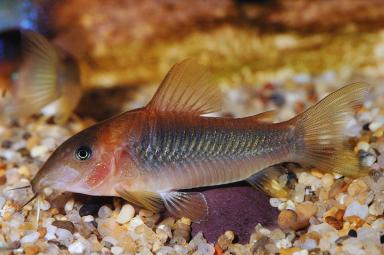
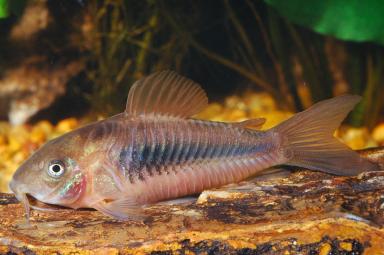
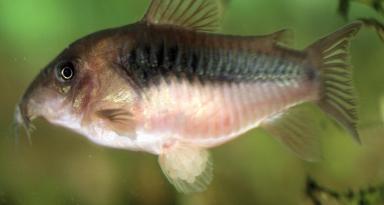
 Classic
 Spawning
 Female carrying eggs in pelvic fin
 Female about to lay eggs on glass
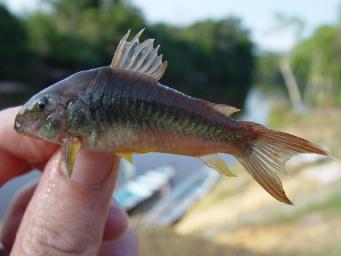 Suriname
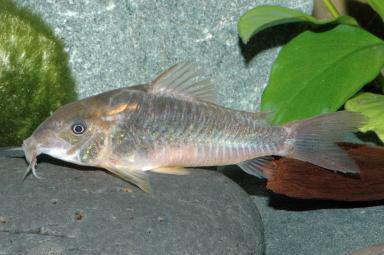 Wild-caught from Suriname river
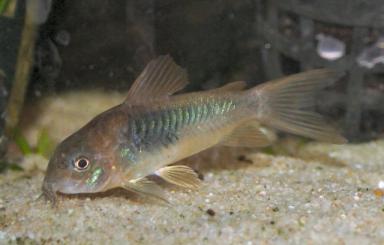
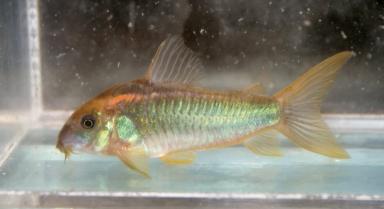 Wild caught from the type locality, Trinidad
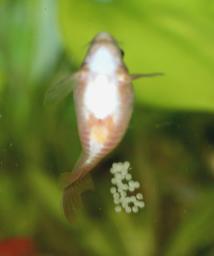 Female leaving eggs laid on glass
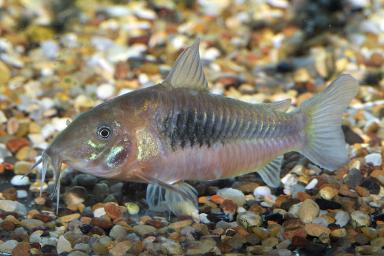
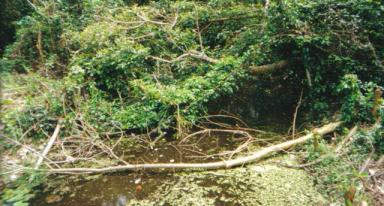 Habitat: Trinidad
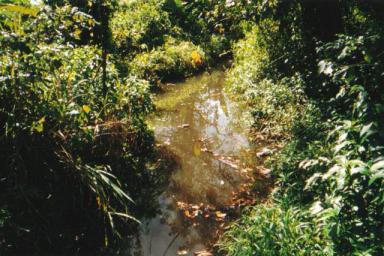 Habitat: Trinidad
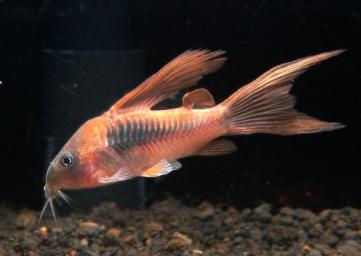 Long-fin variety
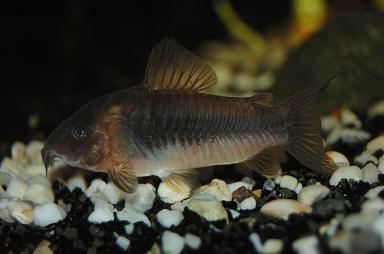
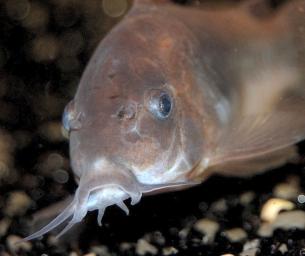 Close-up of head
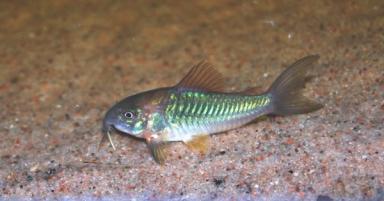
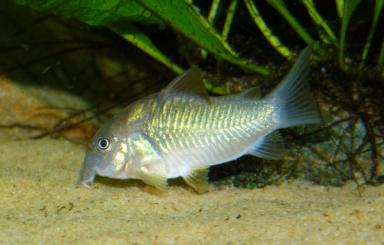 Trinidad
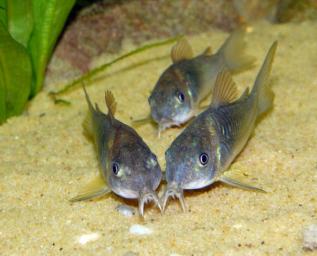 Trinidad
 Showing barbel loss
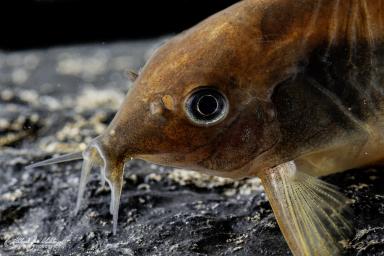 Close-up of head
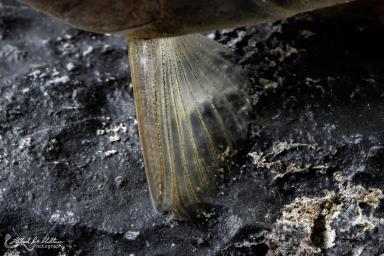 Close-up of pectoral fin
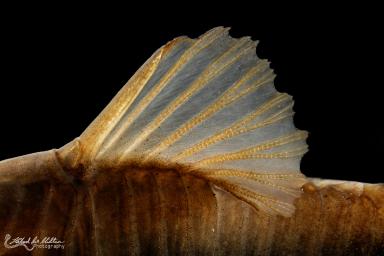 Close-up of dorsal fin
| ⇓ Zebra Pleco (Hypancistrus zebra) Data Sheet | |
|---|---|
| Scientific Name | Osteogaster aenea (Gill, 1858) |
| Common Names | Bronze Cory Albino Cory, Bronze Catfish, Bronze Corydoras, Kobberpansermalle (Danish, Denmark), Metallpansarmal (Swedish, Sweden), Panzerwels (German, Germany) |
| Type Locality | Trinidad Island, West Indies. |
| Synonym(s) | Callichthys aeneus, Corydoras aeneus, Corydoras macrosteus, Corydoras microps, Hoplosoma aeneum |
| Pronunciation | os tee oh gas terr - ah NAY uss |
| Etymology | The Latin aeneus, means brazen, of copper and refers to this species' metallic green sheen when in top or natural conditions. |
| ⇓ Species Information | |
| Size | 75mm or 3" SL. Find near, nearer or same sized spp. |
| Identification | A very variable species. See catfish of the month link below. Occasionally confused with Brochis spp. but can be distinguished fairly easily by the number of rays and shape of dorsal fin - Corydoras have less than ten rays, Brochis have ten or more rays. |
| Sexing | Females grow larger and are more full-bodied, this is best observed from above the fish. Males will typically have more pointed as opposed to more rounded fin tips as they mature. Males are smaller (up to 65mm) and slimmer. Females grow larger and are much wider which can most easily be observed from above. |
| ⇓ Habitat Information | |
| Distribution | South America: Colombia and Trinidad to La Plata River basin east of the Andes. Amazon (click on these areas to find other species found there) Orinoco (click on these areas to find other species found there) La Plata, Paraná, Paraguay (click on these areas to find other species found there) La Plata, Paraná (click on these areas to find other species found there) Trinidad rivers (click on these areas to find other species found there) La Plata, Paraná, Iguatemi Imported (click on these areas to find other species found there) La Plata, Paraná, Paraguay, Upper Paraguay, Miranda Imported (click on these areas to find other species found there) Rio de Janeiro State Rivers, Paraíba do Sul, Paraitinga Imported (click on these areas to find other species found there) Login to view the map. |
| IUCN Red List Category | Not Evaluated , a distribution map is available on the IUCN species page. Last assessed 2026. |
| pH | 6.5 - 7.5 |
| Temperature | 21.0-27.0°C or 69.8-80.6°F (Show species within this range) |
| Other Parameters | Generally should be kept at a temperature of around 24°C, water current should not be fierce. |
| ⇓ Husbandry Information | |
| Feeding | All prepared and suitably sized live foods are taken. User data. |
| Furniture | A fine, smooth grained sand substrate is the single most important consideration, as this species feeds by sifting through the bottom and coarse or sharp gravel quickly damages the barbels. Otherwise undemanding: provide bogwood, a few rounded stones and clumps of planting such as Microsorum or Echinodorus to offer shade, while leaving plenty of open bottom for the group to forage over. Broad leaves and the aquarium glass double as spawning surfaces. |
| Compatibility | A perfect citizen. |
| Suggested Tankmates | Keep in a shoal of at least 6 individuals - ideal first catfish for a beginner's community aquarium. |
| Breeding | Easily accomplished with captive raised stock. Some colour varieties are more challenging than others. Given the presence of a suitably egg-laden female and a mature male or two, spawning can be triggered by a large, cool water change. Try changing 30-40% of the aquarium water (at 21°C) and bring the temperature down to 16°C. Do this slowly over an hour or two.The fish should respond by spawning in the classic 'T' formation method. Here, using one of his pectoral fins, the male clamps the female to his side by her barbels and fertilizes a small batch of eggs held within the protective basket formed by her pelvic fins. The adhesive eggs are then placed on plants or aquarium walls and the process repeated. The eggs take 3-4 days to hatch. It is safe to leave well fed parents with the eggs, but some breeders prefer to remove the eggs, or indeed parents, to avoid any temptation of an easy snack. For the first few days of their life, pre-soaked powdered flake food should be fed to the fry. After the first 3 or 4 days, newly hatched brineshrimp can also be sparingly used to bring on the fishes growth. As the fish grow more and more foods can be offered in line with the size of the developing juveniles. Adult colouration is reached in around nine weeks. |
| Breeding Reports | There is no breeding report. |
| ⇓ Further Information | |
| Reference | Annals of the Lyceum of Natural History of New York v. 6 (nos 10-13, art. 38), pp 403 [43]. |
| Wishlists | There is no wish to keep this species. |
| Spotters | There is no record of this fish being seen. |
| ⇓ More Resources | |
| Forum BBCode | |
| Find CLOG | 133 mentions on the forum, starting 19th Sep 04 |
 | Look up O. aenea on PlanetCatfish.com |
 | Look up O. aenea on Fishbase |
 | Look up O. aenea on Encyclopedia of Life |
 | Look up O. aenea on Global Biodiversity Information Facility |
 | LFS label creator ARN ref:1.1.1579.51 |
| Last Update | Sat Sep 12, 2026 9:17 am (Species record created: Thu Apr 19, 2001 7:00 am) |
