
PAGE_HEADER
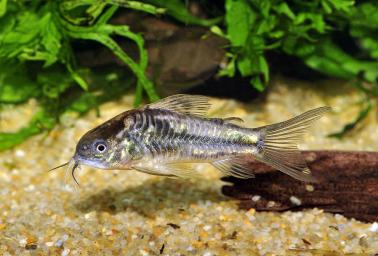
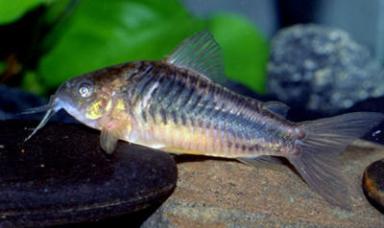
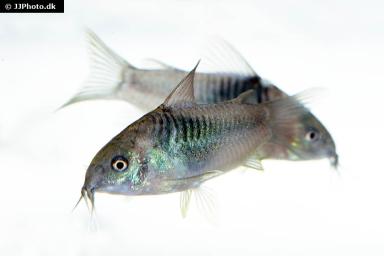
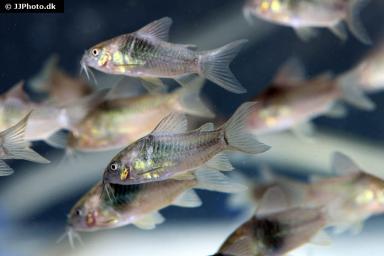
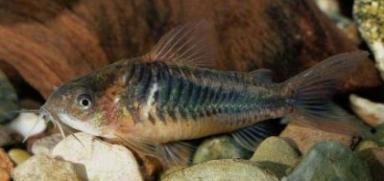 Female
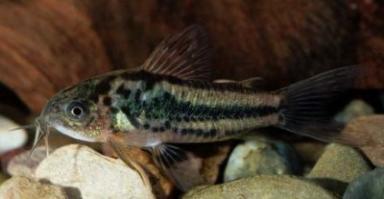 Male
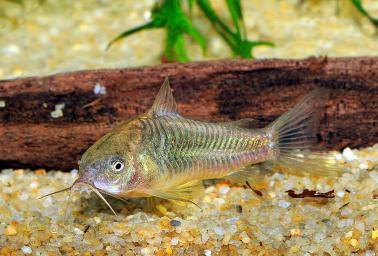 Female
| ⇓ Zebra Pleco (Hypancistrus zebra) Data Sheet | |
|---|---|
| Scientific Name | Gastrodermus sp. (C089) |
| Common Names | C089, Mosaic Cory C093, Mosaikpansermalle (Danish, Denmark) |
| Synonym(s) | |
| Pronunciation | gas trow derr muss |
| ⇓ Species Information | |
| Size | 50mm or 2" SL. Find near, nearer or same sized spp. |
| Identification | Females are reminiscent of C. aeneus; they are coloured comparatively unattractively and sport only a dark shaped blotch on a brownish background. On the other hand the smaller males (about 35 mm) are rather attractive coloured with their dark longitudinal stripes and the metallic shine. The colouration is a little bit reminiscent of Aspidoras virgulatus. It would appear to be a member of the Corydoras elegans group because of, like you can see, the short and rounded portion of the head. Moreover we know (with some exceptions) that within this group of callichthyids, that the males and females are differently coloured. |
| Sexing | Females grow larger and are more full-bodied, this is best observed from above the fish. Males will typically have more pointed as opposed to more rounded fin tips as they mature. See ID Notes. |
| General Remarks | It seems to be a hardy species that certainly enriches the aquarium trade with its nice colouration. |
| ⇓ Habitat Information | |
| IUCN Red List Category | Not Evaluated |
| pH | 6.0 - 7.2 |
| ⇓ Husbandry Information | |
| Feeding | This species will readily accept all prepared foods that reach the bottom of the aquarium such as tablets, granules and larger flakes. Live (or frozen) foods such as bloodworm, white worm, grindal worm (Enchytraeus), Daphnia and Tubifex are readily accepted and good for conditioning groups of fishes for spawning. User data. |
| Furniture | Ideally substrate should be sand, but rounded gravel is an imperfect alternative. Avoid keeping over rough edged (chipped) gravel, this will increase this risk of damage the fishes barbels when it tries to dig. Substrate should be bordered with driftwood and aquatic plants leaving an open area for them to search for food and swim. The shade provided by overhanging rock work, arching bogwood, tall or floating plants are all that is required to settle these fishes. |
| Compatibility | Peaceful. |
| Breeding | The species was first spawned in Germany. It was later spawned by Eric Bodrock in April 2007 who provided these notes. Spawning group contained 12 adult fish, housed in a 20-gallon tank. The pH was 6.8–7.0 with a TDS of 175–190 ppm and temperature at 75°F (24°C). A hundred or more eggs can be found plastered all over the tank in clusters of 3–5. Hatch rate high and young grow quickly. |
| Breeding Reports | There is no breeding report. |
| ⇓ Further Information | |
| Wishlists | There is no wish to keep this species. |
| Spotters | There is no record of this fish being seen. |
| ⇓ More Resources | |
| Forum BBCode | |
| Find CLOG | 1 mention on the forum, starting 2nd Jan 11 |
 | Look up G. sp. (C089) on PlanetCatfish.com |
 | LFS label creator ARN ref:1.1.1581.498 |
| Last Update | Tue Sep 15, 2026 4:28 pm (Species record created: Fri May 04, 2001 7:00 am) |
