
PAGE_HEADER
 Young male
 Male
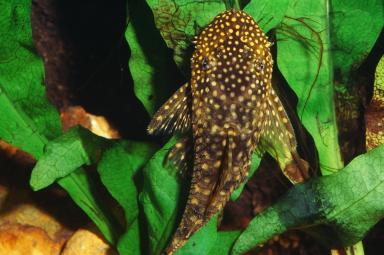 Dorsal view
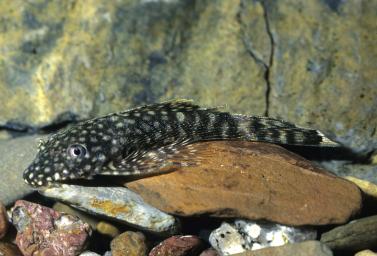
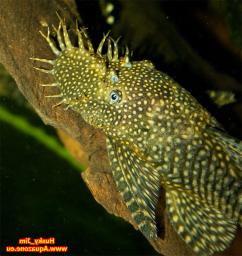 Male
 Male with eggs
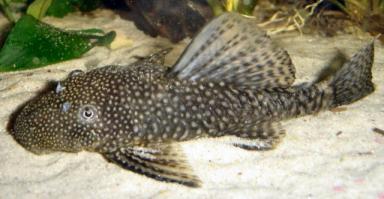 Adult female
 Close-up of male
 Atypical long head tentacles.
 Adult female
 Pair with eggs
 Adult Male
 Young male
 Dorsal view of juvenile
 Close-up of male

 Male - wild caught - possibly the original species or at least one of those involved?
 With clutch of eggs
 Close-up of head of male
 Calico

 Piebald variety
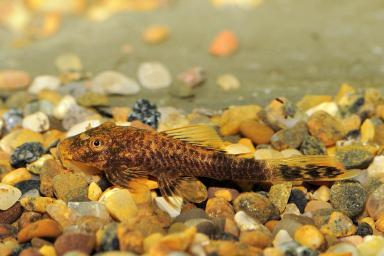 Piebald variety
 Adult Male
 Piebald variety
 Head-on view of albino male
 Close-up of head of piebald male
 Youngsters feasting on brussels sprout leaves
 Albino female


 Calico
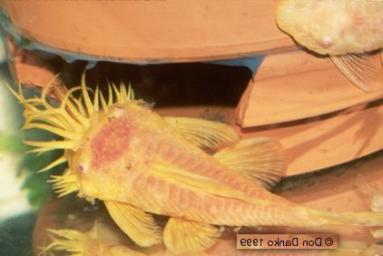 Albino

 Male albino veiltail
 Albino
 Piebald veiltail variety
 Close-up of mouth of male
 Pair
 Stamp
 Veiltail
 Stress colouration
 Male with eggs
 Veiltail
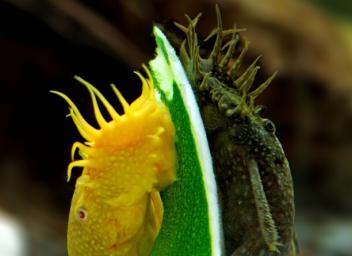 Males
 Veiltail
 Video - Pair spawning
 Veiltail
 One day old fry
 Five day old fry
 Close-up of mouth
 White albino variety


 Ventral view
 Calico variety
 Calico variety
 Calico variety
 Albino with newly hatched fry
 Longfin amelanistic form

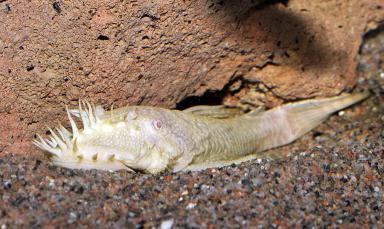 Albino

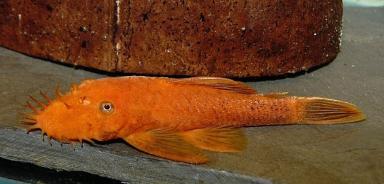 Super red, male.
 Female
 Group of Super Red


 Green Dragon
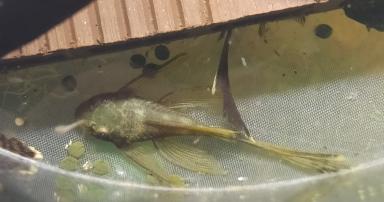 Green Dragon Veiltail - Dorsal view
 Green Dragon Veiltail

| ⇓ Zebra Pleco (Hypancistrus zebra) Data Sheet | |
|---|---|
| Scientific Name | Ancistrus sp. (3) |
| Common Names | Common Bristlenose Catfish Abn, Albino Bristlenose Catfish, Albino Veiltail Catfish, Antennesugemalle (Danish, Denmark), Bn, Bushynose Catfish, Calico Bristlenose, Gemeiner Antennenwels (German), Green Dragon Bristlenose, Piebald Bristlenose, Sp(3) Bristlenose, Super Red Bristlenose, Veiltail Bristlenose |
| Synonym(s) | |
| Pronunciation | an SISS truss |
| Etymology | The name Ancistrus is derived from the Greek word agkistron, meaning hook, in reference to the interopercular odontodes that are hooked. There are 10 other speciesAstroblepus sp(3) Batrochoglanis sp(3) Cetopsorhamdia sp(3) Hypancistrus sp(3) Hypostomus sp(3) Imparfinis sp(3) Mastiglanis sp(3) Pimelodella sp(3) Rineloricaria sp(3) Synodontis sp(3) with this name. |
| Variants | Albino, Albino Longfin, Longfin, Piebald/calico, Piebald/calico Longfin, Super-red, Super-red Longfin, Green Dragon, Green Dragon Longfin, Normal |
| ⇓ Species Information | |
| Size | 120mm or 4.7" SL. Find near, nearer or same sized spp. |
| Identification | Mature males and sometimes females have soft tentacles (bushy fleshy growths) on the snout - this is unique to the genus Ancistrus. Dorsoventrally flattened body with olive-brown to slate ground colour and irregular lighter spots. Distinguished from wild forms by its robust adaptability, established domestic pedigree, and numerous colour/fin mutations (Albino, Longfin, Super Red, L144 Yellow, Calico, Snow White, Green Dragon). |
| Sexing | Males develop soft tentacles on the head and while sometimes females also do, it is never to the grand extent of those found on that of the conspecific male. Sexually dimorphic. Mature males develop prominent branched tentacles across the snout and along the middle of the head, together with longer interopercular spines. Females possess little to no tentacle development and show a broader abdomen when gravid. |
| General Remarks | The foundational bristlenose catfish of the aquarium hobby. Peaceful, hardy, and highly industrious grazer suitable for community aquaria from 80 litres upwards. |
| ⇓ Habitat Information | |
| Distribution | South America: Established throughout global aquarium hobby; ancestral wild populations under active museomics research at NHM London. |
| IUCN Red List Category | Not Evaluated |
| pH | 6.0 - 8.0 |
| Temperature | 22.0-28.0°C or 71.6-82.4°F (Show species within this range) |
| Other Parameters | Broad tolerance. Conductivity 150–600 µS/cm, hardness 4–18 °dGH. Requires clean, well-filtered water with good dissolved oxygen levels. |
| ⇓ Husbandry Information | |
| Feeding | Omnivorous Aufwuchs grazer. Natural bogwood / driftwood is mandatory for digestive roughage. Feed vegetable-rich wafers, spirulina tablets, fresh courgette, cucumber, and blanched spinach to completely avoid plant rasping. User data. |
| Furniture | Subdued lighting, abundant hiding places composed of bogwood roots, rock crevices, and dedicated single-ended breeding caves matching body width. |
| Compatibility | Completely peaceful towards all non-substrate tankmates. Males can be territorial towards conspecifics over prime caves. |
| Suggested Tankmates | All community fish, small to medium sized cichlids. |
| Breeding | Prolific cave spawner. Spawning triggered by substantial water changes with slightly cooler water. Females lay 40–150 amber eggs in narrow clay caves (optimal length 1.2–1.5x SL). Male provides sole brood care, fanning and defending eggs until fry absorb yolk sacs (~10–14 days). |
| Breeding Reports | There is no breeding report. |
| ⇓ Further Information | |
| Reference | Collins, R.A. (NHM London museomics project): Molecular phylogeny and origin of aquarium Ancistrus strains. Seidel, I. & Tanke, A. (2025): Bristlenose catfishes: The plecos of the genus Ancistrus. ATS Aquashop / Ancistrus.at, 640 pp. |
| Wishlists | There is no wish to keep this species. |
| Spotters | There is no record of this fish being seen. |
| ⇓ More Resources | |
| Forum BBCode | |
| Find CLOG | 256 mentions on the forum, starting 4th Jul 04 |
 | Look up A. sp. (3) on PlanetCatfish.com |
 | LFS label creator ARN ref:1.4.4.49 |
| Last Update | Sun Nov 01, 2026 8:50 pm (Species record created: Thu Apr 26, 2001 7:00 am) |
