
PAGE_HEADER
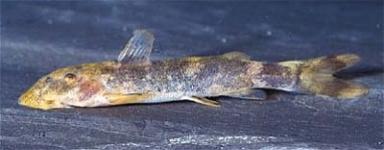
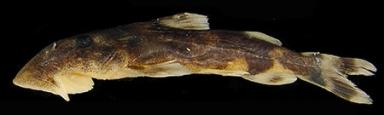
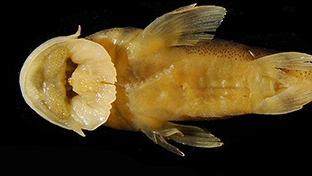
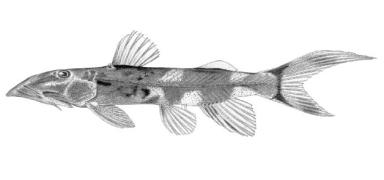
| ⇓ Zebra Pleco (Hypancistrus zebra) Data Sheet | |
|---|---|
| Scientific Name | Chiloglanis batesii Boulenger, 1904 |
| Common Name | Rapids Catfish |
| Type Locality | Efulen and tributary of Lobi River, 15-20 miles southwest of Efulen, southern Cameroon. |
| Synonym(s) | |
| Pronunciation | Kee low glan iss - baits eye |
| Etymology | Chiloglanis: From the Greek cheilos, meaning lip, and glanis, meaning catfish; in reference to the oral morphology. Named after the collector, G. L. Bates. There are 4 other speciesBenitochromis batesii Microsynodontis batesii Raiamas batesii Synodontis batesii with this name. |
| ⇓ Species Information | |
| Size | 47mm or 1.9" SL. Find near, nearer or same sized spp. |
| Identification | The second largest catfish genus in Africa after Synodontis. They are characterized by jaws and lips modified into a sucker or oral disc used for adhering to and feeding upon objects in fast-flowing waters. Generally reasonably small at 100 mm SL or less. species with forked caudal fins can show sexual dimorphism and is usually species-specific. Other characteristics in this hard-to-ID genus are the size of the adipose fin, the position of the adipose fin relative to pelvic and ventral fins, size of barbels, eyes and dorsal fin. Only a handful of species are identified on colouration. They can be distinguished from other African suckermouth catfish (of the genera Euchilichthys and Atopochilus) by their circular suckermouth disc. This is more elliptical in the other two genera. Can be distinguished from South American suckermouth catfishes by lack of body armour plates. Can be distinguised from other African suckermouth catfish (of the genera Euchilichthys and Atopochilus) by its circular suckermouth disc. This is more eliptical in the other two genera. Sucker relatively large, mandibular teeth 6+6 or less. Sexual dimorphism present: males with strongly forked caudal fins with extremely elongate upper lobe and enlarged anal fins. |
| Sexing | Males are easily distinguished from females by the elongate upper lobe of the caudal fin. |
| ⇓ Habitat Information | |
| Distribution | Africa: throughout Niger and Congo basins, headwaters of the Chad basin in Central African Republic, and almost every river basin in Cameroon except the Ndian, Nyong and Ogooué. African Waters, Cameroon waters (click on these areas to find other species found there) African Waters, Chad (click on these areas to find other species found there) African Waters, Congo (click on these areas to find other species found there) African Waters, Nigeria Waters, Niger (click on these areas to find other species found there) Login to view the map. |
| IUCN Red List Category | Least Concern , a distribution map is available on the IUCN species page. Last assessed 2019. |
| pH | 6.4 - 7.2 |
| Temperature | 20.0-26.0°C or 68-78.8°F (Show species within this range) |
| Other Parameters | A good current is strongly recommended. |
| ⇓ Husbandry Information | |
| Feeding | Will eat a wide variety of prepared and frozen foods. Supplement with algae wafers. User data. |
| Compatibility | Peaceful both with conspecifics and other fish, and therefore, suitable for the community tank. |
| Breeding | Not known in aquarium, although other species have been successfully bred in natural enclosures. |
| Breeding Reports | There is no breeding report. |
| ⇓ Further Information | |
| Reference | Annals and Magazine of Natural History (Series 7) v. 14 (no. 79) (art. 3), pp 19. |
| Wishlists | There is no wish to keep this species. |
| Spotters | There is no record of this fish being seen. |
| ⇓ More Resources | |
| Forum BBCode | |
| Find CLOG | 4 mentions on the forum, starting 17th Aug 06 |
 | Look up C. batesii on PlanetCatfish.com |
 | Look up C. batesii on Fishbase |
 | Look up C. batesii on Encyclopedia of Life |
 | Look up C. batesii on Global Biodiversity Information Facility |
 | LFS label creator ARN ref:1.13.145.408 |
| Last Update | Thu Jan 02, 2025 9:39 am (Species record created: Sat Apr 21, 2001 7:00 am) |
