
PAGE_HEADER
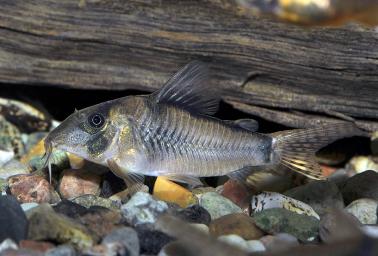
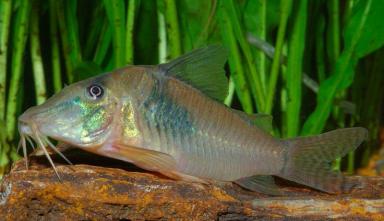
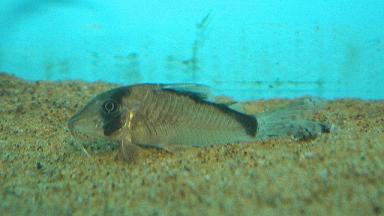
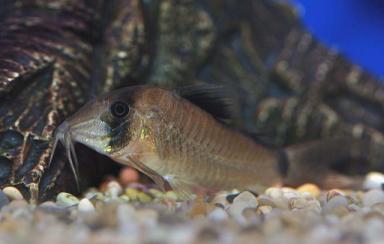
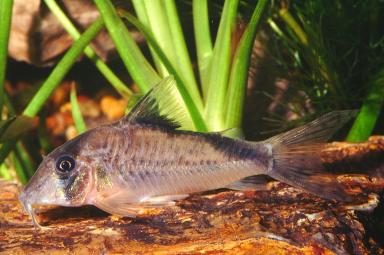
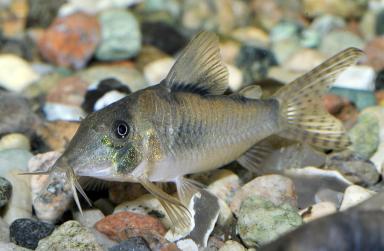
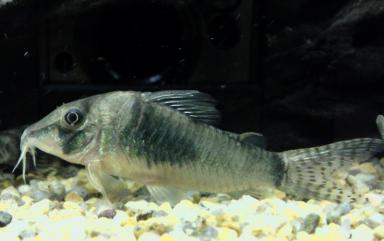
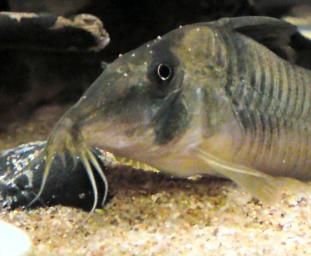
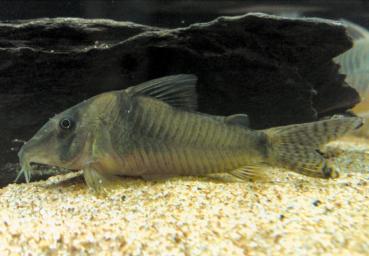
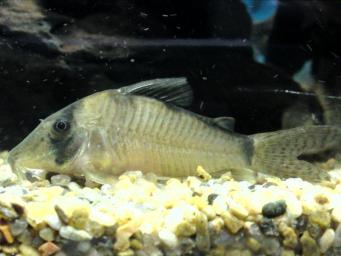
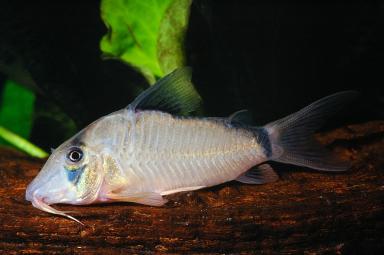
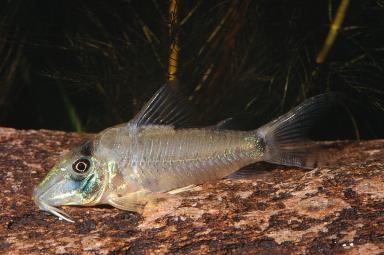
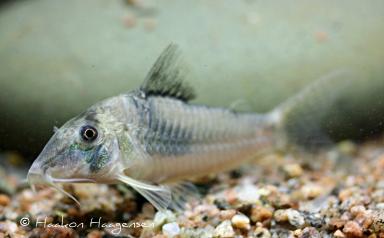
| ⇓ Zebra Pleco (Hypancistrus zebra) Data Sheet | |
|---|---|
| Scientific Name | Corydoras simulatus Weitzman & Nijssen, 1970 |
| Common Names | Olga Cory Spionpansermalle (Danish, Denmark) |
| Type Locality | Río Ocoá near Puerto López, 4°06'N, 72°57'W, R. Meta system, Meta, Colombia. |
| Synonym(s) | |
| Pronunciation | kor ee doh rass. |
| Etymology | Cory = helmet, doras = skin. In this case it was incorrectly used to mean armour (cuirasse) instead of skin in allusion to the dual rows of plates that run along the flanks of this genus. This specific epithet literally means imitation(simulatus=imitation, copy), in reference to its similarity to Corydoras metae. |
| ⇓ Species Information | |
| Size | 49mm or 1.9" SL. Find near, nearer or same sized spp. |
| Identification | Corydoras are identified by their twin rows of armour plates along the flanks and by having fewer than 10 dorsal fin rays. They are most commonly confused with the other genera in the sub-family, namely Brochis, Scleromystax and Aspidoras. A long snouted species, having a tan coloured body with a black band along the ridge of the back from the base of the dorsal to and across the caudal peduncle. There is also a black vertical eye mask. |
| Sexing | Females grow larger and are more full-bodied, this is best observed from above the fish. Males will typically have more pointed as opposed to more rounded fin tips as they mature. Sexing Corydoradinae catfishes |
| General Remarks | This species is one of only four which posses a third pair of rictal barbels, these are only small and can only be seen when the larger outer barbels are in a forward position. |
| ⇓ Habitat Information | |
| Distribution | South America: Upper Meta River in Colombia. Orinoco, Middle Orinoco, Meta, Upper Meta (click on these areas to find other species found there) Login to view the map. |
| IUCN Red List Category | Vulnerable , a distribution map is available on the IUCN species page. Last assessed 2020. |
| pH | 6.2 - 6.4 |
| Temperature | 20.0-25.0°C or 68-77°F (Show species within this range) |
| ⇓ Husbandry Information | |
| Feeding | Will accept most commercial flake, tablet and granular foods. Small crustaceans, worms and insect larvae form the basis of their natural diet and where ever possible should be offered as and when available. User data. |
| Furniture | Fine smooth grained sand substrate. |
| Compatibility | Peaceful, but may become aggressive to own kind during mating season. |
| Suggested Tankmates | Any non-boisterous fish. |
| Breeding | Spawned by Eric Bodrock in January 1999 who provided these notes. A group of 15 fish in the breeding group (original breeders were a trio of wild fish obtained as contaminants along with Hoplisoma metae). Water had a pH range of 6.0–6.8 with a TDS of 203 ppm. Temperature of 74°F (23°C). Eggs are small, just over 1mm, and laid mostly in sunken mops with a few on plant leaves or under the mop on the glass bottom. This differed from original spawns with all-wild parents, where eggs were larger (a good 2mm in size) and all laid on the sides of the aquarium. Spawn size is normally between 60–80 eggs with a good hatch rate above 80%. Additionally, C. simulatus were spawned in a fish house in the U.K. where the heating was turned off at the end of April and back on again towards the end of September. This resulted in a 24 hour temperature variation of between 8 and 10 °F. Weekly water changes were made as normal, no extra cooling was needed to trigger the spawning. When the fish were ready they followed the normal Cory 'T' formation mating clinches and spawned. A single female produced 150 1.5mm diameter light amber eggs. These were placed on the tank sides and in the spawning mops. Spawning mops should be provided as the fish appeared to prefer these to Java Moss. |
| Breeding Reports | There is no breeding report. |
| ⇓ Further Information | |
| Reference | Beaufortia v. 18 (no. 233), pp 126, Figs. 4, 6d. |
| Wishlists | There is no wish to keep this species. |
| Spotters | There is no record of this fish being seen. |
| ⇓ More Resources | |
| Forum BBCode | |
| Find CLOG | 16 mentions on the forum, starting 14th Jan 05 |
 | Look up C. simulatus on PlanetCatfish.com |
 | Look up C. simulatus on Fishbase |
 | Look up C. simulatus on Encyclopedia of Life |
 | Look up C. simulatus on Global Biodiversity Information Facility |
 | LFS label creator ARN ref:1.1.686.392 |
| Last Update | Tue Sep 15, 2026 4:14 pm (Species record created: Thu May 16, 2002 7:00 am) |
