
PAGE_HEADER
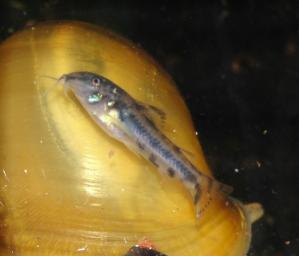
 Six week old fry
 Six week old fry
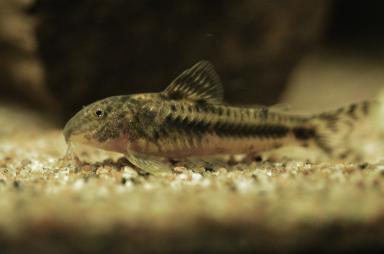
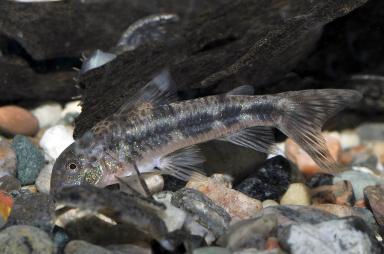
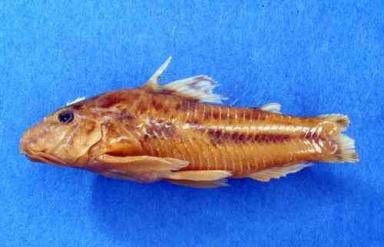 Paratype
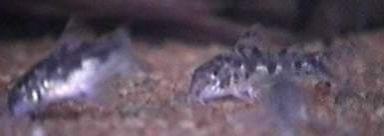
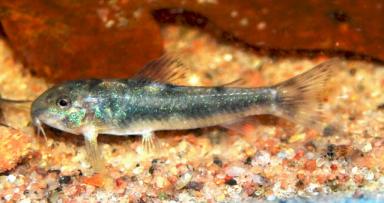
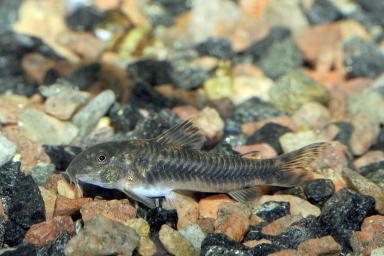
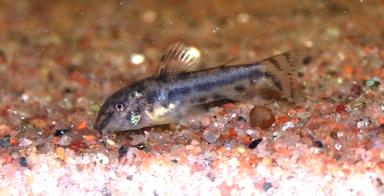
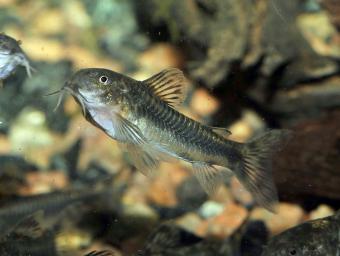
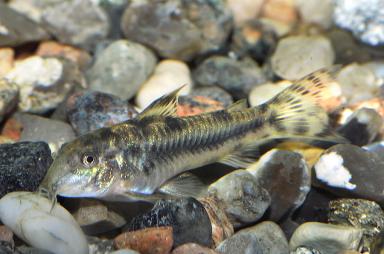
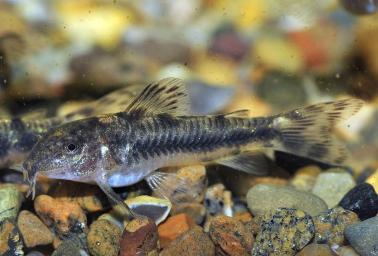
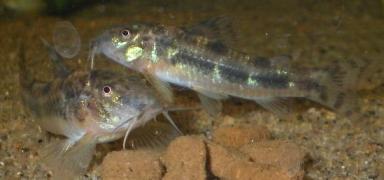 Pair-male above
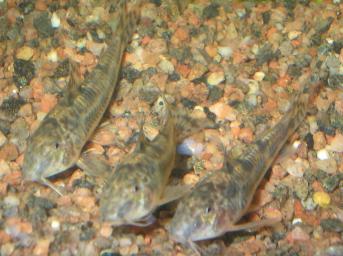
 Close-up of eggs
| ⇓ Zebra Pleco (Hypancistrus zebra) Data Sheet | |
|---|---|
| Scientific Name | Aspidoras raimundi (Steindachner, 1907) |
| Common Names | CW119, Ceara Bulldog Cory C125, Ceara-pansermalle (Danish, Denmark) |
| Type Locality | At mouth of brook emptying into Rio Parnahyba near Victoria [Alto Parnaíba], 9°08'S, 45°56'W, Est. Maranhão, Brazil. |
| Synonym(s) | Aspidoras menezesi, Aspidoras spilotus, Corydoras raimundi |
| Pronunciation | ass pee DOOR ass - rye MOON die |
| Etymology | Aspidoras: From the Greek aspis, meaning shield and doras, meaning skin; in reference to the bony plates. |
| ⇓ Species Information | |
| Size | 33mm or 1.3" SL. Find near, nearer or same sized spp. |
| Sexing | Females grow larger and are more full-bodied, this is best observed from above the fish. Males will typically have more pointed as opposed to more rounded fin tips as they mature. |
| ⇓ Habitat Information | |
| Distribution | South America: Parnaíba River basin in Brazil. Ceará State Rivers (click on these areas to find other species found there) Piauí Rivers, Parnaíba (click on these areas to find other species found there) Ceará State Rivers, Jaguaribe, Salgado (click on these areas to find other species found there) Ceará State Rivers, Acaráu Imported (click on these areas to find other species found there) Ceará State Rivers, Jaguaribe Imported (click on these areas to find other species found there) Ceará State Rivers, Jaguaribe, Salgado Imported (click on these areas to find other species found there) Login to view the map. |
| IUCN Red List Category | Least Concern , a distribution map is available on the IUCN species page. Last assessed 2018. |
| pH | 5.8 - 6.5 |
| Temperature | 20.0-23.0°C or 68-73.4°F (Show species within this range) |
| Other Parameters | dH 8. |
| ⇓ Husbandry Information | |
| Feeding | Will readily accepted all prepared foods that reach the bottom of the aquarium such as tablets, granules and larger flakes. Live (or frozen) foods such as bloodworm, white worm, grindal worm (Enchytraeus), Daphnia and Tubifex are readily accepted and good for conditioning groups of fishes for spawning. User data. |
| Furniture | Ideally substrate should be sand, but rounded gravel is an imperfect alternative. Avoid keeping over rough edged (chipped) gravel, this will increase this risk of damage the fishes barbels when it tries to dig. Substrate should be bordered with driftwood and aquatic plants leaving an open area for them to search for food and swim. The shade provided by overhanging rock work, arching bogwood, tall or floating plants are all that is required to settle these fishes. |
| Compatibility | A peaceful, shoaling, community fish. |
| Breeding | Has been bred in the aquarium. |
| Breeding Reports | There is no breeding report. |
| ⇓ Further Information | |
| Reference | Anzeiger der Kaiserlichen Akademie der Wissenschaften, Wien, Mathematisch-Naturwissenschaftliche Klasse v. 44 (no. 6) (for 28 Feb. 1907), pp 84. |
| Wishlists | There is no wish to keep this species. |
| Spotters | There is no record of this fish being seen. |
| ⇓ More Resources | |
| Forum BBCode | |
| Find CLOG | 12 mentions on the forum, starting 3rd Jan 05 |
 | Look up A. raimundi on PlanetCatfish.com |
 | Look up A. raimundi on Fishbase |
 | Look up A. raimundi on Encyclopedia of Life |
 | Look up A. raimundi on Global Biodiversity Information Facility |
 | LFS label creator ARN ref:1.1.45.384 |
| Last Update | Thu Jan 02, 2025 9:39 am (Species record created: Sat Apr 21, 2001 7:00 am) |
