
PAGE_HEADER
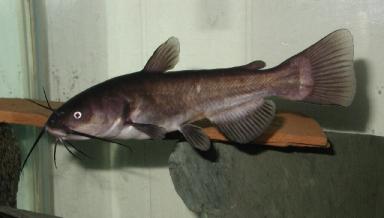
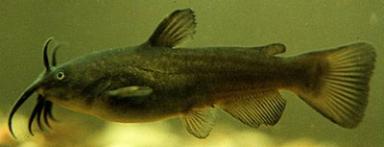
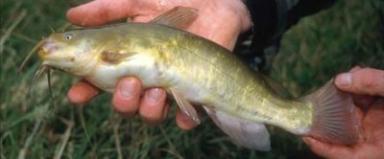 Collected in New Zealand!
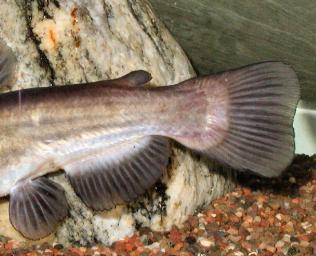
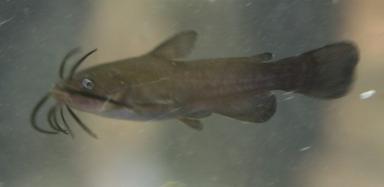 Juvenile, Unicorn Lake, MD
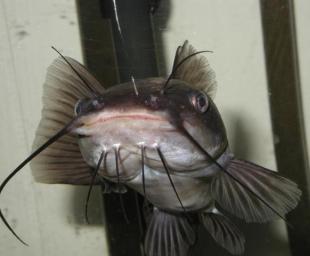
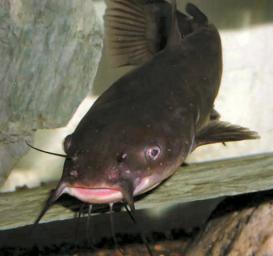
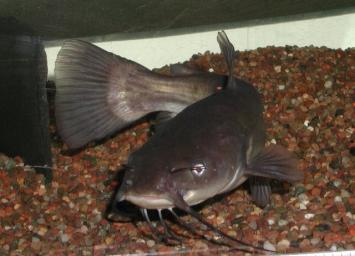
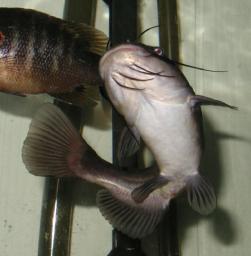


 Stamp
 Unicorn Lake, MD
 Unicorn Lake, MD
| ⇓ Zebra Pleco (Hypancistrus zebra) Data Sheet | |
|---|---|
| Scientific Name | Ameiurus melas (Rafinesque, 1820) |
| Common Names | Black Bullhead Schwarzer Katzenwels (German, Germany), Sort Dværgmalle (Danish, Denmark), Svart Dvärgmal (Swedish, Sweden) |
| Type Locality | Ohio River, U.S.A. |
| Synonym(s) | Ameirus melas, Ameiurus melas melas, Amiurus brachyacanthus, Amiurus cragini, Amiurus obesus, Ictalurus melas, Ictalurus melas melas, Pimelodus catulus, Pimelodus confinis, Pimelodus cupreoides, Silurus melas |
| Pronunciation | Ai MEE you russ - me lass |
| Etymology | Ameiurus: ''curtailed'' refers to the lack of a deep notch in the caudal fin. melas = black There are 2 other speciesBrachyglanis melas Clariallabes melas with this name. |
| ⇓ Species Information | |
| Size | 660mm or 26" SL. Find near, nearer or same sized spp. |
| Identification | Very similar to the yellow bullhead, for which it can be mistaken for. The main difference is the barbels of the black bullhead which are black. |
| Sexing | Females are fuller during the spawning season which begins mid-spring. |
| ⇓ Habitat Information | |
| Distribution | North America: Great Lakes to northern Mexico. Confusion over the taxonomic status of this species together with Ameiurus nebulosus resulted in more doubts as to which of the two is present in some countries. In Europe it forms dense stunted populations which makes it unpopular. Several countries report adverse ecological impact after introduction. North American Atlantic Drainages, Great Lakes (click on these areas to find other species found there) Login to view the map. |
| IUCN Red List Category | Least Concern , a distribution map is available on the IUCN species page. Last assessed 2011. |
| pH | 6.0 - 7.6 |
| Temperature | 8.0-28.0°C or 46.4-82.4°F (Show species within this range) |
| Other Parameters | Tolerates poor conditions both in the wild and in captivity. Can survive for a limited time with as little as .5 ppm oxygen concentration and in unusually high temperatures. |
| ⇓ Husbandry Information | |
| Feeding | Carnivore. Eats just about anything including minnows, goldfish, crayfish, earthworms and the like. They will accept most frozen foods as well as suitably sized dry foods. User data. |
| Furniture | Likes to hide around driftwood and plants. Plants must be sturdy and in pots to prevent being uprooted by the catfish in its search for food. |
| Compatibility | Good with most fish, especially larger cichlids. Do not keep with small fish, it will eat them. |
| Breeding | This fish spawns most frequently during late May and June. Spawning occurs over sand in reed infested back waters. The females excavates a shallow nest by fin-fanning the substrate and pushing it with her snout. Spawning is accomplished in a head-to-tail embrace, the male wrapping his tail over the snout of the female. Typically 2500-4000 eggs are released. |
| Breeding Reports | There is no breeding report. |
| ⇓ Further Information | |
| Literature & References | Original Description: <b> Rafinesque, C. S.</b> 1820 (before July) <a href="https://www.biodiversitylibrary.org/page/15053941" target=_blank>See ref. at BHL</a> |
| Wishlists | There is no wish to keep this species. |
| Spotters | There is no record of this fish being seen. |
| ⇓ More Resources | |
| Forum BBCode | |
| Find CLOG | 22 mentions on the forum, starting 12th Aug 04 |
 | Look up A. melas on PlanetCatfish.com |
 | Look up A. melas on Fishbase |
 | Look up A. melas on Encyclopedia of Life |
 | Look up A. melas on Global Biodiversity Information Facility |
 | LFS label creator ARN ref:1.5.20.32 |
| Last Update | Wed Jan 01, 2025 8:19 pm (Species record created: Wed Apr 25, 2001 7:00 am) |
