
PAGE_HEADER
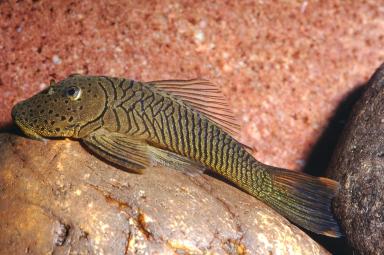
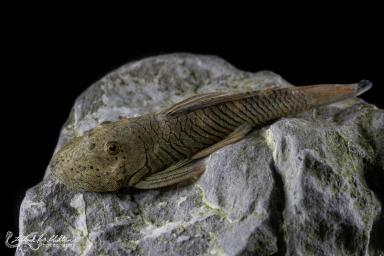
 Video
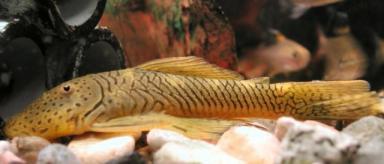
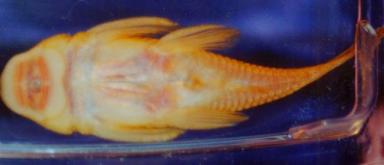 Female - ventral view
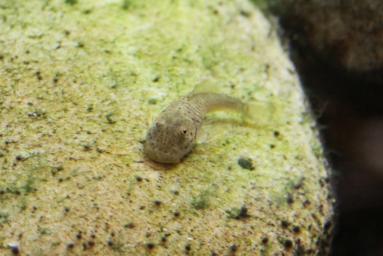 Juvenile
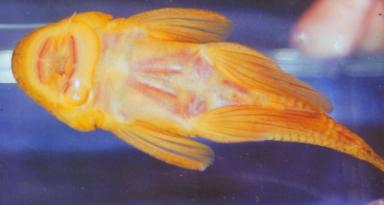 Male - ventral view
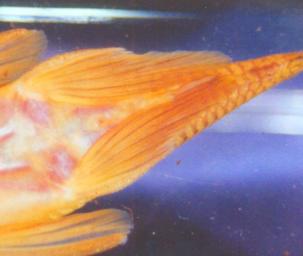 Male - close-up of ventral view
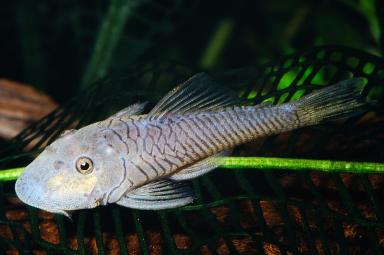
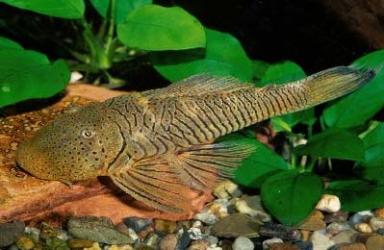
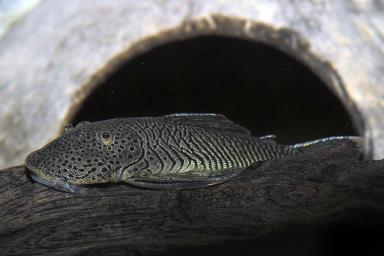
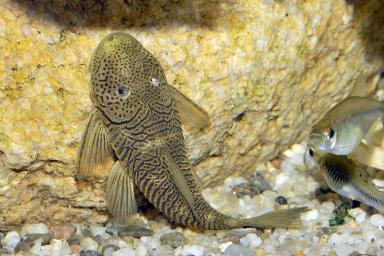 Dorsal view
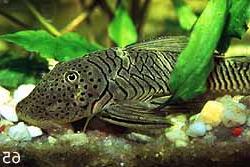
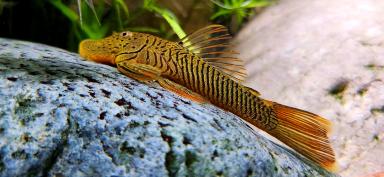
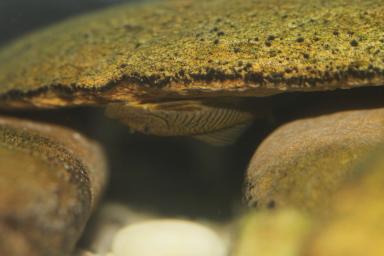
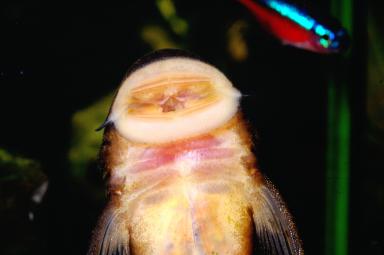 Ventral view of upper body
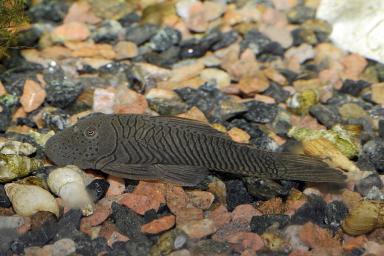
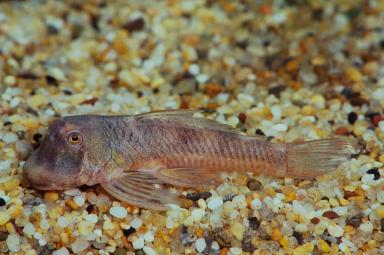 Wild caught snub nosed
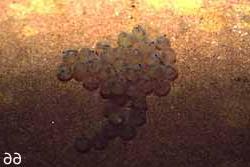 Eggs
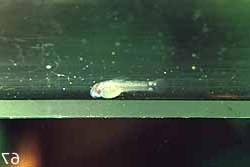 Fry
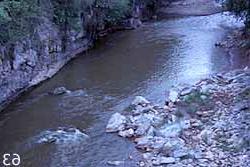 Habitat : Rio Tulumayo
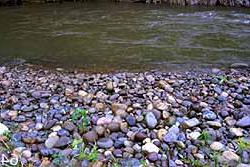 Habitat : Rio Tulumayo river bed
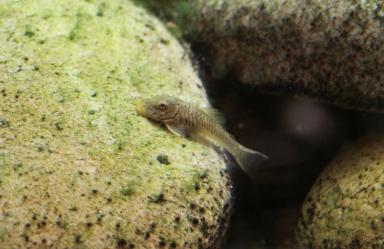 Juvenile
- Video - Moment of egg hatching
 Video - Five week old fry
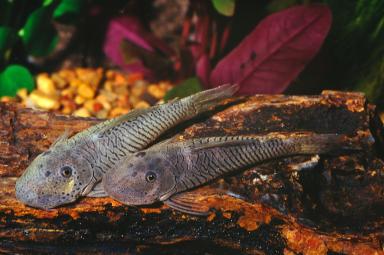
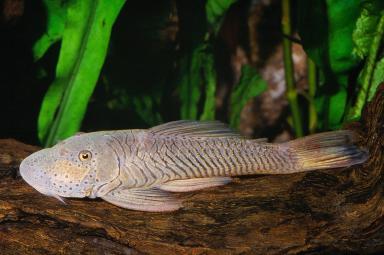
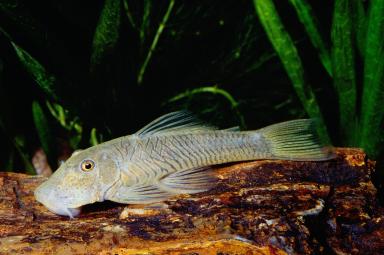
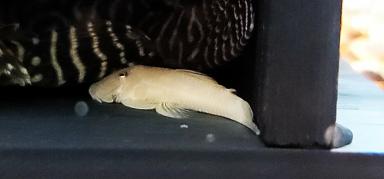 Albino
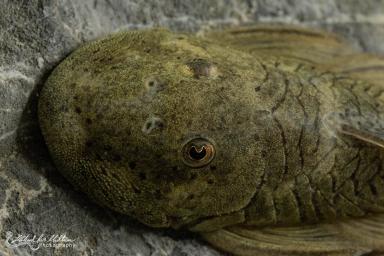 Close-up of head
| ⇓ Zebra Pleco (Hypancistrus zebra) Data Sheet | |
|---|---|
| Scientific Name | Chaetostoma formosae Ballen, 2011 |
| Common Names | L187B, Blonde Rubbernose Pleco L444, Blonde Bulldog Pleco, Blonde Rubber Pleco, Smuk Gumminæse (Danish, Denmark), Smuk Gumminæse-sugemalle (Danish, Denmark), Striped Bulldog Pleco, Striped Rubber Pleco, Striped Rubbernose Pleco |
| Type Locality | Caño Chuy, affluent of río Upía, Boyacá -- Casanare border, upper río Meta basin, Orinoco drainage, San Luis de Gaceno, Departamento de Boyacá, Colombia. |
| Synonym(s) | |
| Pronunciation | KATE oh STOW mah |
| Etymology | Greek, chaite = hair + Greek, stoma = mouth. This species is named formosae, an adjective in genitive case derived from the latin formosa. The name honours Ballen's sister, Laura María Ballen, in recognition of her unconditional love and support to him. There are 2 other speciesHypostomus formosae Metzia formosae with this name. |
| ⇓ Species Information | |
| Size | 103mm or 4.1" SL. Find near, nearer or same sized spp. |
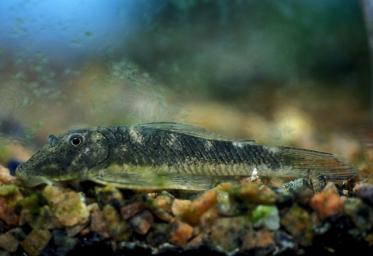
| Identification | The genus Chaetostoma is not straightforward to identify, but as a general rule, the species has spines behind the gill-cover (interopercular odontodes), no plates on the abdomen, and aside from C. platyrhynchus also lack plates on the snout edge. Different from Ancistrus by not having fleshy tentacles on the snout. This particular species has spots only on the head. All fins are clear and each body armour plate is lined in black. The basic colouration is pale olive green. Aqualog shows this fish as L146/L146a and L187b. The real L146 (introduced in DATZ) is a rather unusually shaped but plainly coloured ancistrine loricariid also from Colombia. L187b is an Aqualog invention and only used here for reference/link back to the old Aqualog literature. Variously and incorrectly labelled as C. thomsoni and others. Some sources consider L444 the same as C. tachiraense. This may stem from a confusion about the Rio Tachira in the Rio Meta drainage, and the namesake river in the Maracaibo basin. |
| Sexing | The males have however a larger and broader head, slimmer ventral sides and disproportionately large pelvic fins. Perhaps the over-sized pelvic fins play a large role in the fertilization of the eggs. By inverting these over the clutch of eggs, they prevent the sperm cells being carried away by fast water current. The males have however a somewhat larger and broader head, slimmer ventral sides and disproportionately large pelvic fins. Perhaps the over-sized pelvic fins play a large role in the fertilisation of the eggs. By inverting these over the clutch of eggs, they prevent the sperm cells being carried away too fast in the current. |
| ⇓ Habitat Information | |
| Distribution | Currently known from western piedmont tributaries of the upper río Meta and Guaviare basins, in departments of Meta and Casanare, Eastern Colombia, Orinoco drainage. Orinoco, Middle Orinoco, Meta, Upper Meta, Cusiana (click on these areas to find other species found there) Orinoco, Upper Orinoco, Guaviare, Upper Guaviare, Ariari, Güejar (click on these areas to find other species found there) Orinoco, Middle Orinoco, Meta, Upper Meta, Upía (click on these areas to find other species found there) Login to view the map. |
| IUCN Red List Category | Not Evaluated , a distribution map is available on the IUCN species page. Last assessed 2026. |
| pH | 6.8 - 7.8 |
| Temperature | 20.0-25.0°C or 68-77°F (Show species within this range) |
| Other Parameters | Has more stringent demands on water quality than many plecos and requires highly oxygenated water when kept in warmer water. Medium hard water is also beneficial. |
| ⇓ Husbandry Information | |
| Feeding | Omnivore. Will eat algae and small live or frozen food. Some individuals can be weaned onto pellet food although this usually takes some effort and trial and error on the part of the aquarist. User data. |
| Furniture | Worn smooth rounded or slightly flat fist sized rocks on a fine sand substrate. |
| Compatibility | A peaceful fish which can sometimes be a little territorial with its own species. |
| Breeding | See Shane's World Article |
| Breeding Reports | There is no breeding report. |
| ⇓ Further Information | |
| Literature & References | Original Description: <b> Ballen, G. A.</b> 2011 <a href="https://www.revistas.usp.br/paz/article/view/33970/36701" target=_blank>See ref. online</a> |
| Wishlists | There is no wish to keep this species. |
| Spotters | There is no record of this fish being seen. |
| ⇓ More Resources | |
| Forum BBCode | |
| Find CLOG | 31 mentions on the forum, starting 22nd Jan 11 |
 | Look up C. formosae on PlanetCatfish.com |
 | Look up C. formosae on Fishbase |
 | Look up C. formosae on Encyclopedia of Life |
 | Look up C. formosae on Global Biodiversity Information Facility |
 | LFS label creator ARN ref:1.4.26.318 |
| Last Update | Wed Jan 01, 2025 8:01 pm (Species record created: Sat May 05, 2001 7:00 am) |
