
PAGE_HEADER
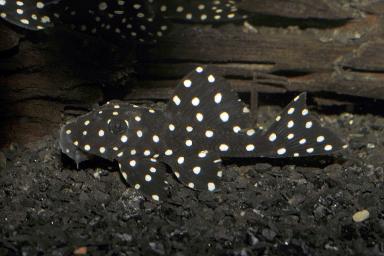
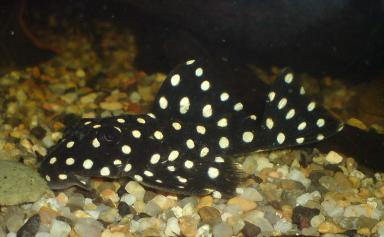
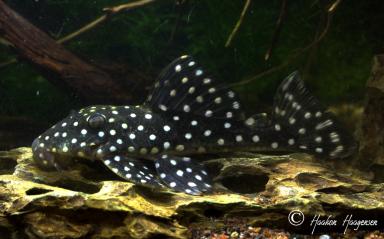
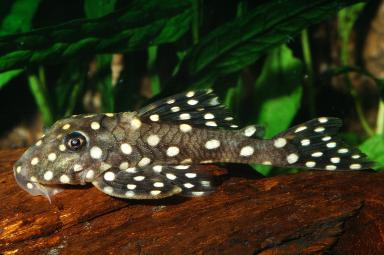
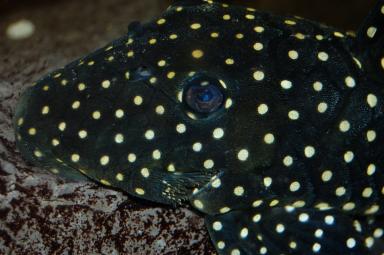 Close up of head
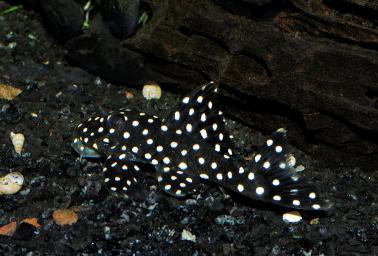
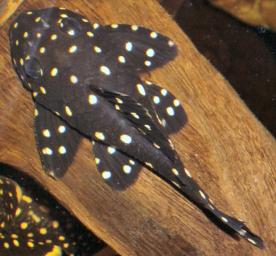 Dorsal view
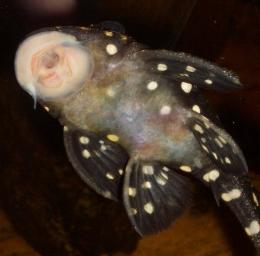 Ventral view
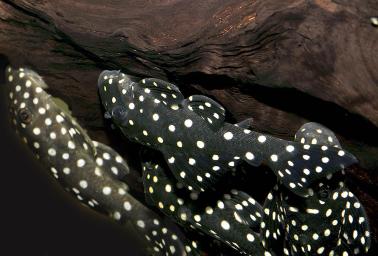
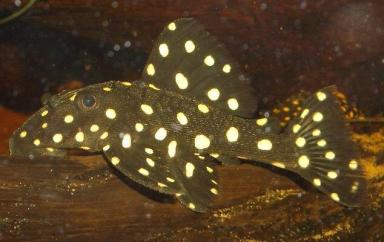 Sub-adult
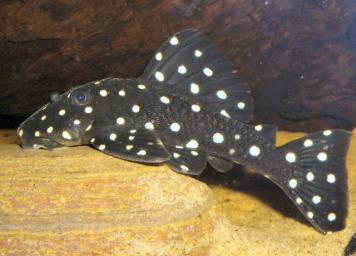
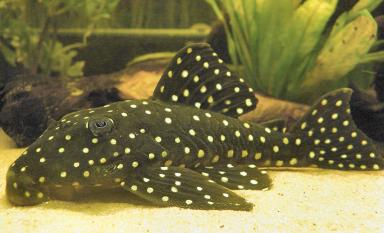 Adult Male
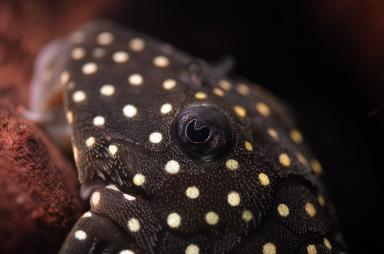 Close-up of head
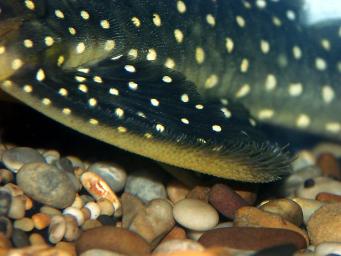 Close-up of males pectoral fin ray
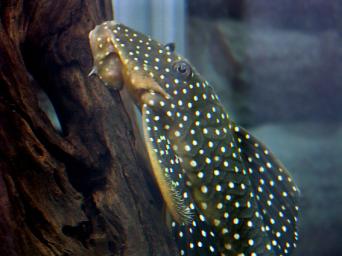 Male

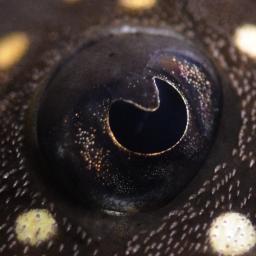 Close-up of eye
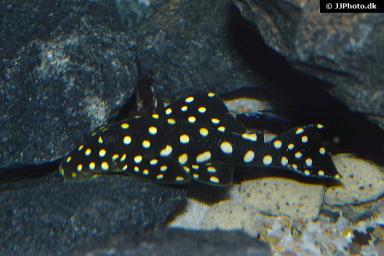
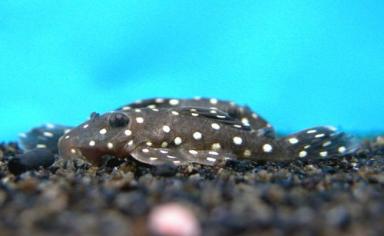
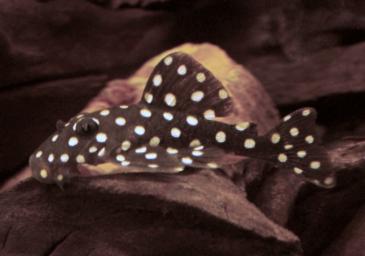
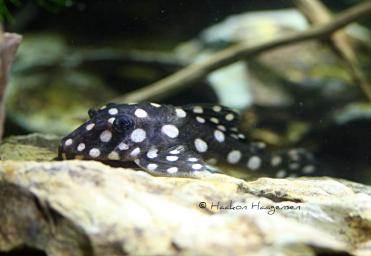
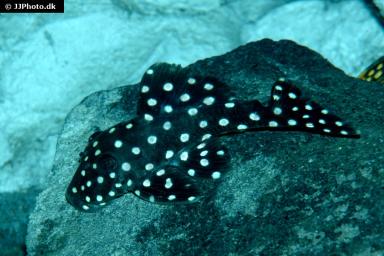
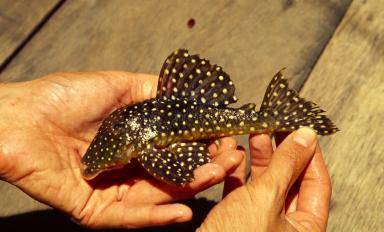
| ⇓ Zebra Pleco (Hypancistrus zebra) Data Sheet | |
|---|---|
| Scientific Name | Baryancistrus sp. (L142) |
| Common Names | LDA033, Snowball Pleco L142, Big White Spot Pleco, Snebold Sugemalle (Danish) |
| Synonym(s) | |
| Pronunciation | bah ree ann siss truss |
| Etymology | Greek, barys = heavy + Greek, agkistron = hook - Essentially "Heavy Ancistrus". |
| ⇓ Species Information | |
| Size | 250mm or 9.8" SL. Find near, nearer or same sized spp. |
| Identification | Sometimes confused with the plethora of polka-dot black and white loricariids. Its dentition is the most reliable character. It has four large rasping plates that cover most of its oval mouth. This is in contrast with members of the genera Hypancistrus and Leporacanthicus, who have much smaller teeth. |
| General Remarks | An active loricariid, which is not shy. Likes to sit in the full current. Like other Baryancistrus, this species can be sensitive upon import, and mortality rates are often high in the first month. Once settled in a suitable environment and well fed, care is straightforward. |
| ⇓ Habitat Information | |
| Distribution | Rio Tapajós rapids between Pimental and Itaituba. Amazon, Lower Amazon, Tapajós (click on these areas to find other species found there) Login to view the map. |
| pH | 6.0 - 7.4 |
| Temperature | 27.0-31.0°C or 80.6-87.8°F (Show species within this range) |
| Other Parameters | Provide powerheads and plenty of oxygenation. In the wild, these live in shallow, fast flowing, warm water. They are found in nature in temperatures as high as 32°C/90°F. |
| ⇓ Husbandry Information | |
| Feeding | An omnivorous grazer of biofilm. Shows a fondness for sweet potato and algae wafers. Feed a varied diet to keep this fish healthy, including a large proportion of vegetable matter. User data. |
| Furniture | Plenty of hiding places are the order of the day. Rounded river stones and bogwood branches will made this fish feel at home. As with most loricariids, the more secure they feel, the more active they will be. Bear in mind this species will grow large, and could destroy a carefully aquascaped tank. |
| Compatibility | Will become increasingly territorial to other bottom dwellers (especially other loricariids) as it matures. Otherwise, it can be kept with most fish provided they are not too robust, and will enjoy similar water conditions. |
| Suggested Tankmates | Small to medium sized cichlids and characins make perfect companions. |
| Breeding | Unreported in the aquarium. |
| Breeding Reports | There is no breeding report. |
| ⇓ Further Information | |
| Wishlists | There is no wish to keep this species. |
| Spotters | There is no record of this fish being seen. |
| ⇓ More Resources | |
| Forum BBCode | |
| Find CLOG | 48 mentions on the forum, starting 6th Oct 06 |
 | Look up B. sp. (L142) on PlanetCatfish.com |
 | LFS label creator ARN ref:1.4.19.31 |
| Last Update | Mon Sep 25, 2017 11:45 am (Species record created: Sat May 05, 2001 7:00 am) |
