
PAGE_HEADER
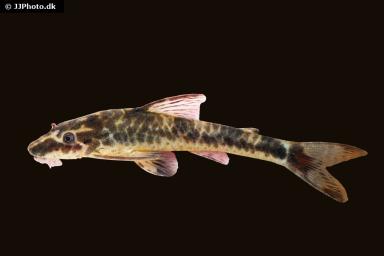
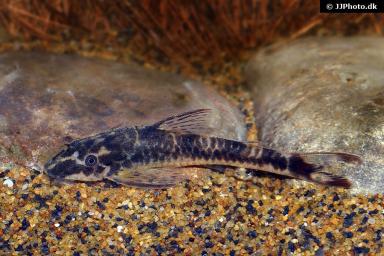
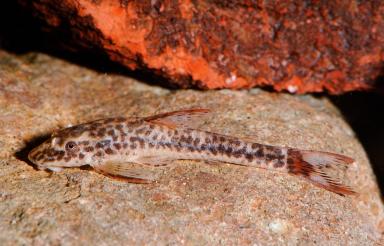
 Adult
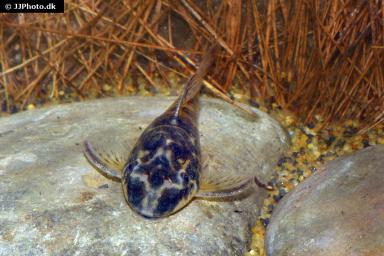
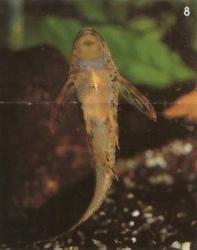 Ventral view
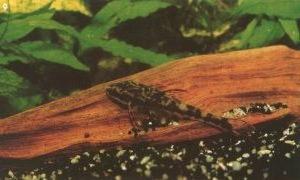
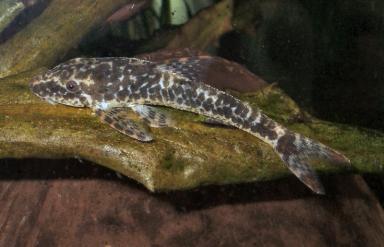
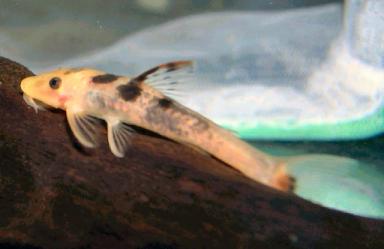 Xanthoristic form, an uncommon wild import
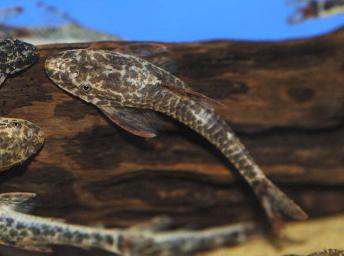
 Sub-adult
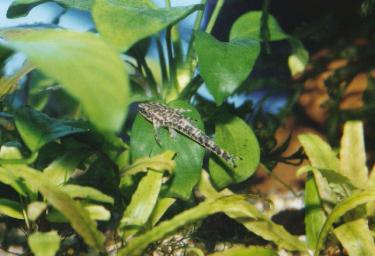
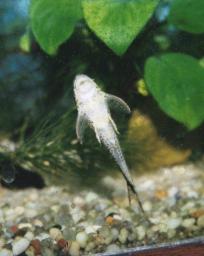 Ventral view
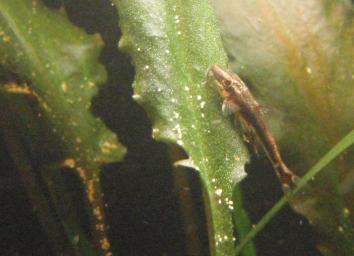 Fry, 3 to 5 weeks old
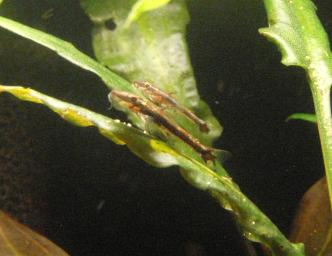 Fry, 6-7 weeks old
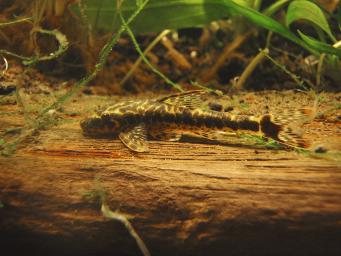 Lateral view
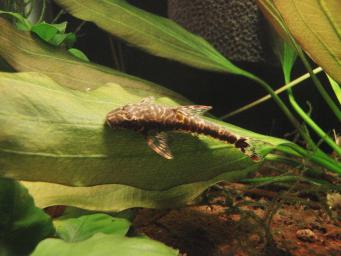
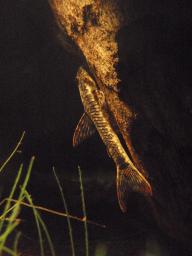
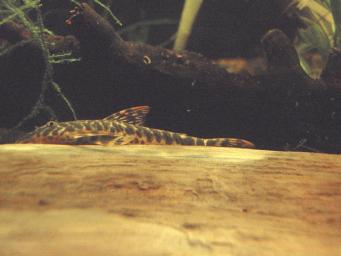
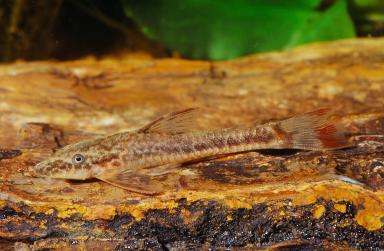
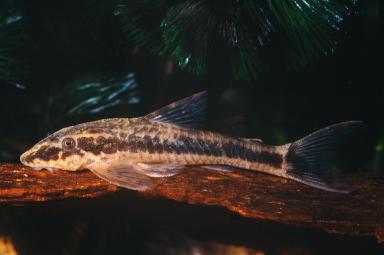
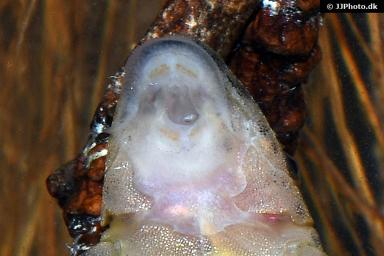 Close-up of mouth
 Eggs hatching
| ⇓ Zebra Pleco (Hypancistrus zebra) Data Sheet | |
|---|---|
| Scientific Name | Parotocinclus maculicauda (Steindachner, 1877) |
| Common Names | Red Fin Dwarf Pleco Rio Conta Parotocinclus (German, Germany), Rødfinnet Dværgsugemalle (Danish, Denmark) |
| Type Locality | Southeastern Brazil. |
| Synonym(s) | Otocinclus maculicauda, Parotocinclus steindachneri |
| Pronunciation | parr auto SINK luss - mah KULE ee caw da |
| Etymology | Parotocinclus: Greek, para in the side of + greek, ous, otis = ear + Greek, kygklos, ou = a fish. macula = spot, blotch, cauda = tail There are 3 other speciesMikrogeophagus maculicauda Parachela maculicauda Vieja maculicauda with this name. |
| ⇓ Species Information | |
| Size | 60mm or 2.4" SL. Find near, nearer or same sized spp. |
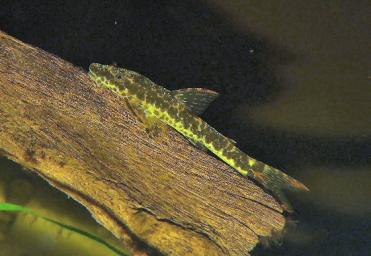
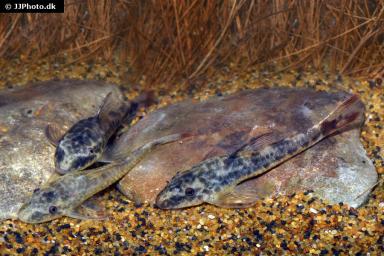
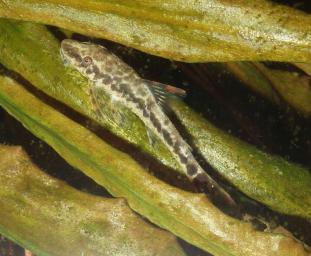
| Identification | The genus Parotocinclus can readily be distinguished from Otocinclus by the presence of an adipose fin in the former. P. maculicauda has a mottled golden brown coloration. It derives its name from a red blotch on the caudal peduncle. |
| Sexing | Adult males have visible genital papilla. |
| ⇓ Habitat Information | |
| Distribution | South America: coastal rivers between Santa Catarina and Rio de Janeiro, Brazil. Rio de Janeiro State Rivers, Macaé (click on these areas to find other species found there) Rio de Janeiro State Rivers (click on these areas to find other species found there) Santa Catarina State Rivers (click on these areas to find other species found there) Sao Paulo State Rivers (click on these areas to find other species found there) Sao Paulo State Rivers, Ribeira de Iguape, Betari Imported (click on these areas to find other species found there) Santa Catarina State Rivers, Itapocu Imported (click on these areas to find other species found there) Sao Paulo State Rivers, Ribeira de Iguape Imported (click on these areas to find other species found there) Login to view the map. |
| IUCN Red List Category | Not Evaluated , a distribution map is available on the IUCN species page. Last assessed 2026. |
| pH | 6.5 - 7.5 |
| Temperature | 20.0-28.0°C or 68-82.4°F (Show species within this range) |
| Other Parameters | Clean, cool water is preferred. |
| ⇓ Husbandry Information | |
| Feeding | Omnivore. Feed flake food supplemented by lettuce, cucumber, zucchini, baby brine shrimp or bloodworm. May eat algae if hungry and has no other food available, but is not really an "algae eater". User data. |
| Furniture | The fish prefers a heavily planted tank, but will also thrive in a rock and driftwood environment. |
| Compatibility | A hardy but peaceful little fish that does well with other peaceful fish. Enjoys the company of its own kind. Will do some light damage to plants. |
| Breeding | Has been bred in the aquarium. Use temperature of around 24°C, clean water with a neutral to slightly acidic pH. Condition with baby brine shrimp and bloodworm. Typically lays 10-20 eggs in each spawning, often on plant leaves. Fry grow slowly. |
| Breeding Reports | There is no breeding report. |
| ⇓ Further Information | |
| Literature & References | Original Description: <b> Steindachner, F.</b> 1877 <a href="http://www.biodiversitylibrary.org/page/8711152" target=_blank>See ref. at BHL</a> |
| Wishlists | There is no wish to keep this species. |
| Spotters | There is no record of this fish being seen. |
| ⇓ More Resources | |
| Forum BBCode | |
| Find CLOG | 10 mentions on the forum, starting 1st Feb 04 |
 | Look up P. maculicauda on PlanetCatfish.com |
 | Look up P. maculicauda on Fishbase |
 | Look up P. maculicauda on Encyclopedia of Life |
 | Look up P. maculicauda on Global Biodiversity Information Facility |
 | LFS label creator ARN ref:1.4.72.286 |
| Last Update | Wed Jan 01, 2025 8:01 pm (Species record created: Sat May 05, 2001 7:00 am) |
