
PAGE_HEADER
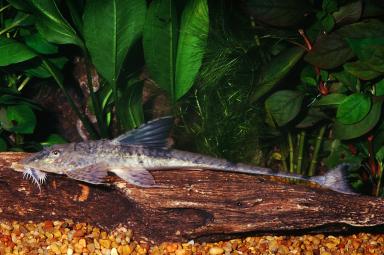
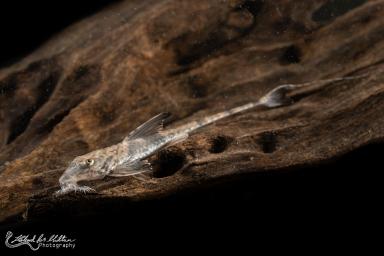
 Video
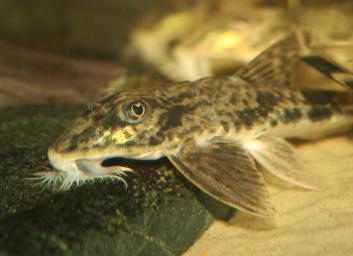
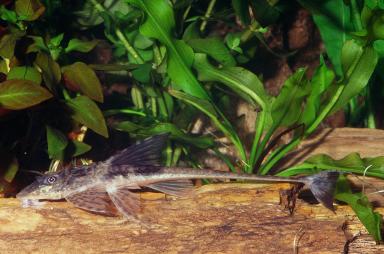
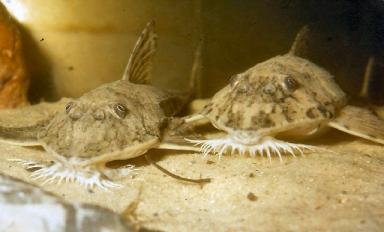
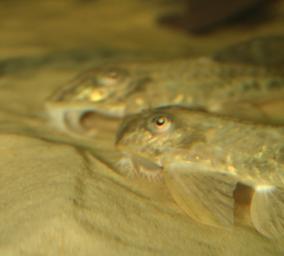 Deformed snub nose
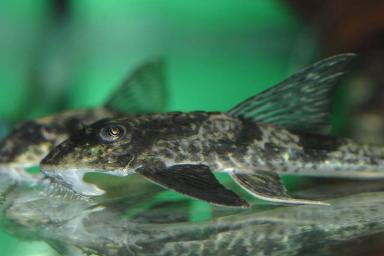
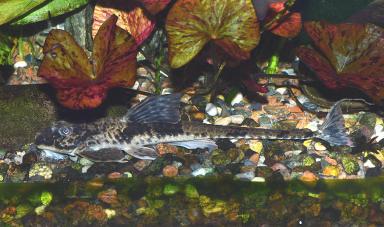
 Video of eggs
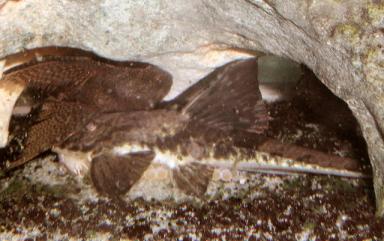 Male 'sitting on' (lipbrooding) egg clutch
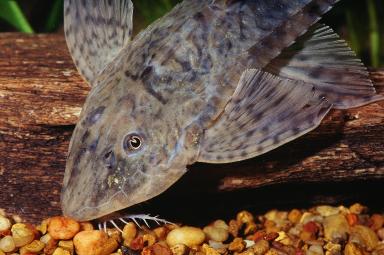
 Video - One hour old fry
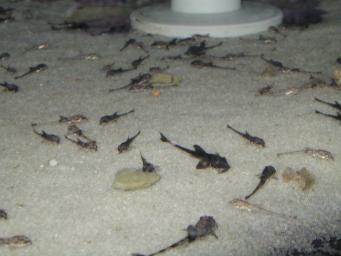 Newly hatched fry and one month olds
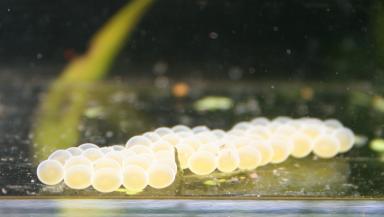 Two day old eggs
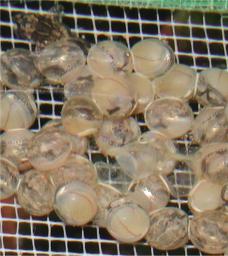 Close up of eggs hatching at twelve days
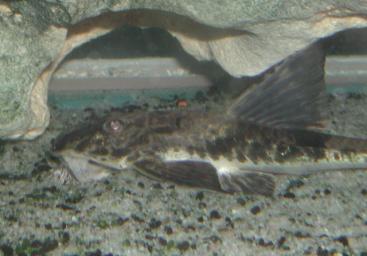 Male
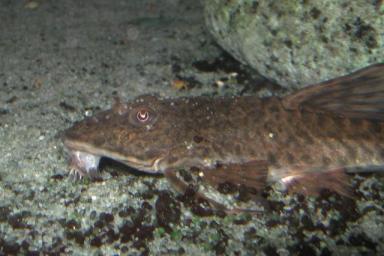 Female
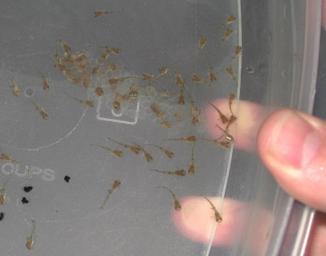 Fry immediately after hatching
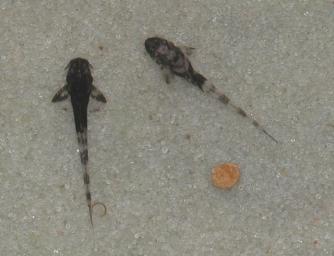 Dorsal view of four month old youngsters
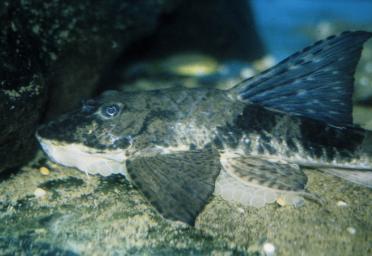 With eggs
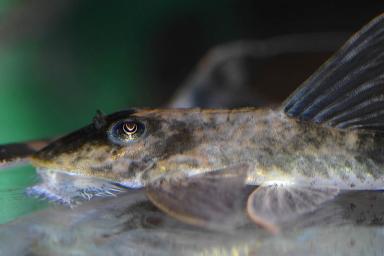
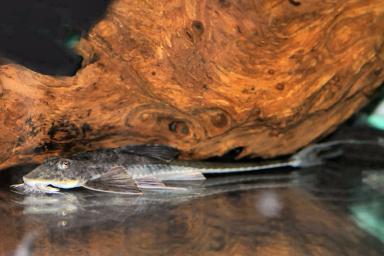
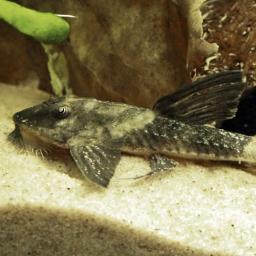
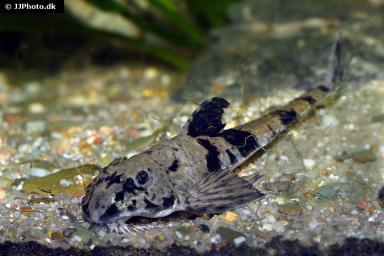
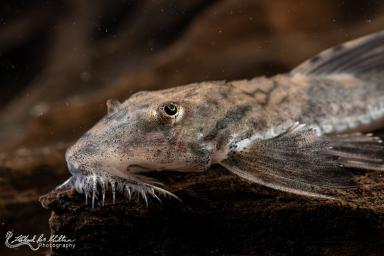
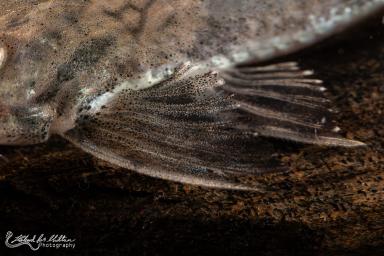 Close-up of pectoral and ventral fins
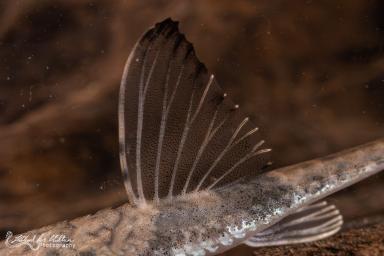 Close-up of dorsal fin
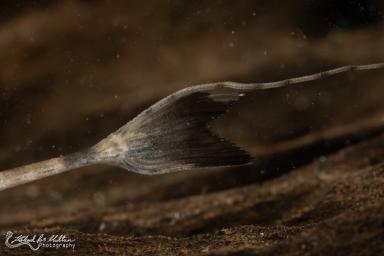 Close-up of caudal fin
| ⇓ Zebra Pleco (Hypancistrus zebra) Data Sheet | |
|---|---|
| Scientific Name | Loricaria simillima Regan, 1904 |
| Common Names | Marbled Whiptail Piskehalemaller (Danish, Denmark) |
| Type Locality | Canelos, eastern Ecuador. |
| Synonym(s) | |
| Pronunciation | lorry CAR ee ah - sim ill ee mah |
| Etymology | (Latin)Lorica, Loricare = cuirass of corslet of leather (a suit of armour made of leather). |
| ⇓ Species Information | |
| Size | 180mm or 7.1" SL. Find near, nearer or same sized spp. |
| Identification | When young, Loricaria spp. can be differentiated from the similar Rineloricaria spp. by their more feathered sucker-mouths. In adults this difference is considerably more evident. A very variable species that is widely distributed through differing habitats across the several countries and river systems. |
| ⇓ Habitat Information | |
| Distribution | South America: Amazon, Orinoco and La Plata River basins. Amazon (click on these areas to find other species found there) La Plata (click on these areas to find other species found there) Orinoco (click on these areas to find other species found there) Amazon, Upper Amazon, Napo, Upper Napo, Cononaco Imported (click on these areas to find other species found there) Amazon, Upper Amazon, Marañón, Pastaza Imported (click on these areas to find other species found there) Login to view the map. |
| IUCN Red List Category | Least Concern , a distribution map is available on the IUCN species page. Last assessed 2020. |
| pH | 5.6 - 7.8 |
| Temperature | 24.0-27.0°C or 75.2-80.6°F (Show species within this range) |
| Other Parameters | Imports from black water require a lower pH and softer water. The more common whitewater export (which tends to be form that reproduces more readily) will happily tolerate pH 6.4 to 7.8. |
| ⇓ Husbandry Information | |
| Breeding | See Shane's World article (link below). |
| Breeding Reports | There is no breeding report. |
| ⇓ Further Information | |
| Reference | Transactions of the Zoological Society of London v. 17 (pt 3, no. 1), pp 292, Pl. 17 (fig. 2). |
| Wishlists | There is no wish to keep this species. |
| Spotters | There is no record of this fish being seen. |
| ⇓ More Resources | |
| Forum BBCode | |
| Find CLOG | 26 mentions on the forum, starting 23rd Jul 04 |
 | Look up L. simillima on PlanetCatfish.com |
 | Look up L. simillima on Fishbase |
 | Look up L. simillima on Encyclopedia of Life |
 | Look up L. simillima on Global Biodiversity Information Facility |
 | LFS label creator ARN ref:1.4.69.247 |
| Last Update | Thu Jan 02, 2025 9:38 am (Species record created: Sat May 05, 2001 7:00 am) |
