
PAGE_HEADER
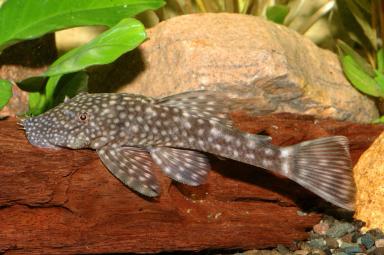
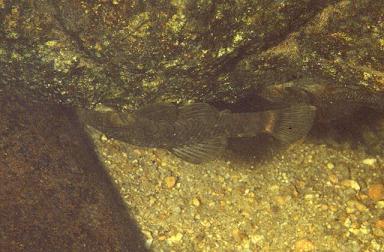
| ⇓ Zebra Pleco (Hypancistrus zebra) Data Sheet | |
|---|---|
| Scientific Name | Ancistrus multispinis (Regan, 1912) |
| Common Names | Thorned Bristlenose Catfish Flerpigget Antenne-sugemalle (Danish, Denmark) |
| Type Locality | Rio Humboldt, Rio Itapocú, Santa Catherina, southeastern Brazil. |
| Synonym(s) | Ancistrus multispinus, Hemiancistrus albocinctus, Peckoltia albocincta, Xenocara multispinis |
| Pronunciation | an SISS truss |
| Etymology | The name Ancistrus is derived from the Greek word agkistron, meaning hook, in reference to the interopercular odontodes that are hooked. There is 1 other speciesPeckoltia multispinis with this name. |
| ⇓ Species Information | |
| Size | 142mm or 5.6" SL. Find near, nearer or same sized spp. |
| Identification | Mature males and sometimes females have soft tentacles (bushy fleshy growths) on the snout - this is unique to the genus Ancistrus. |
| Sexing | Males develop soft tentacles on the head and while sometimes females also do, it is never to the grand extent of those found on that of the conspecific male. |
| ⇓ Habitat Information | |
| Distribution | Atlantic coastal drainages of eastern Brazil from Macacú River to Maquiné River, Brazil. Rio Grande Do Sul State Waters, Maquiné (Forqueta) (click on these areas to find other species found there) Paraná State Rivers (click on these areas to find other species found there) Rio de Janeiro State Rivers (click on these areas to find other species found there) Rio Grande Do Sul State Waters (click on these areas to find other species found there) Santa Catarina State Rivers (click on these areas to find other species found there) Sao Paulo State Rivers (click on these areas to find other species found there) Login to view the map. |
| ⇓ Husbandry Information | |
| Feeding | Ancistrus should be fed mainly on vegetarian foods. Prepared foods include algae wafers and spirulina based sinking food. Vegetables such as courgette/zucchini, and (English) cucumber are an excellent addition to the diet, along with the odd, small amount of more meaty foods. User data. |
| Compatibility | A good complement to most aquariums, they are not aggressive to other species. Males may fight over territory if kept in too small a tank. |
| Suggested Tankmates | Appropriate with most community fish that aren't overly big or aggressive. |
| Breeding | Has been bred in the aquarium. |
| Breeding Reports | There is no breeding report. |
| ⇓ Further Information | |
| Reference | Proceedings of the Zoological Society of London 1912 (pt 3) (art. 36), pp 668, Pl. 76 (fig. 1). |
| Wishlists | There is no wish to keep this species. |
| Spotters | There is no record of this fish being seen. |
| ⇓ More Resources | |
| Forum BBCode | |
| Find CLOG | 6 mentions on the forum, starting 29th Mar 11 |
 | Look up A. multispinis on PlanetCatfish.com |
 | Look up A. multispinis on Fishbase |
 | Look up A. multispinis on Encyclopedia of Life |
 | Look up A. multispinis on Global Biodiversity Information Facility |
 | LFS label creator ARN ref:1.4.4.2024 |
| Last Update | Wed Jan 01, 2025 8:07 pm (Species record created: Sat May 31, 2008 11:24 am) |
