
PAGE_HEADER
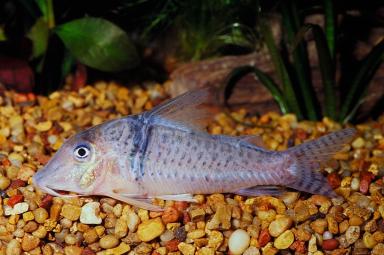
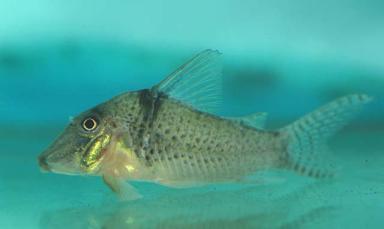
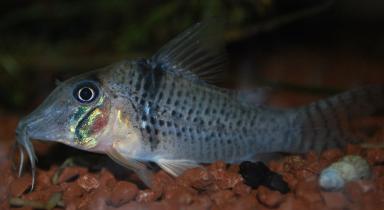
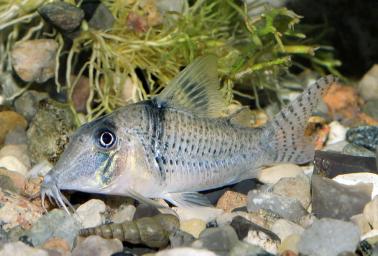
| ⇓ Zebra Pleco (Hypancistrus zebra) Data Sheet | |
|---|---|
| Scientific Name | Corydoras pastazensis Weitzman, 1963 |
| Common Names | Pastaza Cory Pastaza Corydoras, Spidssnudet Kilepansermalle (Danish, Denmark) |
| Type Locality | Chicherata, about 2°33'S, 76°40'W [? 2°22'S, 76°38'W], near mouth of Río Bobonaza, Pastaza Prov., Ec |
| Synonym(s) | Corydoras pastazensis orcesi |
| Pronunciation | kor ee doh rass. - pass TAH zen siss |
| Etymology | Cory = helmet, doras = skin. In this case it was incorrectly used to mean armour (cuirasse) instead of skin in allusion to the dual rows of plates that run along the flanks of this genus. Named for the Rio Pastaza, where this species was found. |
| ⇓ Species Information | |
| Size | 61mm or 2.4" SL. Find near, nearer or same sized spp. |
| Identification | Corydoras are identified by their twin rows of armour plates along the flanks and by having fewer than 10 dorsal fin rays. They are most commonly confused with the other genera in the sub-family, namely Brochis, Scleromystax and Aspidoras. |
| Sexing | Females grow larger and are more full-bodied, this is best observed from above the fish. Males will typically have more pointed as opposed to more rounded fin tips as they mature. |
| ⇓ Habitat Information | |
| Distribution | South America: Pastaza River basin in Ecuador. Amazon, Upper Amazon, Marañón, Pastaza, Bobonaza (click on these areas to find other species found there) Amazon, Upper Amazon, Marañón, Pastaza (click on these areas to find other species found there) Login to view the map. |
| IUCN Red List Category | Least Concern , a distribution map is available on the IUCN species page. Last assessed 2014. |
| ⇓ Husbandry Information | |
| Feeding | Will readily accepted all prepared foods that reach the bottom of the aquarium such as tablets, granules and larger flakes. Live (or frozen) foods such as bloodworm, white worm, grindal worm (Enchytraeus), Daphnia and Tubifex are readily accepted and good for conditioning groups of fishes for spawning. User data. |
| Furniture | Ideally substrate should be sand, but rounded gravel is an imperfect alternative. Avoid keeping over rough edged (chipped) gravel, this will increase this risk of damage the fishes barbels when it tries to dig. Substrate should be bordered with driftwood and aquatic plants leaving an open area for them to search for food and swim. The shade provided by overhanging rock work, arching bogwood, tall or floating plants are all that is required to settle these fishes. |
| Compatibility | A peaceful, shoaling, community fish. |
| Breeding | Unreported in the aquarium. |
| Breeding Reports | There is no breeding report. |
| ⇓ Further Information | |
| Reference | Proceedings of the Biological Society of Washington v. 76, pp 59, Fig. 1. |
| Wishlists | There is no wish to keep this species. |
| Spotters | There is no record of this fish being seen. |
| ⇓ More Resources | |
| Forum BBCode | |
| Find CLOG | 2 mentions on the forum, starting 16th Sep 09 |
 | Look up C. pastazensis on PlanetCatfish.com |
 | Look up C. pastazensis on Fishbase |
 | Look up C. pastazensis on Encyclopedia of Life |
 | Look up C. pastazensis on Global Biodiversity Information Facility |
 | LFS label creator ARN ref:1.1.686.1596 |
| Last Update | Thu Jan 02, 2025 9:38 am (Species record created: Fri Mar 10, 2006 8:00 am) |
