
PAGE_HEADER
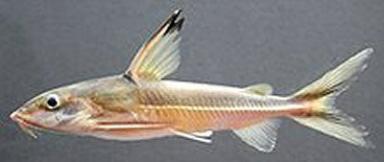
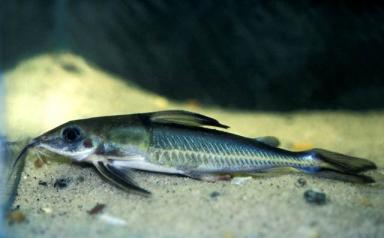
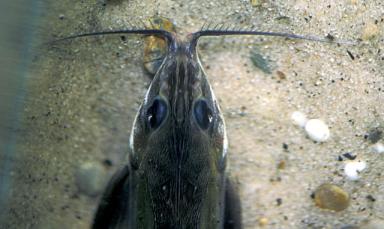 Dorsal view of head
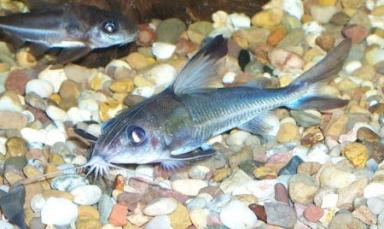
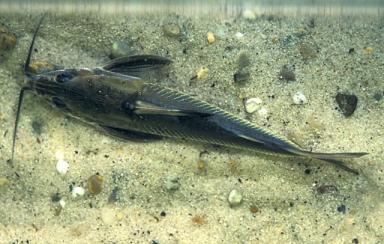 Dorsal view
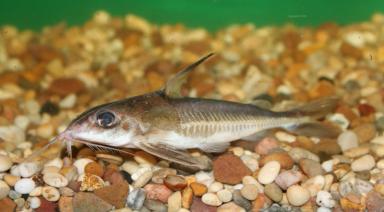
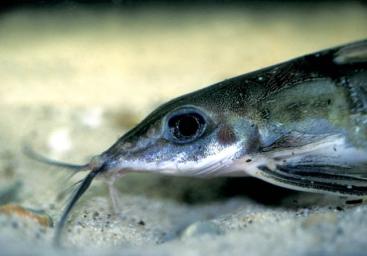 Close-up of head
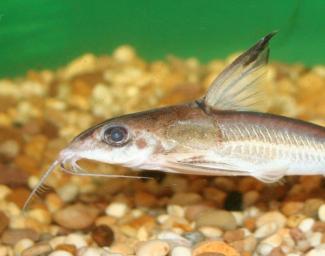
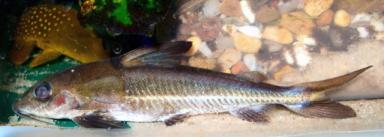
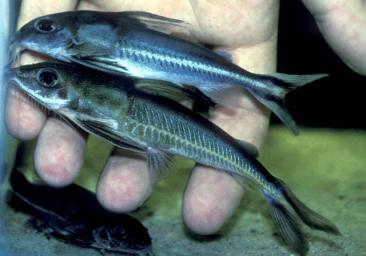 Hemidoras below, Tenellus above.
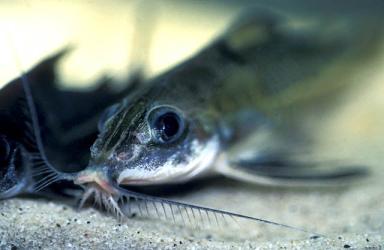 Close-up of barbels
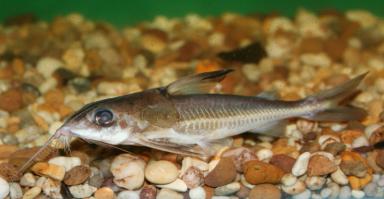
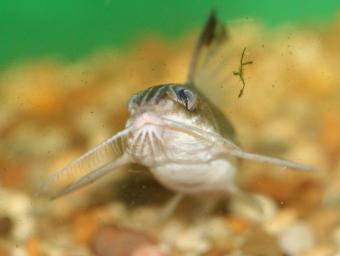
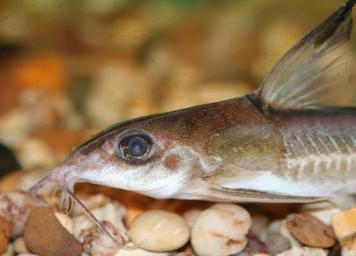
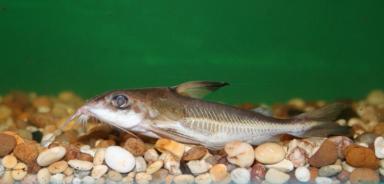
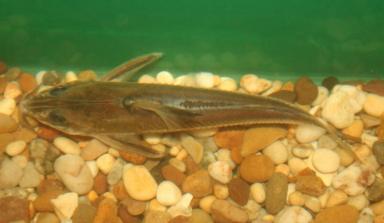 Dorsal view
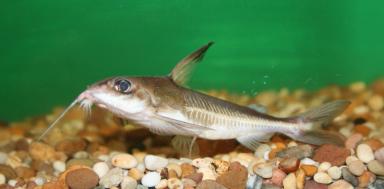
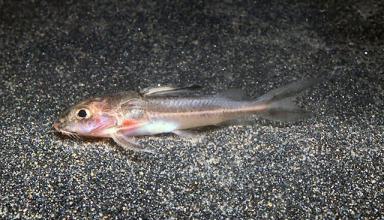
| ⇓ Zebra Pleco (Hypancistrus zebra) Data Sheet | |
|---|---|
| Scientific Name | Hemidoras stenopeltis (Kner, 1855) |
| Common Name | Mouse Catfish |
| Type Locality | Rio Negro, Amazon system, Brazil. |
| Synonym(s) | Doras stenopeltis |
| Etymology | Hemidoras: From the Greek hemi, meaning half, and doras, meaning skin (also a word commonly used in forming generic names for doradids); in reference to the similarity to Doras (another doradid genus). |
| ⇓ Species Information | |
| Size | 125mm or 4.9" SL. Find near, nearer or same sized spp. |
| Identification | The black top mouse catfish is very similar to another mouse catfish, Nemadoras leporhinus, the main visual difference being the latter's clear dorsal fin with a black marking at its base. Aside from that N. leporhinus has longer leading fin rays. Key characters are deep plates, pointed humeral process (vs. rounded in Leptodoras), short pointed snout, plates along back (also along ventral midline before anal fin) and tip of dorsal fin dipped in black. |
| Sexing | Adult males have what seems to be an enlarged dorsal spine. This is however a filament (as for instance can be seen in Synodontis decora). Females lack this feature. |
| ⇓ Habitat Information | |
| Distribution | South America: Amazon River basin. Amazon (click on these areas to find other species found there) Login to view the map. |
| IUCN Red List Category | Not Evaluated , a distribution map is available on the IUCN species page. Last assessed 2026. |
| pH | 6.0 - 7.6 |
| Temperature | 22.0-25.5°C or 71.6-77.9°F (Show species within this range) |
| ⇓ Husbandry Information | |
| Feeding | Until acclimatised, the fish appears quite selective and like small foods. Crushed flake or sinking flake-based tablets best for smaller individuals although brineshrimp is taken by species around the 2'' mark. Larger, more settled fish are easier to feed and become very active during feeding. User data. |
| Furniture | Dense vegetation empowers this fish with a much needed sense of confidence in its surroundings. Caves or dark refuges appear less important. |
| Compatibility | Not aggressive and, as with all Doradids, sociable with its own species. Smaller fish appear to have an innate fear of larger fish and becomes very shy in their presence. |
| Suggested Tankmates | Shoaling tetras and Brochis are ideal. Dwarf cichlids and smaller labyrinth fish (Gouramis etc) are also suitably gentile. Larger, acclimatised fish will do well in a medium to large community set-up. At any size, best kept in shoals to ensure greater boldness and health. |
| Breeding | No member of this genus has been bred in the aquarium. |
| Breeding Reports | There is no breeding report. |
| ⇓ Further Information | |
| Reference | Sitzungsberichte der Kaiserlichen Akademie der Wissenschaften. Mathematisch-Naturwissenschaftliche Classe v. 17, pp 142 [53], Pl. 4 (fig. 7). |
| Wishlists | There is no wish to keep this species. |
| Spotters | There is no record of this fish being seen. |
| ⇓ More Resources | |
| Forum BBCode | |
| Find CLOG | 9 mentions on the forum, starting 18th Mar 09 |
 | Look up H. stenopeltis on PlanetCatfish.com |
 | Look up H. stenopeltis on Fishbase |
 | Look up H. stenopeltis on Encyclopedia of Life |
 | Look up H. stenopeltis on Global Biodiversity Information Facility |
 | LFS label creator ARN ref:1.12.141.1212 |
| Last Update | Thu Jan 02, 2025 9:38 am (Species record created: Sat Apr 21, 2001 7:00 am) |
