
PAGE_HEADER
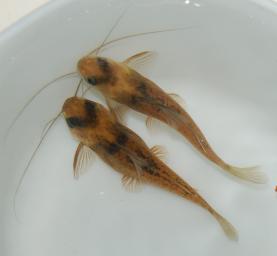 Dorsal view
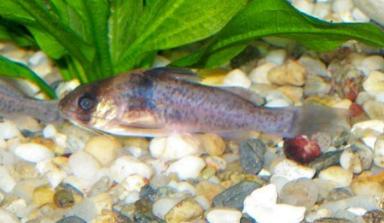
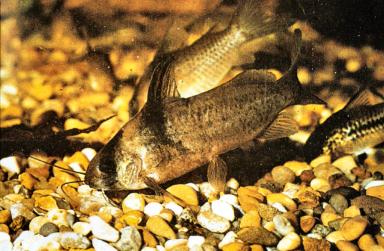
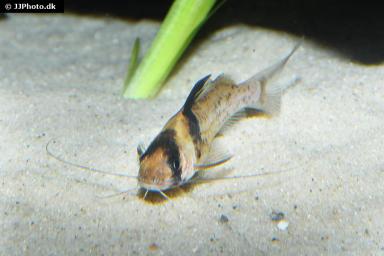
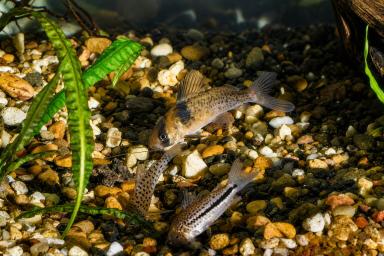
| ⇓ Zebra Pleco (Hypancistrus zebra) Data Sheet | |
|---|---|
| Scientific Name | Brachyrhamdia imitator Myers, 1927 |
| Common Names | False Cory False Corydoras, Gulpandet Spionmalle (Danish, Denmark) |
| Type Locality | Caño de Quiribana near Caicara, Venezuela. |
| Synonym(s) | Pimelodella imitator |
| Pronunciation | bra key ram dee ah - im it ate or |
| Etymology | Greek, brachys, -eia = shor + Brazilian vernacular name, Nhamdia/Jamdia. imitator = alluding to the fact that this species shares, identically, the patterning of Corydoras melanistus. There are 2 other speciesBrochis(sc3) imitator Schistura imitator with this name. |
| ⇓ Species Information | |
| Size | 54mm or 2.1" SL. Find near, nearer or same sized spp. |
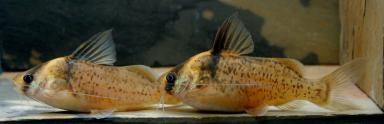
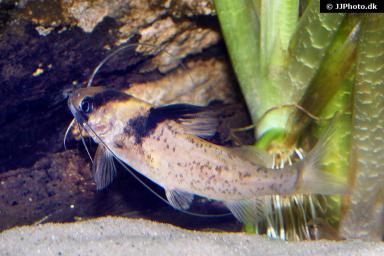
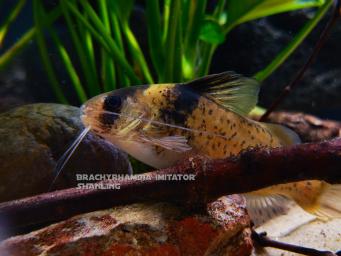
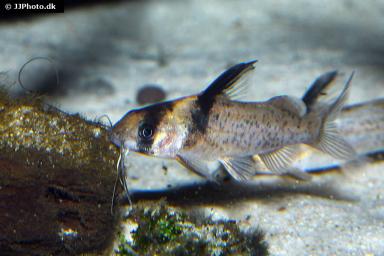
| Identification | Only potentially confused with the aforementioned species of Corydoras. Anything more than a quick glance reveals the long barbels and naked flanks. |
| Sexing | Unknown |
| ⇓ Habitat Information | |
| Distribution | South America: Caura River basin in Orinoco River drainage, Venezuela. Orinoco, Lower Orinoco, Caura (click on these areas to find other species found there) Login to view the map. |
| IUCN Red List Category | Least Concern , a distribution map is available on the IUCN species page. Last assessed 2017. |
| pH | 6.0 - 7.5 |
| Temperature | 20.0-24.0°C or 68-75.2°F (Show species within this range) |
| Other Parameters | Hardness up to 18°dGH. |
| ⇓ Husbandry Information | |
| Feeding | Will eat most foods to the point of bursting. Care must be taken not too overfeed especially with foods that expand once inside the fish. Live foods are relished but best used for acclimatising or conditioning individuals. User data. |
| Furniture | An open expanse of gravel for this fish to interact with its conspecifics or Corydoras is necessary to see it at its best. Floating plants will diffuse overhead light and thus allow the fish a greater sense of security when out in the open. The swimming area should be bordered with suitable sized hiding places structured to allow this fast swimming fish both quick entry and exit. |
| Compatibility | A peaceful fish both with its own species and with Corydoras. The only drawback is that it will eat small tetras and young fish. Fish larger than 1'' are too large to eat and will not otherwise be molested. |
| Suggested Tankmates | Most small to medium sized community fish are ideal. Tetras, Rasboras and Rainbowfish would all do well. The mimic nature of this fish suggests that you should keep similarly marked Corydoras species with this fish. The exact purpose of this is as yet unknown and the insight of aquarists are important in unravelling this mysterious fish. |
| Breeding | A report of a failed spawning (eggs didn't develop) for this species was published by Trevor Norris in the April 1986 journal of the Catfish Association of Great Britain (CAGB). A group of these fish started spawning when their Corydoras melanistius tankmates spawned. The corys laid eggs on the glass, whereas the B. inimtator stuck their eggs to the leaves of large Vallisneria plants. The water was soft and slightly acidic. |
| Breeding Reports | There is no breeding report. |
| ⇓ Further Information | |
| Reference | Bulletin of the Museum of Comparative Zoology v. 68 (no. 3), pp 123. |
| Wishlists | There is no wish to keep this species. |
| Spotters | There is no record of this fish being seen. |
| ⇓ More Resources | |
| Forum BBCode | |
| Find CLOG | 12 mentions on the forum, starting 23rd Jun 06 |
 | Look up B. imitator on PlanetCatfish.com |
 | Look up B. imitator on Fishbase |
 | Look up B. imitator on Encyclopedia of Life |
 | Look up B. imitator on Global Biodiversity Information Facility |
 | LFS label creator ARN ref:1.30.53.119 |
| Last Update | Fri Aug 14, 2026 6:15 am (Species record created: Sun Apr 22, 2001 7:00 am) |
