
PAGE_HEADER
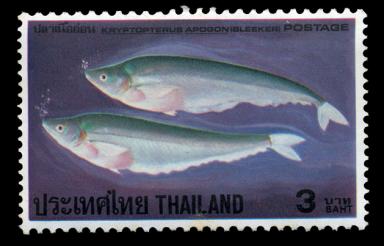 Stamp
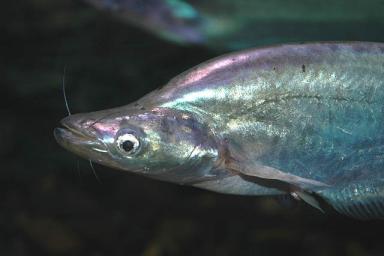
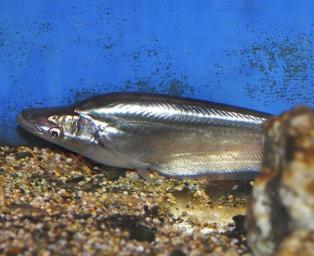
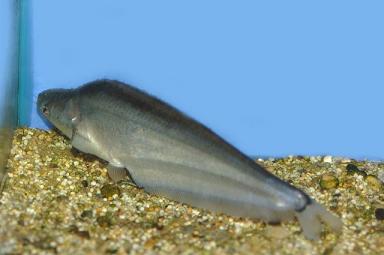
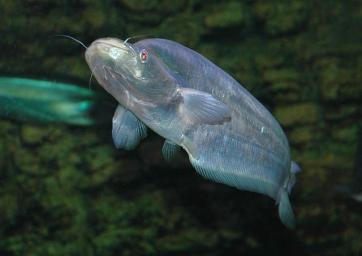
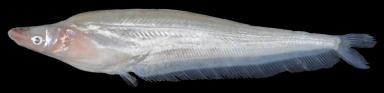
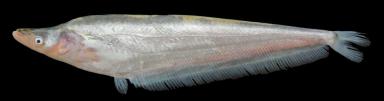
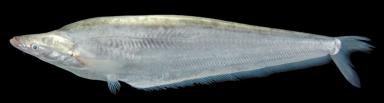
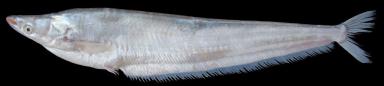
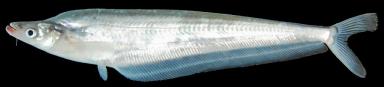
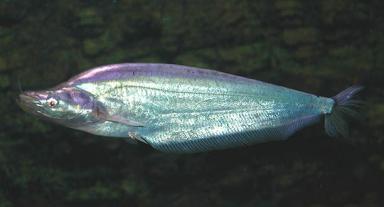
| ⇓ Zebra Pleco (Hypancistrus zebra) Data Sheet | |
|---|---|
| Scientific Name | Phalacronotus apogon (Bleeker, 1851) |
| Common Name | |
| Type Locality | Bandjarmasin [Banjarmasin], southern Kalimantan, Borneo, Indonesia. |
| Synonym(s) | Cryptopterus apogon, Cryptopterus micropogon, Kryptopterus apogon, Micronema apogon, Phalacronotus leptonema, Phalacronotus micropogon, Silurus apogon, Silurus leptonema, Silurus micropogon |
| Pronunciation | air paw gone |
| Etymology | From the Greek a- meaning without and pogon, meaning beard. In reference to the very small barbels in this species. There are 2 other speciesCyclocheilichthys apogon Devario apogon with this name. |
| ⇓ Species Information | |
| Size | 1300mm or 51.2" SL. Find near, nearer or same sized spp. |
| Identification | No dorsal fin; greatly reduced barbels (smaller than eye diameter or absent); body depth 5.7-7.0 times in SL; vomerine teeth in angular band; 75-91 anal-fin rays. |
| Sexing | Males are more slender and have strong serrations on the posterior edge of the pectoral spine (females lack these serrations). |
| ⇓ Habitat Information | |
| Distribution | Asia: Mekong and Chao Phraya basins, Malay Peninsula, Sumatra and Borneo. Pacific, Greater Sunda Island Rivers, Borneo Waters (click on these areas to find other species found there) Thailand Waters, Chao Praya (click on these areas to find other species found there) Mekong (click on these areas to find other species found there) Pacific, Malaysia Waters, Peninsular Malaysia Waters (click on these areas to find other species found there) Pacific, Greater Sunda Island Rivers, Sumatra Waters (click on these areas to find other species found there) Login to view the map. |
| IUCN Red List Category | Least Concern , a distribution map is available on the IUCN species page. Last assessed 2018. |
| pH | 6.0 - 7.0 |
| Temperature | 22.0-27.0°C or 71.6-80.6°F (Show species within this range) |
| ⇓ Husbandry Information | |
| Feeding | Readily feeds on live/frozen foods and other prepared foods such as pellets. Will also eat fishes/shrimps. User data. |
| Furniture | This fish is fairly active and needs open spaces to swim in. Provide plenty of vegetation for it to hide in during the day. |
| Compatibility | A predatory fish best kept alone. |
| Breeding | Not reported in captivity. In mainland South-east Asia, this species spawns just prior to the rise in water levels and moves into the flooded riparian forests and probably out into the floodplains during high water levels. Young of the year are first seen in July and start to move back to the rivers in October, where they remain common until January. |
| Breeding Reports | There is no breeding report. |
| ⇓ Further Information | |
| Reference | Natuurkundig Tijdschrift voor Nederlandsch Indië v. 2 (no. 1), pp 67. |
| Wishlists | There is no wish to keep this species. |
| Spotters | There is no record of this fish being seen. |
| ⇓ More Resources | |
| Forum BBCode | |
| Find CLOG | 4 mentions on the forum, starting 17th May 09 |
 | Look up P. apogon on PlanetCatfish.com |
 | Look up P. apogon on Fishbase |
 | Look up P. apogon on Encyclopedia of Life |
 | Look up P. apogon on Global Biodiversity Information Facility |
 | LFS label creator ARN ref:1.7.280.1049 |
| Last Update | Thu Jan 02, 2025 9:38 am (Species record created: Tue Jun 24, 2003 7:00 am) |
