
PAGE_HEADER
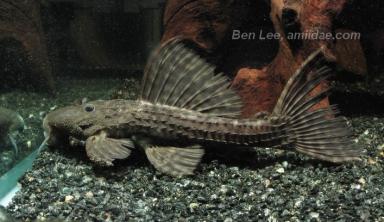
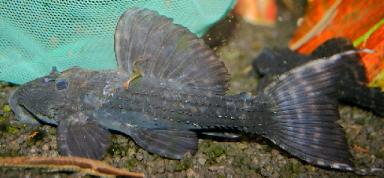
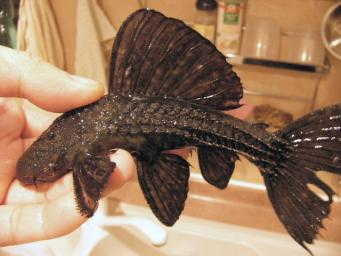
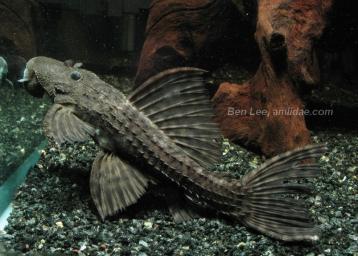
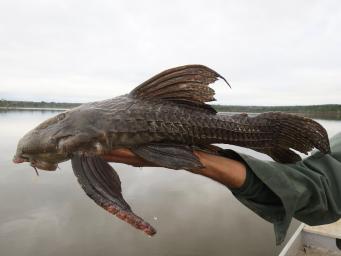 Adult
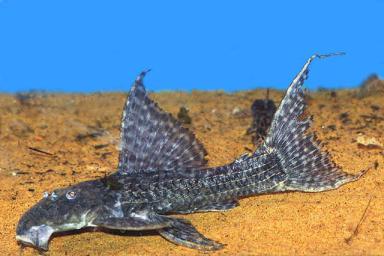
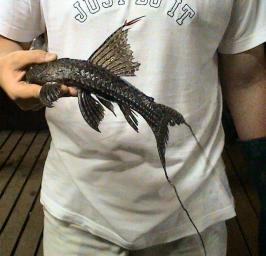
| ⇓ Zebra Pleco (Hypancistrus zebra) Data Sheet | |
|---|---|
| Scientific Name | Pseudacanthicus major Chamon & Costa e Silva, 2018 |
| Common Names | L186, Giant Cactus Pleco Kæmpe-kaktussugemalle (Danish, Denmark) |
| Type Locality | Rio Areias near to the confluence with rio Tocantins, Porto Nacional, Brazil, 1050'30"S, 4823'35"W. |
| Synonym(s) | |
| Pronunciation | SUE dah KAN thi cuss |
| Etymology | Pseud- Greek: False, Acanthicus - Greek: Spiny, Thorny. Literally "False Acanthicus" referring to this genus being similar to, yet different from, Acanthicus. There is 1 other speciesGlyptothorax major with this name. |
| ⇓ Species Information | |
| Size | 600mm or 23.6" SL. Find near, nearer or same sized spp. |
| Identification | The German common name for this genus is ''Cactus Pleco''. A good name! Pseudacanthicus is a member of the Acanthicus clade. Species of the Acanthicus clade are distinguished from other Loricariidae species by the presence of (1) longitudinal rows of keels (pointed odontodes) along the body sides; (2) eight or more dorsal-fin rays (vs. six or seven in most other loricariids except Pterygoplichthys, Chaetostoma, Pogonopoma and Pseudancistrus pectegenitor); (3) seven to eight infraorbitals (vs. usually five or six); (4) five anal-fin branched rays (vs. usually four); and (5) presence of hypertrophied odontodes along the snout margin (vs. hypertrophied odontodes absent in other loricariids except Isbrueckerichthys and Pareiorhaphis, in Neoplecostominae; Panaque and Pseudancistrus and Neblinichthys, in Ancistrini; and most dimorphic males of Loricariinae). Within the Acanthicus group, Pseudacanthicus is distinguished by the presence of two small plates in the posterior area of the compound pterotic (vs. one median plate or plate absent), and by the presence of narrow premaxillae with a small number of elongate and curved teeth (except from Leporacanthicus). |
| Sexing | Mature males have considerably more odontodal growth on most fins rays but the pectorals are most adorned. Females fill out quite considerably in relation to the slender males. |
| ⇓ Habitat Information | |
| Distribution | Brazil, Rio Tocantins Amazon, Lower Amazon, Tocantins (click on these areas to find other species found there) Login to view the map. |
| IUCN Red List Category | Not Evaluated , a distribution map is available on the IUCN species page. Last assessed 2026. |
| Temperature | 23.0-27.0°C or 73.4-80.6°F (Show species within this range) |
| ⇓ Husbandry Information | |
| Feeding | Carnivore although not a predator, prawns and chopped mussel appear favourites and promote favourable growth. Some vegetable should also be provided and thus balances diet. User data. |
| Furniture | Proportionally sized pieces of bogwood (the fish does not appear to particularly like rock work) are a good idea as are equally dimensioned pipes. Plants are just a nuisance to this fish and while not orally molested, they tend to be battered by the fishes movement. |
| Compatibility | Generally peaceful but territorial from a young age. Some large specimens are aggressively territorial and may cause problems if housed with other large nocturnal fish. |
| Suggested Tankmates | The temptation with large tough Loricariids is to keep them with other large tough fish such as Oscars or other brutish characters. This actually works quite well with most omnivorous or mainly vegetarian plecos. Pseudacanthicus despite their defensive protection can be bullied by faster moving fish of similar size. They are carnivores and only eat vegetables when their preferred food is unavailable. The amount of waste produced depends on their diet but is considerably less than a Panaque or Pterygoplichthys of similar size. |
| Breeding | Unknown although almost certainly a cave / pipe spawner. |
| Breeding Reports | There is no breeding report. |
| ⇓ Further Information | |
| Literature & References | Original Description: <b> Chamon, C. C. and T. Costa e Silva</b> 2018 (28 Feb.) <a href="https://www.researchgate.net/publication/323447355_Pseudacanthicus_major_Description_of_one_of_the_largest_known_Loricariidae_Hypostominae_Ancistrini_a_species_from_rio_Tocantins_basin_Brazil" target=_blank>See ref. online</a> |
| Wishlists | There is no wish to keep this species. |
| Spotters | There is no record of this fish being seen. |
| ⇓ More Resources | |
| Forum BBCode | |
| Find CLOG | 2 mentions on the forum, starting 28th Feb 18 |
 | Look up P. major on PlanetCatfish.com |
 | Look up P. major on Fishbase |
 | Look up P. major on Encyclopedia of Life |
 | Look up P. major on Global Biodiversity Information Facility |
 | LFS label creator ARN ref:1.4.40.1023 |
| Last Update | Wed Jan 01, 2025 8:08 pm (Species record created: Wed Apr 30, 2003 7:00 am) |
